A reader clicks a Google search result linking to your blog post. They land on a “Page Not Found” error. They hit back and find a competitor’s article instead.
This happens constantly on blogs. Most writers never know they lost a reader.
Why 404 Errors Matter for Bloggers
SEO destruction. Google sends less traffic to blogs with broken pages. Your rankings drop when 404s accumulate.
Reader trust damage. Readers remember broken experiences. Multiple 404s train audiences that your blog is unreliable.
Link rot prevention. Old blog posts link to resources that disappear. Internal 404s multiply over time as your blog ages.
Ad revenue impact. Fewer page views mean less ad revenue. Broken links reduce total readership.
How to Check in GA4
Use GA4’s Pages and screens report. Navigate to Reports > Engagement > Pages and screens. Look for pages with “404” or “not-found” in the path.
Create an Exploration report. Add “Page path and screen class” as a dimension. Filter for pages returning 404 status. Add “Sessions” as a metric.
Focus on old posts with high organic traffic. These are your money posts. Fixing their 404s preserves search rankings.
Export monthly. Fix high-traffic 404s first. Consider redirecting deleted posts to related content.
The Easier Way
ClawAnalytics makes 404 tracking simple for bloggers.
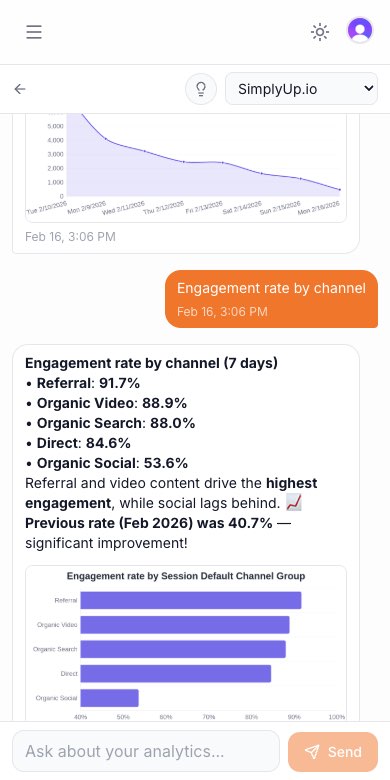
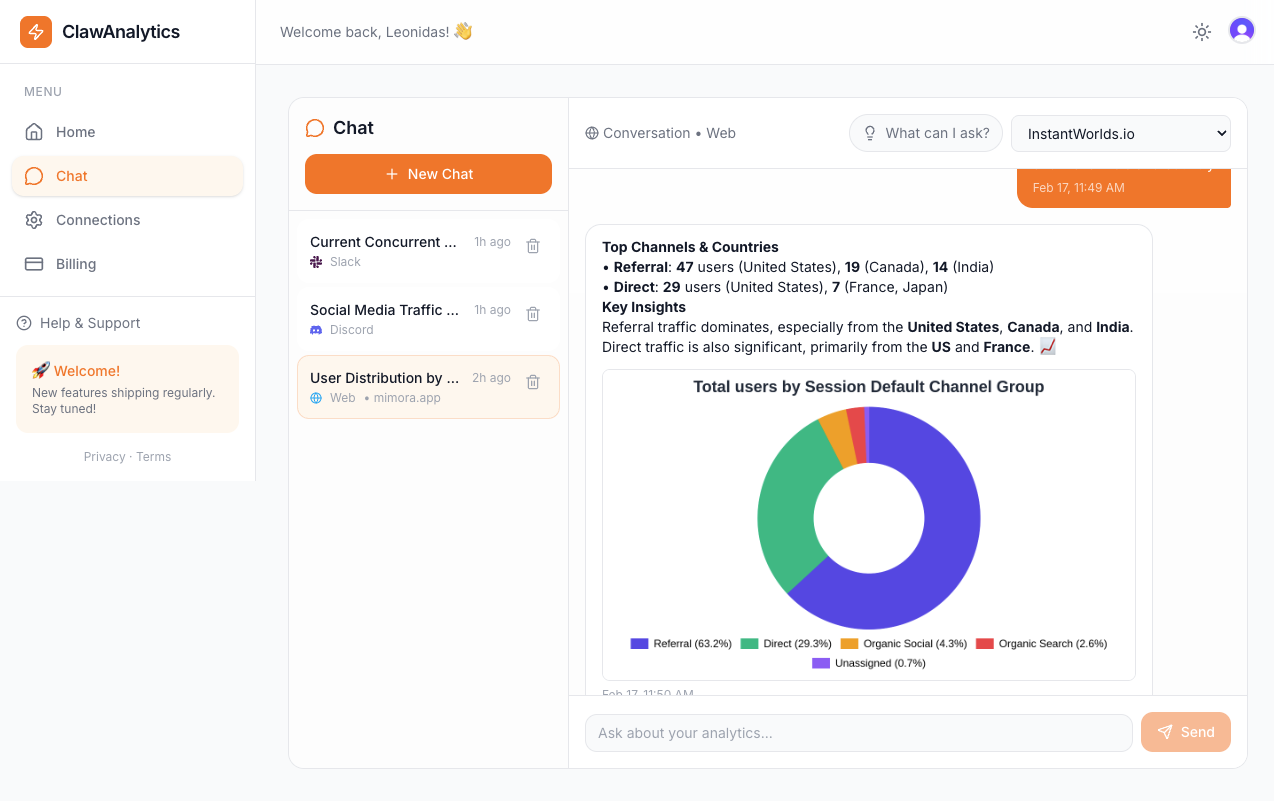
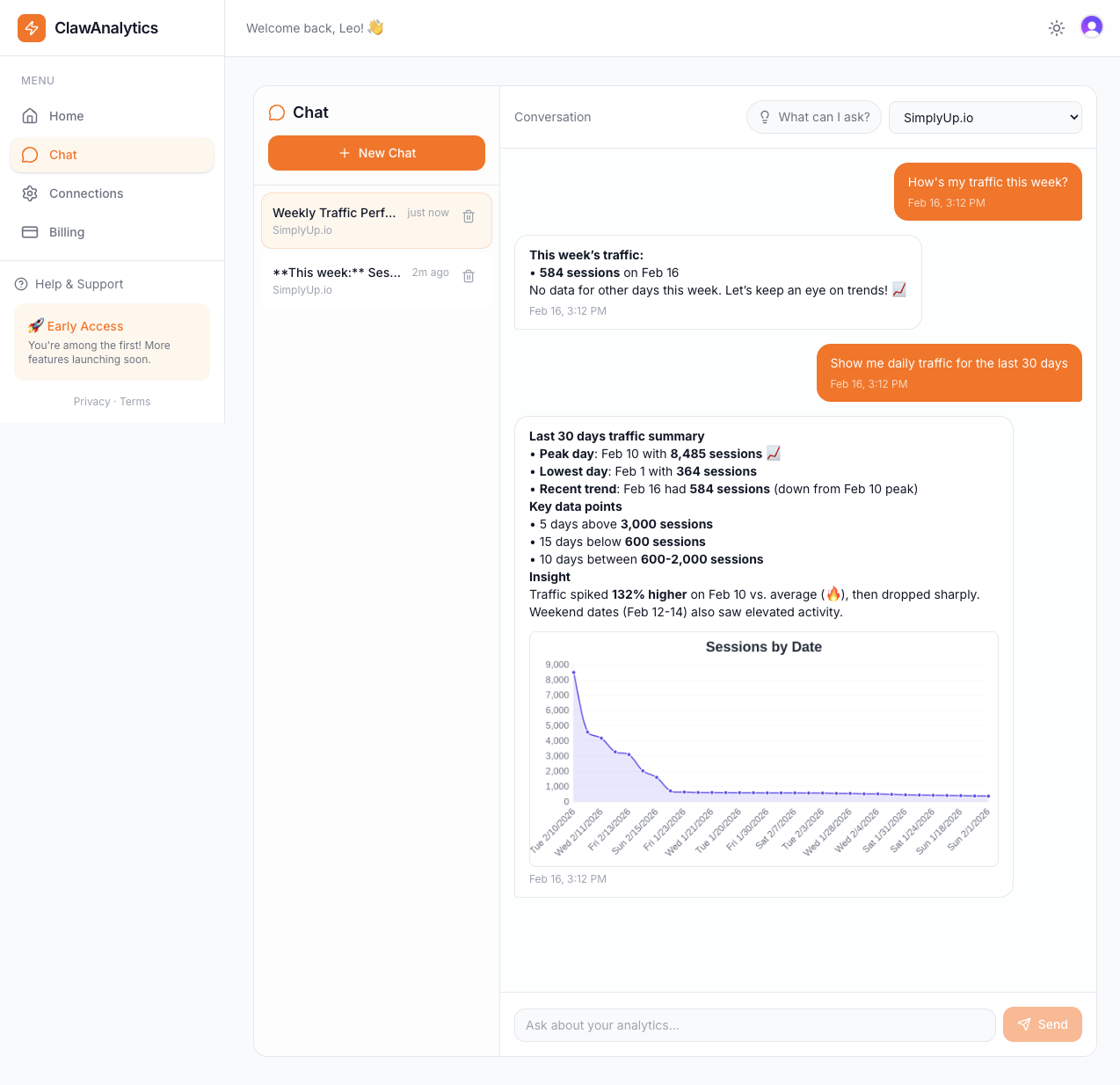
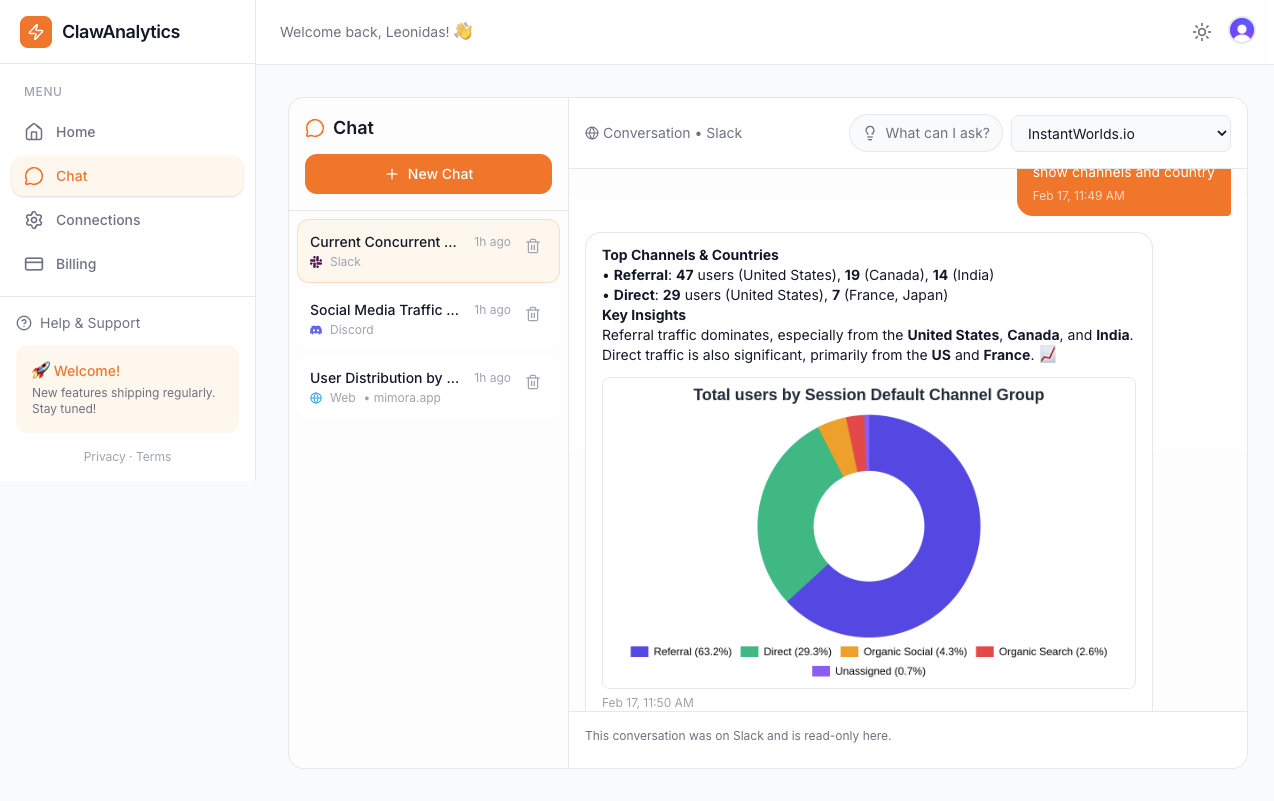
ClawAnalytics shows a dashboard of every broken link on your blog. Example questions answered:
- Which old posts have the most 404 errors?
- Are external links I recommended still working?
- How much traffic did I lose to broken pages?
One blogger fixed 404s on their top 10 posts and recovered 20% of organic traffic. Another discovered multiple affiliate links were broken and replaced them before losing commissions.
Quick Wins
Create a useful 404 page. Link to your most popular posts. Include a search box. Give readers somewhere to go.
Redirect deleted posts. When you remove a post, redirect readers to a related article. Never leave them at a dead end.
Audit links quarterly. Check old posts for broken external links. Update or remove them.
Use a broken link checker. Run monthly scans of your blog. Fix problems before readers find them.