How to Track 404 Errors for Landscaping
A homeowner searches “landscape design near me” and finds your website. They click to see your portfolio of completed projects. The page shows “Page Not Found.” They assume you went out of business and call someone else. That 404 error just lost you a high-value landscaping job.
Why 404 Errors Matter for Landscaping
Portfolio pages drive inquiries. Landscaping is visual. Customers want to see your past work. When they click to view your projects and hit a broken page, they question whether you actually completed those jobs.
Seasonal services create dead ends. You might offer snow removal in winter and pause the service in summer. If the page stays live but links break, customers get confused. Deleting the page creates 404s.
Service changes need updates. Adding new services like outdoor kitchen installation or removing old ones like leaf removal requires proper URL handling. Each change risks creating broken links.
Local search visibility drops. Google notices websites with many broken pages. For landscaping companies competing for local customers, this means falling in search rankings where new clients find you.
How to Check in GA4
Log into Google Analytics 4 and navigate to Reports. Select Engagement and then Pages. In the page search, type “404” to find broken pages. Look at the Views column to see how many times each error page was visited.
For comprehensive tracking, create a custom exploration. Use “Page location” as a dimension and filter for events named “page_not_found”. This gives you a complete breakdown of every broken URL.
The Easier Way
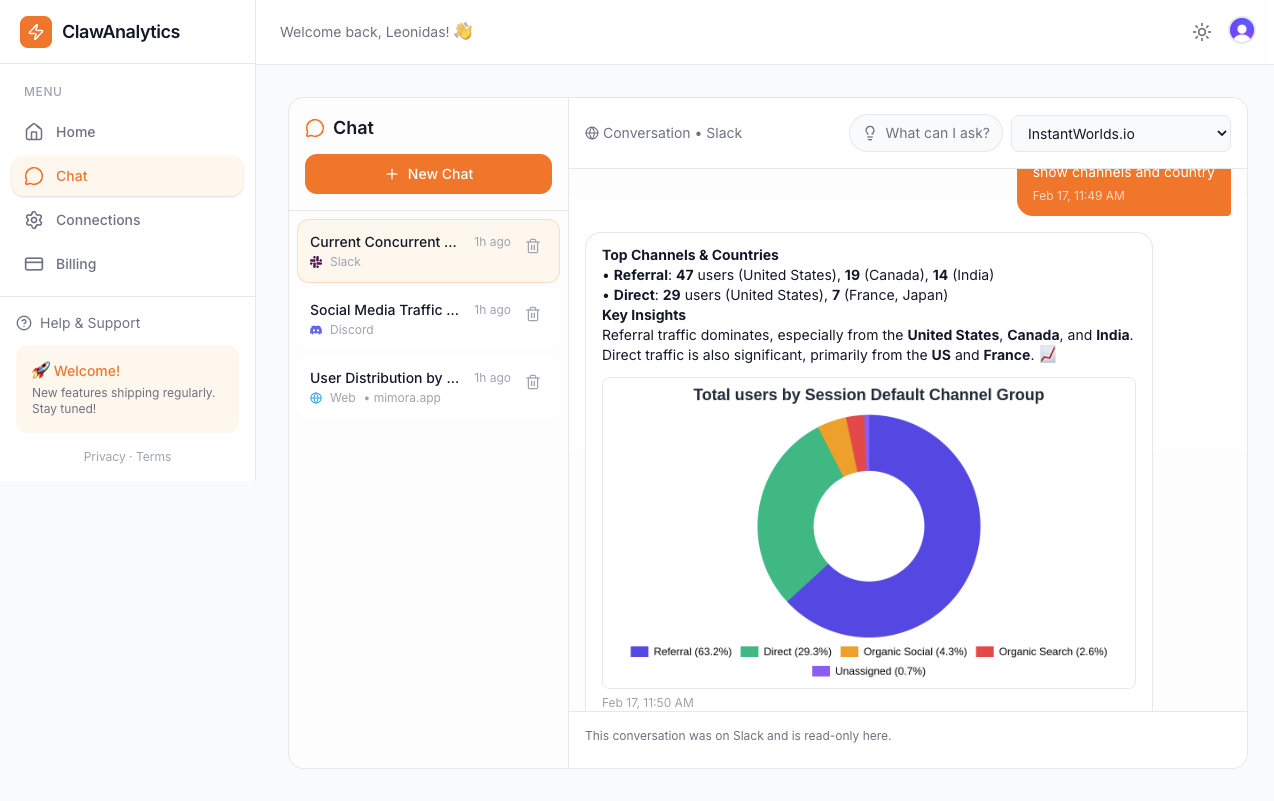
ClawAnalytics simplifies 404 tracking for landscaping businesses. You get a clean view of all broken links without the complexity of GA4.
For example, you might find that your “residential landscaping” page links to a “commercial services” page you removed. Or you might discover that old links in Google Business Profile posts go nowhere.
ClawAnalytics prioritizes by impact. You see which broken links drive the most lost traffic, so you fix those first.
You also get notified when new 404s appear. This matters during busy seasons when you might update your site frequently. Catch errors before they cost you spring and summer jobs.
Quick Wins
Create a helpful 404 page. When customers hit a dead end, show them your services, gallery, and a contact form. Give them a next step instead of a dead end.
Redirect old service pages. When you stop offering a service, redirect that URL to a similar active service. Do not just delete and disappear.
Check links after redesigns. Any time you update your website, click through every page to ensure nothing broke.
Try ClawAnalytics today. Visit ClawAnalytics.com to automatically monitor your 404 errors. Never lose a landscaping lead to a broken page.