Your cleaning business is running ads on Google and Facebook. You are getting calls. Some turn into one-time deep cleans, others become weekly or monthly clients. But you have no idea which ads bring the clients who stick around.
This gap costs you money. You might be spending heavily on ads that bring cheap one-time jobs while missing the ads that attract valuable recurring clients. Ad revenue tracking closes this gap.
Why Ad Revenue Matters for Cleaning Services
The cleaning industry has unique dynamics. A one-time move-out clean might pay $300. A recurring weekly client might pay $600 over six months. Same ad spend, very different outcomes.
Tracking ad revenue reveals which campaigns bring high-value clients. If your Facebook ad for “move-out cleaning” brings 10 clients at $250 each, that is $2,500. But your Google ad for “weekly house cleaning” brings 5 clients at $100 monthly each, that is $3,000 in just six months. Revenue data makes this visible.
It also helps you understand which services to promote. Maybe your window cleaning ads perform poorly, but your carpet cleaning ads bring consistent money. You can shift budget accordingly.
Ad revenue also improves your forecasting. When you know average revenue per client from each channel, you can predict income more accurately. This helps with staffing and scheduling.
Finally, it reveals client quality patterns. You might discover that clients from Instagram ads tend to book recurring services, while clients from Google Ads prefer one-time jobs. This shapes your targeting.
How to Check in GA4
Setting up revenue tracking in Google Analytics 4 requires a few steps:
First, enable ecommerce in your GA4 property. Go to Admin, select Data Streams, then your web stream. Turn on ecommerce tracking. This allows GA4 to capture transaction data.
Second, link your Google Ads account. In GA4, navigate to product links, then Google Ads links. Connect your account and enable attribution reporting. This ties ad clicks to actual revenue.
Third, create distinct conversion events for each cleaning service. Set up events for “one-time-clean”, “weekly-cleaning-subscription”, and “monthly-cleaning-subscription”. This细分 breaks down revenue by service type.
Fourth, build a report in GA4 Explore. Create a free form report with Campaign as a dimension and Revenue as the metric. Group by conversion type to see which campaigns bring recurring clients.
The Easier Way
Many cleaning business owners skip GA4 setup because it feels too technical. ClawAnalytics offers a simpler path.
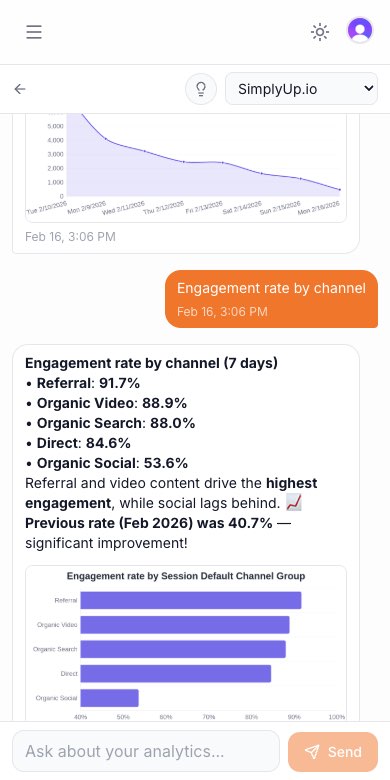
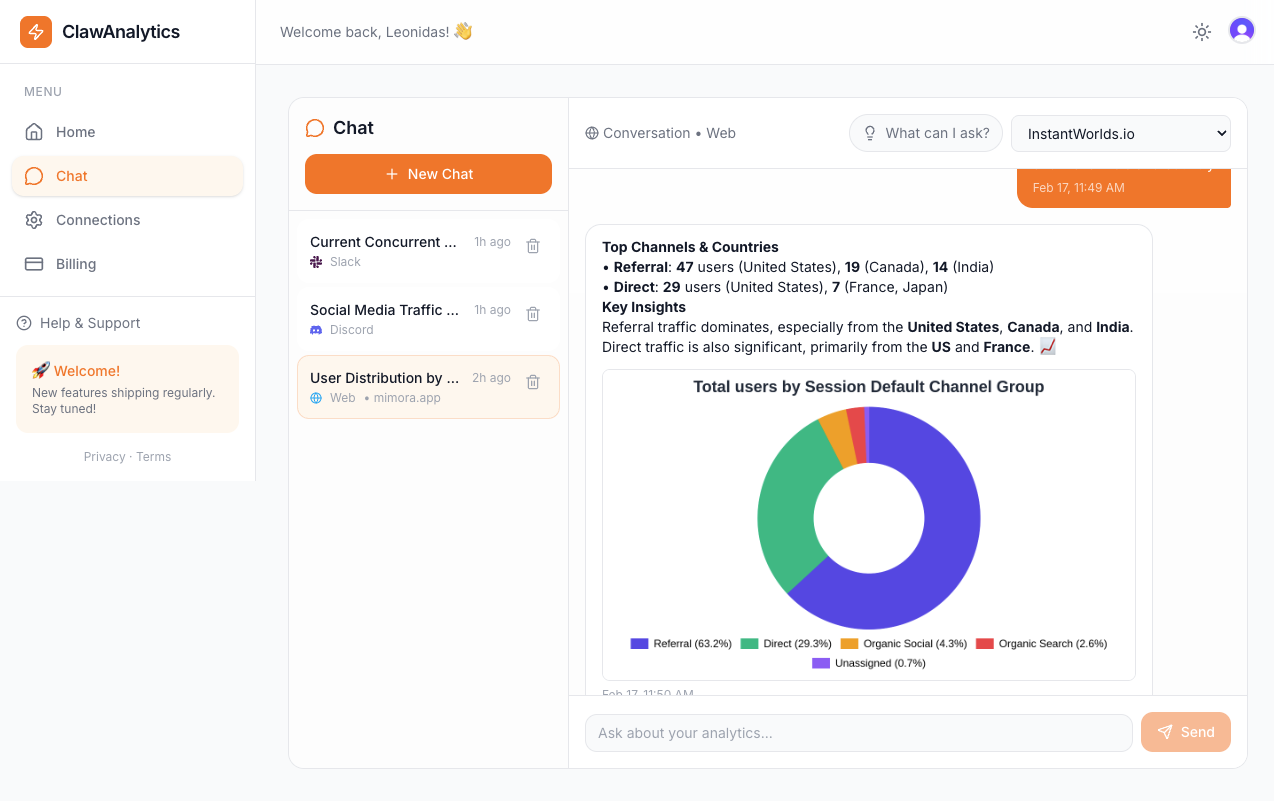
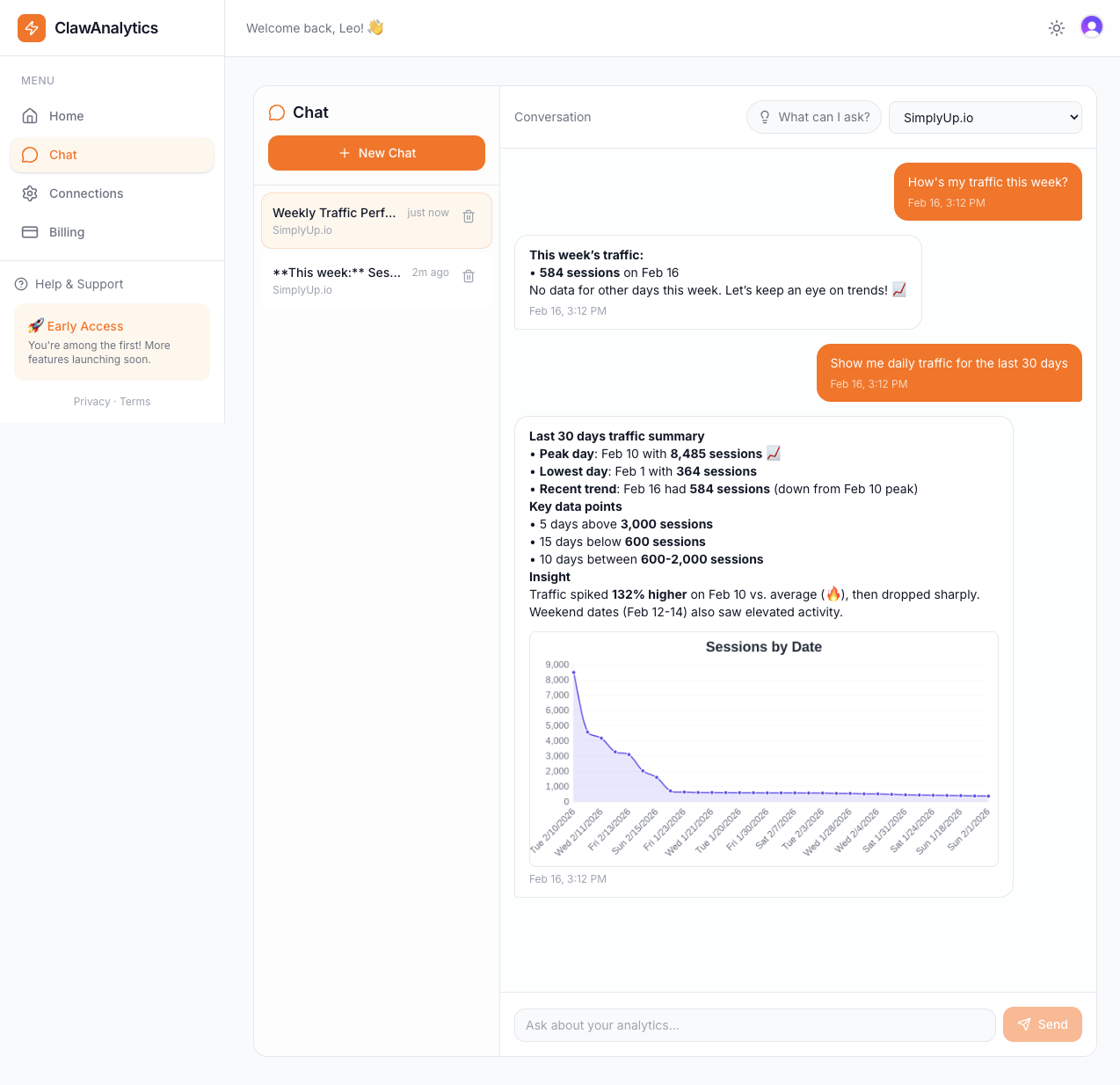
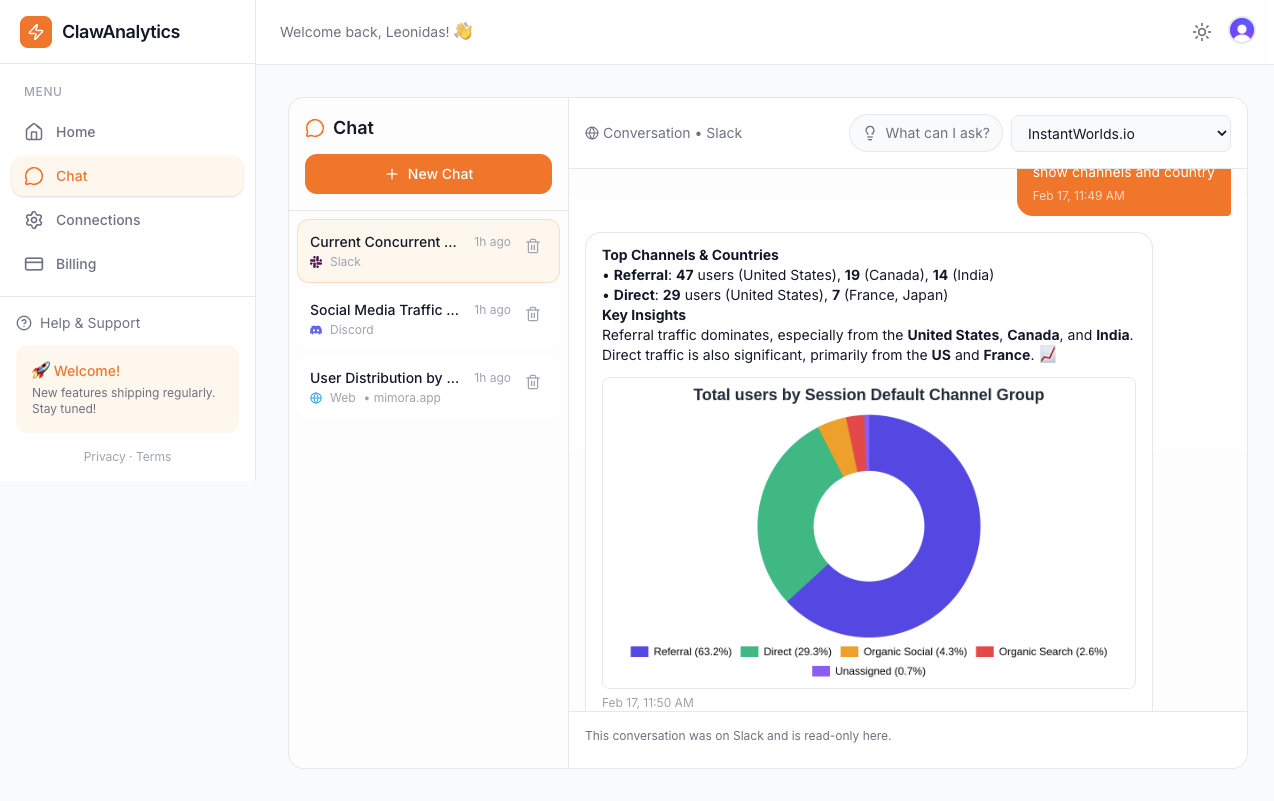
You might ask: “Which ads brought my most valuable clients last quarter?” ClawAnalytics identifies these instantly. Or: “Are my recurring clients coming from specific campaigns?” The answer appears without building reports.
Another helpful question: “What is the lifetime value of clients from my Facebook ads versus Google Ads?” ClawAnalytics calculates this automatically. You see exactly which channel attracts clients who stay and spend more.
The platform connects to your booking system and ad accounts, combining data into clear insights. You get the answers you need without complex setup or manual calculations.
Quick Wins
Implement these three steps this week:
-
Label your booking types. Tag each conversion with the cleaning type (one-time, weekly, monthly). This takes minimal effort but enables detailed revenue analysis.
-
Compare campaign performance. Pull revenue data from your top three ad campaigns. Look beyond clicks and calls to see actual money generated.
-
Identify your best client source. Determine which channel brings clients who book recurring services. Shift your ad budget toward that source.