You run a clothing store and started advertising on Instagram, Facebook, and Google. You boosted posts, ran shopping ads, and tried search ads. People are clicking. But are they buying? You spent $500 on ads last month and have no idea if you made any money from it. Ad revenue tracking solves this problem.
Why Ad Revenue Matters for Clothing Stores
Fashion retail is fast-paced and competitive. Here is why tracking matters:
You see which ads actually sell clothes. Likes and comments feel good, but they do not pay the bills. Ad revenue tracking shows you which ads turn browsers into buyers.
You understand your customer acquisition cost. If you spend $20 to bring in a customer who spends $80, you are making money. If it costs you $50 to bring in a $40 shopper, you are losing money.
You optimize seasonal campaigns. Clothing retail depends on seasons. Knowing which ads work during back-to-school or holiday sales helps you plan better.
You test new products effectively. When you launch a new clothing line, ad revenue tracking tells you immediately if your marketing is hitting the mark.
How to Check in GA4
GA4 can track your clothing store ad revenue with proper setup:
First, set up enhanced measurement on your e-commerce website to automatically track product views, adds to cart, and purchases.
Second, link your Google Ads and Meta (Facebook/Instagram) ad accounts in GA4 Admin settings.
Third, make sure your purchase conversion events have monetary values assigned. Use your average order value or set up dynamic values based on actual purchase amounts.
Fourth, check the Advertising section in GA4. Look at the Campaigns report to see which ads generate the most revenue.
You can also use the Ecommerce reports to analyze shopping behavior and conversion paths.
The Easier Way
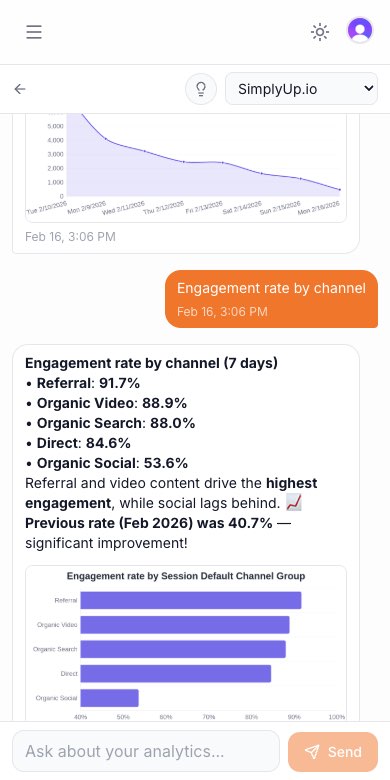
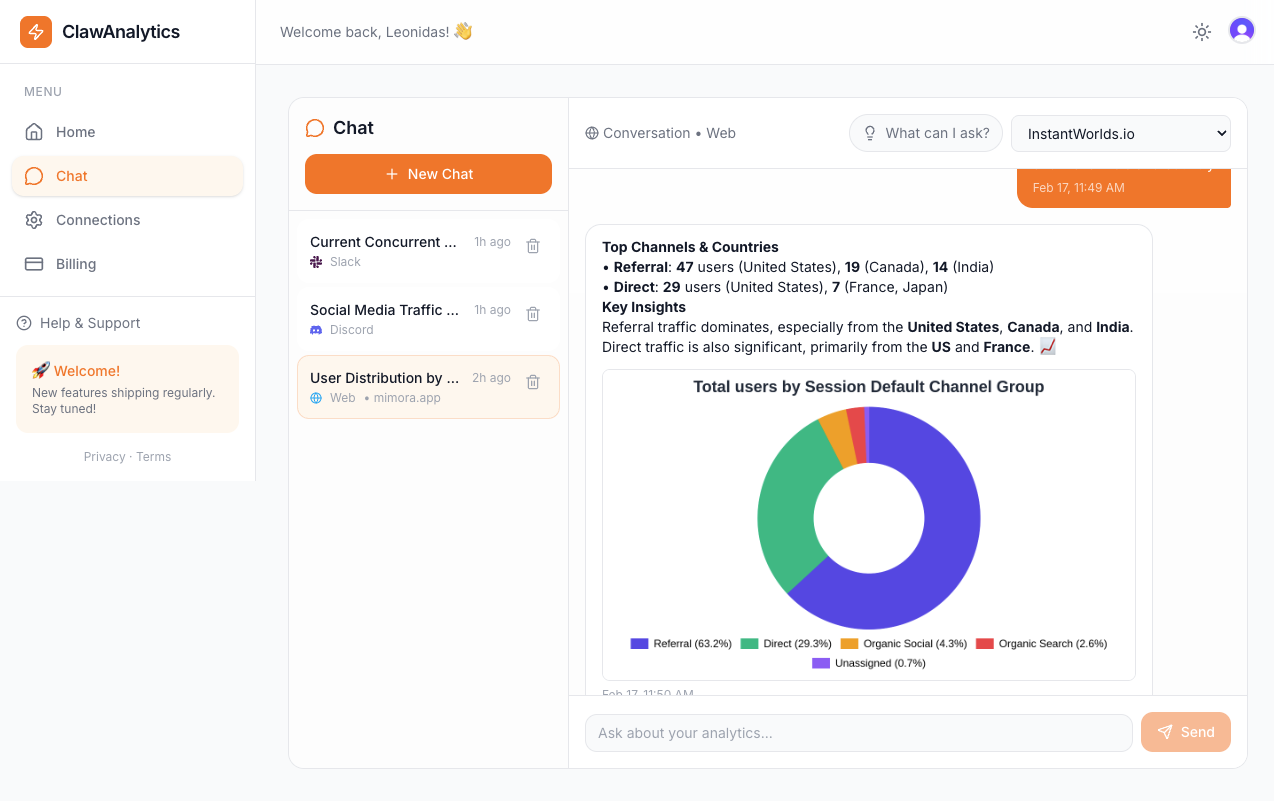
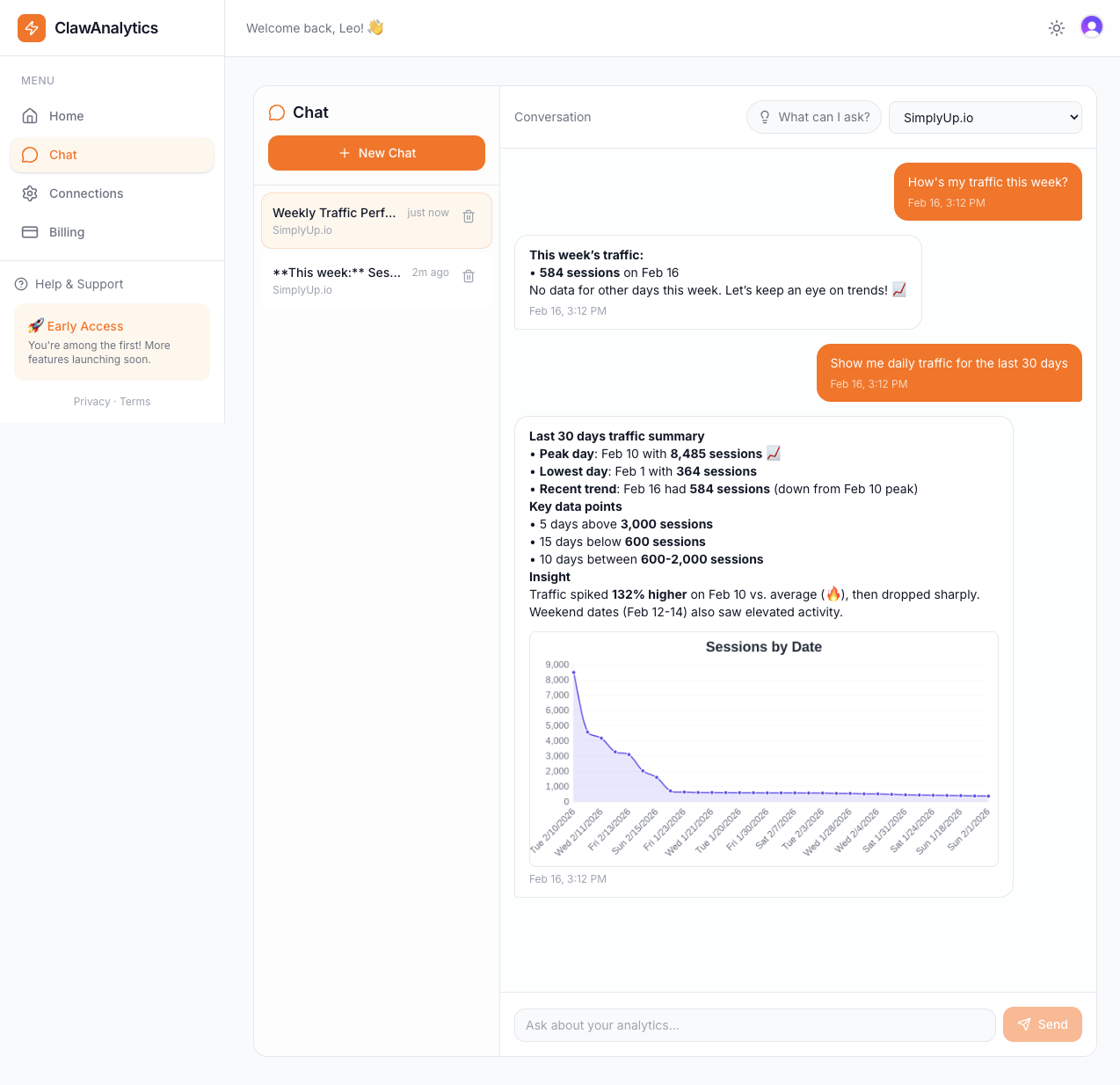
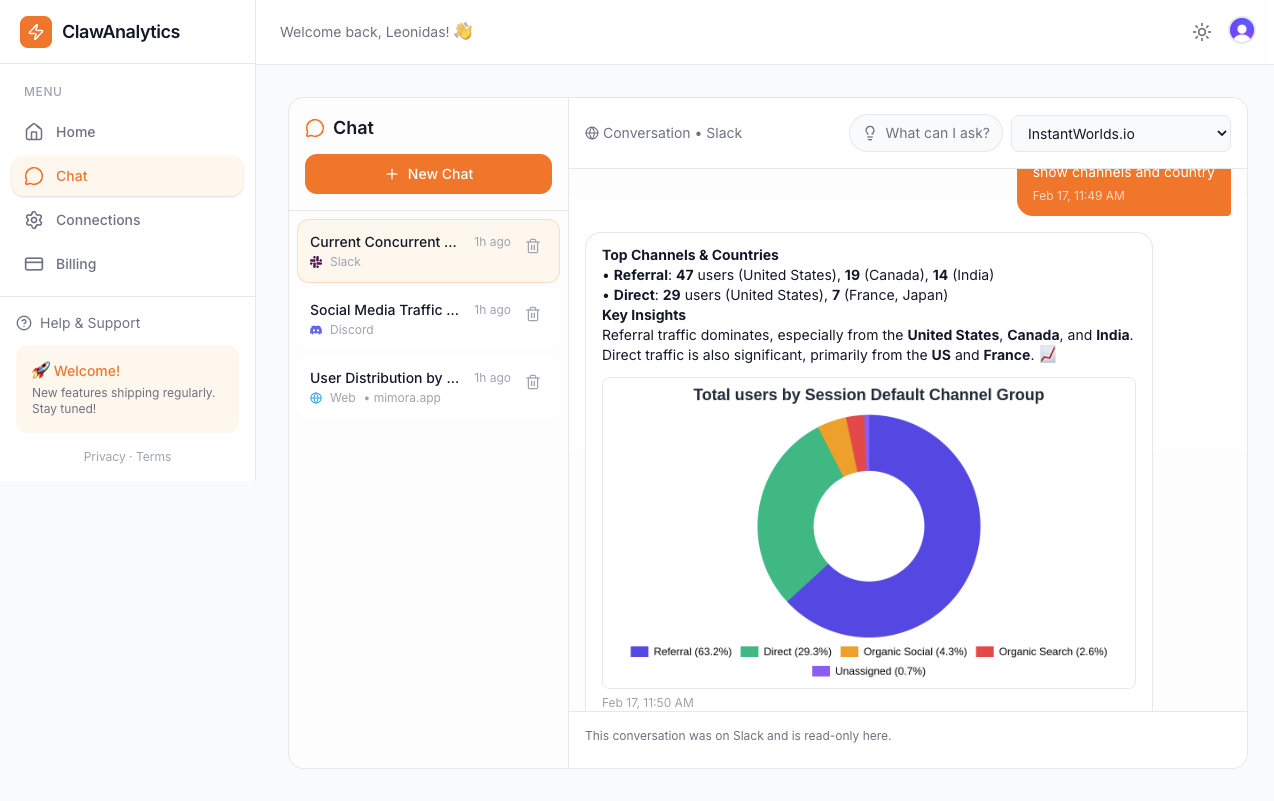
ClawAnalytics makes clothing store ad tracking straightforward.
Example questions ClawAnalytics answers:
- Which Instagram shopping ads are generating the most sales?
- What is my return on ad spend for each campaign?
- Are my Google Shopping ads bringing in higher-value customers than Facebook?
You get clear answers about which ads work, without needing to be an analytics expert.
Quick Wins
Start tracking your clothing store ad revenue:
Set up e-commerce tracking. Make sure your website tracks purchases, add to carts, and checkout starts.
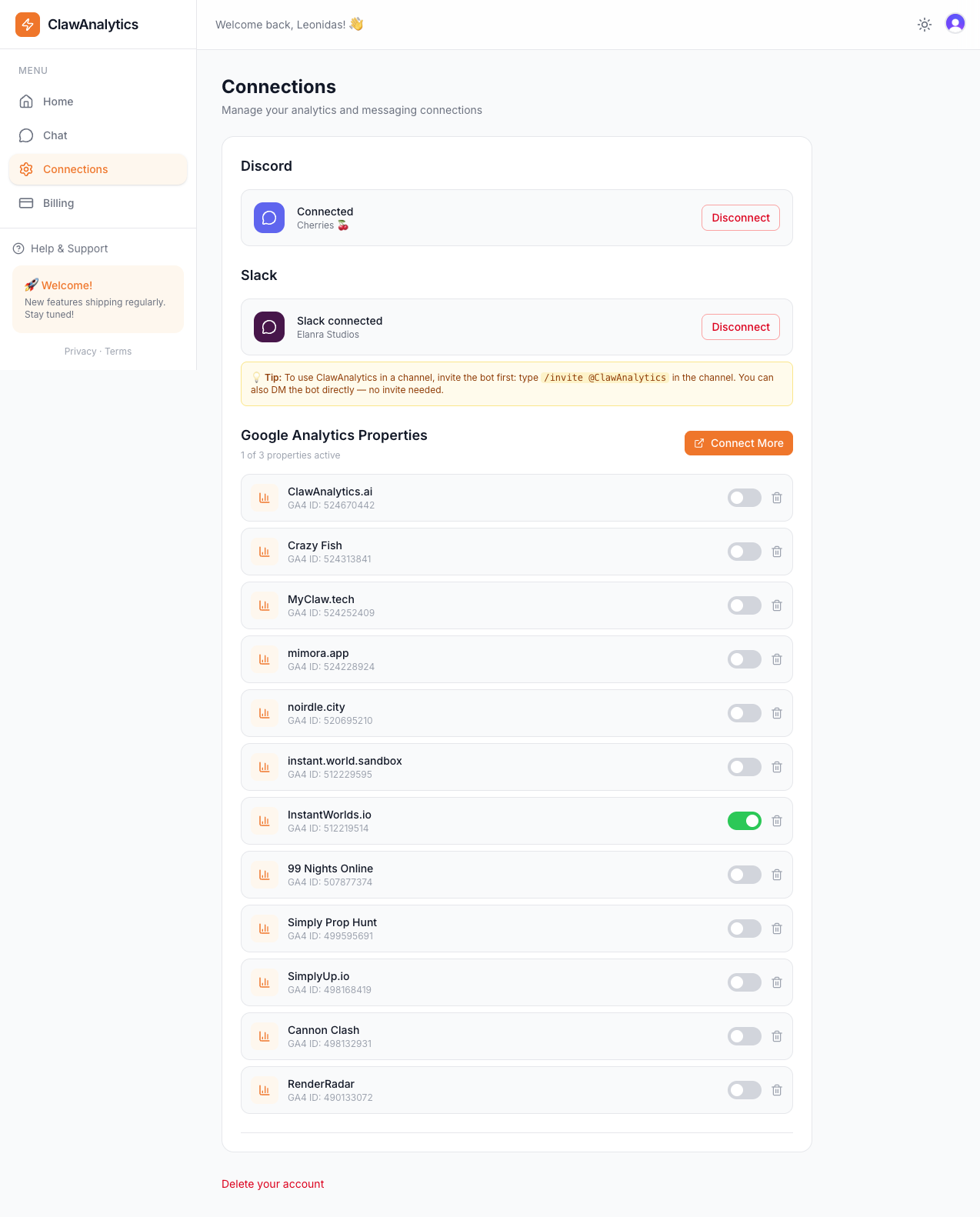
Connect all ad platforms. Link Google, Facebook, and Instagram to see everything in one place.
Use accurate conversion values. Dynamic values based on actual purchases give you the most accurate ROI.
Review weekly during campaigns. Check your numbers regularly to optimize quickly.
Test one change at a time. Change only one element in your ads, then measure results.
When you track ad revenue, your clothing store marketing becomes a measurable system that consistently drives sales.