How to Track Ad Revenue for Dentists
You just spent $2,000 on Google Ads for your dental practice, and three new patients booked appointments this month. Is that good? Without tracking ad revenue, you have no idea if those three patients cover your ad spend or if you are losing money. The numbers matter, and here is how to get them.
Why Ad Revenue Matters for Dentists
Dentistry is competitive, especially in metropolitan areas where patients have dozens of options. Ad revenue tracking helps you stay profitable.
Understanding patient lifetime value is crucial. A new patient who needs fillings, a cleaning, and eventually crowns might be worth $3,000 over several years. Knowing this helps you justify higher acquisition costs. Ad revenue tracking also reveals which treatments drive the most profit. Cosmetic procedures like veneers and whitening often have higher margins than routine cleanings. You also spot seasonal patterns. Back-to-school season and January (when dental insurance resets) typically see surges that your ads can amplify. Finally, you stop guessing. Instead of hoping ads work, you see concrete numbers and make decisions based on data.
How to Check in GA4
Google Analytics 4 can track your dental ad revenue if you set it up the right way.
First, create a Google Ads connection in GA4. This imports your campaign data automatically. Then, define conversions that matter for your practice. These include appointment bookings, new patient form submissions, and phone calls from ads. Assign values based on average patient revenue. A new patient might be worth $500 in first-year revenue.
Build a report that shows revenue by campaign. Go to “Monetization” in GA4, select “Publisher ads,” and break down by your ad campaigns. Look for patterns: are certain keywords or ad groups consistently driving revenue?
The catch is that GA4 attribution can be confusing. A patient might see your ad, search for you later, and book. GA4 credits that differently depending on your attribution settings. Review your attribution model and make sure it aligns with how patients actually find you.
The Easier Way
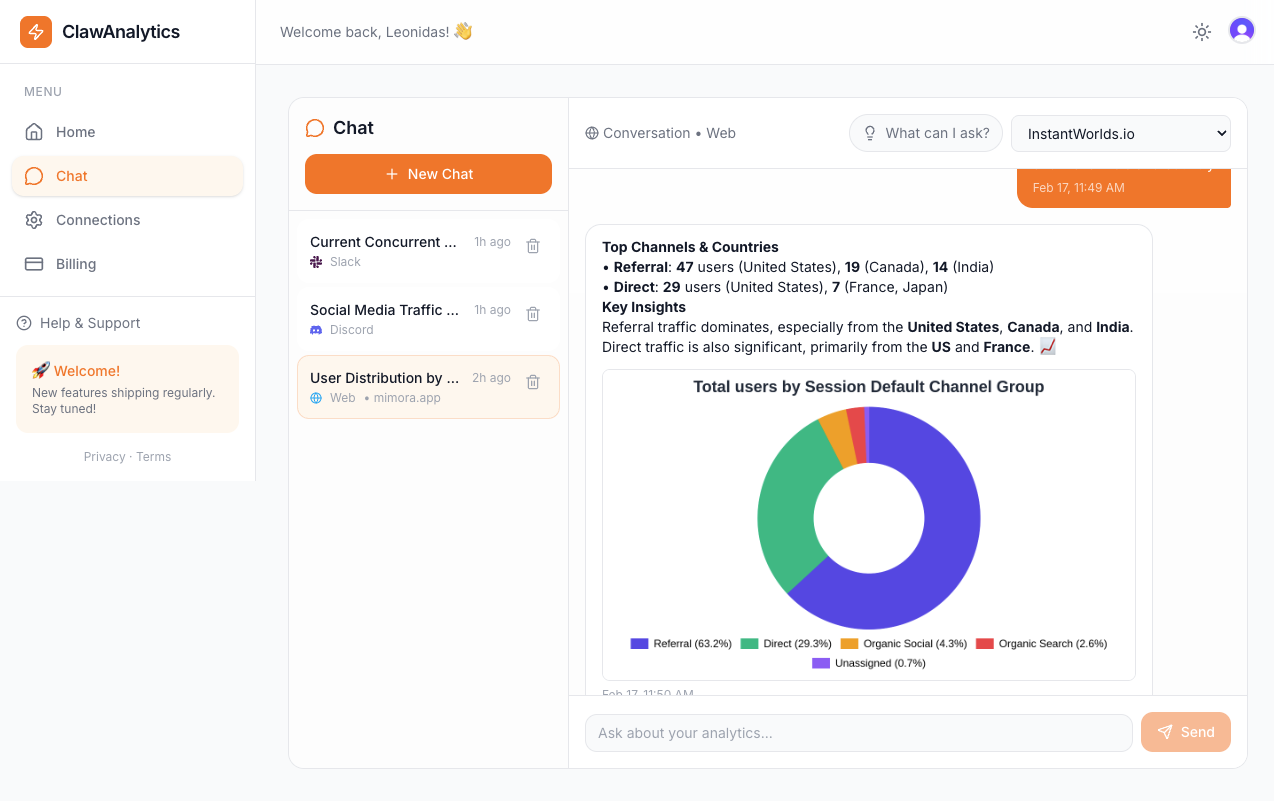
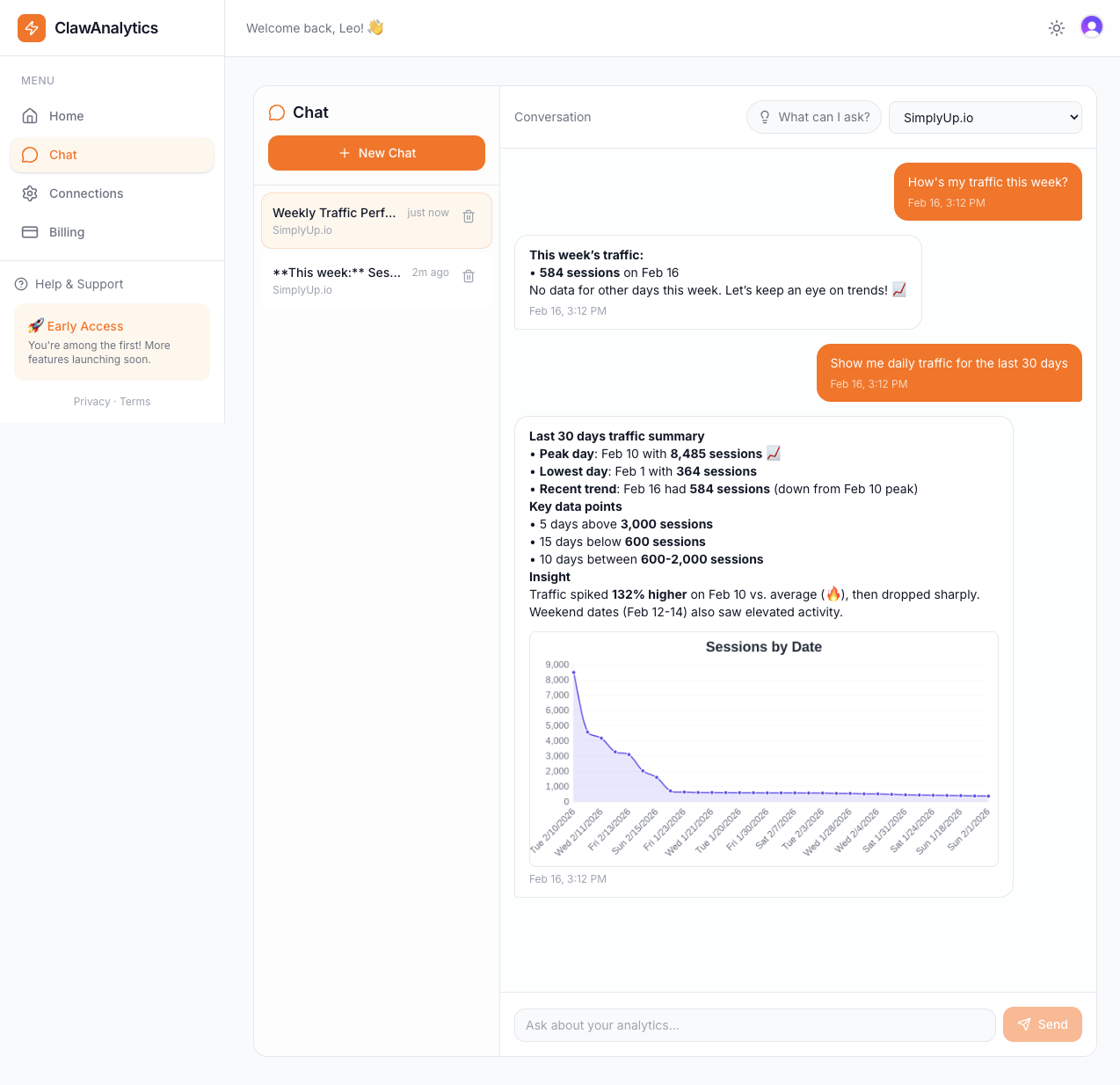
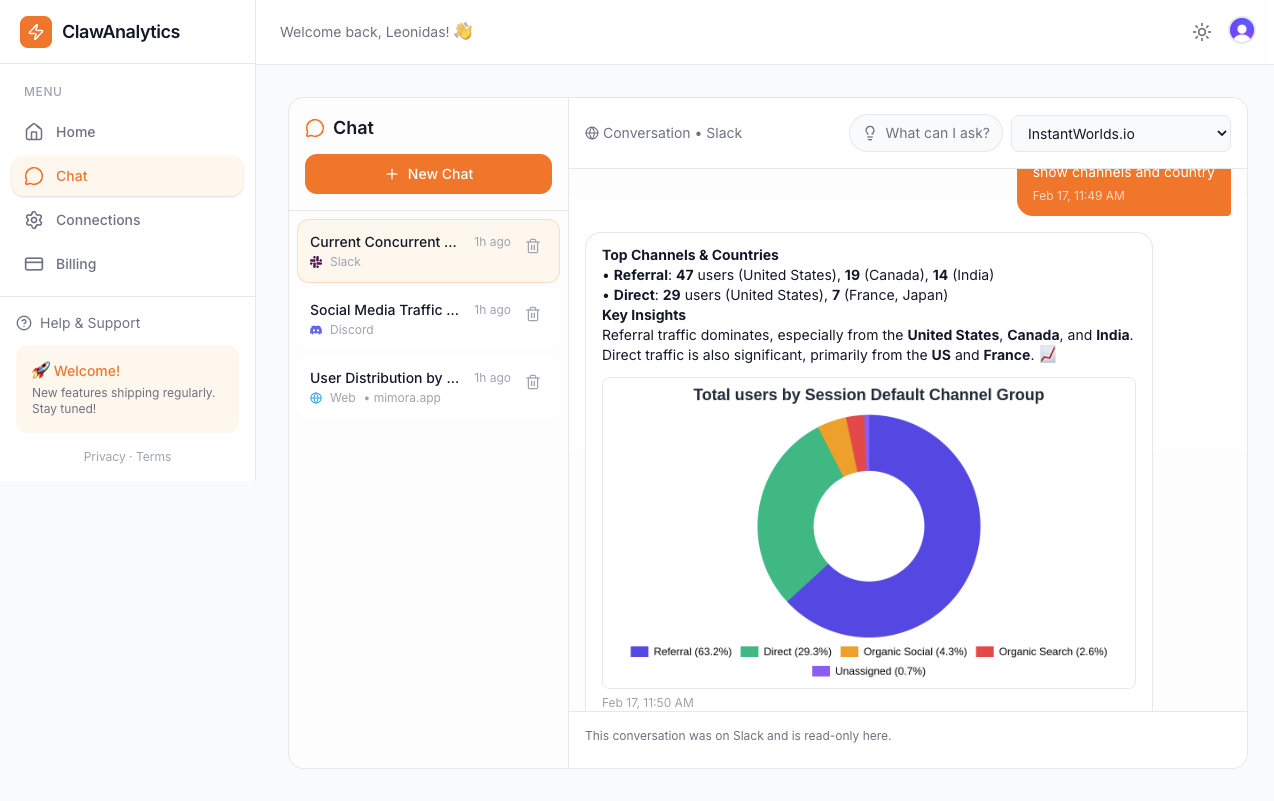
ClawAnalytics simplifies all of this. Instead of configuring complex GA4 reports, you log in and see exactly which dental marketing campaigns bring in patients and revenue.
ClawAnalytics answers questions like: “Which Google Ads campaign brought in the most new patients this quarter?” or “Are our Facebook ads for teeth whitening generating more revenue than our general practice ads?” The data is ready to read, not buried in dashboards.
For a busy dentist, this means less time wrestling with analytics and more time treating patients.
Quick Wins
Three immediate steps to improve your dental ad tracking.
Add conversion tracking to your booking system. Whether you use Dentrix, Open Dental, or another platform, most integrate with Google Ads conversion tracking. Get this set up first.
Use specific landing pages for each campaign. Create a page for “emergency dental near you” and another for “cosmetic dentistry consultation.” This lets you track exactly which ad drove which patient.
Check your numbers every two weeks. Dental practices should monitor ad revenue biweekly to catch problems fast. If a campaign is losing money, you want to know in two weeks, not two months.