You are an electrician running ads for residential service, commercial work, panel upgrades, and EV charger installation. You are getting leads from all directions. But you cannot answer a fundamental question: which ads actually bring money into your business?
This uncertainty leads to wasted ad spend. You might keep funding campaigns that generate many small jobs while neglecting those that bring fewer but larger projects. Ad revenue tracking solves this.
Why Ad Revenue Matters for Electricians
Electrical services vary enormously in value. A simple outlet repair might earn $100. A panel upgrade might bring $2,000. A commercial wiring project might be worth $50,000. The marketing cost is similar for each, but the revenue could not be more different.
Tracking ad revenue reveals the actual return on your marketing investment. Your Google Ads for “emergency electrician” might generate 30 calls, but if most are $150 service calls, that is $4,500 in revenue. Meanwhile, your LinkedIn ads for commercial electrical might bring 3 leads worth $15,000 each. Revenue data makes this visible.
It also helps you understand client type value. Commercial clients often bring larger projects but require more paperwork and longer payment cycles. Residential clients might be smaller but more frequent. Revenue tracking shows the true picture.
Ad revenue also informs equipment and training investments. If your data shows that EV charger installation ads bring high-value clients, investing in certified installers makes sense. The data guides business decisions.
Finally, it improves forecasting. When you know average revenue per client from each channel, you can predict income more accurately. This helps with cash flow management and hiring.
How to Check in GA4
Google Analytics 4 requires configuration to track revenue properly:
First, enable ecommerce tracking. In GA4 Admin, go to Data Streams, select your web stream, and turn on ecommerce. This lets GA4 capture transaction data.
Second, create conversion events for each service category. Set up distinct events for “residential-service”, “commercial-work”, “panel-upgrade”, and “ev-charger-install”. Each should capture actual revenue.
Third, link advertising platforms. Connect Google Ads, Facebook, LinkedIn, or any other platforms you use. In GA4, go to product links and enable each connection.
Fourth, build custom reports. Use GA4 Explore to create reports showing revenue by campaign and service type. This reveals which combinations generate the most money.
The Easier Way
GA4 setup feels overwhelming for many electricians. ClawAnalytics provides a simpler path.
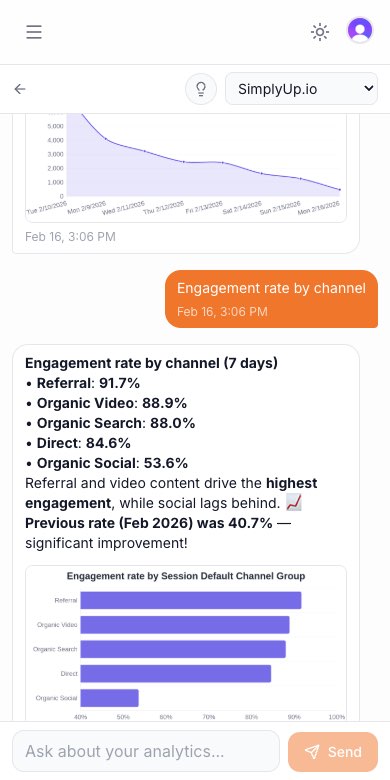
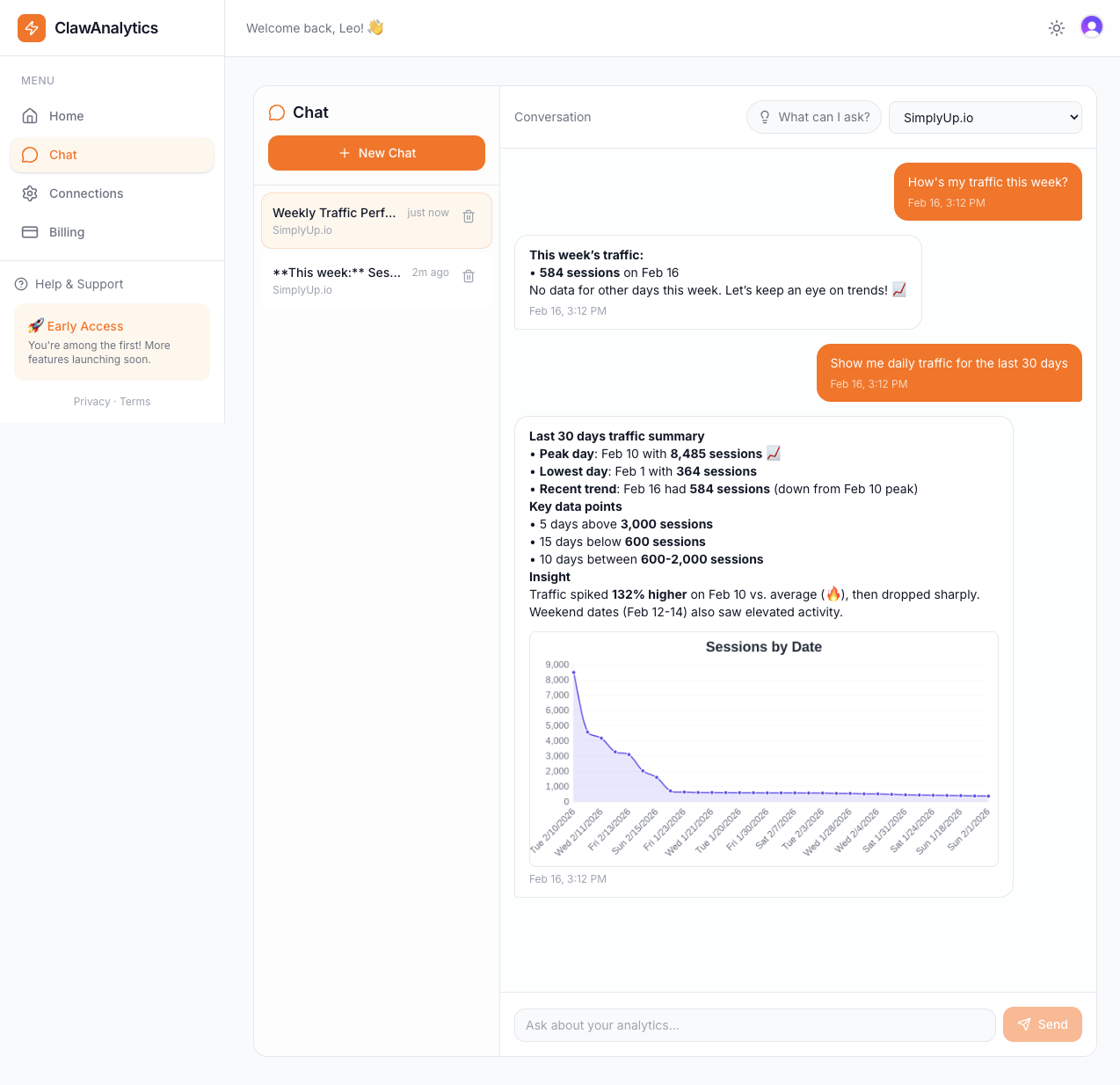
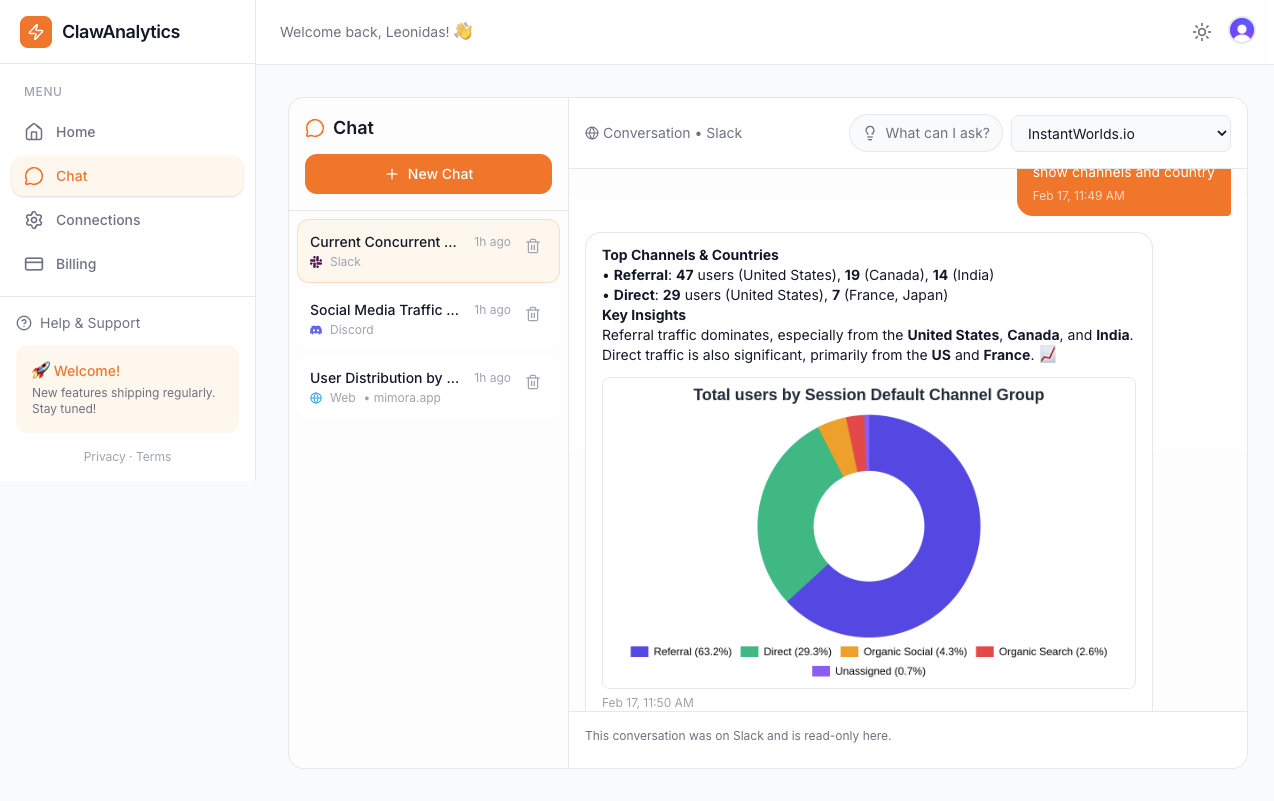
You might ask: “Which ads brought my highest-revenue commercial projects?” ClawAnalytics answers instantly. Or: “What is the average revenue per job from my residential ads versus commercial ads?” The platform calculates this automatically.
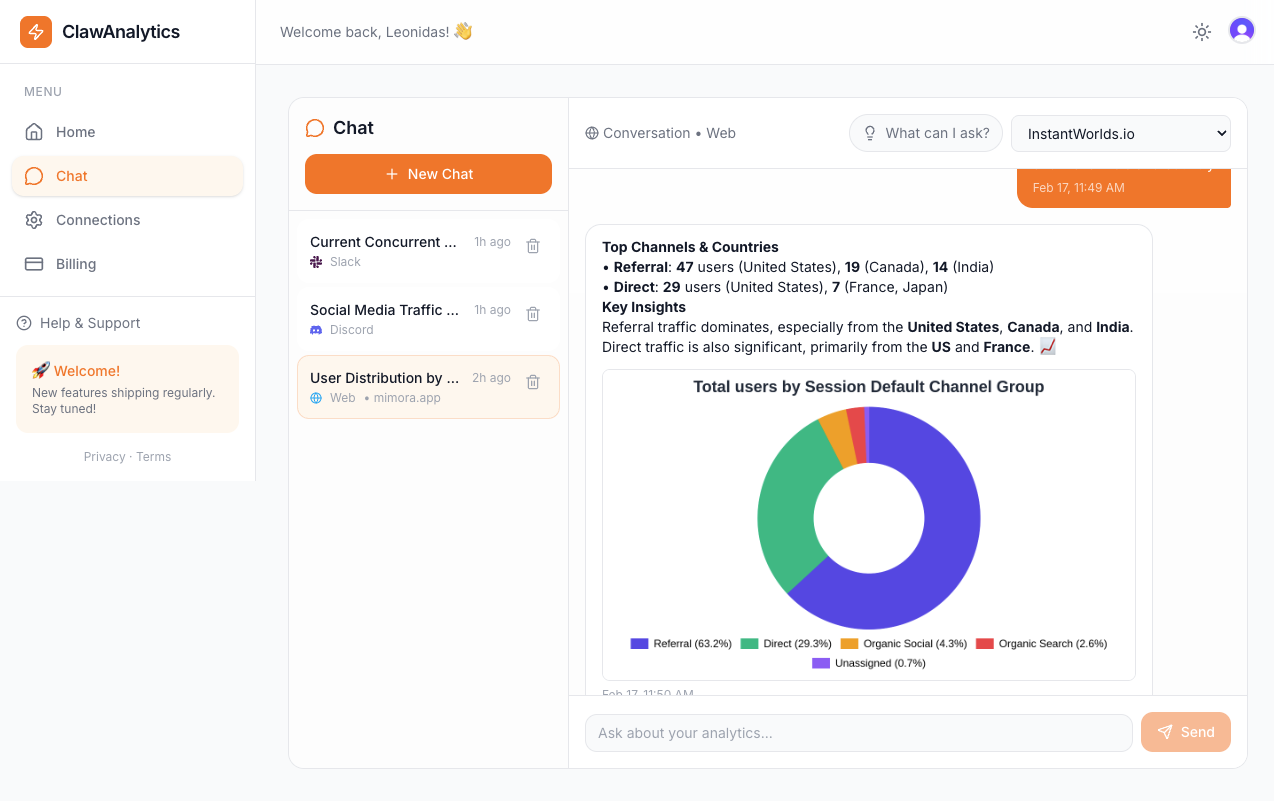
Another helpful question: “Which ad platform generates the most profitable electrical work?” ClawAnalytics compares channels without requiring manual report building.
The platform integrates with your job management system and ad accounts. You get clear revenue insights without technical configuration. This saves time and improves marketing decisions.
Quick Wins
Implement these three actions this week:
-
Tag your job types. Create distinct conversion labels for each electrical service category. This enables detailed revenue analysis.
-
Compare campaign revenue. Pull revenue data from your top ad campaigns. Calculate average revenue per lead for each.
-
Focus your budget. Shift ad spend toward campaigns that show higher revenue per conversion. Track results over the next month.