Your tutoring business advertises. Maybe it’s a Google search ad for “SAT tutoring near me” or a Facebook promotion for math help. But how do you know which ads actually bring in students?
Ad revenue tracking shows you exactly what’s working.
Why Ad Revenue Matters for Tutoring
You see which subjects draw students. Math tutoring might be popular, but are those ads bringing in more revenue than SAT prep? The data tells you.
You optimize for student retention. Some ads bring students who book a few sessions. Others bring families who sign up for ongoing tutoring. Revenue tracking helps you find sustainable sources.
You budget more effectively. When you know which marketing channels generate the most revenue, you can invest confidently in what’s working.
You measure seasonal campaigns. Back-to-school and test prep seasons are peak times. Tracking ad revenue helps you understand which promotions perform best during these periods.
How to Check in GA4
Connect your booking platform or student management system to GA4. Many tutoring platforms integrate with Google Analytics, or you can use Google Tag Manager to set up custom conversions.
Here’s your workflow:
- In GA4, go to Monetization > Ads Revenue.
- Break down by Session source/medium to see which channels perform best.
- Create custom reports for different subjects or grade levels.
- Use Conversion paths to see how many touchpoints a family sees before booking.
The challenge is connecting the initial ad click to the eventual booking, especially for longer consideration cycles.
The Easier Way
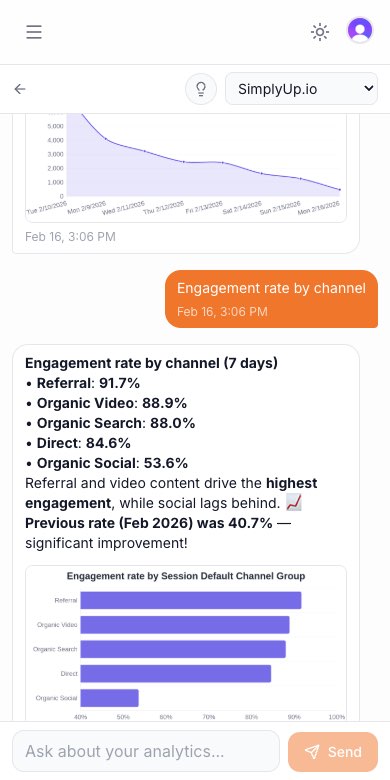
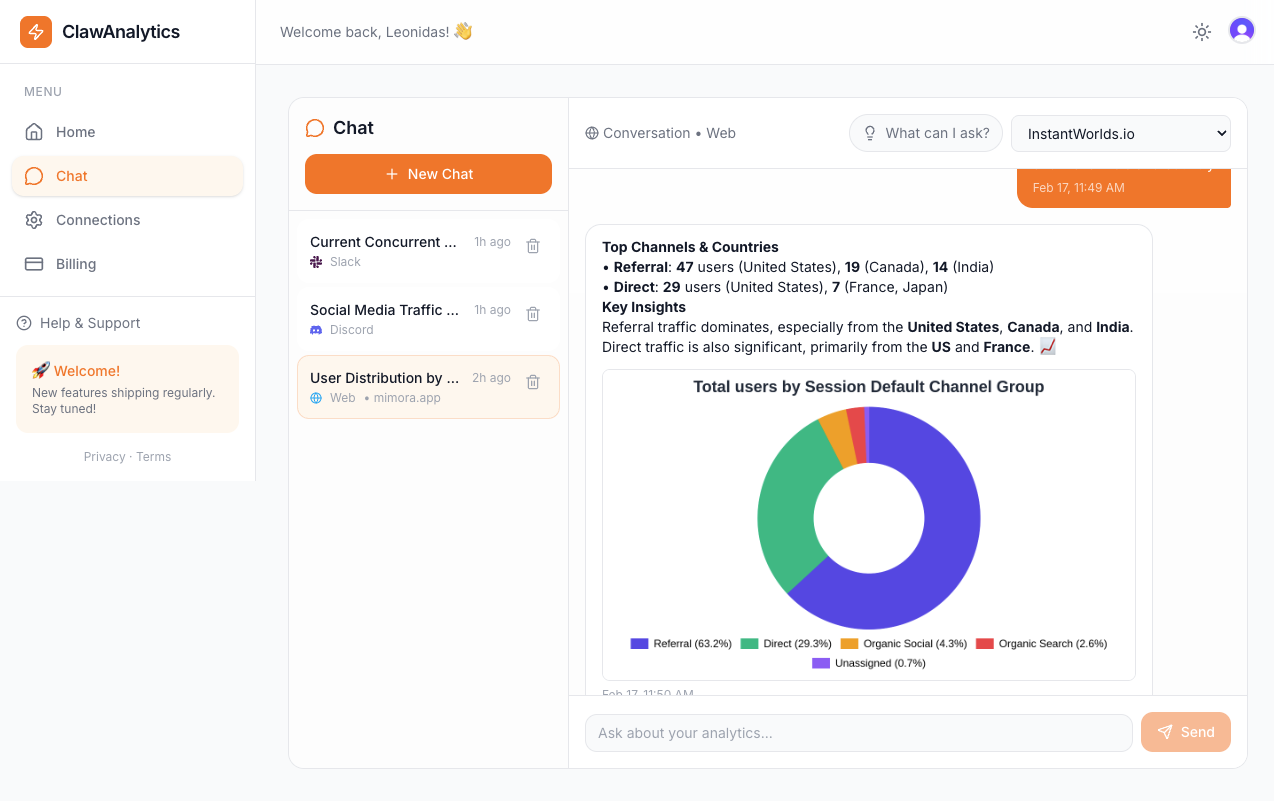
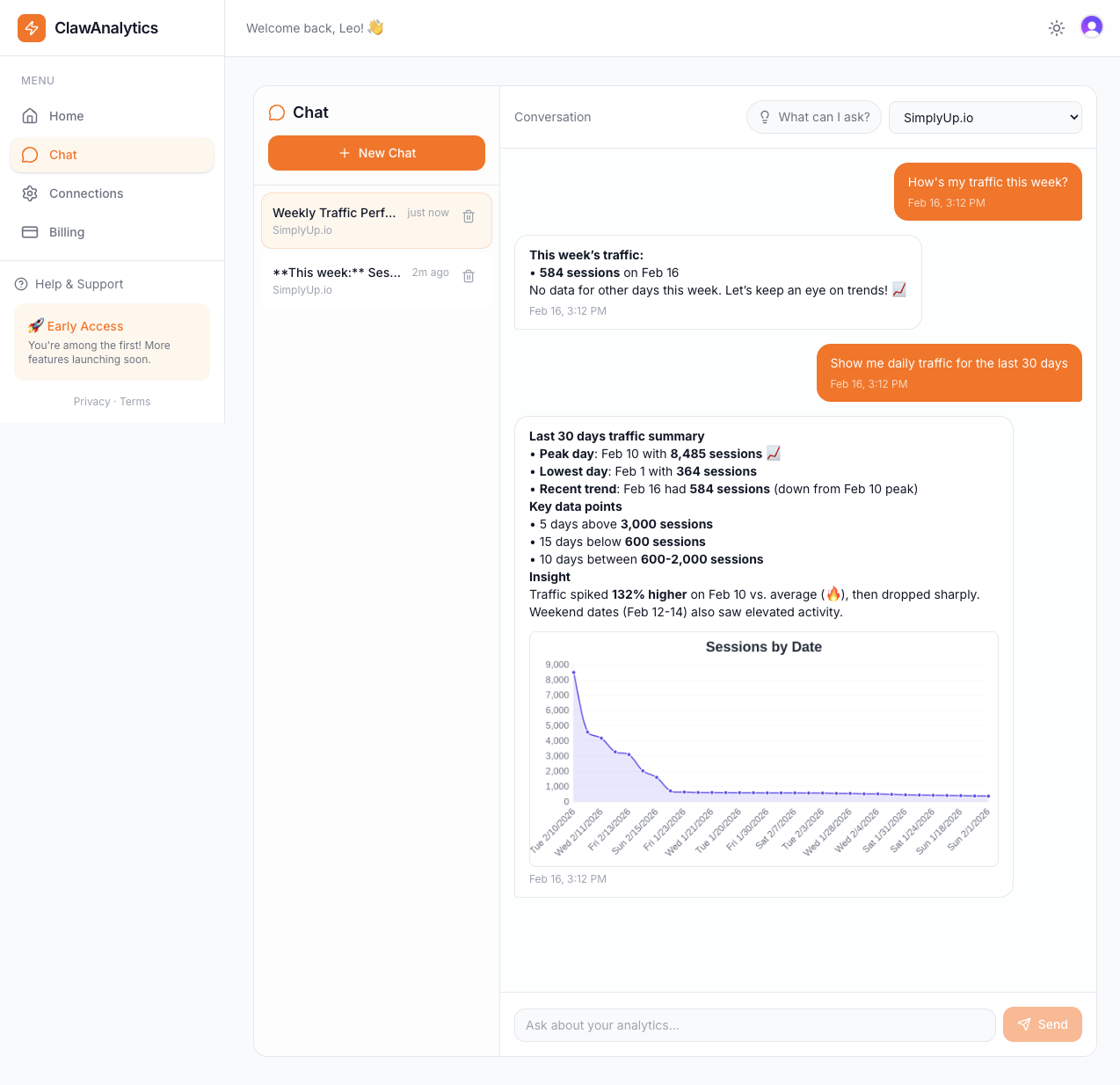
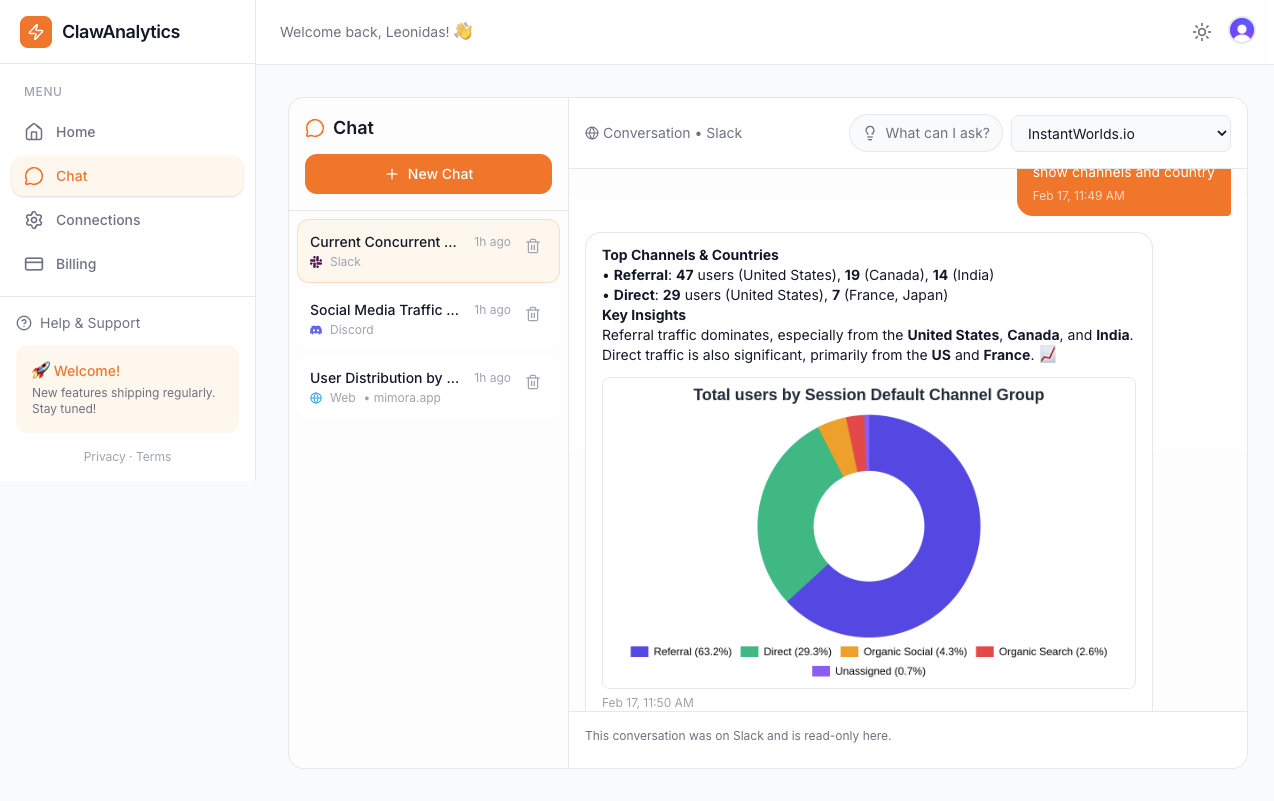
ClawAnalytics simplifies tracking for tutoring businesses. You get answers to:
- “Which neighborhood’s ads bring in students who book the most sessions?”
- “Are my subject-specific ads beating my general tutoring promotions?”
- “Do my test prep ads bring in more revenue than my math help campaigns?”
Clear insights that help you grow your tutoring business without data complexity.
Quick Wins
Tag every marketing campaign. Whether it’s a local school flyer or a Google Ads campaign, use UTM parameters to track sources.
Separate subjects and grade levels. Tracking math tutoring separately from SAT prep reveals different audience behaviors.
Track both new and returning students. Some ads are better for acquisition, others for retention. Both matter.
Review monthly. Tutoring often follows school semesters. Monthly reviews help you adjust for seasonal patterns.