How to Track Ad Revenue for Wedding Planners
You are a wedding planner. You spend money on ads. Maybe it is Instagram, Pinterest, Google, or all three. You get inquiries. Some become clients. But are your ads actually making money? Without tracking ad revenue, you are just hoping. And hoping with your advertising budget is not a strategy.
Why Ad Revenue Matters for Wedding Planners
Wedding planning generates significant revenue per client. A full-service wedding planner might earn $5,000 to $15,000 per wedding. Even coordination services might bring $2,000 to $4,000. This makes every conversion valuable, and understanding which ads bring in those conversions essential.
Ad revenue tracking tells you which services are most profitable to advertise. Full planning might generate $10,000 per client, while referral-only coordination generates $2,000. If your ads cost the same for both, you need to know which is worth your money.
You also learn which platforms bring your ideal clients. A Pinterest ad might attract couples planning rustic barn weddings. A Google ad might bring luxury wedding clients. Revenue tracking reveals these patterns.
Understanding client acquisition cost matters. If you spend $500 to acquire a client who pays $8,000, that is excellent. If you spend $500 to acquire a client who books a $2,000 coordination package, you need to reconsider your targeting.
How to Check in GA4
GA4 tracks wedding planner ad revenue when configured correctly.
Define your key conversions. These include consultation requests, contract sign-ups, and referral fee tracking. Assign values based on average revenue. A full planning contract might be worth $8,000. A coordination package might be $2,500.
Connect your Google Ads, Meta (Facebook/Instagram), and Pinterest Ads accounts to GA4. Create conversion events for consultation requests and bookings.
Build reports in GA4 that show revenue by campaign. Look at “Monetization” and explore conversion reports. Group by campaign to see which ads generate the most revenue.
The challenge for wedding planners is the long sales cycle. Couples plan weddings 12 to 18 months in advance. Someone might see an ad today and book 14 months later. Your attribution settings need to reflect this long timeline.
The Easier Way
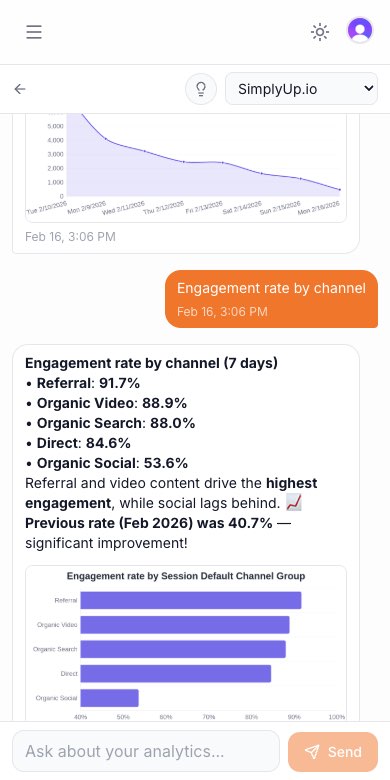
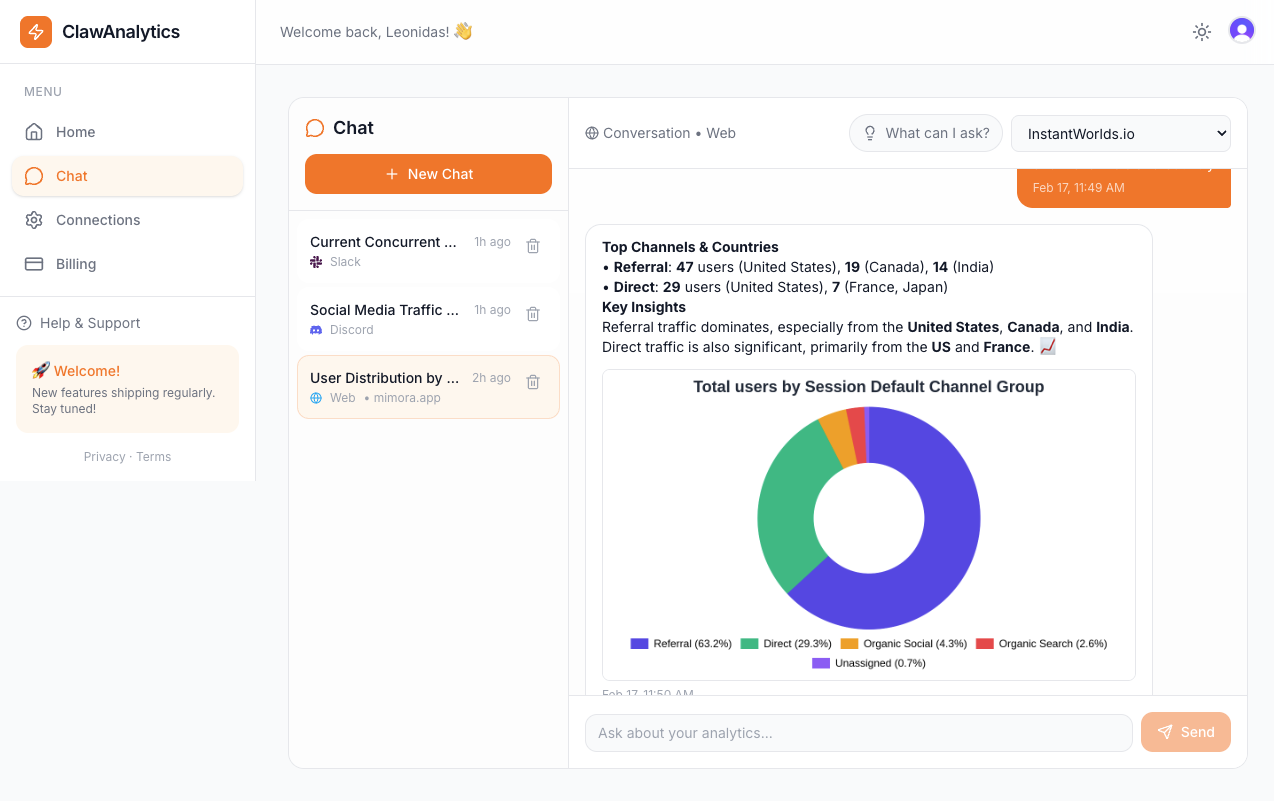
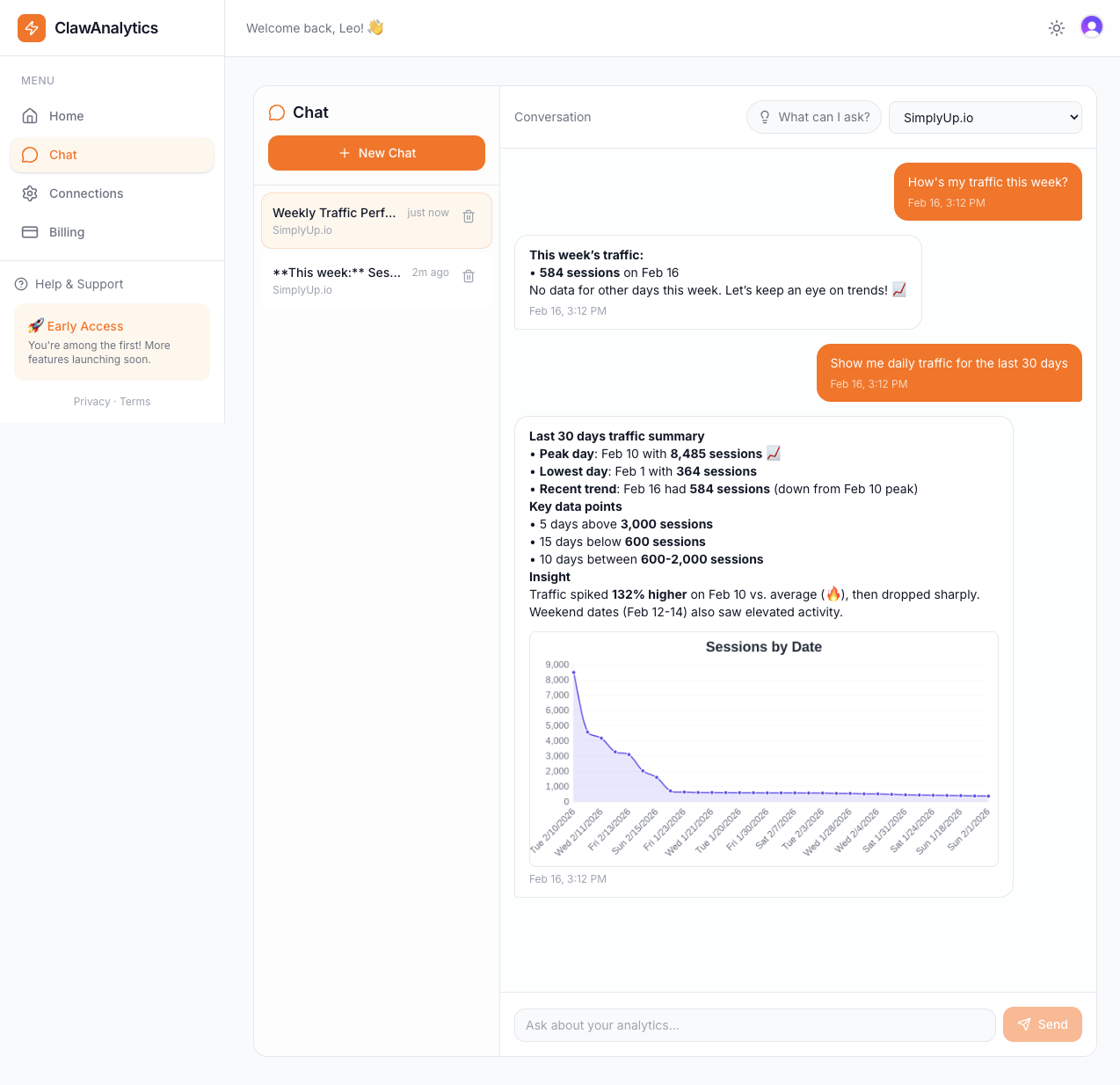
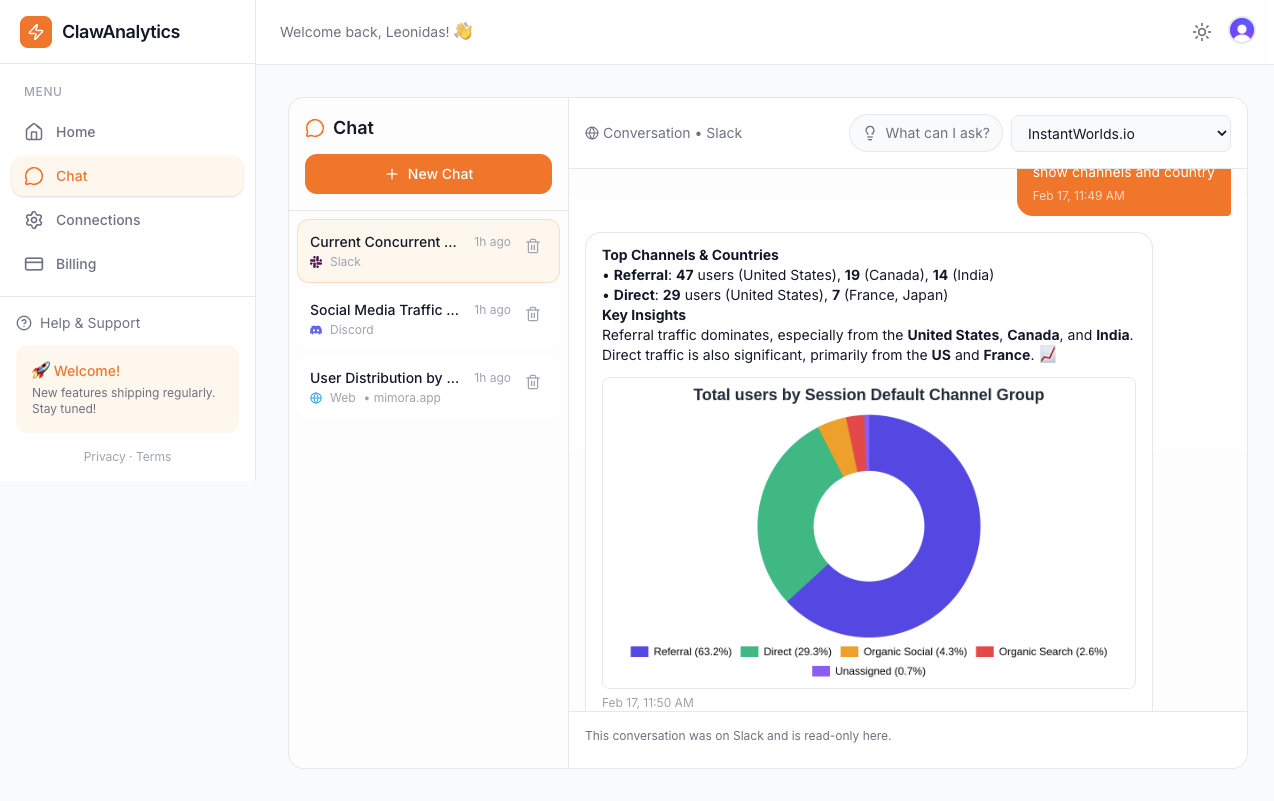
ClawAnalytics simplifies wedding planner ad tracking. It pulls data from all your marketing channels and shows you which campaigns bring in clients and revenue.
With ClawAnalytics, you can ask questions like: “Which Instagram campaign brought in the most full-planning clients this year?” or “Are our Pinterest ads generating more revenue than our Google search ads?” The answers are right there.
For wedding planners who are busy planning unforgettable days, analytics should not be a burden. ClawAnalytics handles the data so you can focus on your couples.
Quick Wins
Three actions to improve your wedding planner ad tracking today.
Set up conversion tracking on your inquiry and booking systems. Connect these to your ad platforms so every lead is tracked with its source.
Create separate landing pages for different services. A full planning page, a partial planning page, and a coordination page each get their own ads. This lets you track which service generates the most revenue.
Check your numbers monthly. Wedding planning involves long sales cycles, so weekly reviews may be too frequent. Monthly reviews let you see trends while adjusting for seasonality.