How to Track Audience Demographics for Florists
Imagine ordering 200 roses for Valentine’s Day only to discover your main customers prefer tulips. That’s money lost. Understanding your audience demographics prevents this exact problem.
Why Audience Demographics Matters for Florists
Know Your Peak Customers
- Age matters for arrangement style. Younger customers often want modern, minimalist bouquets. Older customers typically prefer traditional designs.
- Location drives delivery logistics. Urban customers may order online for same-day delivery. Rural customers might pick up in store.
- Income affects pricing tiers. Wealthier neighborhoods support premium pricing for specialty arrangements.
- Occasions dictate inventory. Demographics reveal whether you’re catering more to weddings, funerals, or corporate events.
How to Check in GA4
- Open GA4 and go to Reports
- Click on Demographics Overview
- View Age, Gender, and Location breakdowns
- Set a date range of at least 30 days
- Compare metrics like sessions, engagement rate, and conversions across demographics
Look for patterns. If women aged 35-54 convert at double the rate of other groups, that’s actionable insight.
The Easier Way
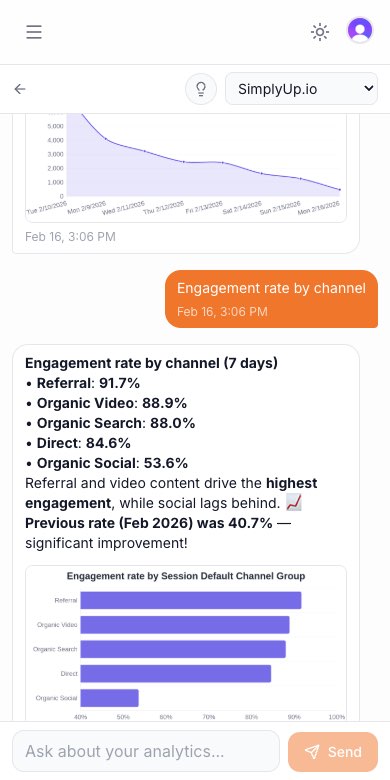
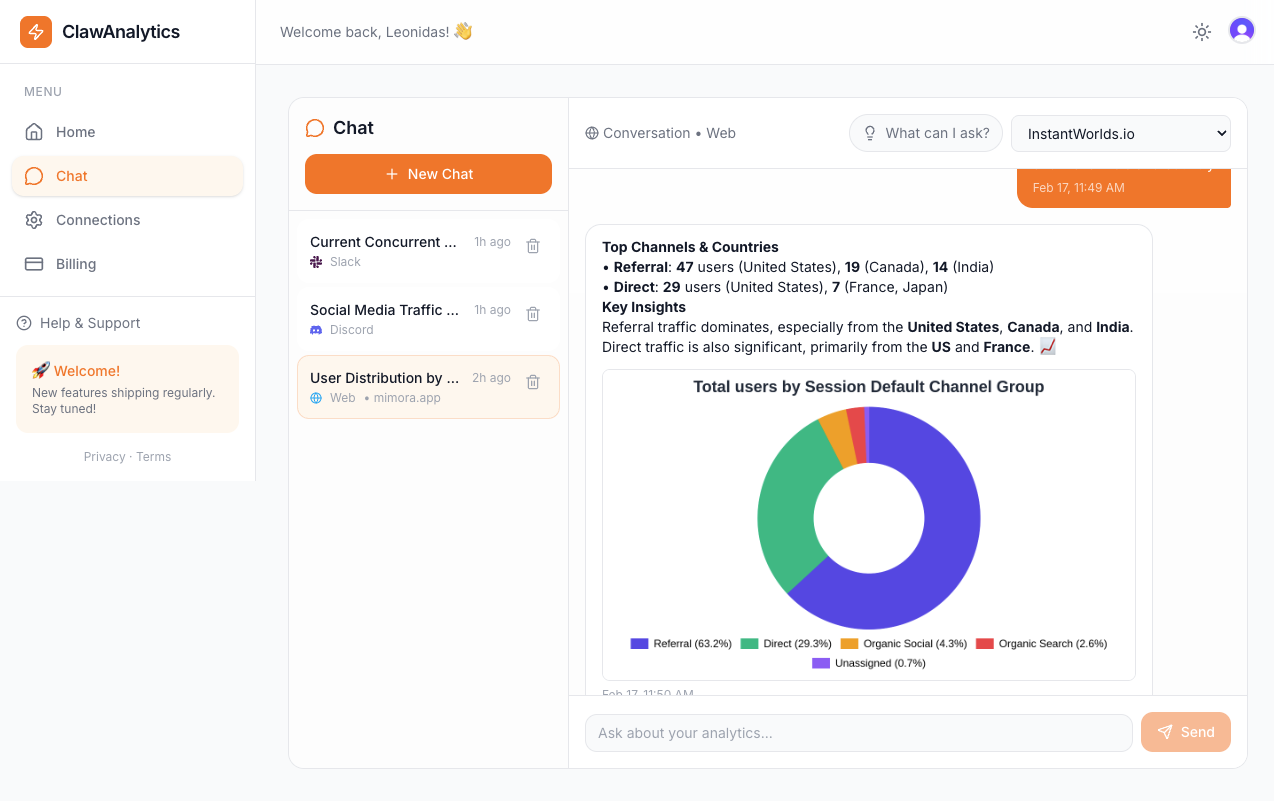
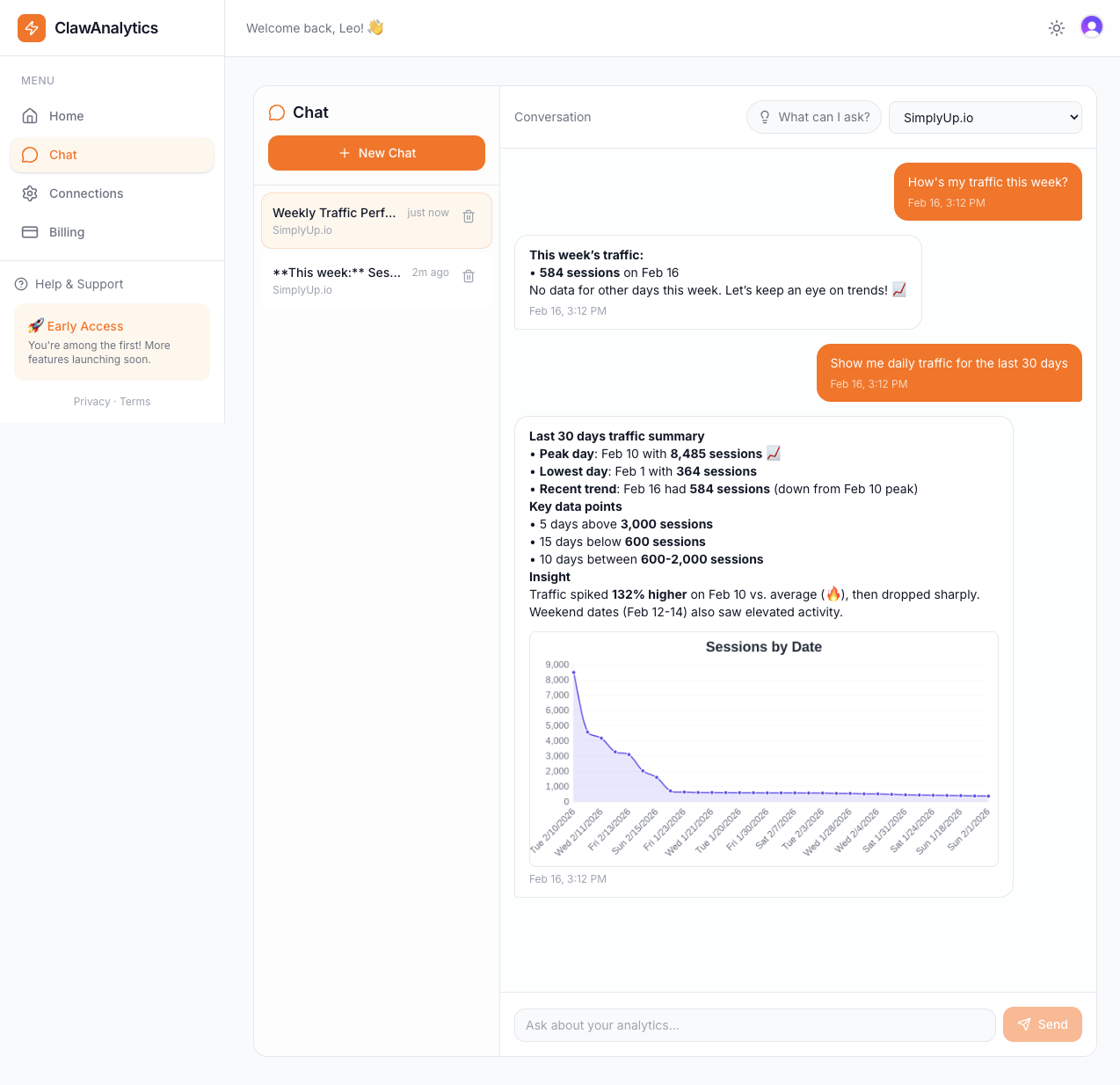
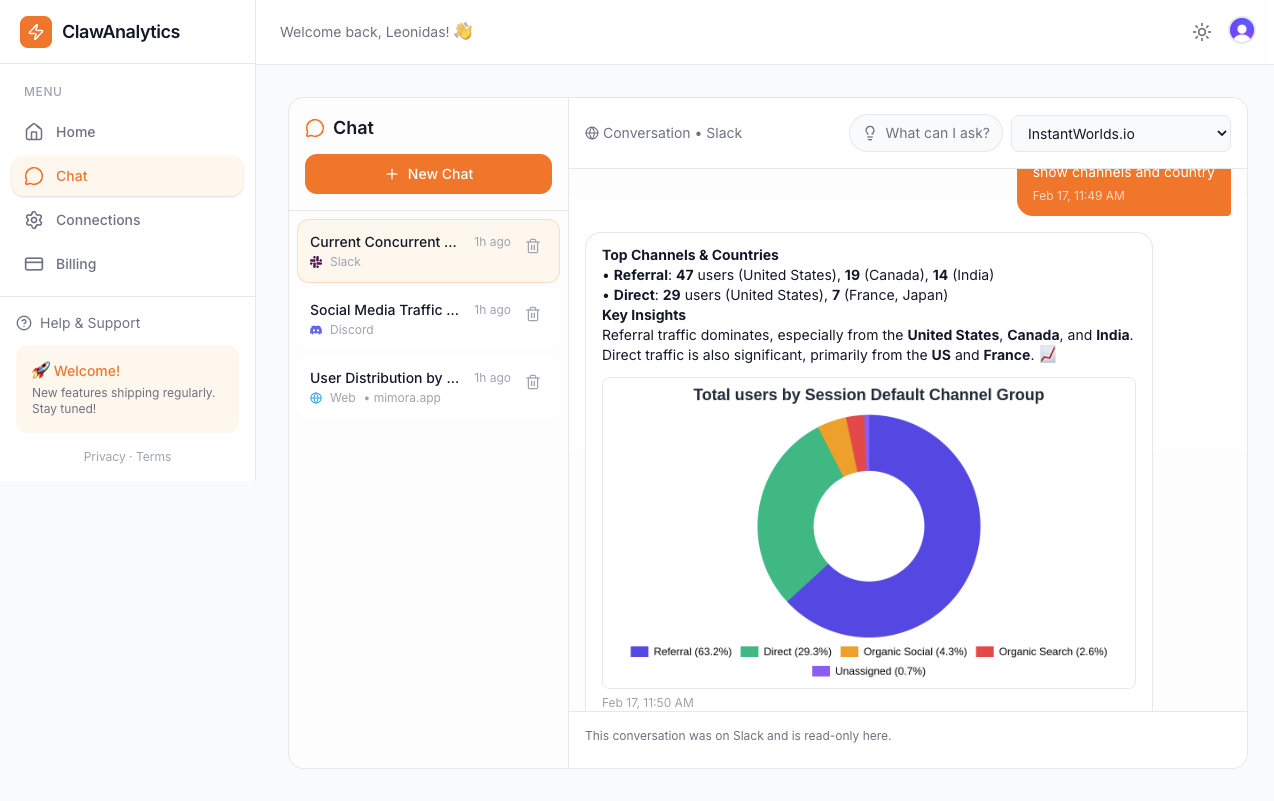
Most florists don’t have time to become GA4 experts. ClawAnalytics aggregates this demographic data into simple visuals. You get answers to questions like:
- Which age group books wedding consultations most often?
- Do customers in affluent neighborhoods order larger arrangements?
- What’s the peak buying hour for my demographic?
ClawAnalytics pulls from GA4 and presents it in a format that takes minutes to understand, not hours to analyze.
Quick Wins
- Segment by location. Create delivery zones and track which areas generate most revenue per order.
- Target by age group. Run Instagram ads for younger demographics and email campaigns for older ones.
- Adjust inventory weekly. Use demographic trends to predict which flowers will sell best next month.
- Personalize promotions. Send birthday bouquet offers to customers in the right age bracket.
Tracking demographics isn’t just data collection. It’s knowing exactly who wants what, when they want it, and how much they’ll pay.