How to Track Audience Demographics for Insurance
An insurance agent selling life insurance to college students wastes time. Selling Medicare supplements to young professionals misses the mark. Audience demographics tell you who’s actually in the market for your products.
Why Audience Demographics Matters for Insurance
Know who needs what, then sell accordingly.
Age drives product relevance. Young adults need auto and renters insurance. Families need life and home insurance. Seniors need Medicare and final expense coverage. Matching age to product multiplies close rates.
Income determines coverage appetite. Higher income means more coverage to protect. Lower income means basic liability focus. Budget alignment prevents pitching expensive policies to price-sensitive prospects.
Home ownership transforms needs. Renters need different products than homeowners. Your demographics show how many visitors own homes versus rent.
Family status changes insurance needs. Single professionals, married couples, and parents all have distinct requirements. Demographics reveal family composition.
How to Check in GA4
Open GA4 and visit Audience. Age and Gender breakdown shows visitor composition. Location reveals geographic concentration.
Create segments for different policy pages. Life insurance visitors differ from auto insurance visitors. Compare demographics between these segments.
Check behavior metrics alongside demographics. Visitors who’ve viewed multiple policy pages are warmer leads than one-time browsers.
Use the “Conversions” section to see which demographics actually request quotes or submit forms. This identifies your highest-quality prospects.
The Easier Way
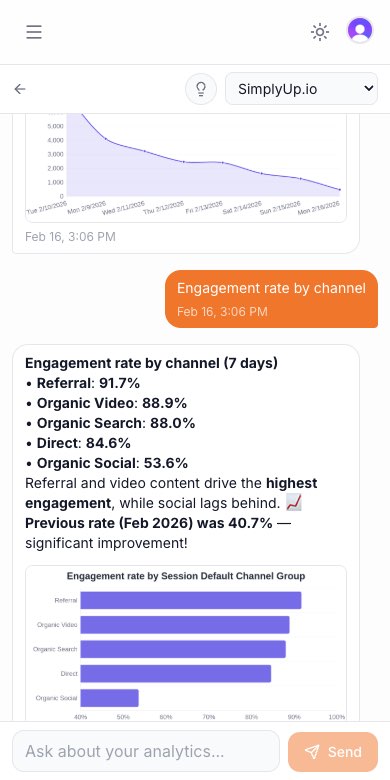
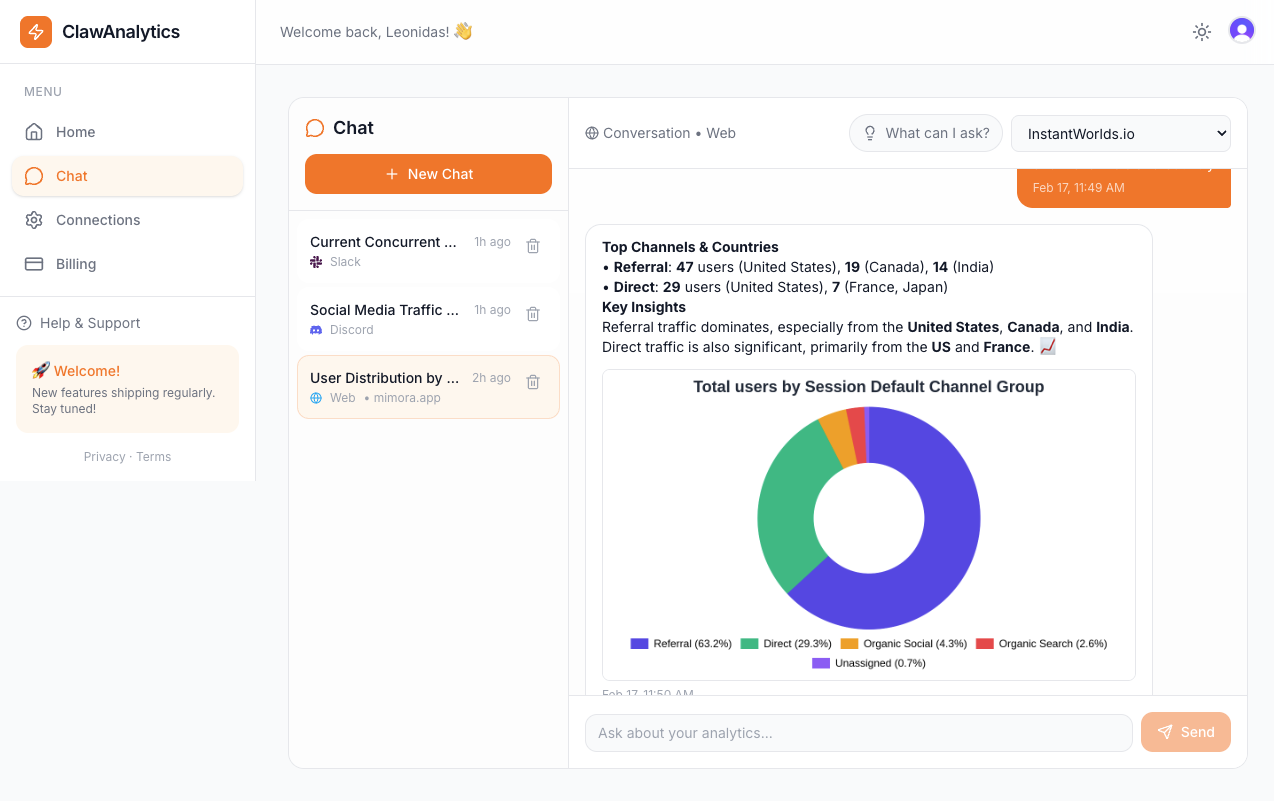
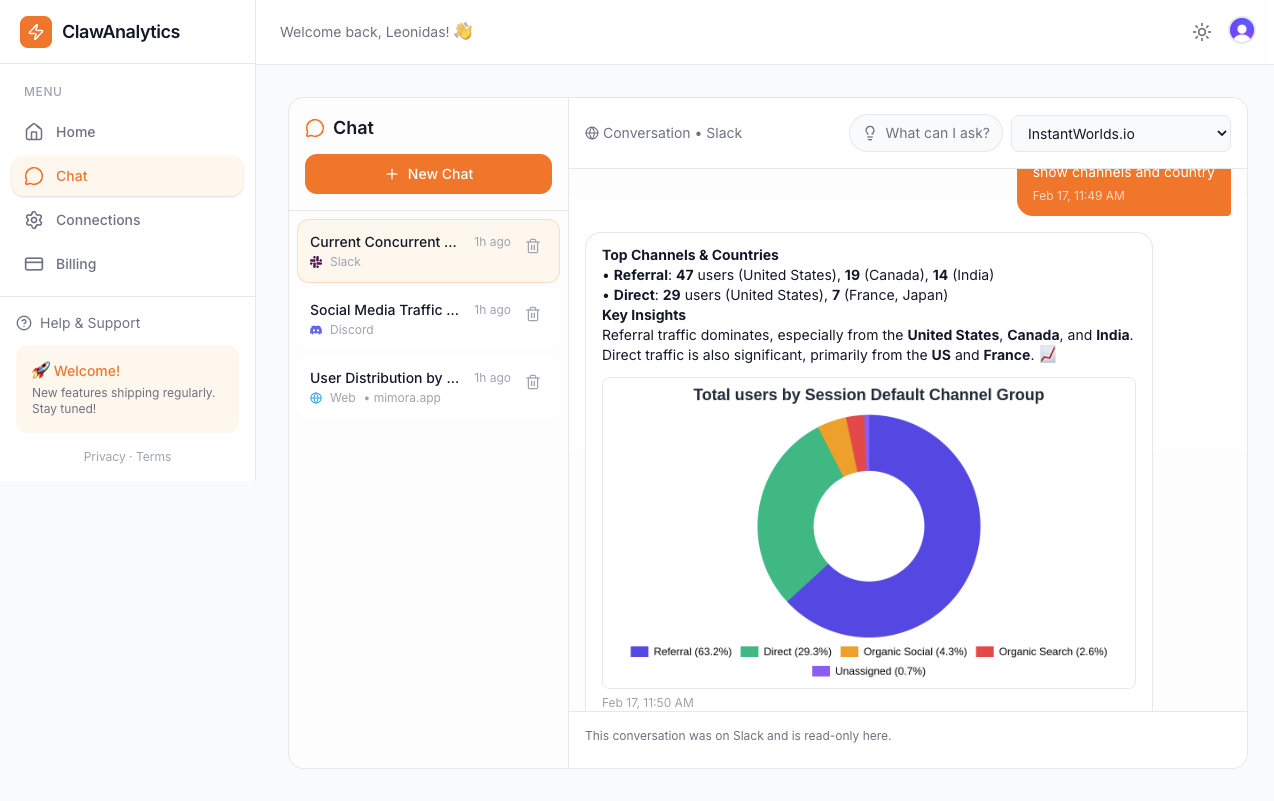
ClawAnalytics gives insurance agents clear demographic insights without data complexity.
Example questions ClawAnalytics answers:
- Are my auto insurance leads younger drivers or experienced adults?
- Which demographics most often request life insurance quotes?
- Should my Medicare marketing target retirees or their adult children?
These answers guide product focus and marketing spend.
Quick Wins
- Match products to age demographics. If your audience is 50+, focus on Medicare and retirement products.
- Segment email lists by demographics for targeted policy recommendations.
- Adjust ad targeting based on income and location data.
- Create buyer personas from demographic clusters and tailor sales approaches.
- Monitor conversion rates by demographic to prioritize high-value segments.