How to Track Audience Interests for Dentists
Imagine spending thousands on dental marketing, only to discover your website visitors wanted emergency dentistry while you were promoting whitening packages. Tracking audience interests saves you from this costly mismatch.
Why Audience Interests Matters for Dentists
Understanding what your visitors care about shapes every marketing decision. Here is why it matters:
-
Content alignment. When you know patients search for “root canal pain” or “Invisalign cost,” you create pages that answer their exact questions. This builds trust and drives appointments.
-
Ad spend efficiency. Google Ads perform better when you target audiences already interested in dental services. Interest data helps you bid on the right keywords and demographics.
-
Service page optimization. Your crown, implant, and orthodontic pages get more traffic when you optimize for what people actually search. Interest services data reveals which to feature first.
-
Competitive edge. Most dental practices guess at marketing. You get real behavioral data showing what potential patients want, letting you outrank competitors relying on intuition.
How to Check in GA4
Setting up Audience Interests takes about 15 minutes. Follow these steps:
- Log into GA4 at analytics.google.com and select your dental practice property.
- Navigate to Users section in the left sidebar and click Audience interests.
- Review Affinity Categories to see broad interests like Health and Fitness or Travel. These help with display ads targeting.
- Check In-Market Segments for specific dental interests. Categories like Dental Services, Orthodontists, or Cosmetic Dentistry show purchase intent.
- Create an Exploration to compare interests across page paths. This reveals which service pages attract which interest groups.
- Set up comparisons to see differences between mobile and desktop visitors, or new versus returning patients.
Export the data monthly to track shifts in patient interests over time.
The Easier Way
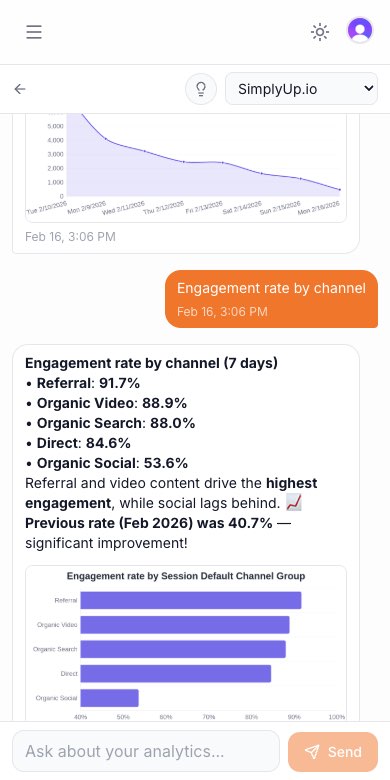
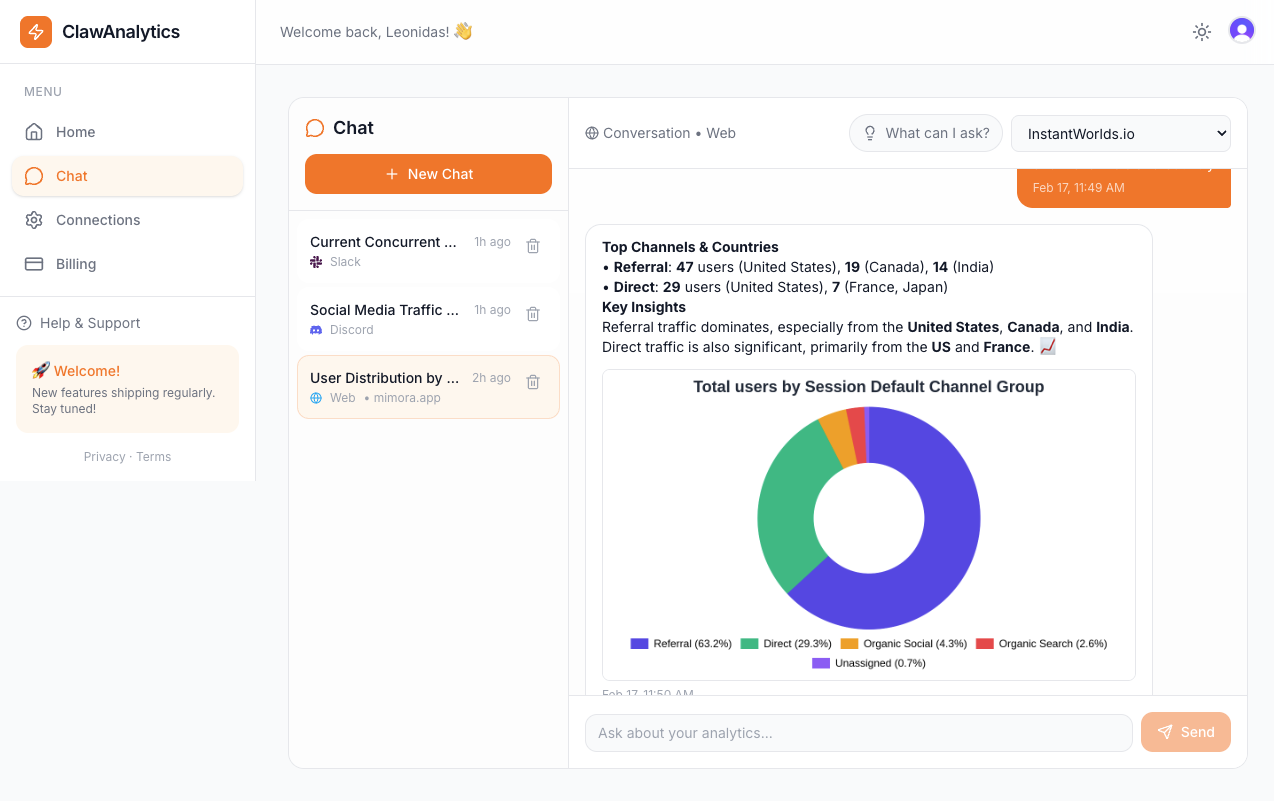
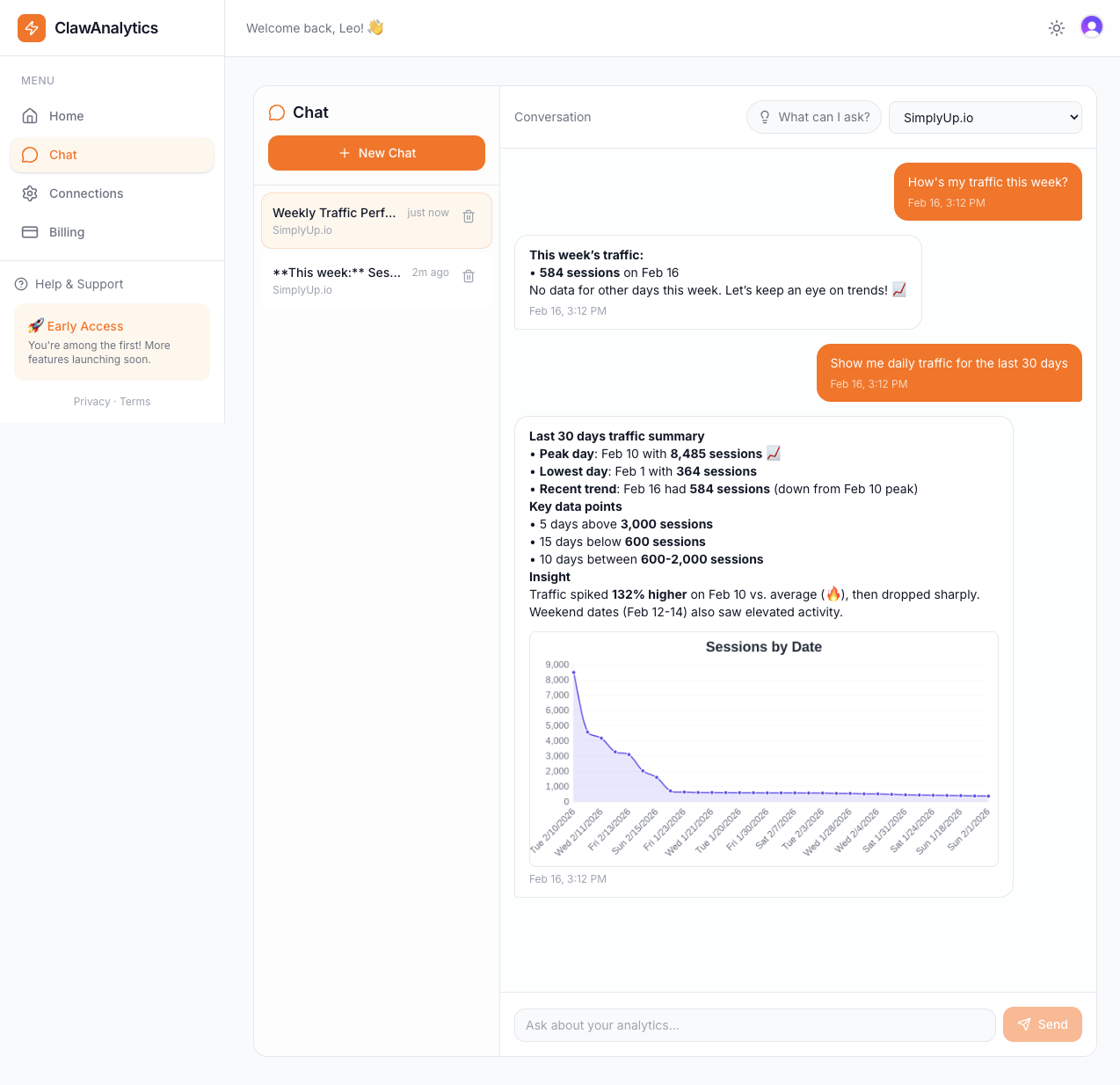
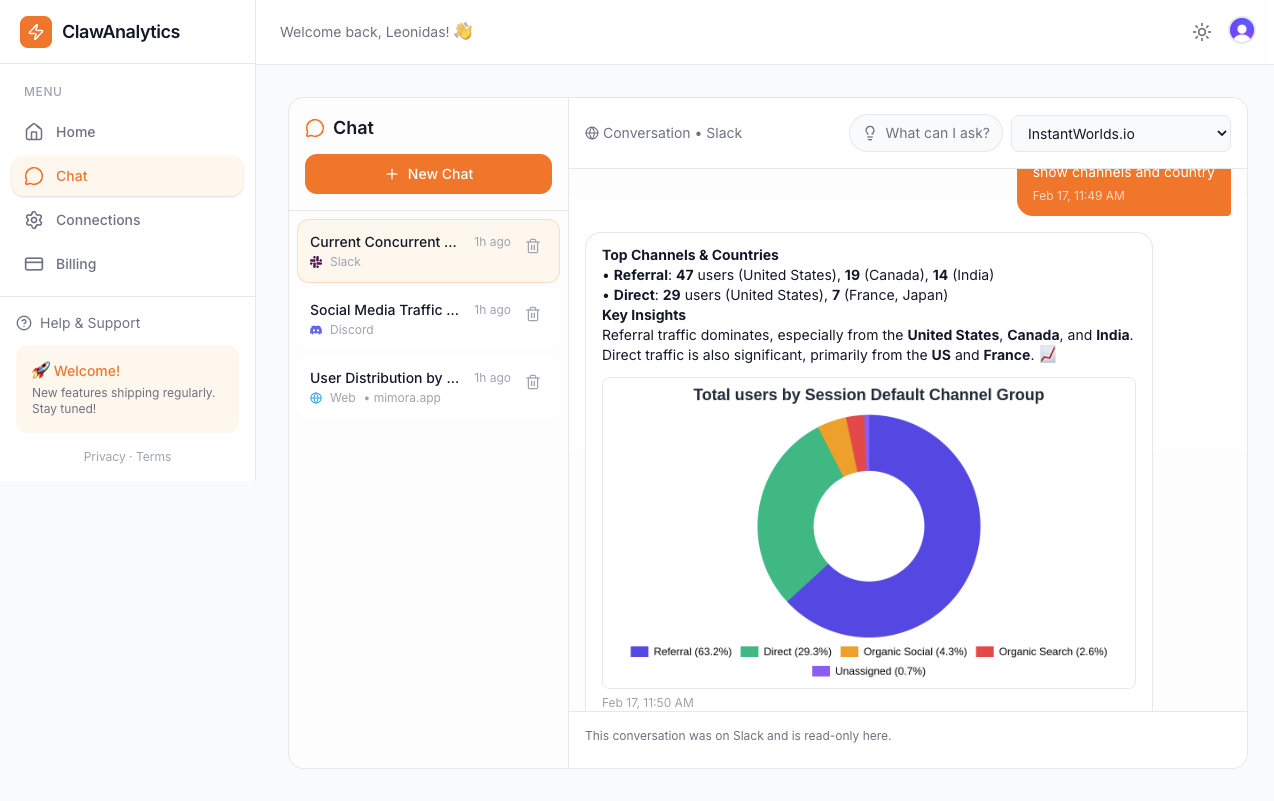
Reading raw GA4 data takes expertise most dentists do not have time for. ClawAnalytics automates this process with dashboards designed for dental practices.
For example, ClawAnalytics might show you that visitors asking about “dental implants near me” increased 40% this quarter. This signals an opportunity to create a dedicated implants page or run targeted ads.
Another scenario: your analytics reveals couples searching for family dentistry together. You can then add content about family packages or child-friendly visits to capture these household decision-makers.
ClawAnalytics also identifies content gaps. If visitors show interest in “same-day crowns” but you have no page for it, you know exactly what to build next.
Quick Wins
Start using audience interest data today with these immediate actions:
-
Audit top pages. Check which existing service pages align with top interest categories. Update underperforming pages to match visitor interests.
-
Add FAQ content. Use interest data to write FAQs addressing specific patient concerns. If many visitors search “dental insurance coverage,” create a detailed insurance page.
-
Adjust ad targeting. Refine Google Ads to focus on in-market dental segments. Reduce spend on broad categories that waste budget.
-
Monitor monthly. Review interest trends each month to catch emerging patient needs before competitors do.
-
Test CTAs. Change call-to-action buttons based on interests. Visitors researching cosmetic procedures might respond to “Book Consultation” while emergency visitors need “Call Now.”
Tracking audience interests transforms dental marketing from guesswork into data-driven decisions that fill your appointment calendar.