How to Track Audience Interests for Education
Your online course platform has 50 courses. Student completion rates hover around 12%. The problem? You built courses based on what you think students need, not what they actually want. Audience interest tracking reveals exactly what drives enrollment.
Why Audience Interests Matters for Education
Course development gets evidence-based. Too many educators create courses based on their expertise alone. Interest data shows what students are actively seeking. A course on “career skills” matters more than one on a niche academic topic with no demand.
Content marketing becomes strategic. When you know your audience is interested in “data science” or “digital marketing,” you create content that guides their learning journey. This builds trust and drives enrollments.
Student retention improves dramatically. Interest data reveals what keeps learners engaged. If “project-based learning” drives completion, you design more hands-on exercises. If “certification” matters most, you emphasize credentials.
Marketing becomes efficient. Educational marketing is competitive. Interest data tells you exactly what keywords and messages resonate. No more generic “learn something new” campaigns that nobody clicks.
How to Check in GA4
- Log into GA4 and go to Reports > Lifecycle > Audience > User interests
- Review Affinity segments for lifestyle categories like “Technology Enthusiasts” or “Career Focused”
- Check In-Market segments for courses your audience is actively researching
- Create a custom segment for students who completed courses and compare their interests
- Note the top 5 interest categories and align your course development
Export monthly reports to track seasonal learning interests. Correlate interest trends with enrollment numbers.
The Easier Way
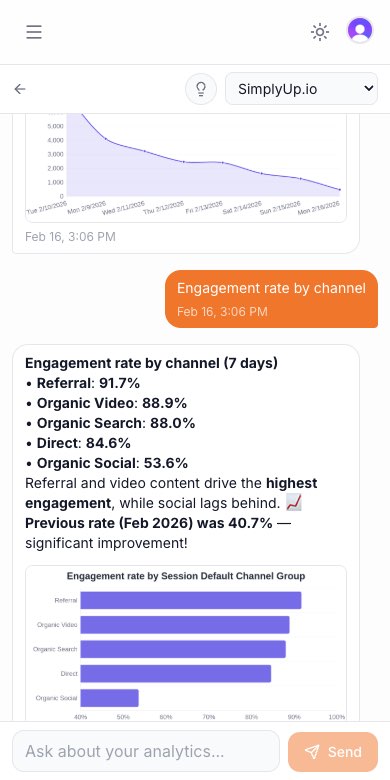
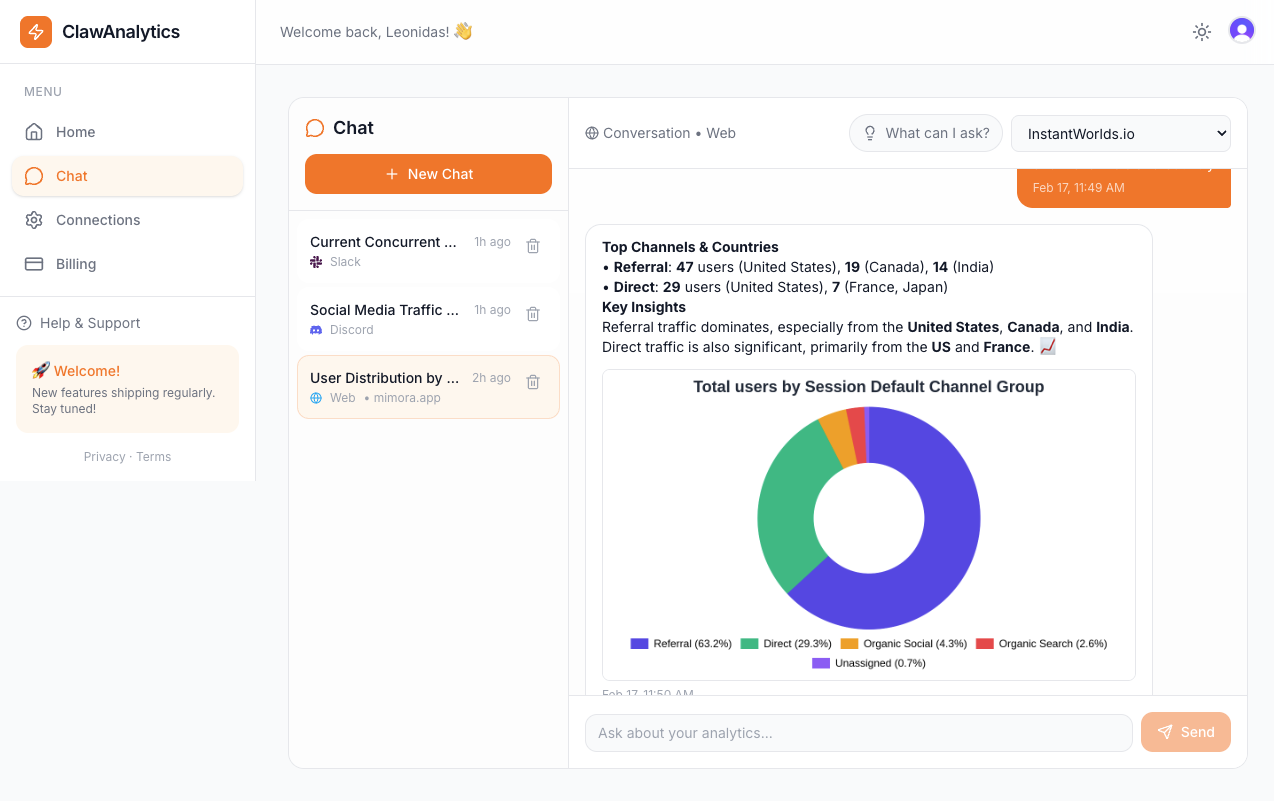
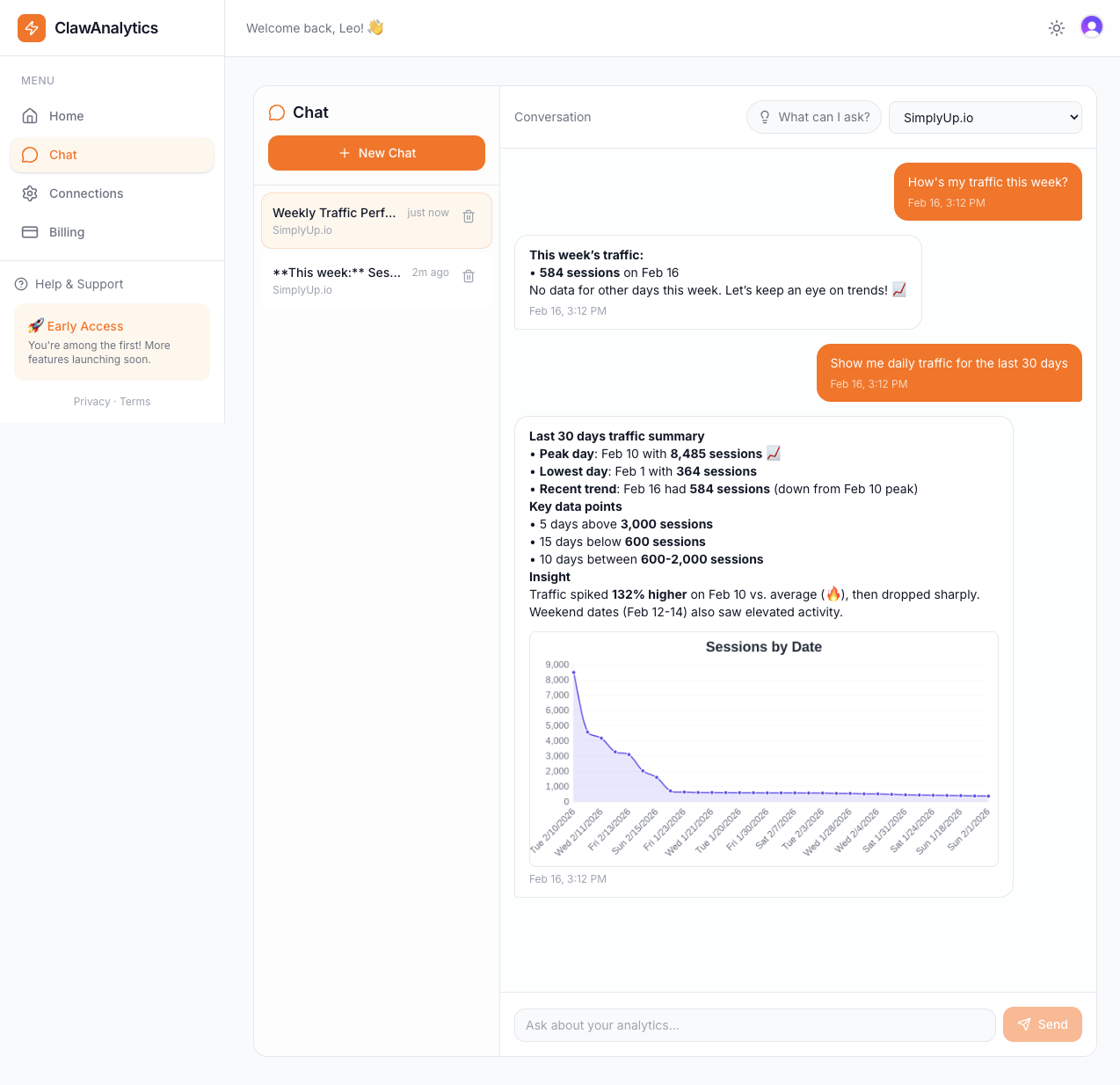
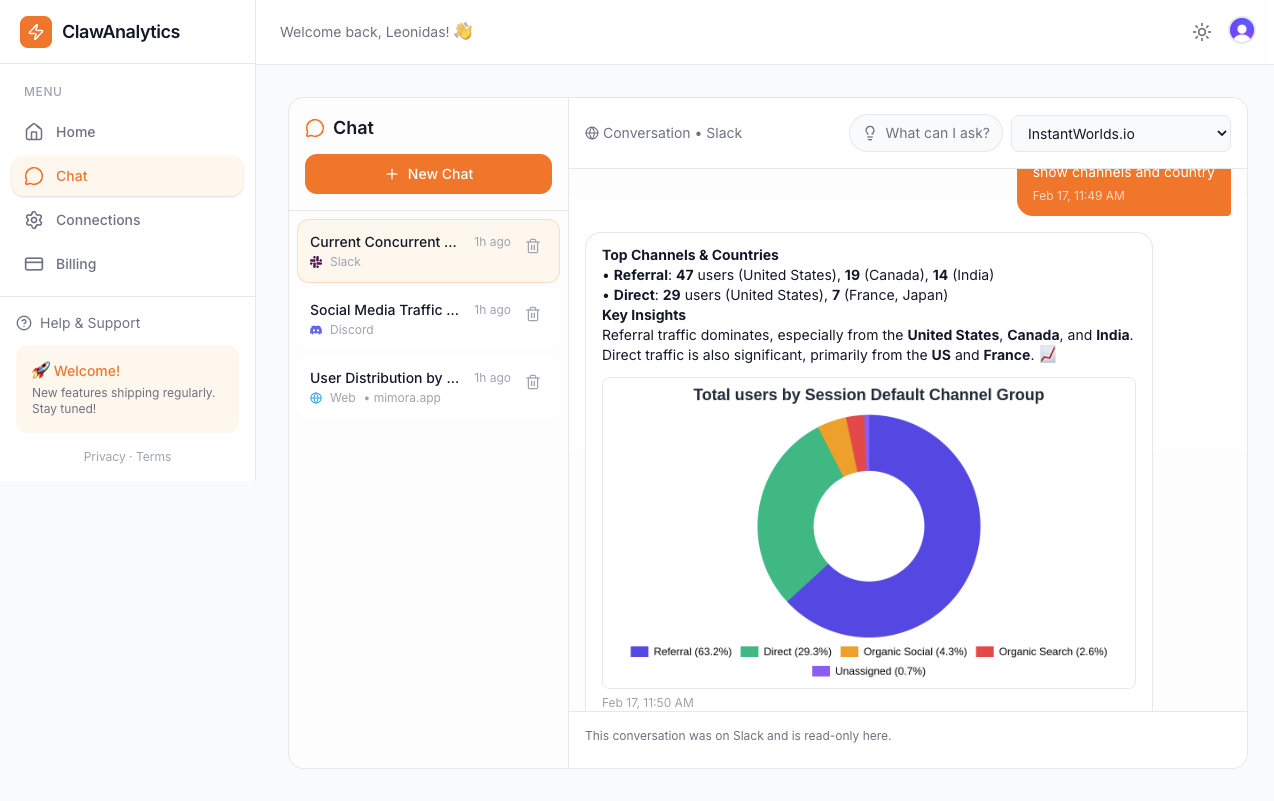
GA4 interest data is buried in menus most educators never explore. ClawAnalytics brings it forward.
You can ask: “What subjects does my audience want to learn?” — directly tells you what courses to develop.
Try: “Which interests correlate with course completions?” — reveals what keeps students engaged.
Or ask: “What new skills is my audience developing?” — spots emerging learning trends early.
This is the difference between guessing and knowing. Your educational platform improves instantly when you understand what students actually want to learn.
Quick Wins
- Align new courses with top interests — develop what learners are actively seeking
- Create content around student goals — blog posts, guides, and videos that serve their journey
- Segment email campaigns by interest — different audiences need different learning pathways
- Design curriculum around interest clusters — group related courses into learning tracks
- Market to interest segments — target ads at people already researching topics you offer