Every move is a story. Some are studio apartments. Some are 5,000 square foot homes. Your Average Order Value tells the financial part of that story.
Why Average Order Value Matters for Moving Companies
Moving has inherent variability. A local studio move might pay $300. A cross-country four-bedroom might pay $8,000. The gap is enormous.
It shows add-on service potential. Packing, storage, junk removal, cleaning. Most customers need these but don’t think to ask.
It reveals your ideal customer. If your AOV is $1,200 but some moves hit $5,000, you know which markets pay more.
It helps with crew sizing. Larger moves need more trucks and helpers. Knowing AOV helps you dispatch efficiently.
It improves online quoting. Historical AOV data trains your quoting algorithm to be more accurate.
How to Check in GA4
GA4 tracks Average Order Value for online bookings if configured.
- Open GA4
- Go to Monetization > Ecommerce purchases
- Find Average Order Value
- Compare by traffic source or booking type
The catch: Online booking is just one piece. Most moving revenue comes from phone quotes and in-person estimates, which GA4 doesn’t capture.
The Easier Way
ClawAnalytics connects to your scheduling or CRM system. It calculates real AOV from completed moves, not website form submissions.
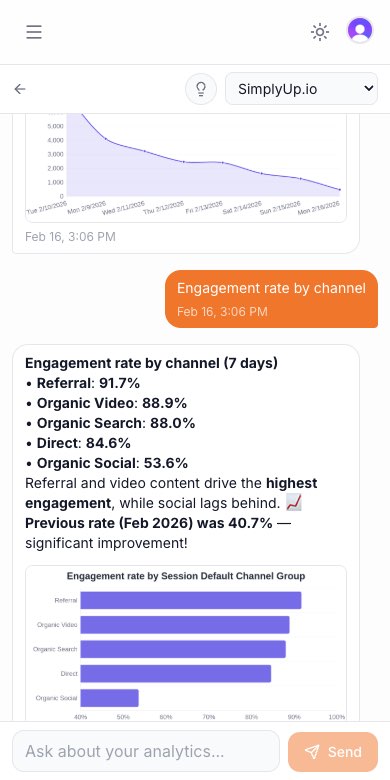
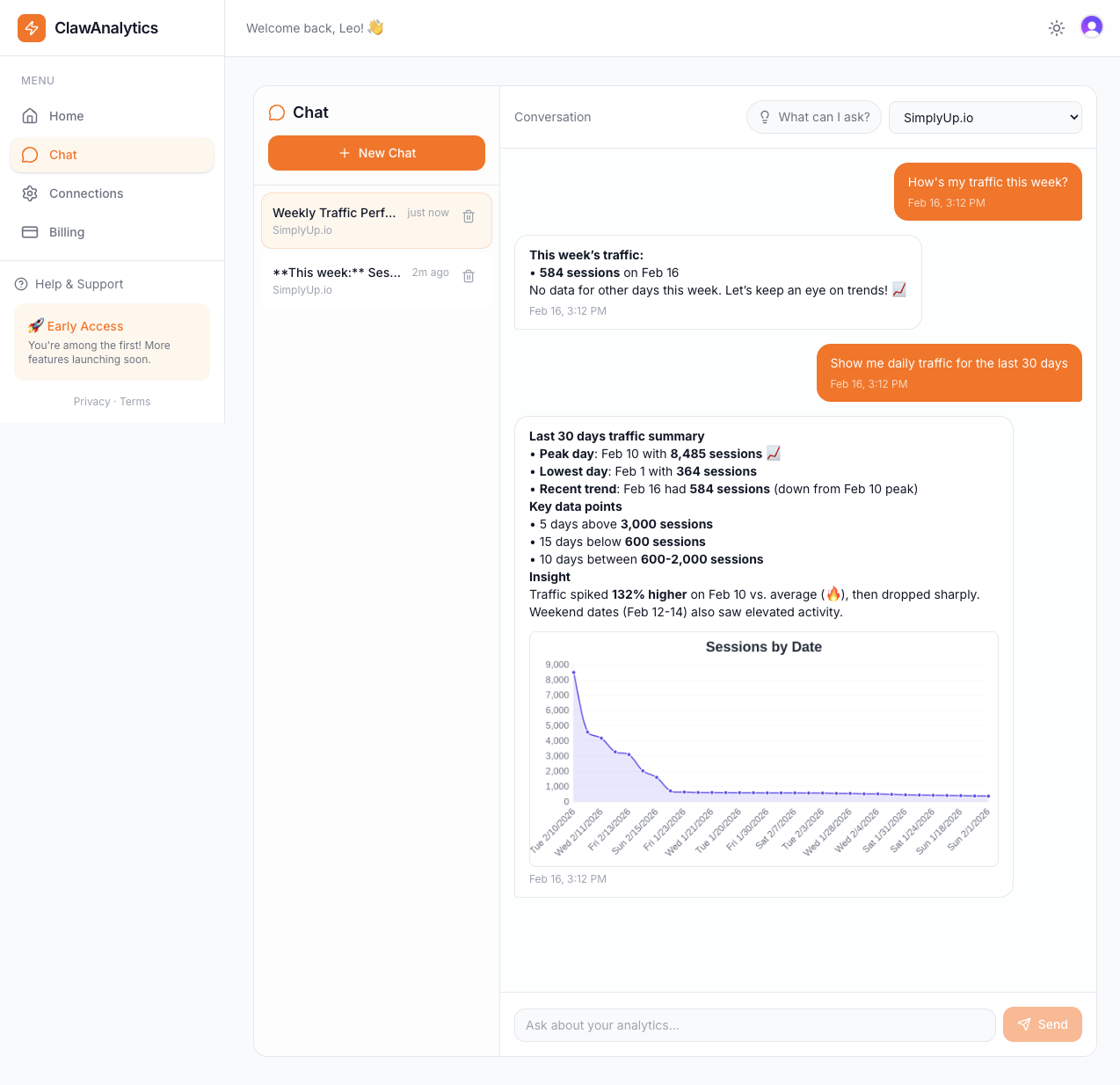
You can ask: “What’s my AOV for local versus long-distance moves?” or “Show me my Average Order Value by month.” ClawAnalytics surfaces the insights you need.
Another useful query: “What’s my average add-on service revenue per move?” See how much packing and storage contribute to the ticket.
Quick Wins
Offer full-service packing. Provide boxes, packing paper, and labor. Charge separately. It adds $200-$500 per move.
Partner with storage facilities. When customers need temporary storage, your referral fee adds to effective AOV.
Sell valuation coverage. Basic insurance is cheap. Upgrade options have high margins.
Create package deals. “Standard move + packing + unpacking” at a package price feels simpler than line-item pricing.