Someone searches for “summer dresses” and clicks your result. They land on your dresses category page. They scroll past three items, cannot filter by size, and leave. They found nothing wrong with your clothes. They simply could not find what they needed.
This happens thousands of times daily across clothing websites.
Why Bounce Rate Matters for Clothing Stores
Clothing retail is competitive. When a visitor bounces, they are not just leaving a webpage. They are walking into a competitor’s store. The average online clothing shopper visits three to five sites before purchasing.
If your clothing store gets 2,000 visitors weekly with a 55% bounce rate, you are losing 1,100 potential customers weekly. Even converting 10% of those bounces into purchases at an average order value of $75 generates over $8,000 in lost weekly revenue.
High bounce rates also hurt your email list growth. If visitors never reach your product pages, they never see pop-ups or offers encouraging newsletter signups. This compounds your losses over time.
What Causes Clothing Store Visitors to Bounce
Missing size filtering and guides. Shoppers need to know if you carry their size immediately. Without easy filtering, they assume you do not have their size and leave.
No model diversity in photos. Visitors want to see how clothes look on bodies similar to theirs. Single-model sites with limited body type representation alienate many shoppers.
Complicated or hidden return policies. Online clothing shoppers worry about fit. If your return policy is unclear or restrictive, they avoid buying from you altogether.
Slow product page loads. High-resolution clothing images are heavy. If pages load slowly, impatient mobile shoppers leave before seeing your inventory.
Poor category organization. If visitors cannot quickly navigate from dresses to tops to accessories, they become frustrated and abandon your site.
How to Track It
In GA4, open Reports and select Engagement. Use the Pages and Screens report to analyze your product category pages individually. Compare bounce rates between categories like dresses, tops, and outerwear to identify problem areas.
Set up a custom dimension in GA4 to track which size filters visitors use. This reveals whether shoppers are searching for sizes you may not stock, causing them to bounce.
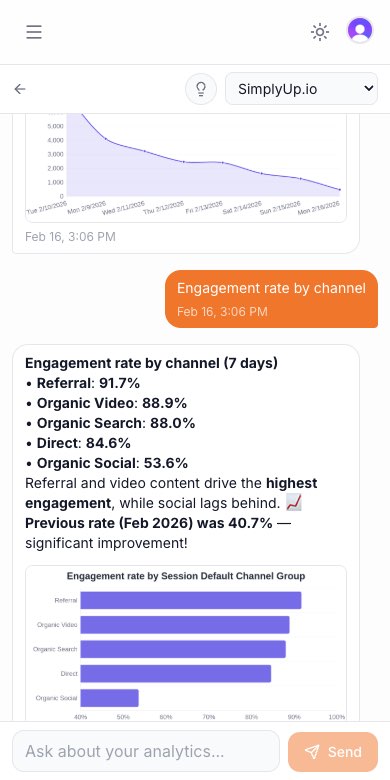
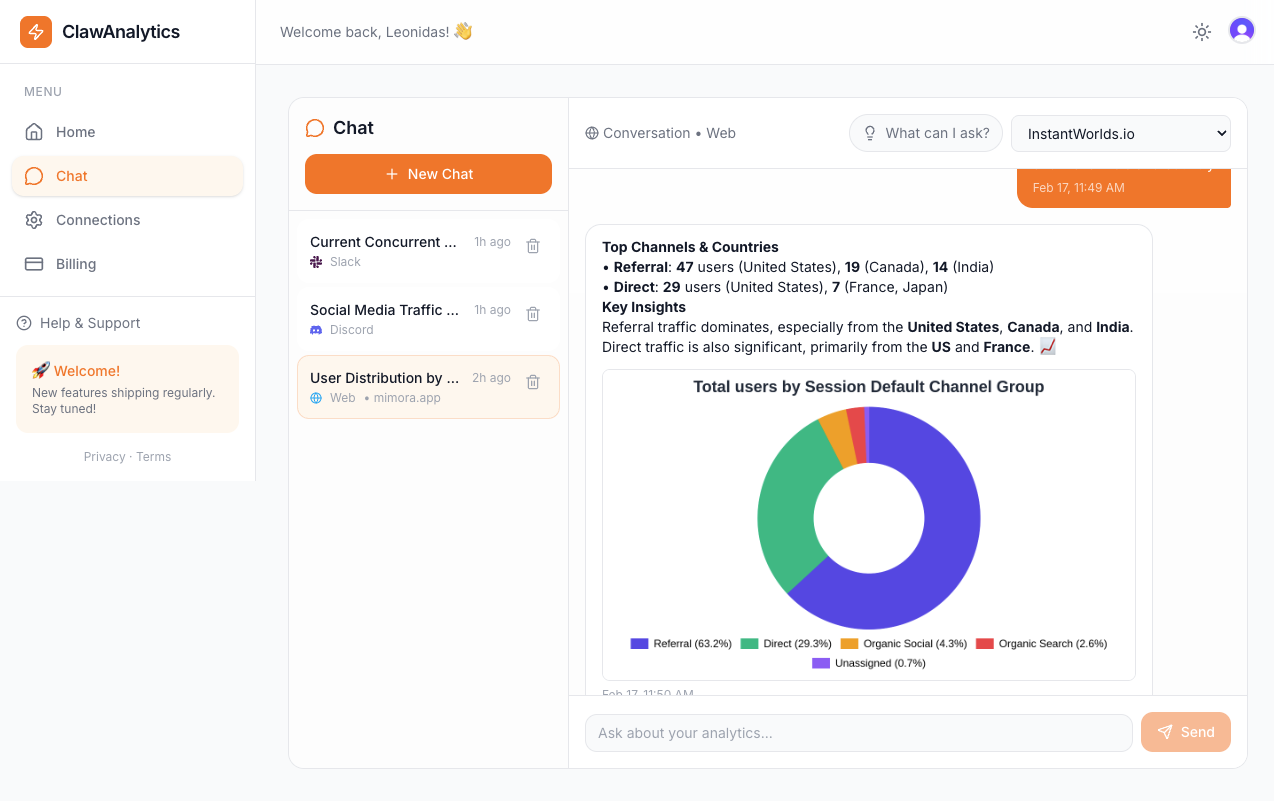
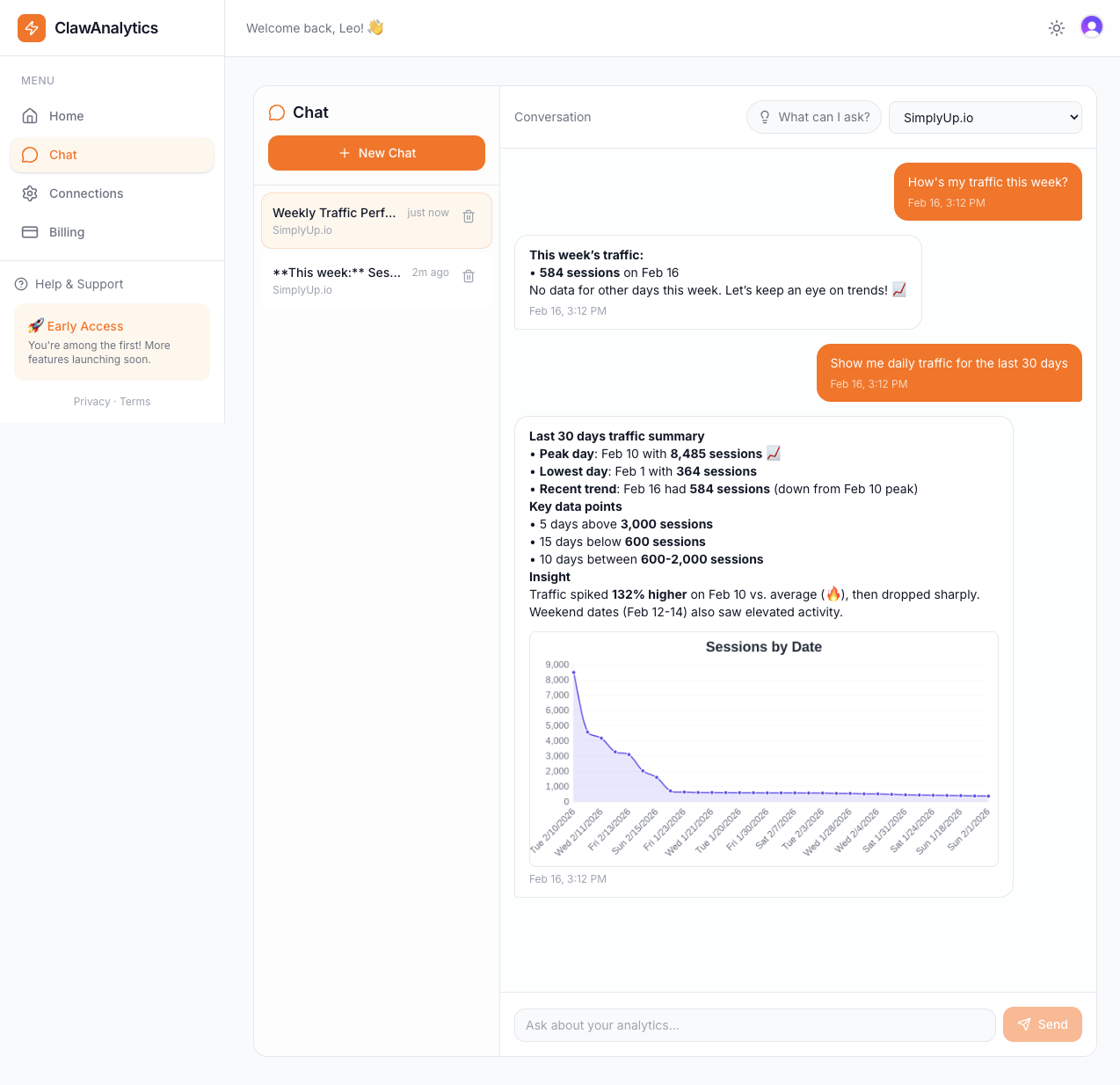
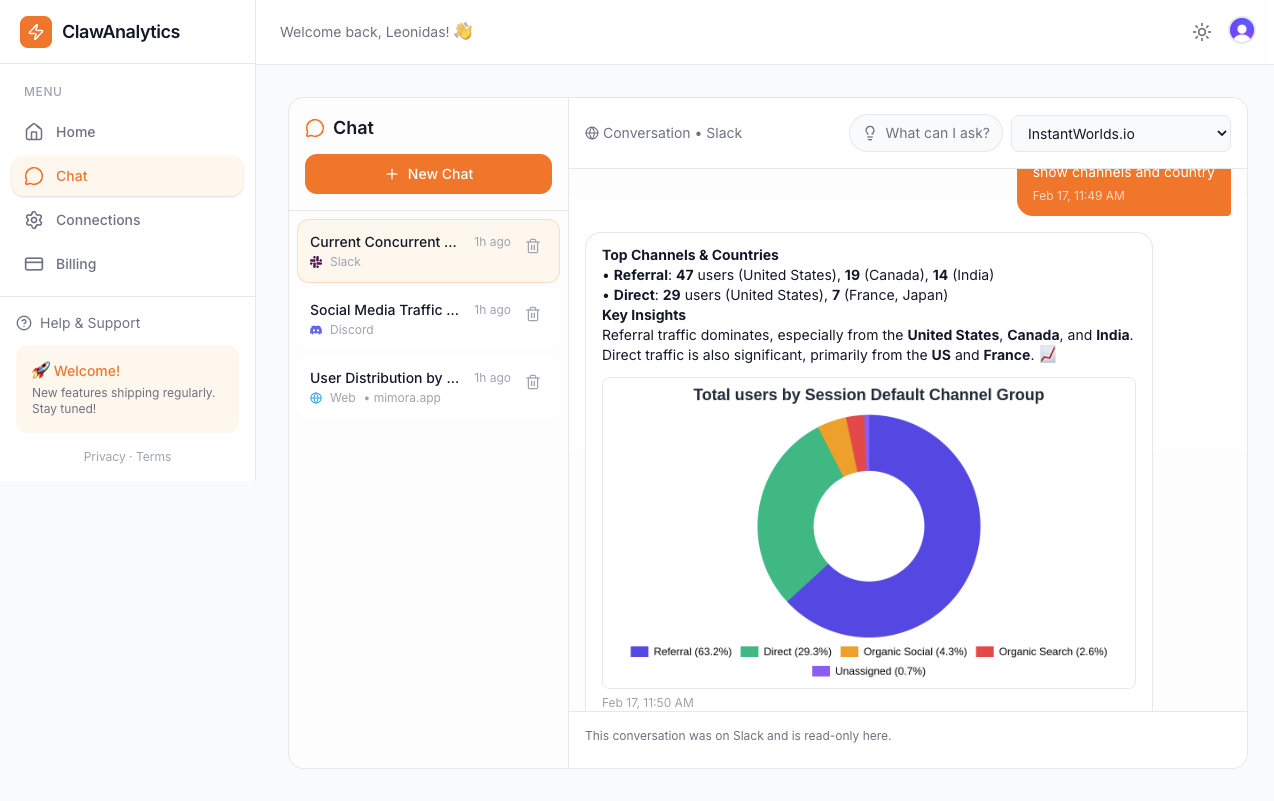
ClawAnalytics makes analysis straightforward. Ask questions like “Which clothing category has the highest bounce rate?” or “What is the bounce rate for visitors who used size filters versus those who did not?” The platform surfaces insights that help you prioritize fixes.
Establish a target bounce rate based on your current performance. Aim for a 10% reduction within 90 days.
Quick Wins to Reduce Bounce Rate
-
Add robust size filtering. Make it easy to filter by size, color, and style. Place these filters prominently above product listings.
-
Show clothes on diverse models. Feature multiple models of different sizes, heights, and body types for each item. Add photos showing front, back, and side views.
-
Prominently display your return policy. Place a clear returns link in your header and footer. Emphasize free returns and extended return windows.
-
Optimize images for speed. Compress product images without losing quality. Use lazy loading so product pages load quickly even with many images.