How to Track Bounce Rate for Finance
Someone searches for “best savings rates” and clicks your credit union’s homepage. Within 5 seconds, they cannot find current APY rates and hit the back button. That bounce might have been a member worth $10,000 in deposits over the next five years. In finance, where customer lifetime value runs into tens of thousands of dollars, your bounce rate directly impacts your bottom line.
Why Bounce Rate Matters for Finance
Financial decisions require trust. Visitors arriving at your site are often comparing multiple institutions. If your website does not immediately answer their questions about rates, fees, or security, they will continue shopping. High bounce rates in finance mean your marketing spend is generating clicks that never convert into customers.
What the numbers tell you:
- A new checking account customer is worth $400 to $2,000 over five years. Each bounce represents lost lifetime value
- Finance websites with bounce rates below 40% generate 2.5 times more account applications than those above 60%
- Trust-related factors account for 35% of bounces in the finance sector
Your bounce rate serves as a trust score. When it climbs, your website is failing to convince visitors that your financial institution deserves their business.
What Causes Finance Visitors to Bounce
1. Hidden rates and fees. Visitors comparing financial products need to see rates, APR, annual fees, or management fees immediately or they leave.
2. Missing security signals. Without SSL certificates, encryption badges, or regulatory compliance symbols, visitors worry about the safety of their financial information.
3. Complex or jargon-heavy content. Using terms like “liquid alternative investments” without explanation alienates visitors seeking simple financial guidance.
4. Lack of clear product categorization. A visitor looking for “auto loans” who sees a homepage focused on mortgages will search elsewhere.
5. No obvious next steps. Missing “Apply Now,” “Get a Quote,” or “Schedule Appointment” buttons leaves visitors unsure about how to proceed.
How to Track It
In GA4, set up a custom report to monitor bounce rate across your product pages. Navigate to Configure, select Explore, and create a report that includes “Bounce rate” segmented by “Page path” and “Session source.”
You will want to answer questions like:
- What is the bounce rate for visitors arriving at “credit card” pages versus “mortgage” pages?
- Are mobile users bouncing at higher rates than desktop users, and by how much?
- How does bounce rate compare between organic search traffic and paid campaigns?
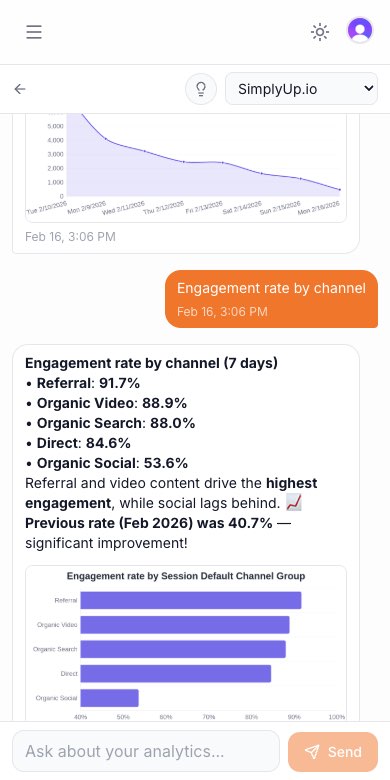
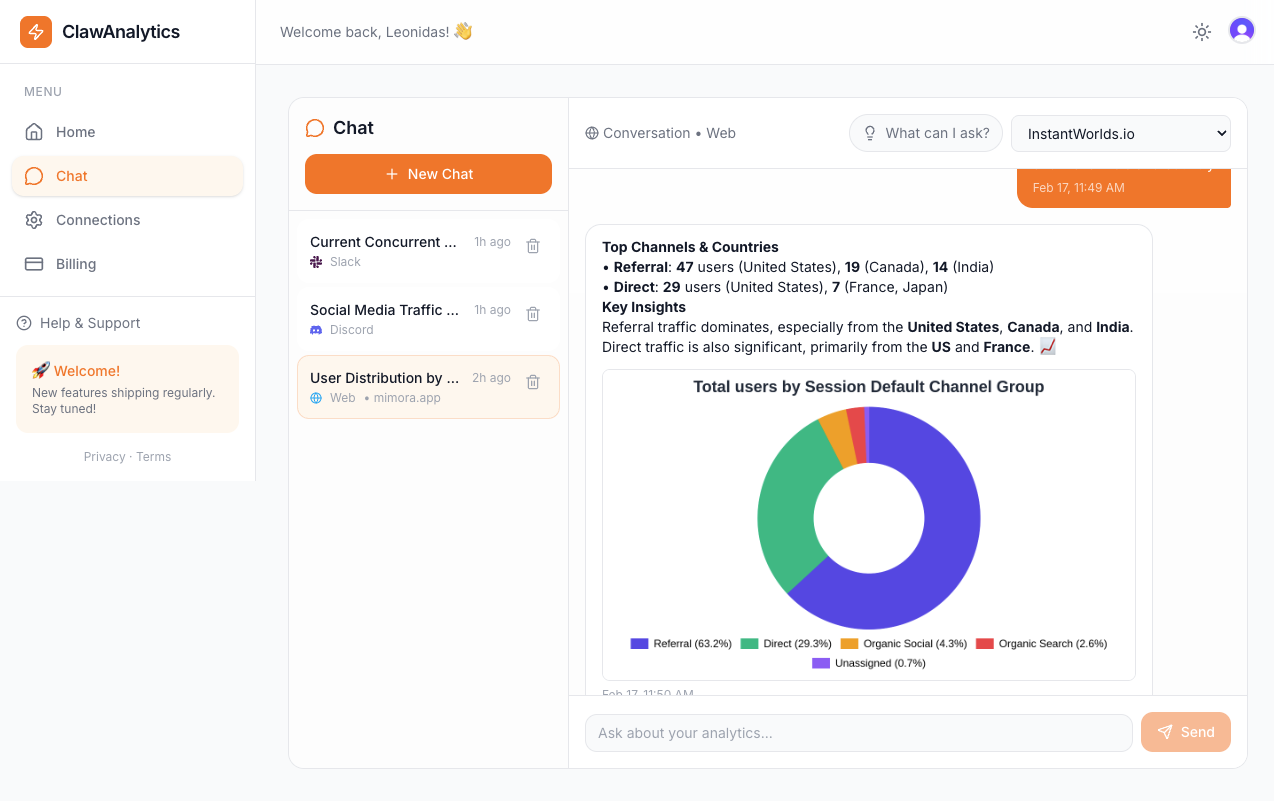
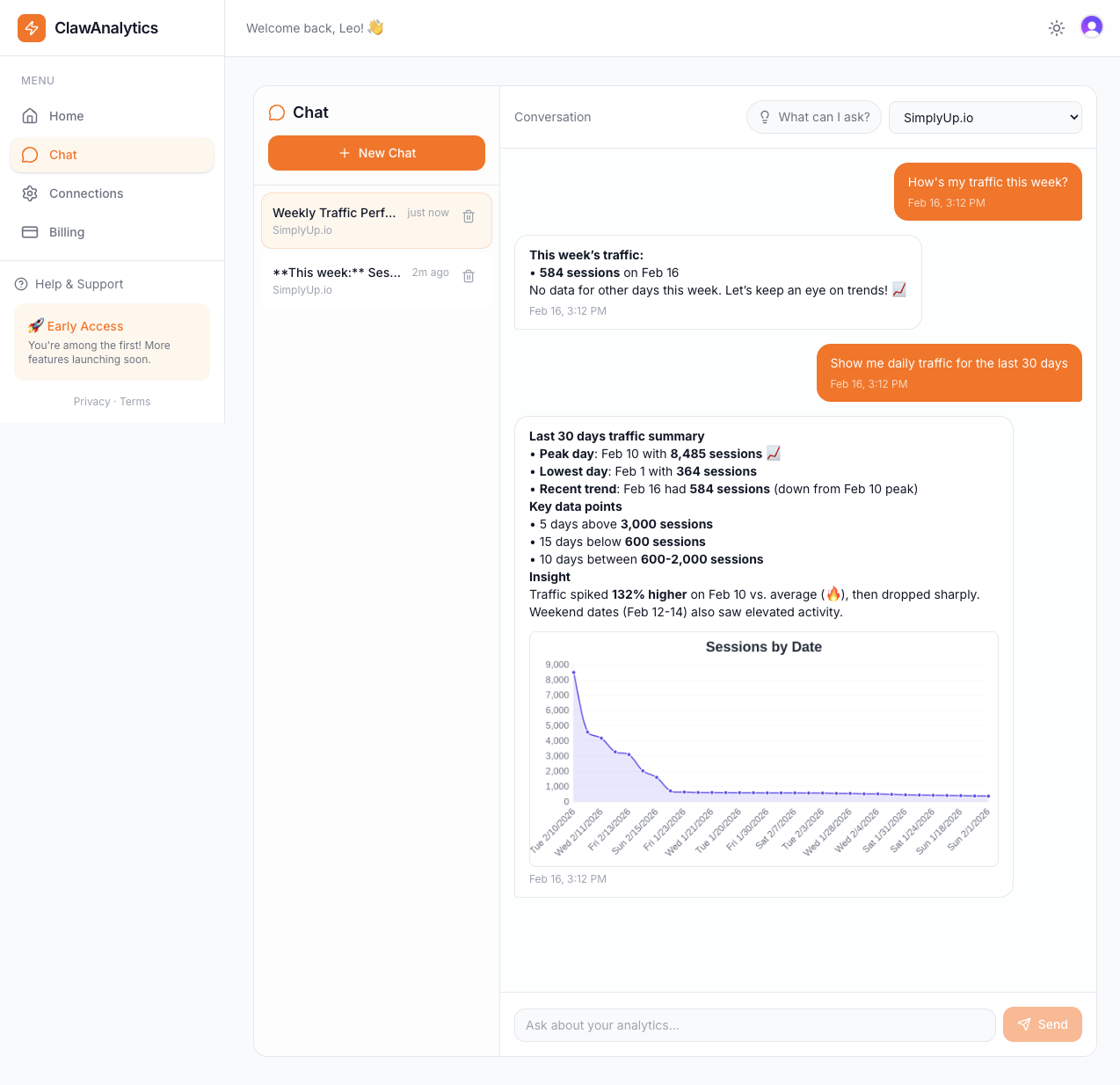
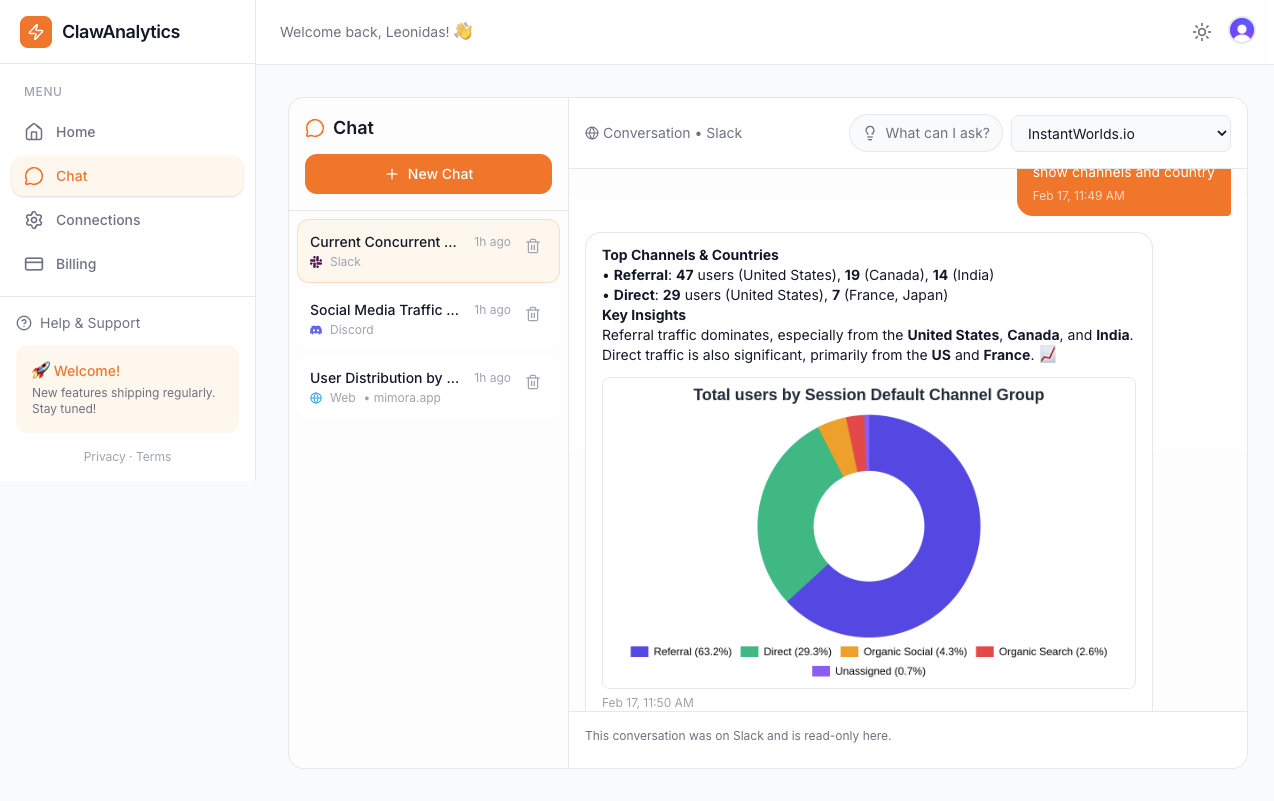
ClawAnalytics helps financial institutions track bounce rate anomalies across product lines. For instance, you can set up automated monitoring that alerts you when your loan rates page experiences elevated bounce rates, which could indicate your rates are no longer competitive. Many finance clients use ClawAnalytics to compare bounce rates across marketing channels, optimizing ad spend based on which sources bring the most engaged visitors.
Quick Wins to Reduce Bounce Rate
-
Display current rates above the fold. Whether it is savings APY, mortgage rates, or credit card APR, put your numbers where visitors see them immediately.
-
Add security badges prominently. Include SSL certificates, FDIC/NCUA symbols, and encryption guarantees near forms and contact information.
-
Create dedicated landing pages for each product. “Home Equity Line,” “Auto Loan,” and “Business Checking” should each have their own targeted pages matching search intent.
-
Simplify your language. Write for a general audience. If visitors need a dictionary to understand your offerings, they will bounce to a competitor who speaks more clearly.