How to Track Bounce Rate for Legal
Someone searches “personal injury lawyer near me” after a car accident, clicks your ad, lands on your homepage, and leaves within 4 seconds. That bounce might have been a client with a valid $50,000 claim. In legal services, where a single case can generate significant revenue, every website visitor represents substantial potential value. Your bounce rate tells you how effectively you are capturing that value.
Why Bounce Rate Matters for Legal
Legal clients are often in stressful situations. They need reassurance that your firm can help them. When your website fails to provide immediate answers or confidence, they move to the next search result. High bounce rates indicate that your website is not meeting visitors where they are in their moment of need.
What the numbers tell you:
- A single personal injury client is worth $5,000 to $50,000 in fees. A bounce rate above 60% means you are losing the majority of these high-value opportunities
- Law firms with bounce rates below 40% generate 3 times more consultation requests than those above 60%
- Mobile bounce rates for legal queries average 65%, significantly higher than desktop, often due to poor mobile experience
Your bounce rate serves as a trust thermometer. When it runs hot, your website is pushing away people who need your help.
What Causes Legal Visitors to Bounce
1. Missing or hidden contact information. Potential clients need to know how to reach you immediately. If your phone number requires scrolling to find, many will leave.
2. No clear practice area navigation. A visitor searching for “divorce lawyer” who lands on a homepage focused on personal injury will look elsewhere.
3. Overly corporate or cold design. Law firm websites that feel impersonal or use excessive legal jargon fail to connect with stressed clients seeking human help.
4. Lack of attorney credentials. Visitors need to trust that your lawyers are qualified. Missing photos, bios, or bar numbers raises immediate suspicion.
5. Slow page loads. Clients searching on phones after accidents or emergencies need fast-loading sites. Even 2 extra seconds of load time dramatically increases bounce rates.
How to Track It
In GA4, set up a custom report to track bounce rate segmented by practice area pages. Navigate to Reports, select Explore, and create a report with “Bounce rate” as your primary metric and “Page path” as a dimension.
Key questions you need to answer include:
- Which practice area pages have the highest bounce rates and why?
- Are visitors from “near me” searches bouncing at higher rates than general searches?
- How does bounce rate differ between your homepage and your contact or consultation page?
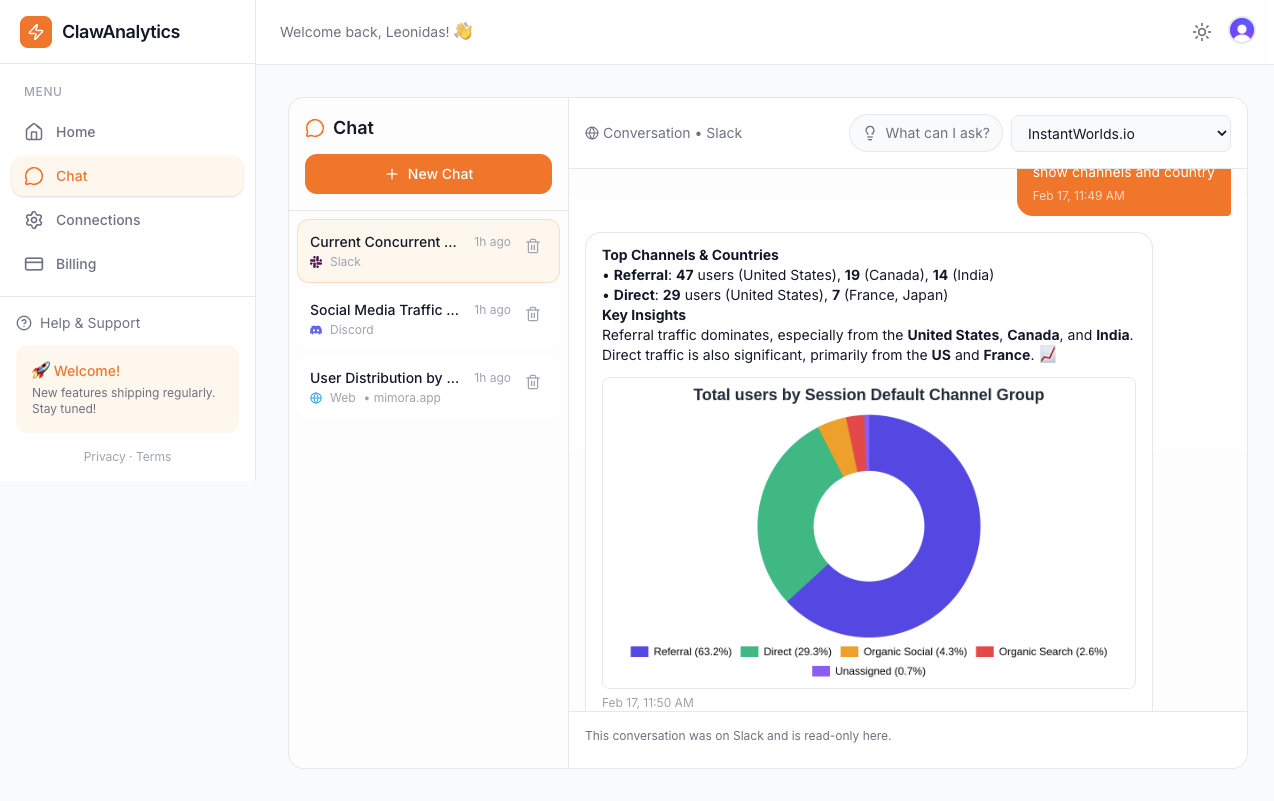
ClawAnalytics enables law firms to monitor bounce rate trends over time and compare performance across practice areas. You can set up automated alerts to notify you when bounce rates exceed thresholds on key pages like your consultation booking form. Many legal clients use ClawAnalytics to understand which keywords bring the most engaged visitors, helping allocate advertising budget more effectively.
Quick Wins to Reduce Bounce Rate
-
Place your phone number and “Free Consultation” CTA above the fold on every page. Make it impossible for visitors to leave without seeing how to contact you.
-
Create dedicated pages for each practice area. “Car Accident Lawyer,” “Family Law Attorney,” and “Criminal Defense” should each have targeted pages matching search intent.
-
Add attorney photos and credentials immediately. Include photos, bar numbers, and brief bios near the top of your homepage to build immediate trust.
-
Optimize for mobile absolutely. Ensure your site loads in under 2 seconds on mobile. Many legal searches happen immediately after accidents or emergencies when people are on their phones.