You invested in a beautiful website for your restaurant, complete with professional food photography, your full menu, and an online reservation system. Then you check your analytics and see that 52% of visitors landed on your page and left immediately without viewing your menu, checking hours, or making a reservation.
That 52% is your bounce rate, and it represents potential diners who never discovered your amazing food.
Why Bounce Rate Matters for Restaurants
For restaurants, your website is often the first impression before a customer ever walks through the door.
- It impacts table turnover. More website engagement means more reservations and better planning for your kitchen and staff.
- It reveals what customers want. High bounce rates on specific pages tell you what information is missing or hard to find.
- It affects local search visibility. Google uses engagement metrics to determine where to rank your restaurant in local searches. High bounce rates can push you down in results.
Imagine you get 3,000 visitors monthly and 50% bounce. That is 1,500 potential customers leaving without seeing your menu or hours. If just 5% of engaged visitors become dine-in guests spending $35 per person, reducing your bounce rate to 35% could mean an additional 130 customers per month, adding roughly $4,500 in revenue.
What Causes Restaurant Visitors to Bounce
Missing essential information. If visitors cannot immediately find your hours, address, or phone number, they will leave and choose a restaurant that makes it easier.
Menu not optimized for mobile. The majority of restaurant searches happen on phones. If your menu requires zooming, scrolling sideways, or waiting for images to load, customers will bounce.
No prices on the menu. Many diners need to know pricing before committing. Hiding prices to seem upscale actually drives away budget-conscious customers.
Slow website performance. Restaurant WiFi is often spotty, and customers may be searching on cellular data. Slow-loading sites lose visitors in seconds.
Outdated information. If your hours are wrong during holidays or your menu items are no longer available, visitors will feel frustrated and go elsewhere.
How to Track It
In Google Analytics 4, use the Geo report to see which neighborhoods generate the most traffic and which have the highest bounce rates. This helps you understand if your website is reaching the right audience.
But analyzing all this data takes time you do not have when running a busy kitchen.
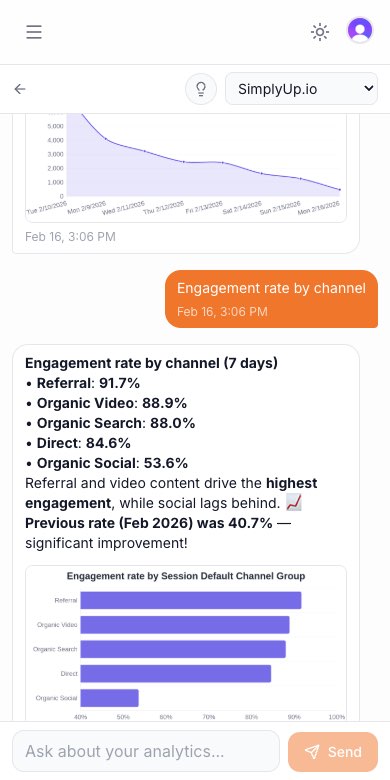
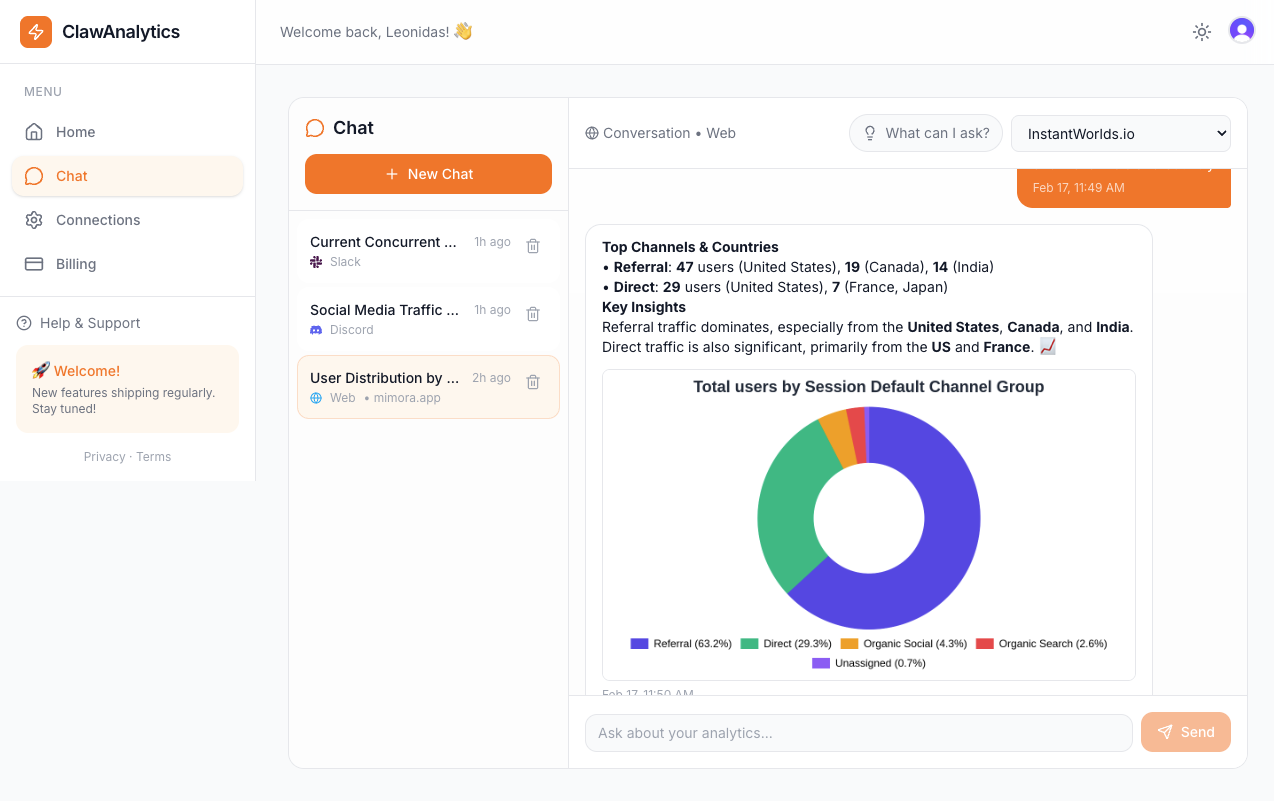
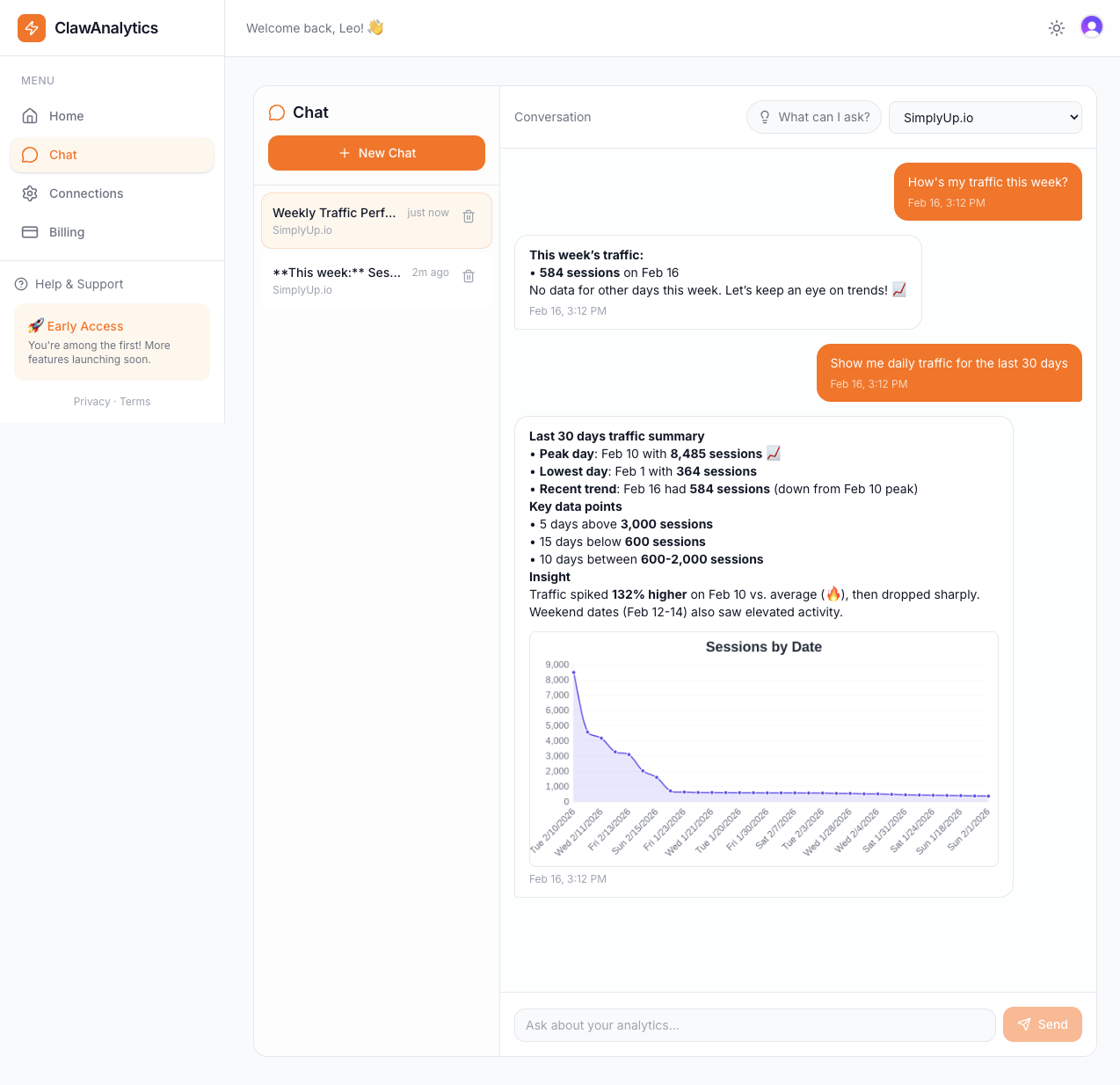
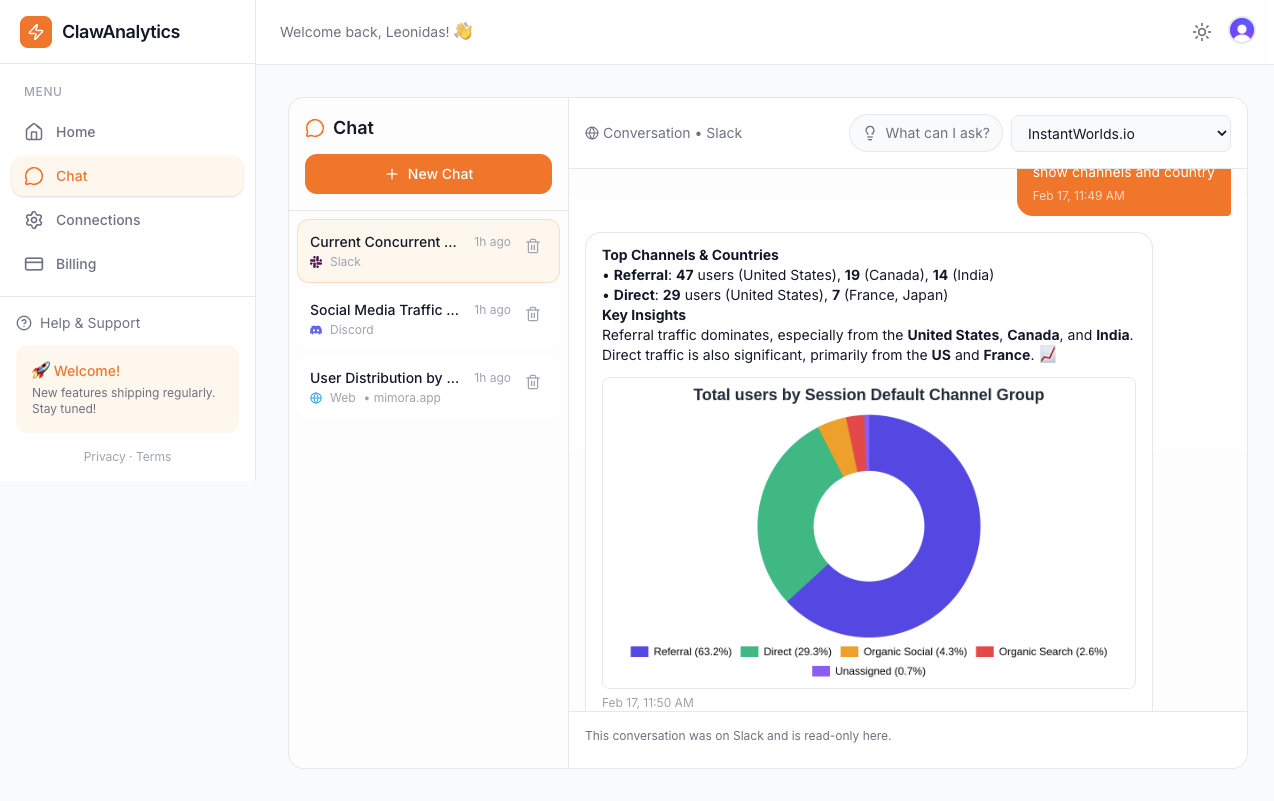
ClawAnalytics lets you ask questions like:
- What is the bounce rate for my menu page compared to my homepage
- Show me which hours of the day have the highest bounce rate
- Compare bounce rates between mobile and desktop visitors
Getting these insights in seconds helps you make fast improvements to your site.
Quick Wins to Reduce Bounce Rate
-
Display hours, location, and phone number in the header. Make this information visible on every page without requiring a click. Customers should never have to hunt for it.
-
Create a mobile-first menu. Use large readable text, clear section headers, and include prices. Avoid large hero images that slow down loading on mobile connections.
-
Add a one-click reservation button. Place a prominent reservation or order button above the fold. Do not make customers scroll to find it.
-
Show your best dishes. Feature 3-4 signature items with mouth-watering photos near the top of your page to create immediate appetite appeal and keep visitors engaged.