How to Track Channel Grouping for Beauty Salons
Running a beauty salon means building. You might a loyal client base spend money on social media, Google ads, and local flyers. But which actually brings clients through the door? Channel grouping tells you.
Why Channel Grouping Matters for Beauty Salons
1. Local focus. Most salon clients come from nearby. Channel grouping shows whether your local search efforts work. You learn if people find you on Google Maps or through neighborhood posts.
2. Repeat client tracking. Salons thrive on repeat business. A client who comes once and never returns is different from a loyal regular. Channel grouping helps you understand what brings each type.
3. Service promotion results. When you run a promotion for highlights or a new treatment, channel grouping shows whether it reached new people or just excited existing clients. You measure promotion ROI.
4. Booking source understanding. Clients book online, by phone, and in person. Channel grouping connects these bookings to their original marketing touchpoint. You see the full picture.
How to Check in GA4
Open GA4 and go to Traffic Acquisition. The default Channel grouping shows Organic Search, Paid Search, Social, Email, Referral, and Direct. This is your starting point.
For a salon, create custom channel groups. Go to Configure > Channel definitions > Channel groups. Separate local search from broader terms. Group Instagram from Facebook. Track your booking platform separately.
Use UTM parameters on everything. When you post on Instagram about a new hairstyle, tag it. When you send an email about a special, tag it. Consistent tagging makes your data useful.
Track appointment bookings as conversions. A visitor who books is worth more than one who just browses. Set this up in GA4 or use ClawAnalytics for easier tracking.
The Easier Way
Let us face it. Running a salon is busy. You do not have time for complex analytics.
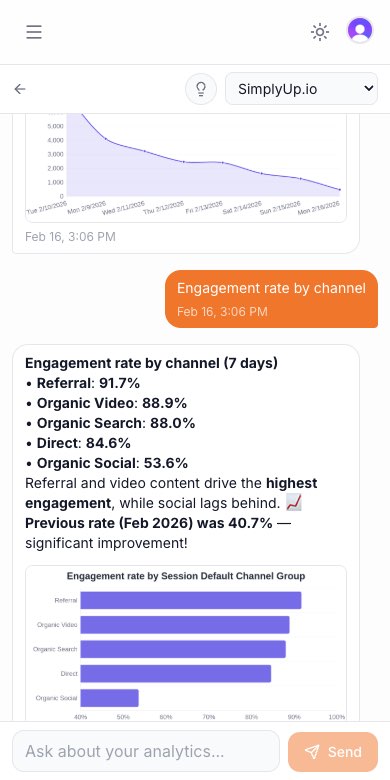
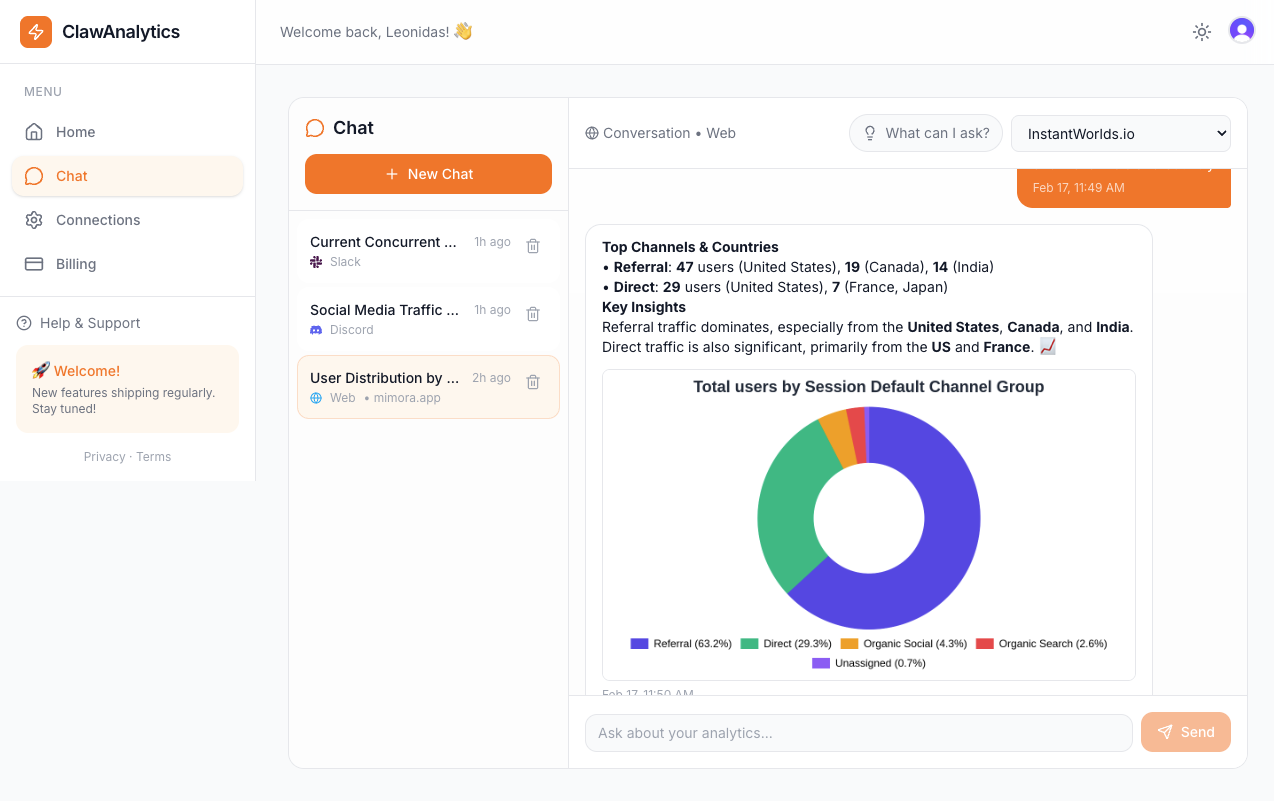
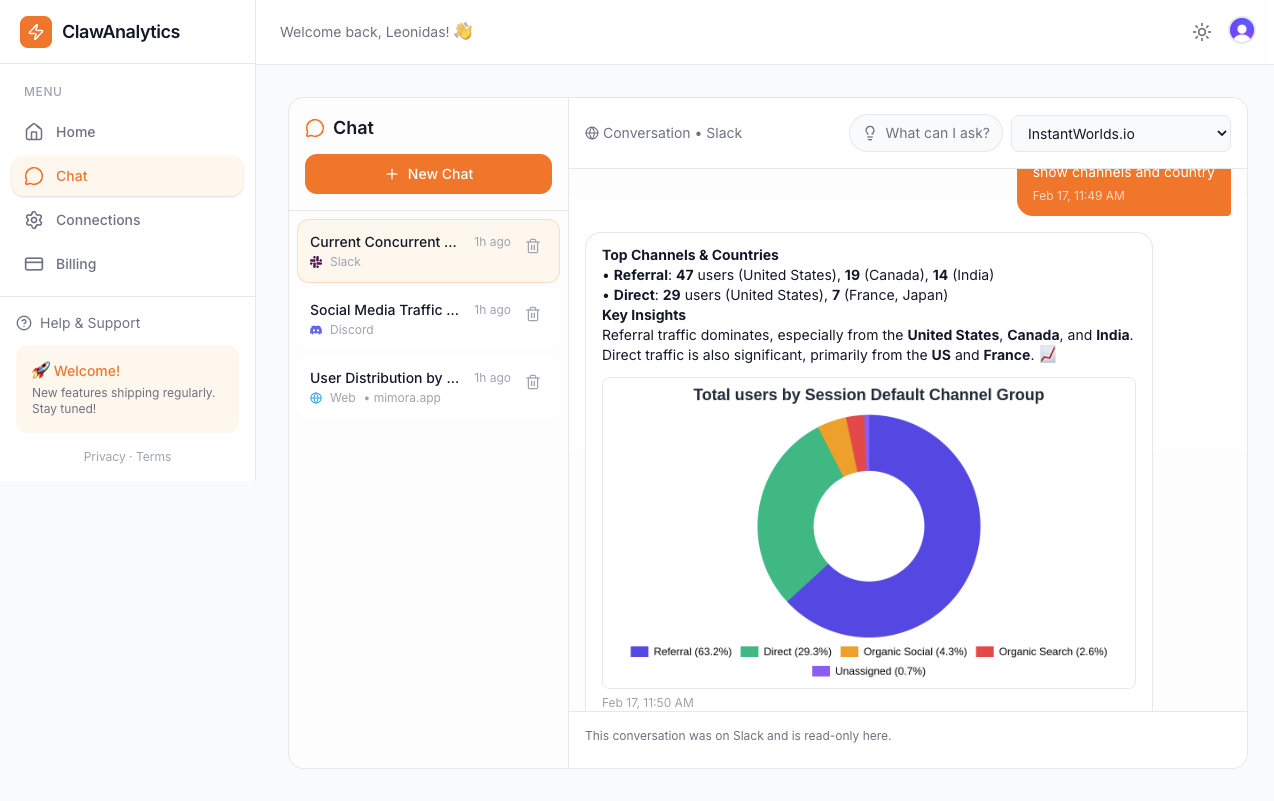
ClawAnalytics makes channel tracking simple. The platform connects to your booking data and shows you which marketing efforts actually bring clients. You get clear answers without complicated setup.
For example, you might discover that your Instagram Stories bring far more bookings than your Facebook posts. Or that clients who find you on Google Maps book more consistently than those who come from ads. These insights help you focus on what works.
ClawAnalytics also helps you understand client retention. You see which channels bring first-time visitors and which bring people back. For salons, this distinction is crucial.
Quick Wins
Start with basic channels. See how much traffic comes from Organic, Paid, Social, Email, Referral, and Direct. Does this make sense for your salon location?
Tag social posts. Every Instagram and Facebook post should use UTM tags. You want to know which posts drive bookings.
Track appointments. Set up conversion tracking for booking confirmations. ClawAnalytics makes this straightforward.
Watch for local patterns. Most salons serve a specific area. See which neighborhoods your clients come from.
Encourage reviews. Google Reviews drive local search. Track how many clients mention finding you through reviews.