Running a daycare means every marketing dollar counts. You might be spending on Google ads, Facebook, local pediatrician partnerships, and parent referrals. But how do you know which one actually brings new families through the door? That’s where channel grouping comes in.
Imagine you spent $500 on Facebook ads last month and got 5 new enrollments. Your local pediatrician referred 12 new families. Without channel grouping, you might see random traffic sources and assume Facebook is working. With proper channel grouping, you see the clear picture: pediatrician referrals win.
Why Channel Grouping Matters for Daycares
Understanding your channel grouping helps you make smarter decisions about where to invest your marketing budget. Here are the key reasons it matters:
Compare marketing channels fairly. GA4 automatically groups traffic into channels like Organic Search, Paid Search, Social, Email, Referral, and Direct. This means you can see the total picture for referral marketing instead of digging through individual referral links one by one.
Track seasonal promotions effectively. Daycares see waves of interest around summer camp season, back-to-school, and new year. Channel grouping lets you compare how each channel performed during these periods. Did your open house bring more enrollments this month?
Identify your best referral sources. Pediatricians, local schools, and satisfied parents can refer new families. Channel grouping shows you which referral partners actually send traffic that converts to enrolled families.
Optimize ad spend in real time. If you see that Paid Search brings high-quality traffic that starts applications while Social brings mostly window shoppers, you can shift your budget accordingly.
How to Check in GA4
Setting up and reading channel grouping in GA4 is straightforward. Start by logging into your GA4 property and navigating to the Acquisition report in the left sidebar. Click on User acquisition to see how different channels bring new visitors to your site.
The default channel groupings are already applied, so you do not need to configure anything to get started. You will see rows for Organic Search, Paid Search, Social, Email, Referral, and Direct traffic. Each row shows metrics like users, sessions, and key events.
To dig deeper, click on a specific channel. For example, click on Referral to see which local businesses or partners send the most traffic. You might discover that one pediatrician sends more qualified leads than all your paid ads combined.
For daycare-specific insights, consider creating a custom channel group. Go to Configure > Channel groups in GA4 and create a new group. Add channels that matter for your center, such as grouping all your local advertising together or tracking specifically for open house clicks.
The Easier Way with ClawAnalytics
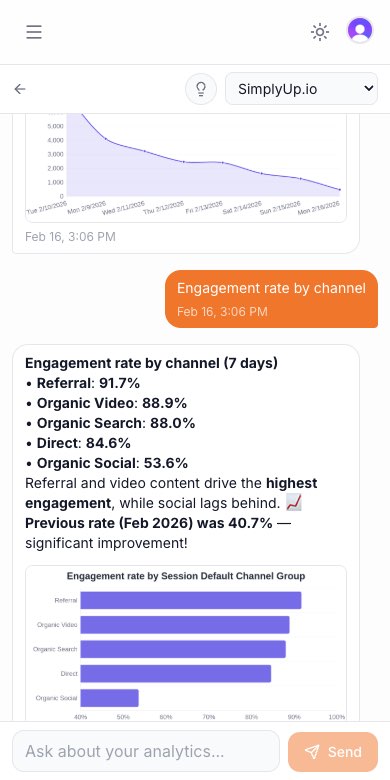
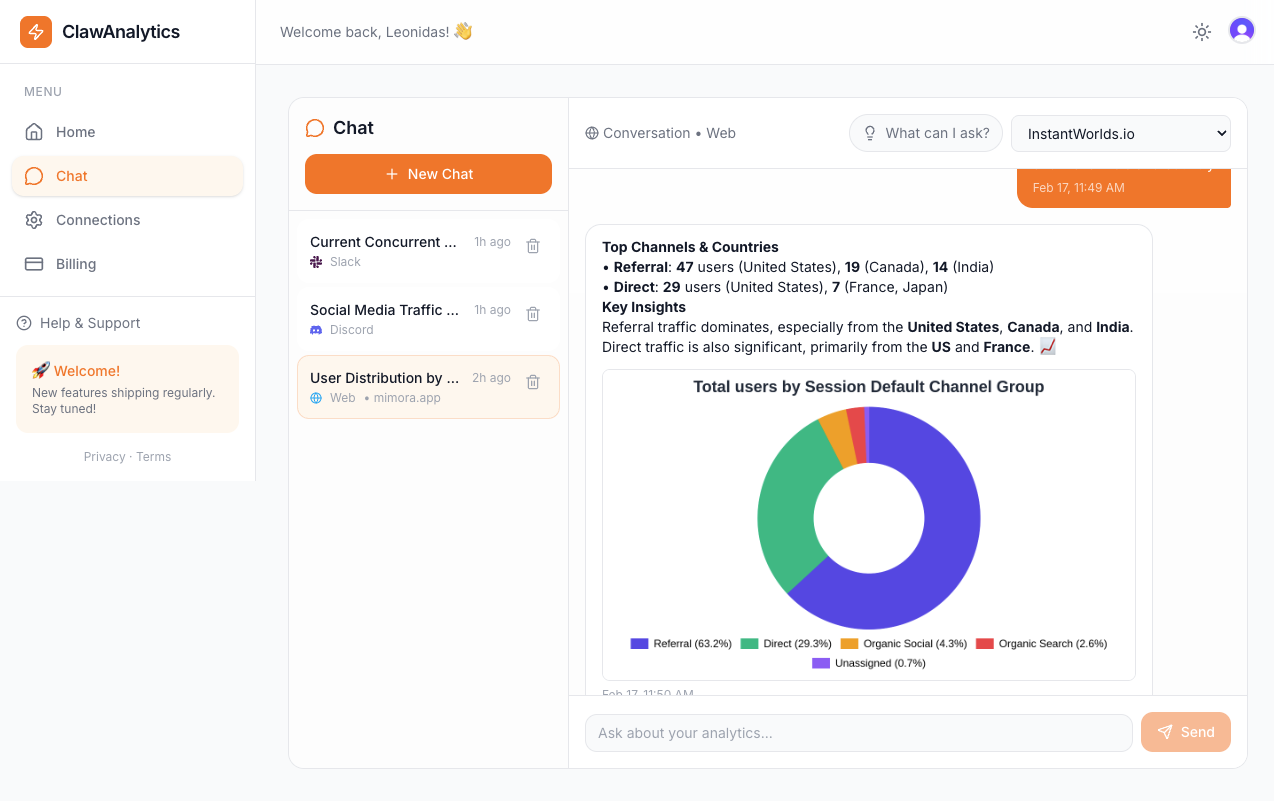
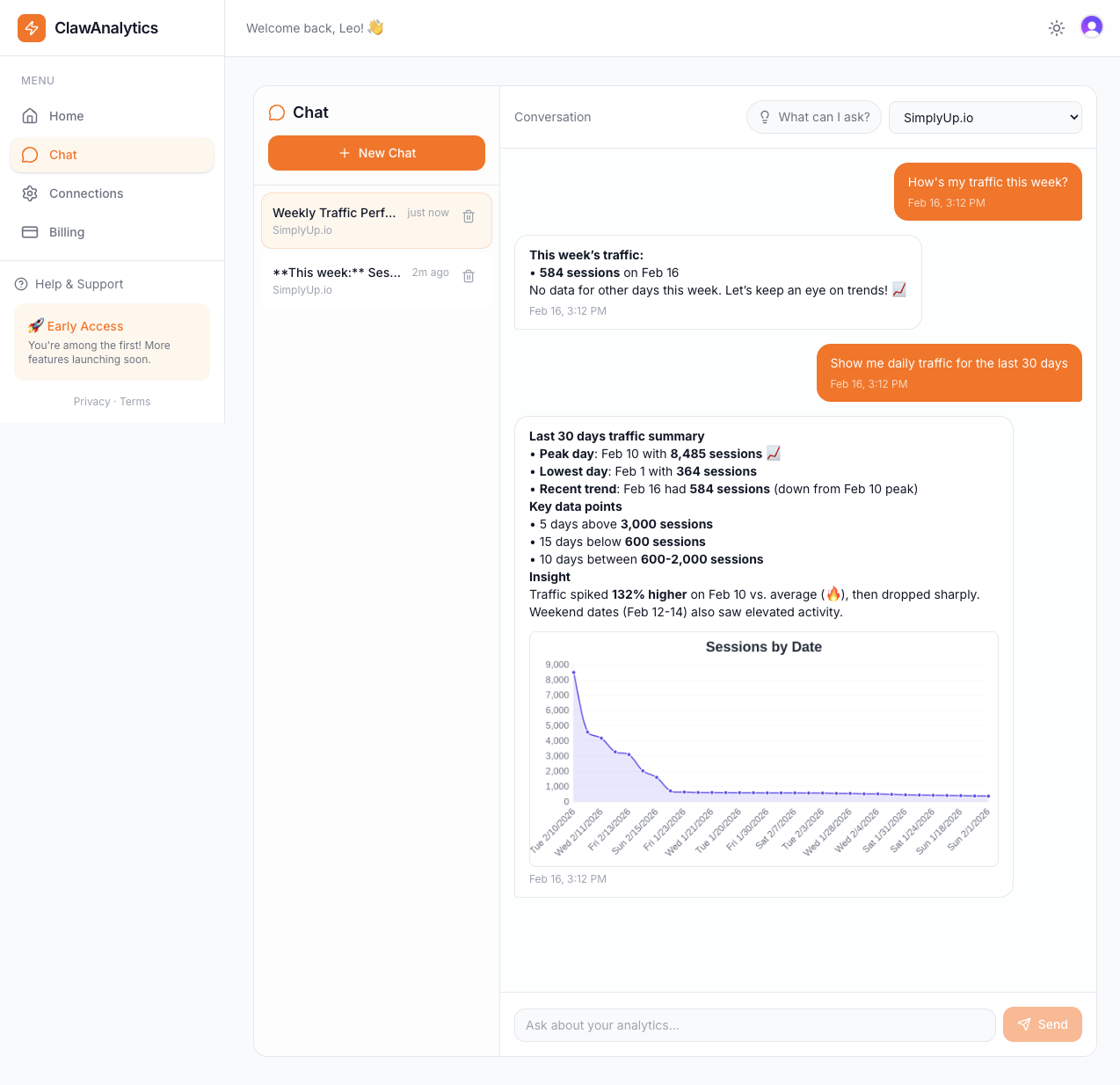
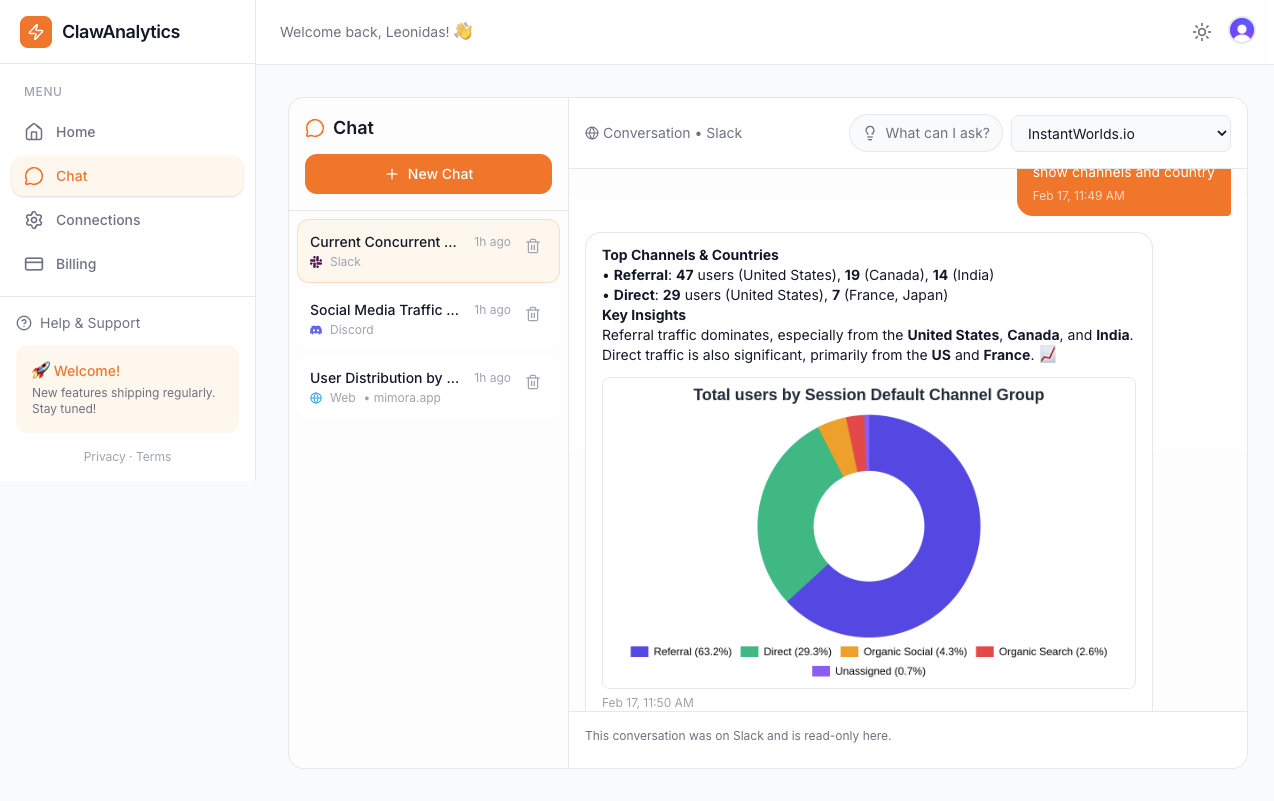
ClawAnalytics takes the complexity out of channel grouping and gives you answers instead of data tables. Instead of manually comparing channels, you can ask questions like:
Which marketing channel brought the most tour requests last month? The tool shows you the top performers across all channels so you know exactly where to focus.
Did our open house promotion work better on Facebook or through pediatrician partnerships? ClawAnalytics tracks the full journey from ad click to enrollment, so you see which channel drove actual sign-ups.
What’s our cost per acquisition from Google Ads versus referrals? The tool calculates this automatically, saving you from building complex spreadsheets.
For daycare owners who want to understand their marketing without becoming data experts, ClawAnalytics provides clear recommendations. It highlights which channels are performing and suggests where to shift budget for better results.
Quick Wins
Start using channel grouping today with these simple steps:
Add UTM parameters to all your links. Every time you share a link in an email, social post, or ad, add UTM tags like utm_source=facebook and utm_campaign=tour. This ensures GA4 correctly attributes the traffic.
Create a weekly channel review. Set aside 15 minutes each week to check which channels drove the most tour requests. Look for trends over time rather than daily fluctuations.
Focus on the channels that convert. Not all traffic is equal. A visitor from Referral who schedules a tour is more valuable than ten visitors from Social who never convert. Prioritize channels that drive action.
Test one new channel per quarter. If you have never tried local library partnerships or employer benefits programs, test it for one month and compare it to your existing channels using the grouping report.
Tracking your channel grouping is one of the simplest ways to understand what works for your daycare. Start small, review regularly, and watch your marketing become more effective.