How to Track Channel Grouping for Jewelers
You just launched a beautiful Instagram showcase of your new diamond collection. A week later, three customers come in mentioning they saw your posts. But did those posts actually drive sales, or would they have come anyway? Channel grouping tells you exactly where your customers discovered you.
Why Channel Grouping Matters for Jewelers
1. Understand Your Bridal Market Engagement ring shoppers research extensively online. Channel grouping shows whether they found you through Google searches for “engagement rings,” Pinterest boards, wedding vendor referrals, or Instagram ads.
2. Measure Social Media ROI Instagram and Pinterest are visual platforms perfect for jewelry. Channel grouping reveals if your posts are just getting likes or actually bringing customers through your door.
3. Track Local Jewelry Searches When someone searches “jeweler near me” or “custom jewelry [city],” you want to know if that search led to a visit. Channel grouping captures these local discovery moments.
4. Separate Browsers from Buyers Some visitors bookmark your site and return later. Channel grouping shows if these returning visitors convert at higher rates, helping you understand the difference between interest and intent.
How to Check in GA4
- Open GA4 and navigate to Reports > Acquisition > Traffic Acquisition
- Review the default channels: Direct, Organic Search, Paid Search, Social, Email, Referral
- Click on Social to see which platforms drive traffic: Instagram, Pinterest, Facebook, TikTok
- Check your key events like “view product,” “add to cart,” or “purchase” by channel
- Compare performance over different time periods to spot seasonal trends
Create a custom channel group to separate “Wedding Vendors” from general referrals if you want detailed insights.
The Easier Way
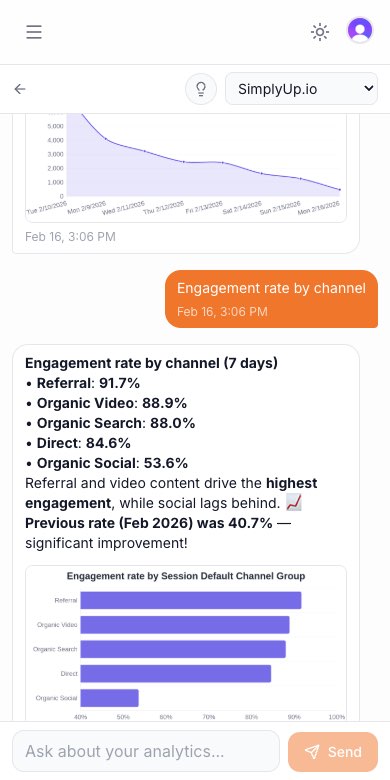
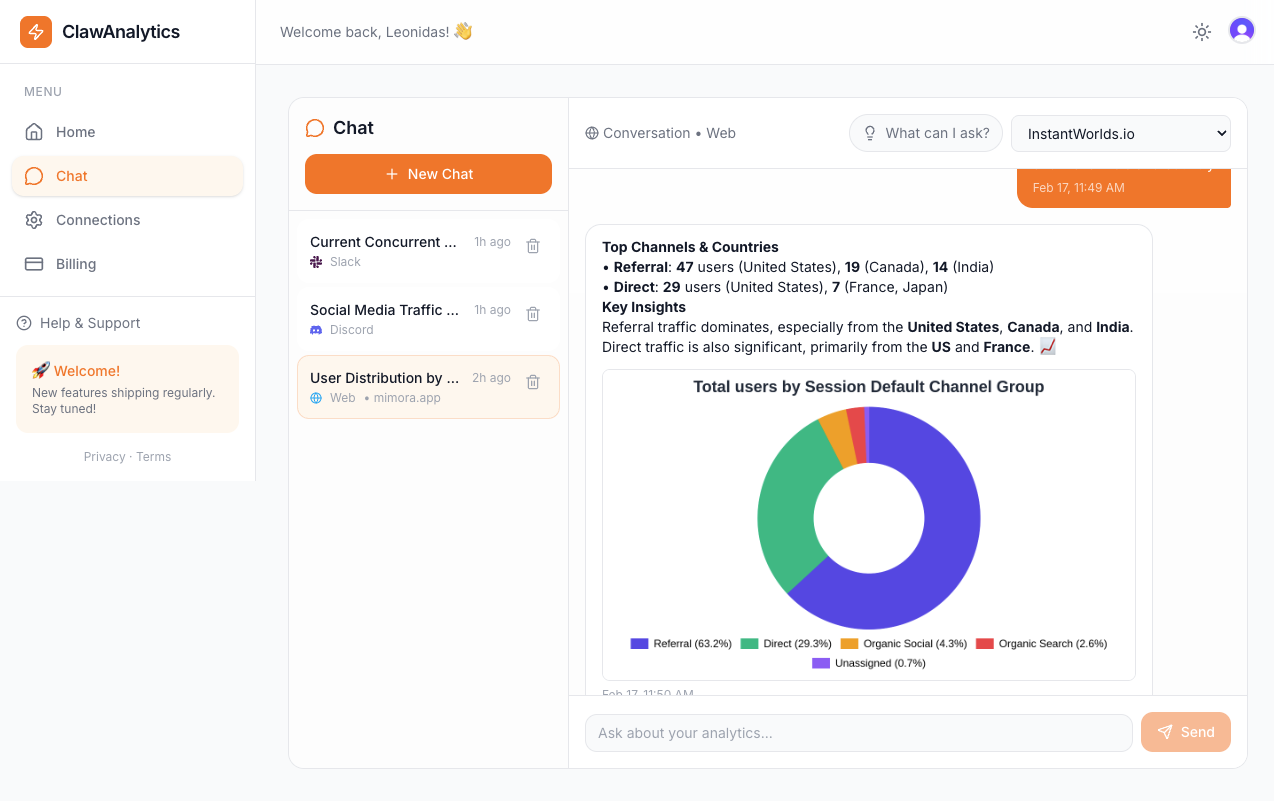
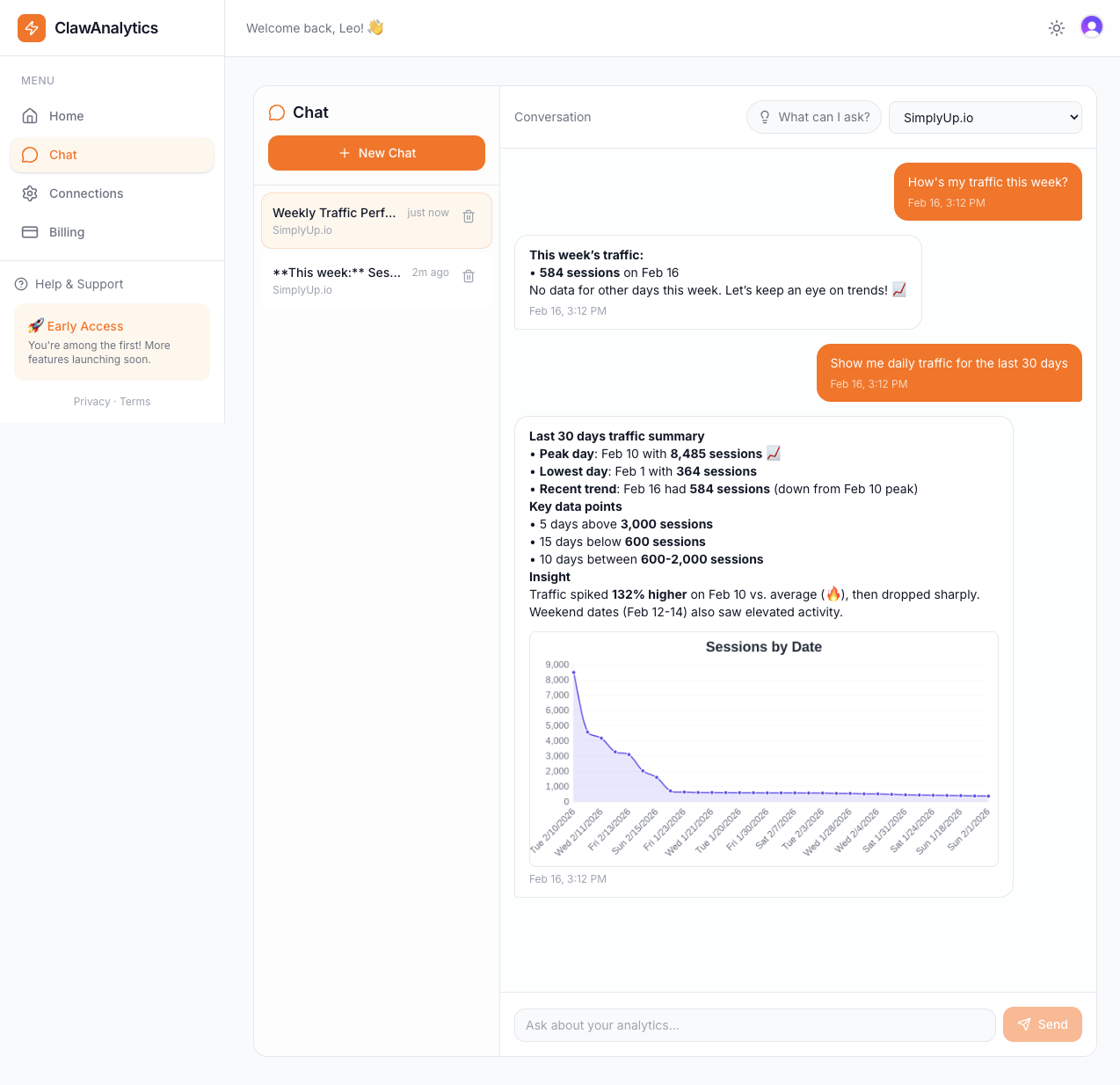
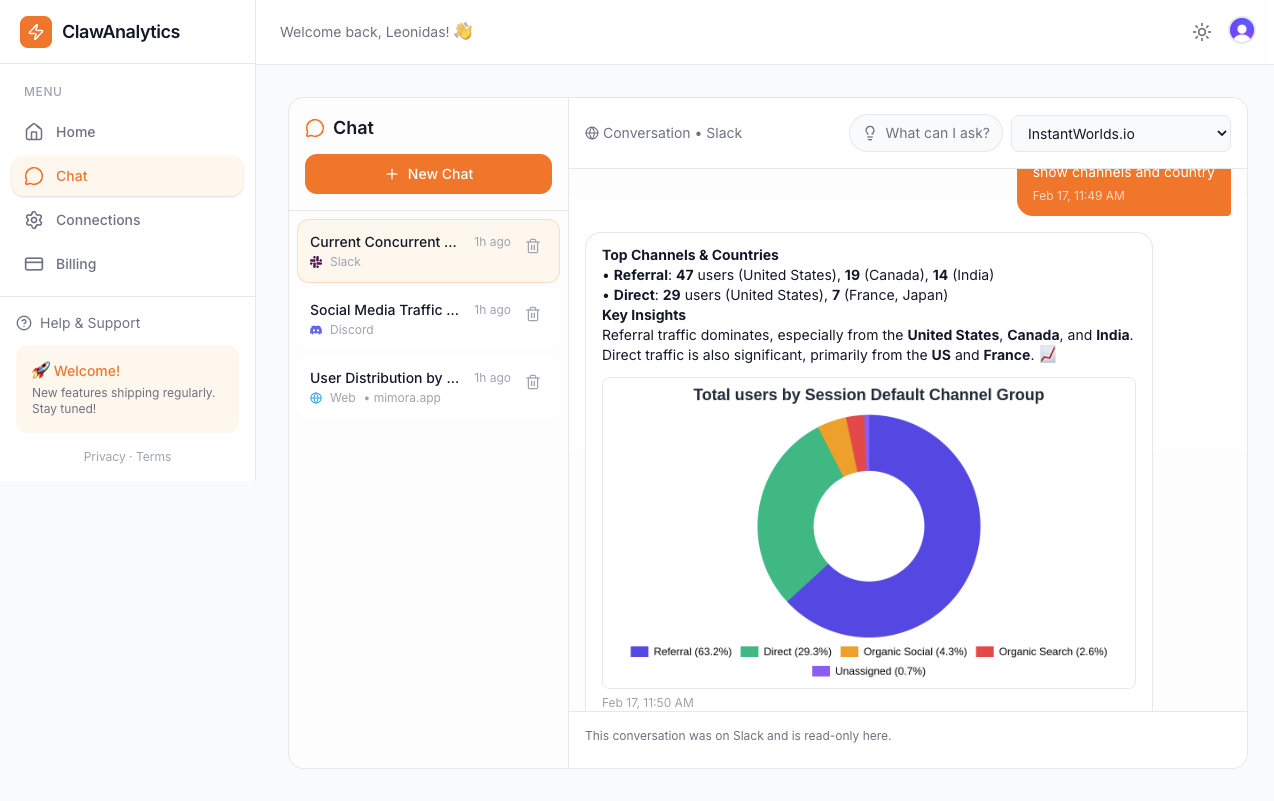
ClawAnalytics makes it simple for jewelers to see channel performance without the GA4 learning curve.
Example questions ClawAnalytics answers instantly:
- Did our Instagram new collection launch bring more store visits than Google Ads?
- Which channels bring customers who actually purchase versus just browsing?
- Are Pinterest saves converting to in-store appointments?
This helps you focus on the channels that actually sell jewelry, not just the ones getting attention.
Quick Wins
Add UTM Parameters to All Links - Tag your Instagram bio link, email campaigns, and any paid ads so you know exactly which campaign brought each visitor.
Track Instagram Story Views - Use link stickers with UTM tags to see which story elements drive the most traffic to your booking or shopping pages.
Monitor Pinterest Traffic - Pinterest often drives high-intent traffic for jewelry. Make sure it’s tracked separately so you can see if it’s worth the effort.
Set Up Event Tracking - Track “schedule appointment,” “request quote,” and “purchase” so you know which channels deliver real revenue.
Start grouping your traffic sources today. You’ll finally know which marketing efforts deserve more of your budget.