How to Track Channel Grouping for Legal
Running a law firm means every client matters. You might spend thousands on advertising but have no idea which platforms actually bring cases through the door. That is where channel grouping changes everything.
Why Channel Grouping Matters for Legal
1. Practice area alignment. A personal injury case is worth different from a divorce case. Channel grouping shows which sources bring the cases you actually want. You stop wasting time on channels that attract the wrong type of client.
2. Budget optimization. Legal marketing gets expensive fast. When you see that Google Ads bring 20 clients at $200 each while Facebook brings 5 clients at $500 each, the math is easy. Channel grouping makes these numbers visible.
3. Referral tracking. Many law firms rely on referrals. But are those referrals coming from past clients, other attorneys, or professional networks? Channel grouping helps you understand where your best leads originate.
4. Case value clarity. Not all clients are equal. A channel that brings many small cases might look successful. Another channel that brings fewer but higher-value cases might be your real money maker. Grouping reveals this.
How to Check in GA4
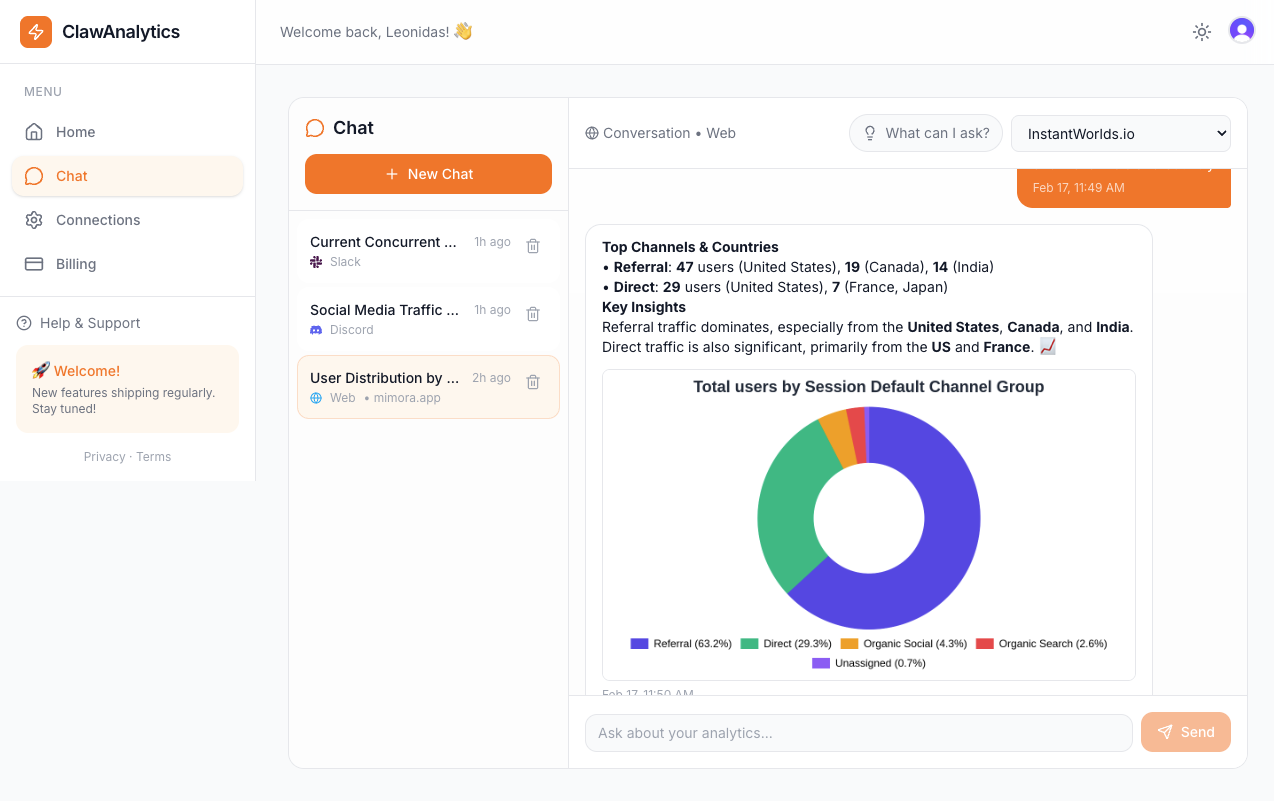
Open GA4 and go to the Traffic Acquisition report. The default Channel grouping shows your traffic divided into Organic Search, Paid Search, Social, Email, Referral, and Direct.
For a law firm, you want more detail. Create custom channel groups in Configure > Channel definitions > Channel groups. Separate your channels by practice area if needed. Maybe Organic Search brings family law inquiries while Paid Search brings personal injury leads.
Tag every campaign with UTM parameters. When you run ads for your bankruptcy practice, tag them. When you send an email newsletter about estate planning, tag it. Without consistent tagging, your channel data stays messy.
Check your channel performance weekly. Look for channels with high bounce rates or low conversion rates. Those channels might be bringing the wrong audience.
The Easier Way
Let us be honest. GA4 has a learning curve. There is a simpler path.
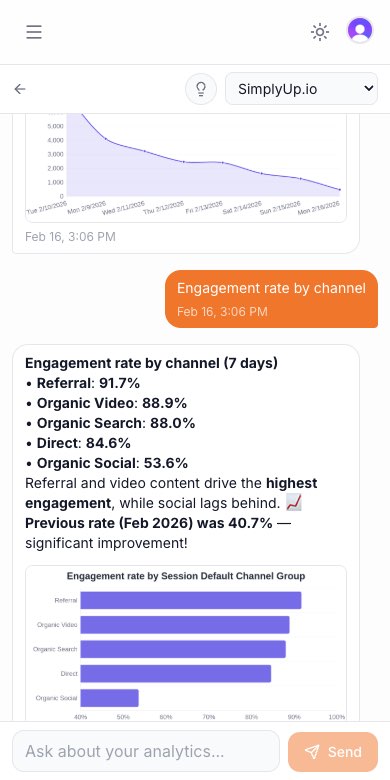
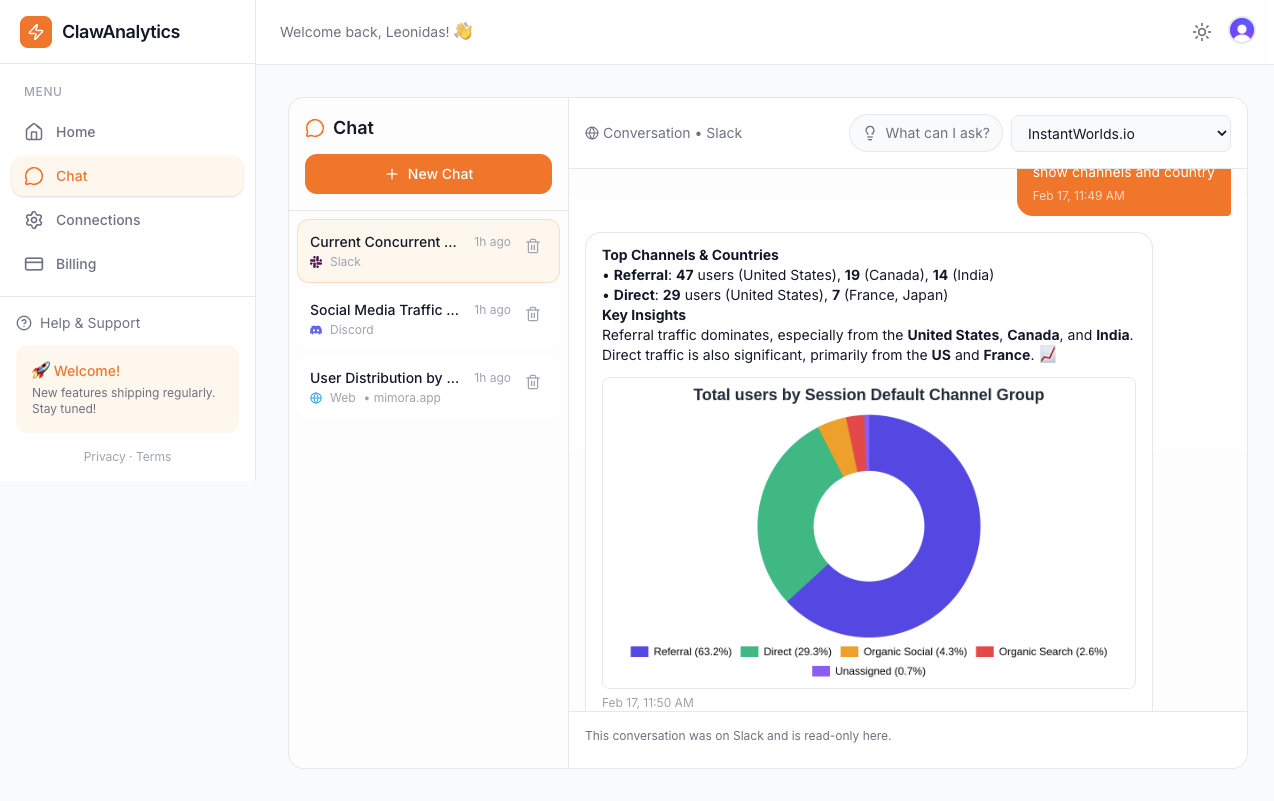
ClawAnalytics connects to your GA4 and shows you which channels actually convert into clients. You skip the complex reports and get straight to insights. The platform answers questions like “Which marketing channel brings the highest-value cases for my firm?”
Imagine discovering that your Google Business Profile brings twice as many consultation requests as your paid ads. That changes how you spend your marketing budget. Or maybe you find that your podcast sponsorship attracts exactly the corporate clients you want. ClawAnalytics makes these patterns visible instantly.
The tool helps you track the entire client journey, from first website visit to signed retainer. You see which channels nurture prospects over time and which close deals fast.
Quick Wins
Start with the basics. Use GA4 default channel groups first. See Organic, Paid, Social, Email, and Direct. Does this split match what you expect for your firm?
Tag every source. UTM parameters are essential. Tag your billboards, your podcast ads, your sponsorhips. Everything gets tracked.
Track consultations, not just visitors. A channel might bring lots of traffic but few consultations. Set up conversion tracking for consultation requests. ClawAnalytics makes this easy.
Compare channels by practice area. Your personal injury marketing might work differently than your real estate law marketing. Break down channel performance by what matters to your firm.
Review monthly. Channel effectiveness changes. Keep testing and adjusting your mix.