How to Track Channel Grouping for Roofing
A roofing job might be $5,000 or $50,000. Channel grouping tells you which marketing sources bring those big checks. Without it, you’re guessing which ads work.
Why Channel Grouping Matters for Roofing
You see beyond clicks. Roofing is a high-consideration purchase. People research for weeks. Channel grouping shows the full picture:
- Organic captures homeowners searching “roof replacement cost” or “roofing contractor near me”
- Paid tracks your Google Ads, especially for storm damage and emergency repairs
- Referral includes customer referrals and adjuster relationships
- Direct shows people who bookmarked your site or typed your number directly
You value channels by job quality. A channel might bring many leads but few accepted estimates. Channel grouping shows conversion to jobs, not just traffic.
You optimize for insurance work. Many roofing jobs involve insurance claims. Channel grouping reveals which sources bring these opportunities.
How to Check in GA4
In GA4, go to Reports > Acquisition > Traffic Acquisition. Focus on the “Key events” column to see conversions, not just visitors.
Click into “Paid Search” to see which keywords generate traffic. You might find “roof repair” converts better than “roof replacement.”
Create custom channels: group all storm-related campaigns together, separate insurance-focused ads from retail campaigns.
The Easier Way
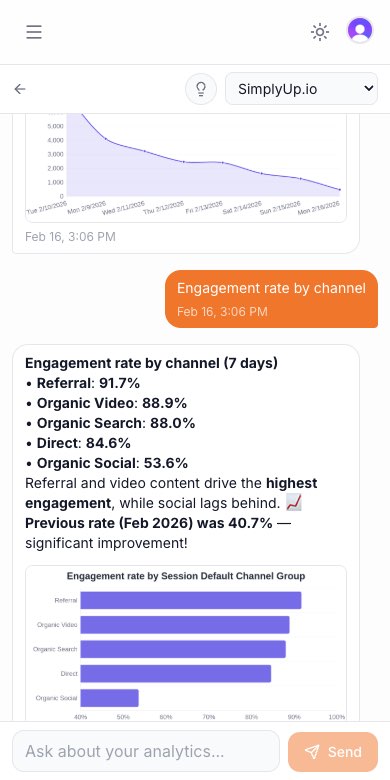
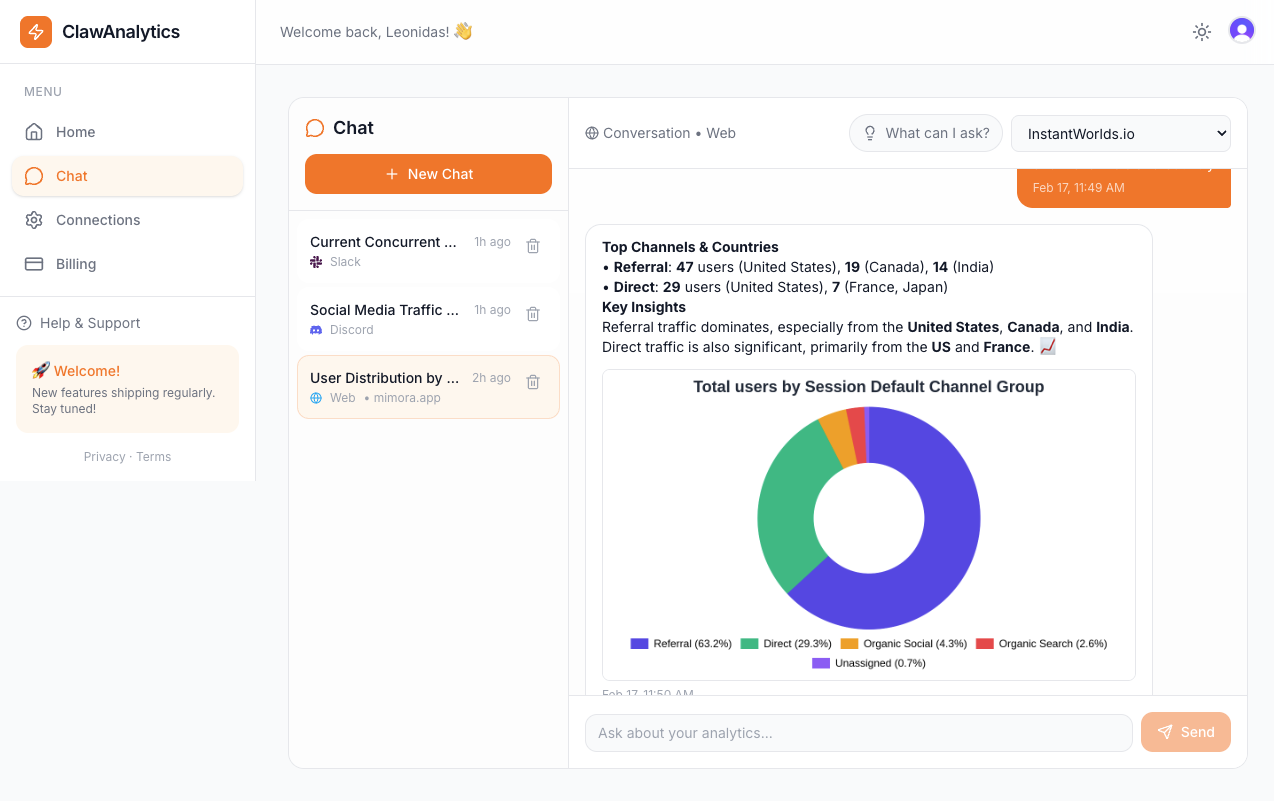
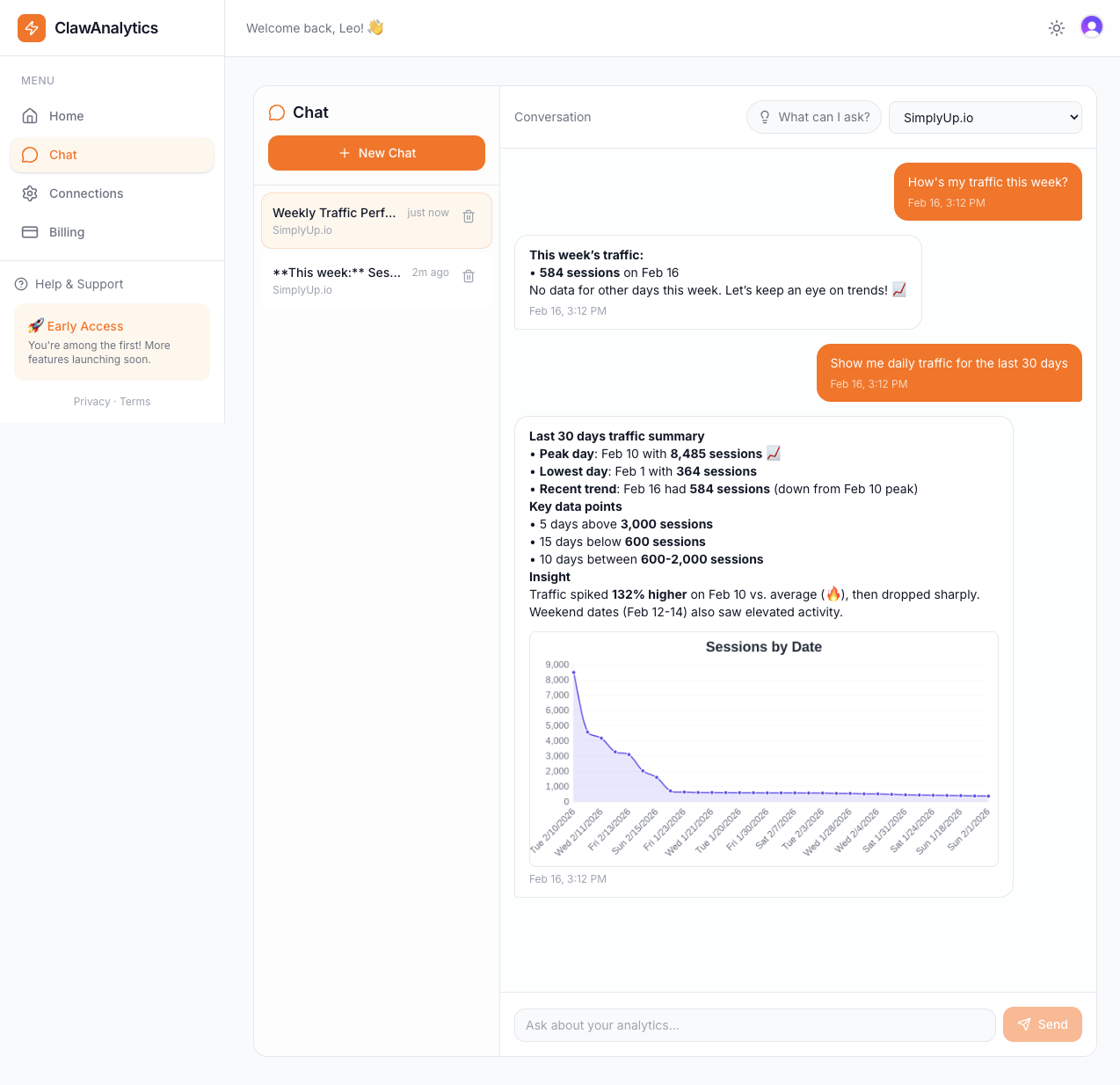
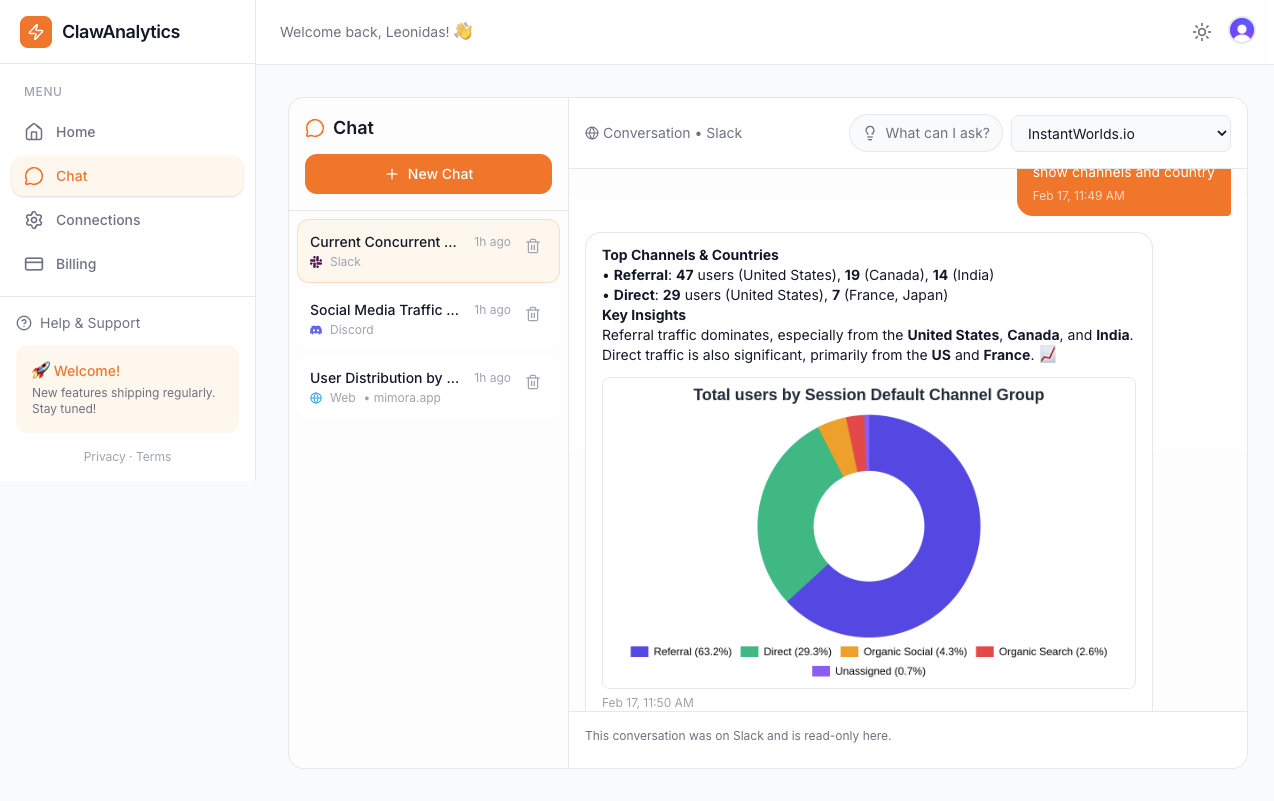
ClawAnalytics helps roofers make sense of channel data:
“Which channel brings our largest roofing jobs?”
This reveals your highest-value sources.
“Are we getting more estimates from Google Maps or Google Ads?”
This helps prioritize your Google presence.
“What’s the average job value from our referral channel?”
This measures referral ROI.
ClawAnalytics answers these questions by connecting to your GA4 data and presenting insights in plain language.
Quick Wins
-
Track estimate requests as conversions. This measures actual business, not just website visits.
-
Separate storm chase campaigns. If you do storm work in other regions, track those campaigns separately from local work.
-
Use landing pages with UTM tags. Every campaign should have a dedicated landing page with proper UTM parameters.
-
Review monthly. Roofing sales cycles are longer than most. Monthly reviews show trends without overreacting to daily noise.
Channel grouping helps roofing companies understand which marketing investments actually turn into roofs. That means better jobs and smarter growth.