How to Track Channel Grouping for Startups
Your startup is launching. You have a tiny budget and even less time. Every dollar counts. You need to know which channels actually bring users, not just visits. Channel grouping is your secret weapon for smart growth.
Why Channel Grouping Matters for Startups
Startups operate in survival mode. Resource allocation is critical. When you know which channels deliver users at the lowest cost, you can focus your limited resources there. Channel grouping also speeds up iteration. You can test a channel, measure results, and move on quickly.
It attracts investors too. When you can show clear channel metrics and unit economics, your startup looks more professional. Channel grouping also helps with scaling. Once you find a channel that works, understanding its grouping helps you replicate success across similar channels.
How to Check in GA4
Start with GA4’s default channel groups in the Acquisition reports. Focus on the channels most relevant to startups: Organic Search, Paid Search, Referral, and Social. Create custom channel groups to track startup-specific channels like Product Hunt, AngelList, or partner referrals.
Set up conversion events for key startup metrics like sign-ups, activated users, and paying customers. Then, attach these to your channel groups to see which channels drive real value. Review this data weekly as you iterate on your growth strategy.
The Easier Way
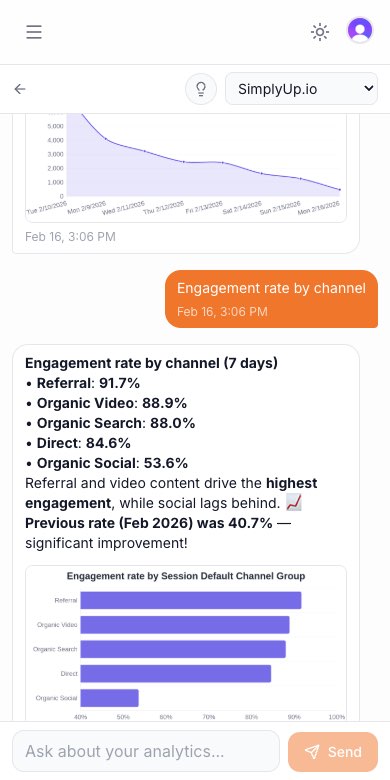
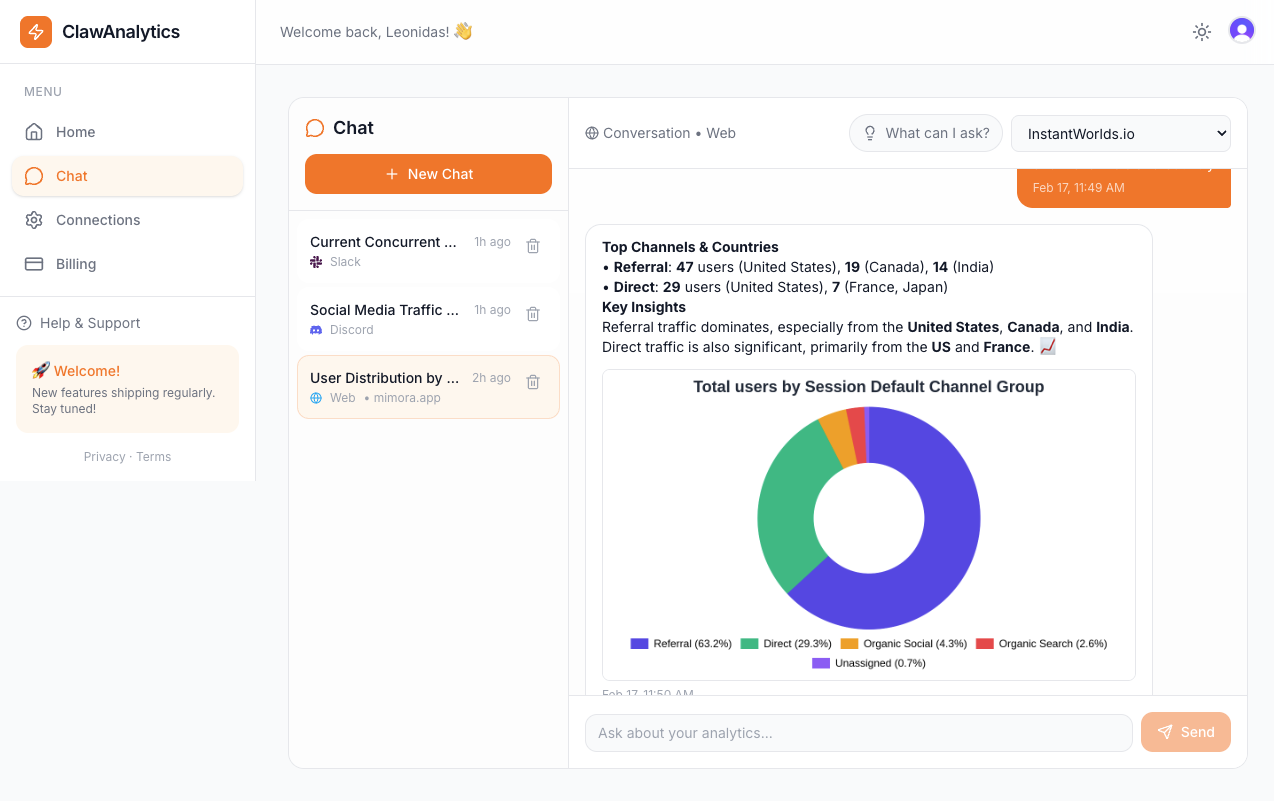
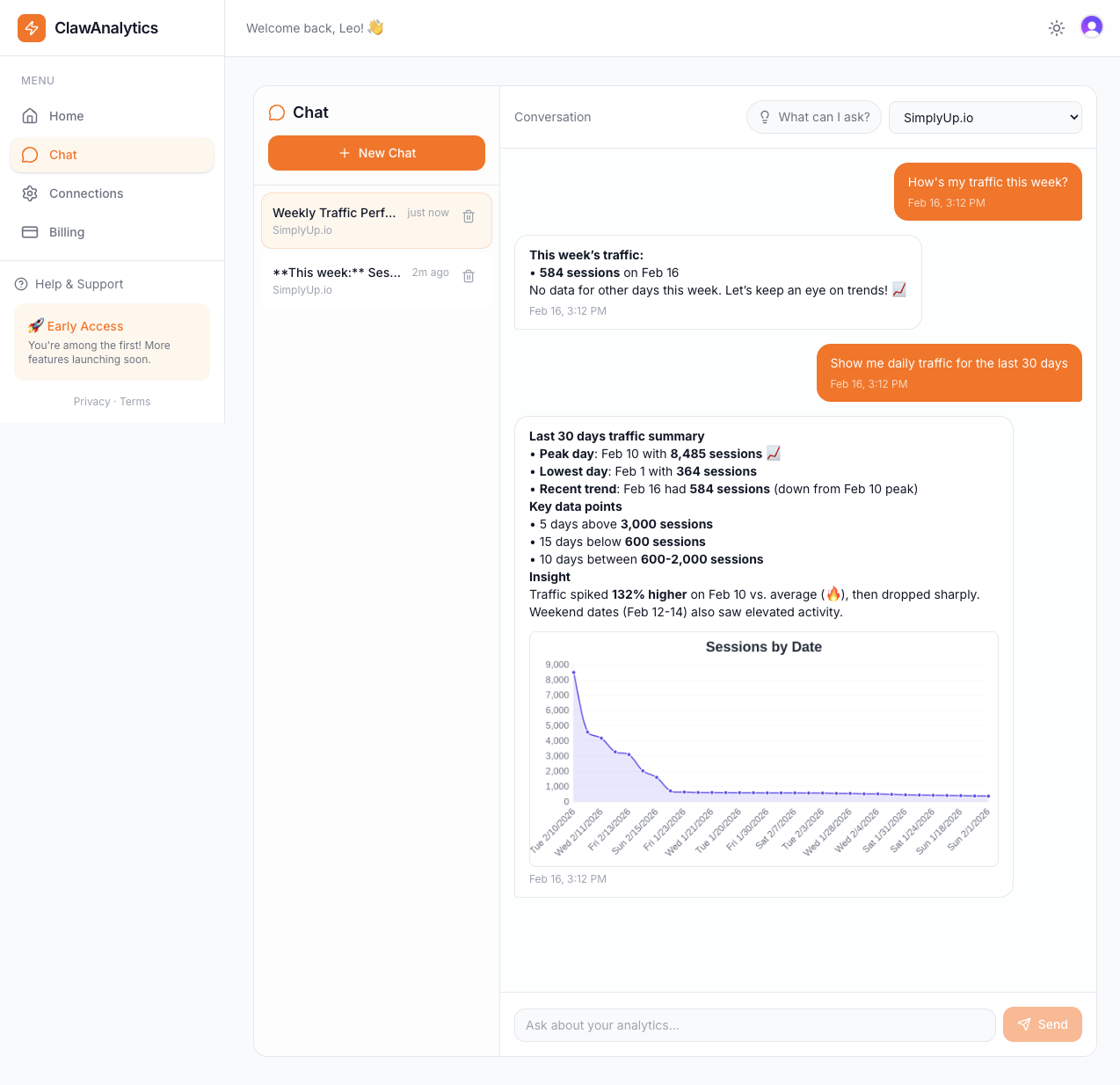
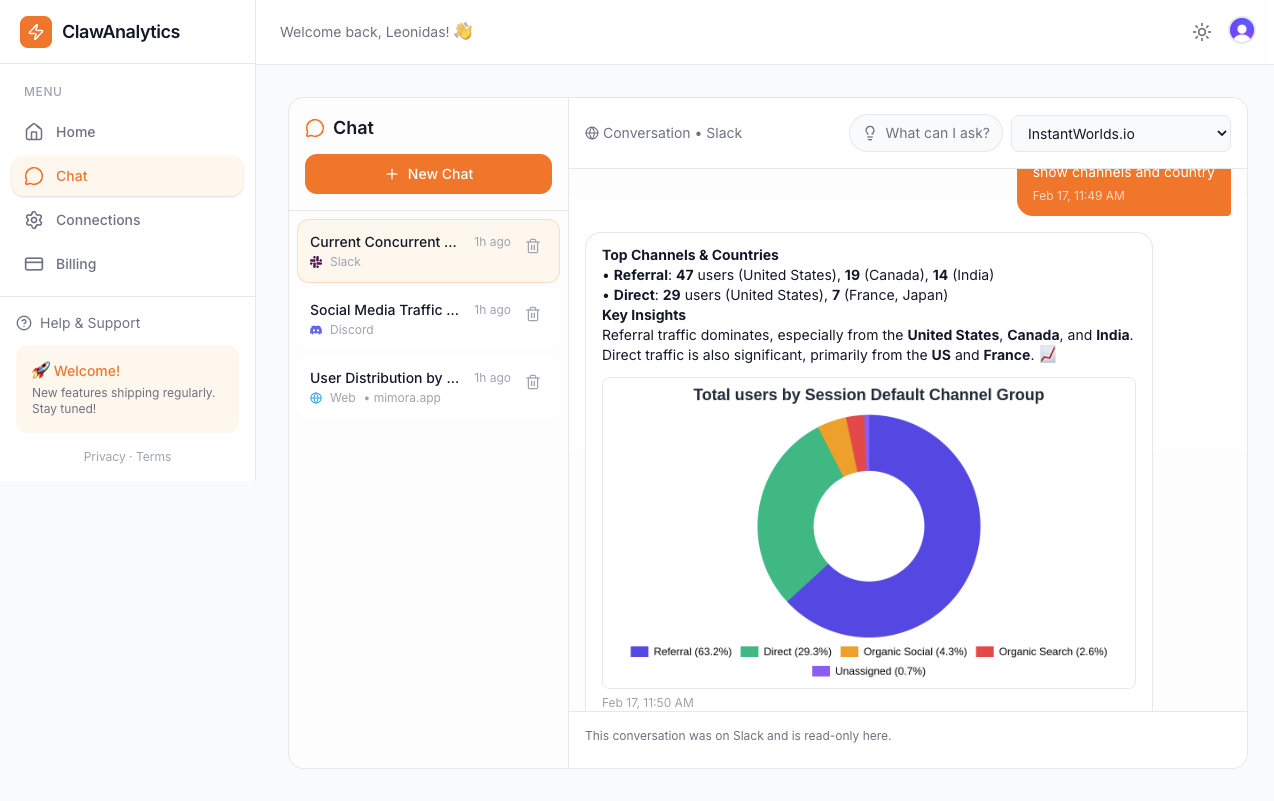
ClawAnalytics is designed for startups that need answers fast. You can ask questions like: “What’s my cheapest user acquisition channel?” or “Which channels drive the most activated users?” The platform connects your traffic data to actual user outcomes.
ClawAnalytics also tracks growth experiments, so you can see which channels performed best after product launches or marketing pushes. Many startups use it to build their growth dashboard in minutes instead of hours.
Quick Wins
Here are tips for startups to make channel grouping work for you. First, focus on cost per action, not just traffic volume. Second, test channels in small batches and measure before scaling. Third, use UTM links for every campaign so tracking stays accurate. Fourth, review channel performance weekly in the early stages to find product-market fit faster.