You launch a new summer collection. Sales look great. But three months later, you have no idea how many buyers came back for fall styles. Cohort analysis answers this instantly.
Why Cohort Analysis Matters for Clothing Stores
Fashion retail moves fast. Trends change weekly. Understanding which customers keep buying versus those who shop once defines your growth strategy.
- Seasonal buying patterns become visible. Group customers by when they first purchased. You might discover fall coat buyers return for spring dresses at much higher rates than summer shorts buyers.
- Category loyalty emerges. Some customers exclusively buy activewear. Others focus on formal wear. Cohorts reveal these patterns so you can tailor marketing.
- Campaign effectiveness measures real impact. Did that Instagram ad bring customers who kept buying, or just one-time shoppers? Cohort retention data tells you.
- Inventory decisions improve. When you know which customer groups buy which categories, you stock accordingly and reduce markdowns.
How to Check in GA4
In GA4, go to Explore and create a new cohort analysis. Set the cohort scope to user and the acquisition dimension to first purchase date. Define the cohort by your purchase event.
You will see a retention table showing what percentage of each cohort returned in week 1, week 2, month 1, month 2, and beyond. Focus on the 30-day and 90-day retention rates for clothing.
Compare cohorts by acquisition source. Are customers from email marketing more likely to return than social media buyers? This comparison guides budget allocation.
The Easier Way
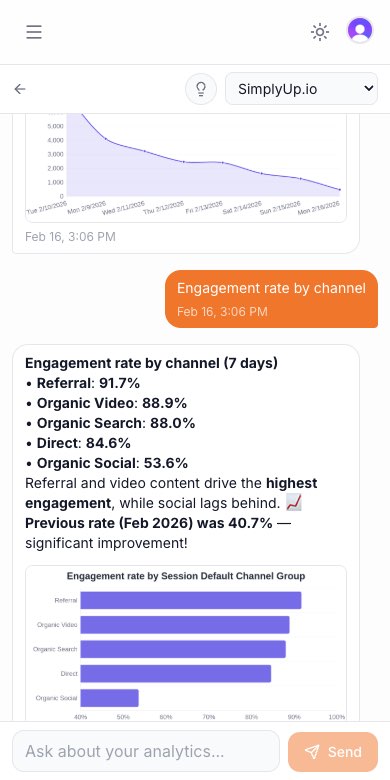
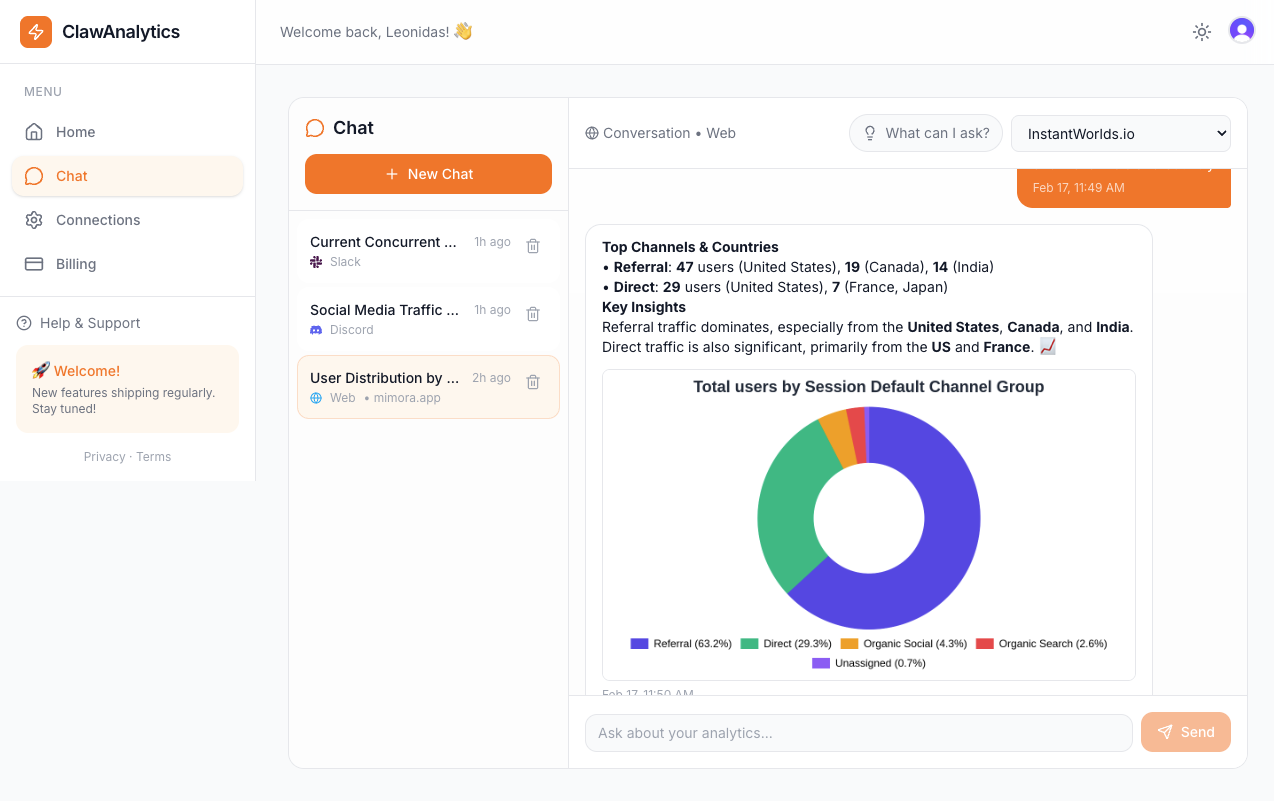
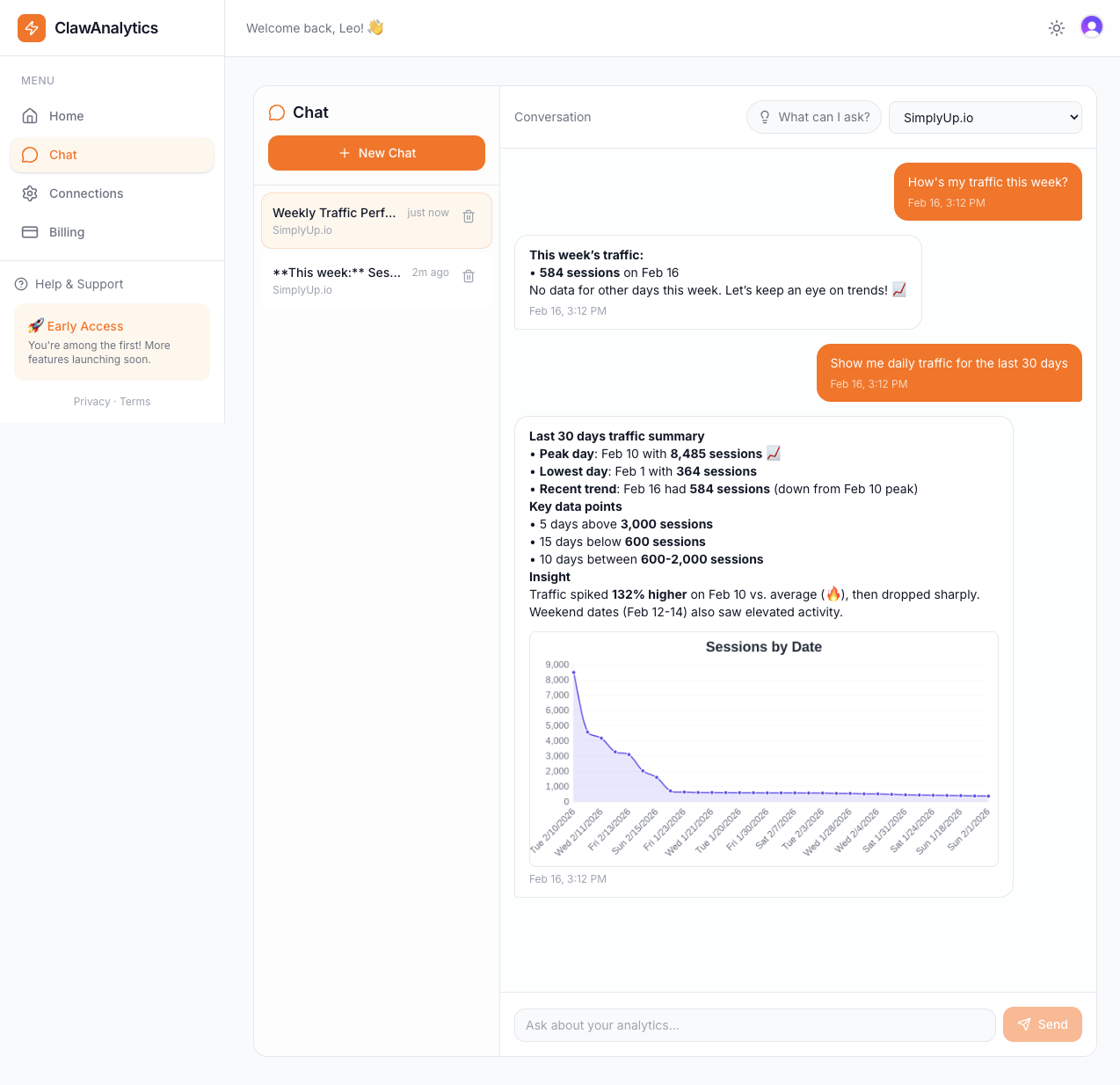
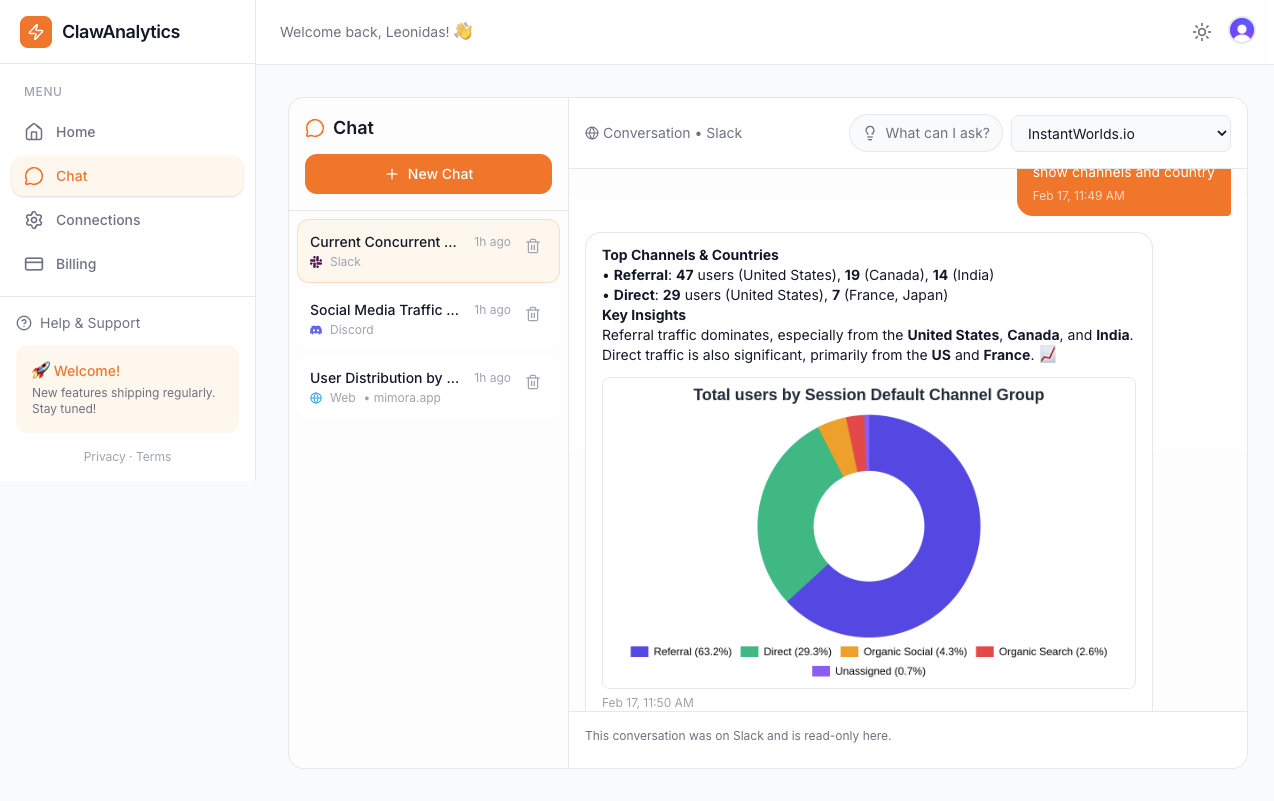
ClawAnalytics combines GA4 data with retail-specific insights. You see which clothing categories drive the highest repeat purchase rates and which customer segments spend the most over time.
For instance, you might ask: What percentage of customers who bought dresses in spring returned for tops in summer? Or: Which acquisition channel produces customers with the highest 90-day repeat rate? ClawAnalytics displays these answers in ready-to-use dashboards.
The tool also highlights seasonality. You see exactly how cohort behavior shifts between spring, summer, fall, and winter collections.
Quick Wins
- Create category-specific cohorts. Group customers by their first purchase category, then track cross-category purchases.
- Measure email campaign impact. Compare retention rates for customers who signed up for your newsletter versus those who did not.
- Reward top repeat buyers. Use cohort data to identify your most loyal customers and offer early access to new collections.
- Optimize seasonal campaigns. If summer collection buyers rarely return for fall, test bundling or loyalty incentives to improve retention.