How to Track Cohort Analysis for Gyms
You signed up 50 new members in January. By March, only 15 still show up regularly. Cohort analysis would have shown you this pattern earlier, allowing you to intervene with at-risk members before they dropped off.
Why Cohort Analysis Matters for Gyms
Renewal rates become predictable. Some membership types naturally have higher renewal rates. Cohort analysis reveals whether annual members stay longer than monthly members, helping you price and promote effectively.
Marketing channel quality emerges. A promotion bringing in 100 new members might look successful, but cohort analysis shows whether those members renew. Channels that bring loyal members are worth more than ones that bring deal-hunters.
Early warning signs appear. When a cohort’s attendance drops in weeks 4-6, you know the critical window for intervention. Reach out to at-risk members during this period with personalized outreach.
Class popularity affects retention. Members who take group fitness classes might stay longer than those who only use equipment. Cohorts let you test this hypothesis and optimize class offerings.
How to Check in GA4
Open GA4 and go to Analytics > Explore. Select the Cohort Exploration template. Choose “First activity date” or create a custom dimension for “Membership start date.”
Add metrics like “Check-ins,” “Class bookings,” and “Sessions.” Look at how each cohort’s engagement changes over time. Focus on the 30-day, 60-day, and 90-day retention columns.
For gyms, compare different membership types or signup promotions. See which cohorts have the highest retention and investigate what makes them different.
The Easier Way
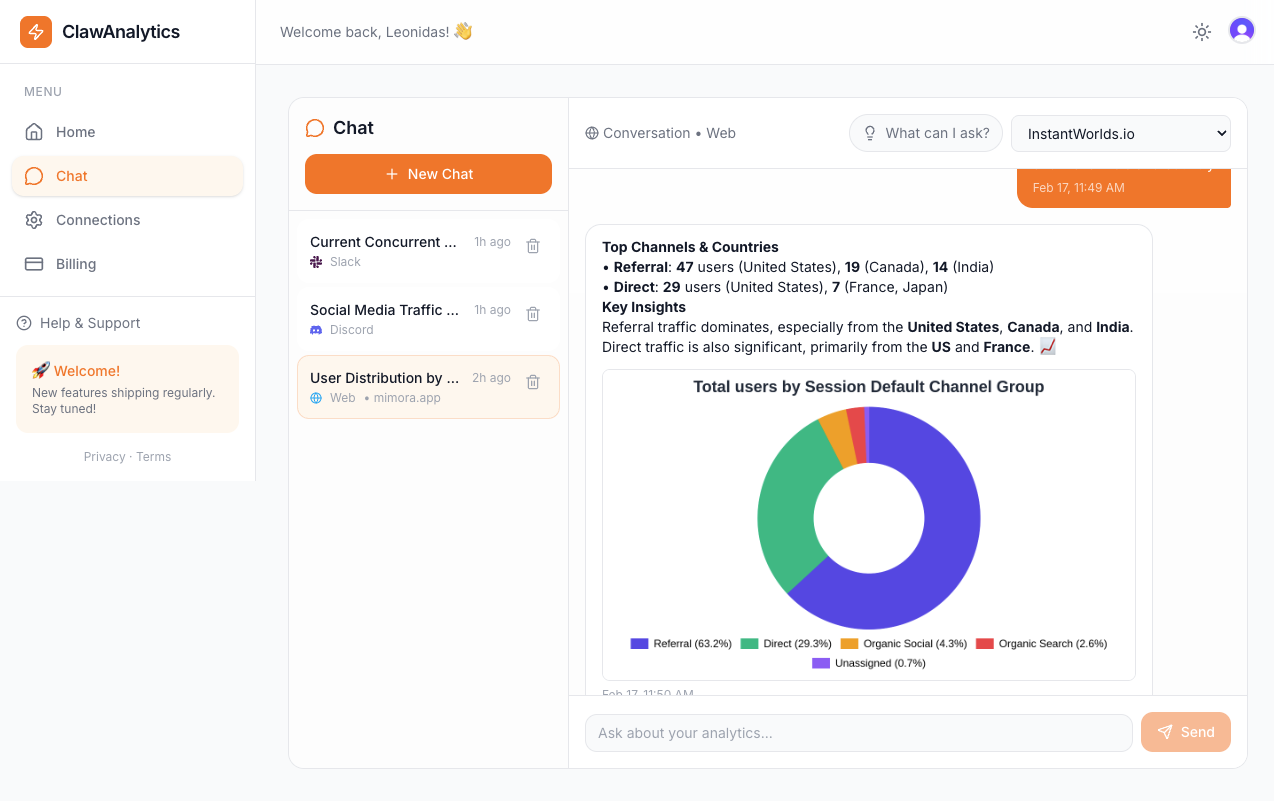
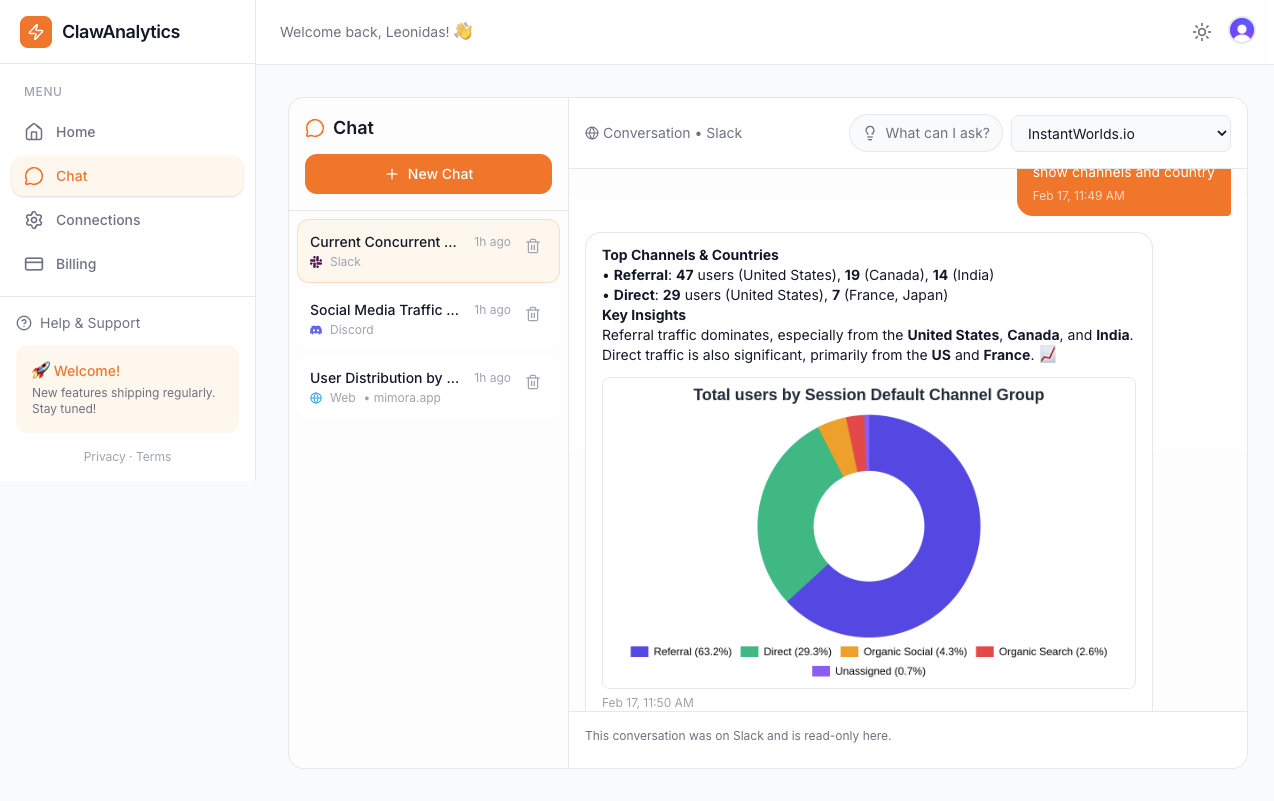
ClawAnalytics connects to your gym management software and automatically tracks member cohorts. You see which groups stay active and which ones are at risk of cancelling.
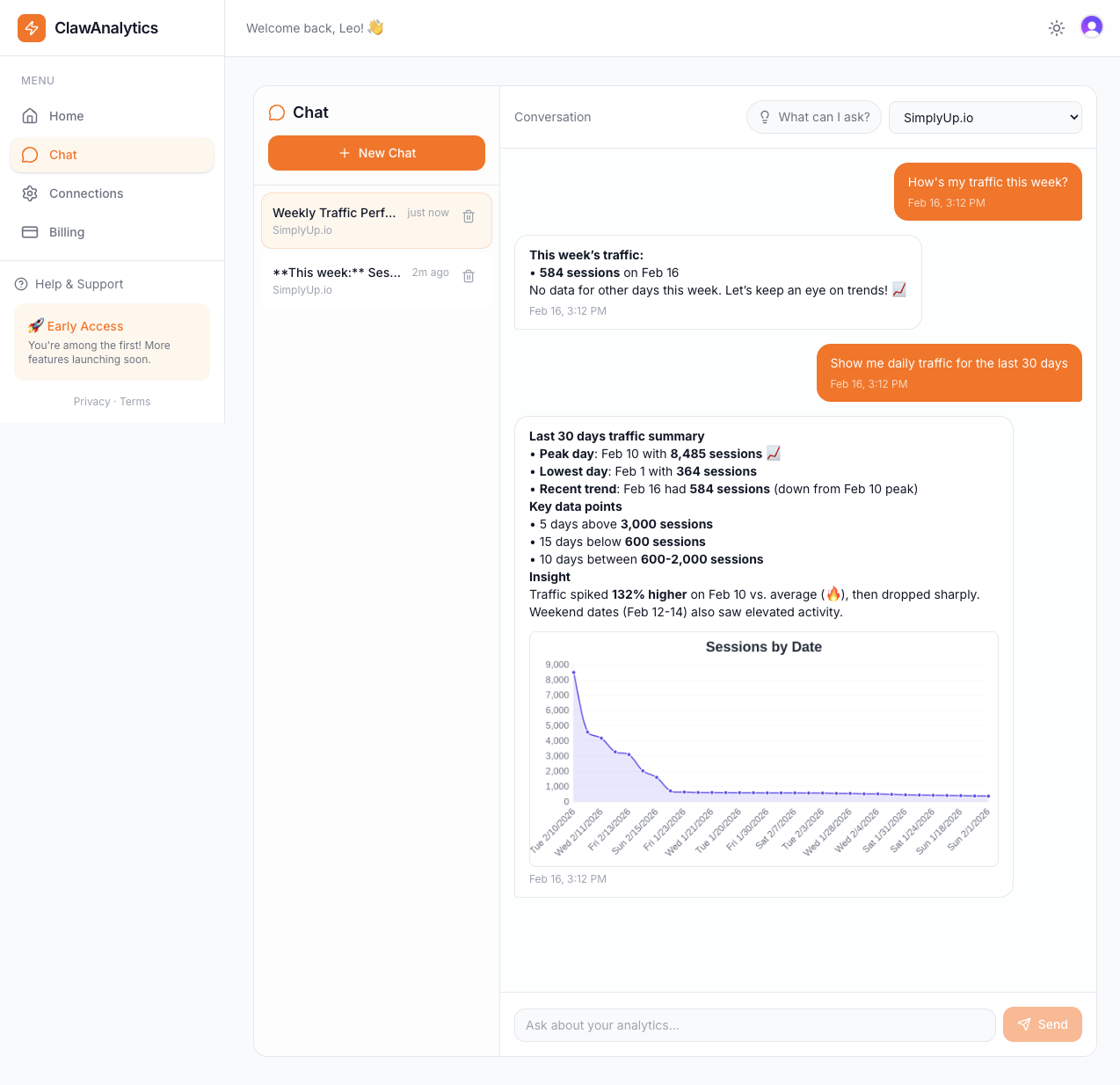
With ClawAnalytics, you can ask “Which members are most likely to renew?” or “Do members who start in January stay longer than those who join in summer?” The platform provides instant insights.
Many gyms use this to create targeted win-back campaigns. When you identify at-risk cohorts early, you can offer incentives to keep them engaged.
Quick Wins
Start tracking new member cohorts by signup month. Note who renews and who cancels within the first 90 days. This builds your baseline retention data.
Create a simple early-warning system. If members from a specific cohort haven’t checked in for 14 days, trigger a personalized outreach attempt.
Focus retention efforts on your lowest-performing cohorts. If monthly members cancel more often than annual members, consider incentives to upgrade.