Your optical practice sees 150 new patients in the first quarter. A year later, only 65 have booked a follow-up exam. You send recall reminders to everyone, but only a fraction respond. Cohort analysis reveals something useful: patients who purchased contact lenses at their first visit returned for annual exams at a 72% rate, while glasses-only patients returned at 45%. That gap tells you where to focus your recall energy and how to structure your first-visit recommendations.
Why Cohort Analysis Matters for Opticians
Improve recall campaign effectiveness. Blanket recall reminders are expensive and generate mediocre response rates. When you know which patient cohorts are most likely to lapse, you can prioritize outreach, personalize messaging, and time your campaigns for maximum impact.
Connect retail and clinical revenue. Optical practices generate revenue from both eye exams and product sales. Cohort analysis shows whether patients who buy premium lenses or designer frames also show up for annual exams more consistently, helping you align your clinical and retail strategies.
Identify high-value patient segments. Not all patients are equal in terms of lifetime value. A patient who returns annually and upgrades their frames every two years is worth dramatically more than a one-time visitor. Cohort data surfaces these segments so you can focus retention efforts where they matter most.
Benchmark year-over-year performance. Each quarter’s new patients form a cohort. Comparing 2023 cohorts to 2024 cohorts tells you whether your patient acquisition quality and retention are improving over time, beyond just raw patient numbers.
How to Check in GA4
GA4 can track online behavior for optical practices with patient portals or online booking. Here is how to use cohort exploration:
- Navigate to Explore > Cohort exploration in GA4.
- Define your cohort using First touch, grouping patients by the quarter or month of their first booking.
- Set the engagement event to appointment booked or contact lens reorder submitted.
- Use the weekly or monthly granularity depending on how often patients typically return.
- Add breakdowns by service type, referral source, or patient age if those custom dimensions are configured.
For full lifecycle tracking, you will want to supplement GA4 with data from your practice management software.
The Easier Way
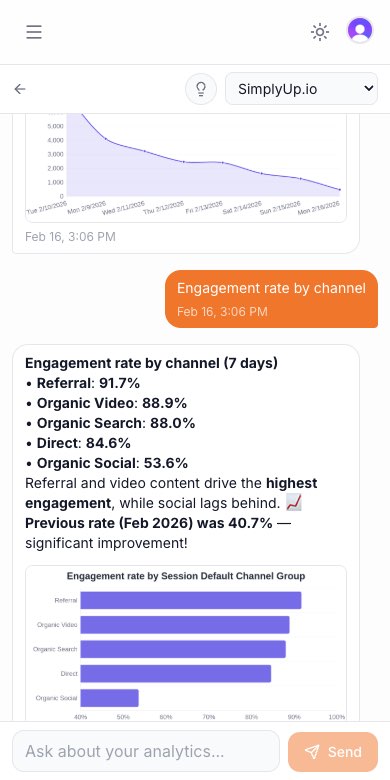
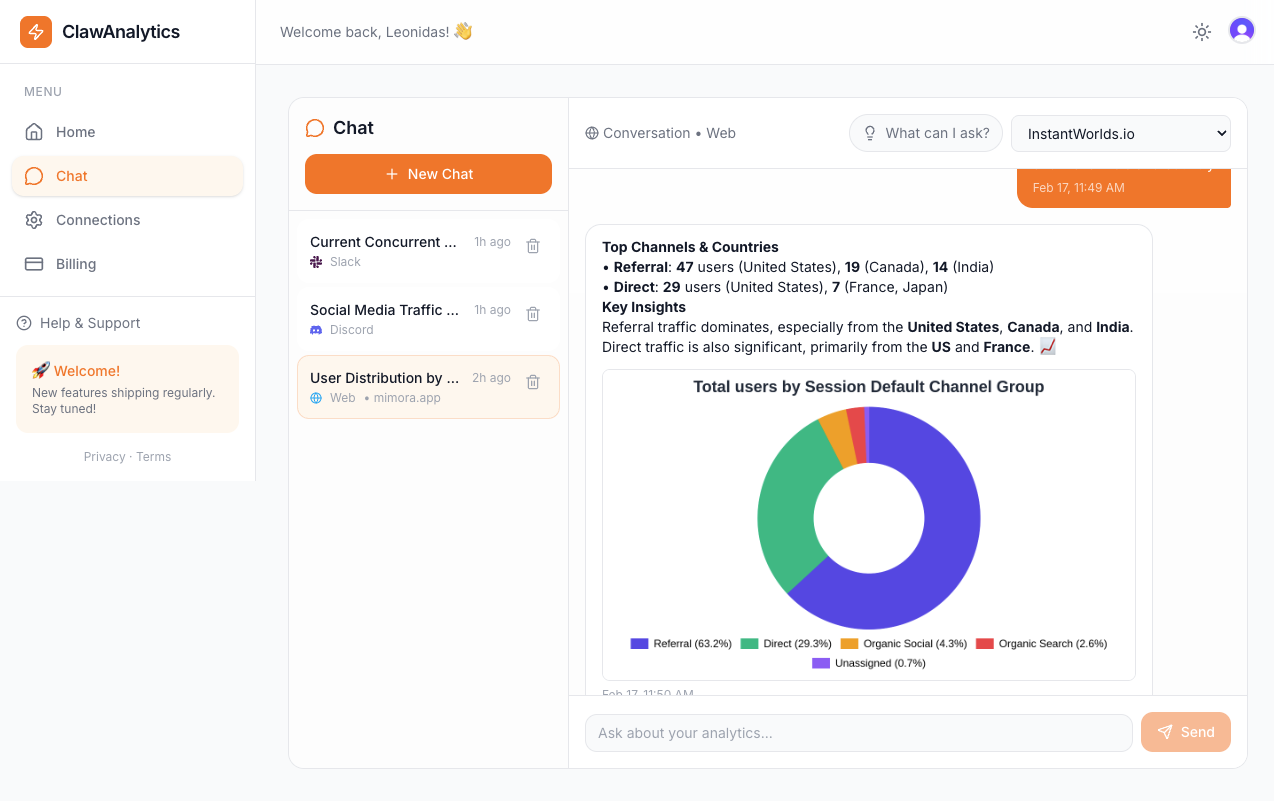
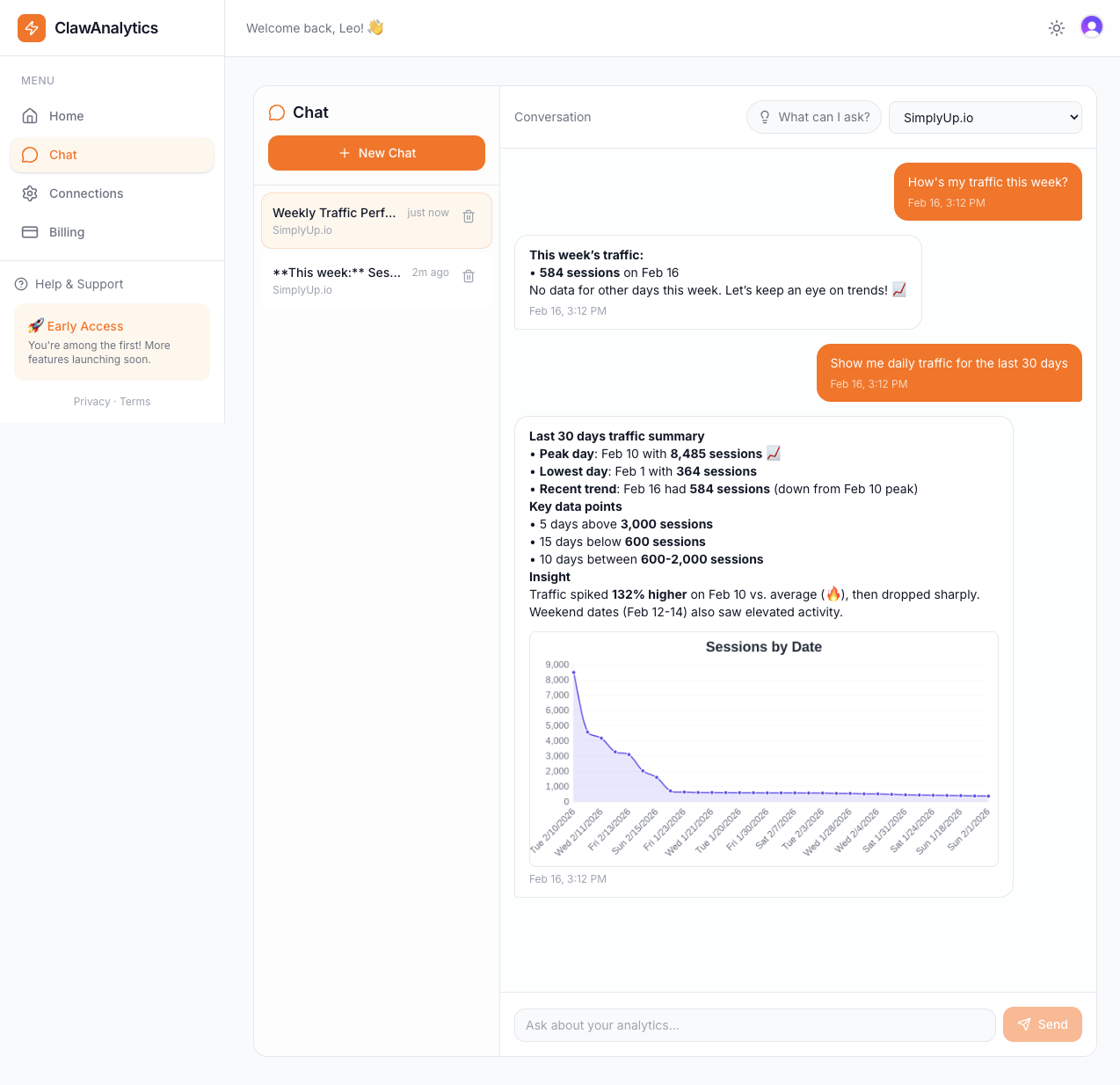
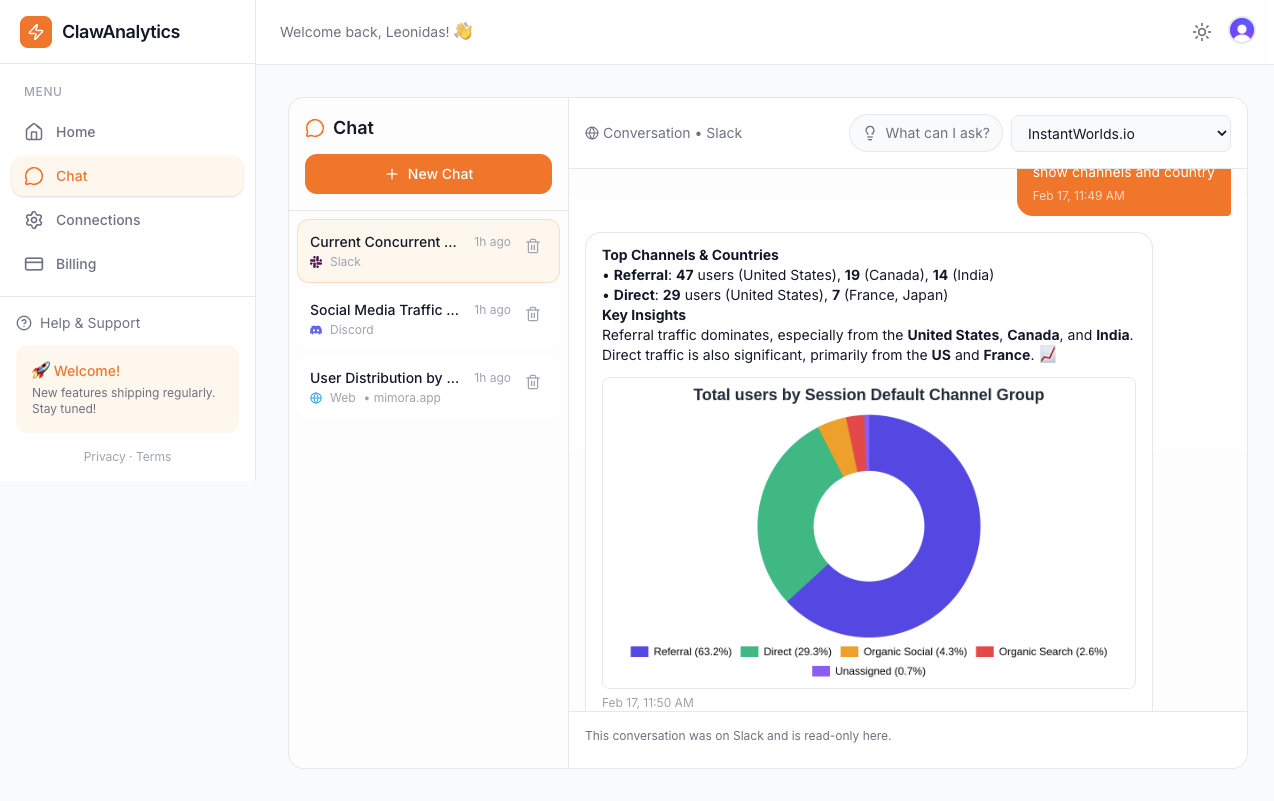
GA4 gives you part of the picture, but optical practice revenue depends on data that lives in your booking and point-of-sale systems. That is where ClawAnalytics adds real value. It pulls cohort data across your entire patient history and surfaces retention trends you would otherwise need an analyst to find.
Try asking: “What percentage of patients who bought premium progressive lenses returned for their next exam?” or “Which referral source, Google vs optometrist referral vs walk-in, produces patients with the highest 24-month retention rate?” ClawAnalytics answers these directly and notifies you when a cohort’s recall response rate drops below your practice’s historical average.
Quick Wins
- Send recall reminders at 11 months, not 12. Patients book ahead of time, and early reminders outperform late ones.
- Track which first-visit product purchases correlate with higher return rates and train staff to prioritize those recommendations.
- Offer a small incentive for patients who book their next exam before leaving the practice.
- Create a contact lens subscription or auto-reorder program to guarantee touchpoints between annual exams.
- Target patients who lapsed 14-18 months ago with a win-back offer. They know your practice and are easier to reactivate than cold prospects.