How to Track Conversion Rate for Opticians
A customer books an eye exam, gets their prescription, and then buys glasses somewhere else. You provided the exam but lost the sale. Conversion rate tracking reveals these missed opportunities.
Why Conversion Rate Matters for Opticians
Conversion rate measures how many eye exams result in eyewear purchases. Here is why this matters for your optical shop:
It reveals upselling success. If patients get exams but do not buy glasses, your frame selection, pricing, or staff recommendations might need work.
It shows referral patterns. Do patients who come through insurance convert differently than those paying out of pocket? Conversion data shows this.
It identifies timing issues. Some patients take weeks to decide. Knowing your average conversion window helps with follow-up timing.
It measures staff performance. Different stylists and opticians convert at different rates. This highlights training opportunities.
How to Check in GA4
Google Analytics 4 can track your optician conversion rate. Here is how to set it up:
First, define conversions. In GA4 Admin, find your purchase completion event. Mark it as a conversion.
Then, create an audience. Build an audience of users who completed an eye exam appointment. Compare their purchase behavior to overall visitors.
Calculate your rate: divide customers who purchased eyewear by customers who completed exams. Multiply by 100.
The Easier Way
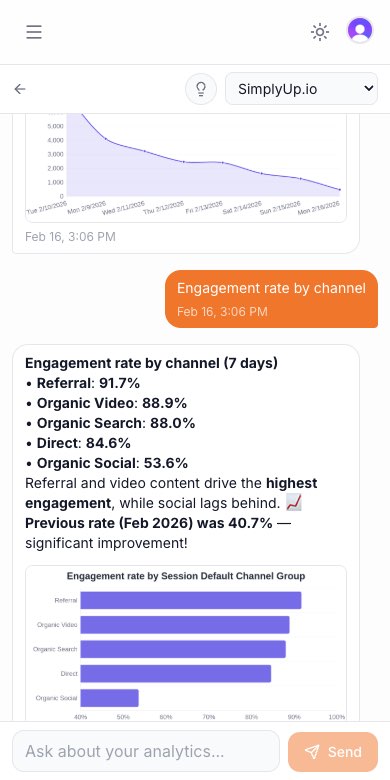
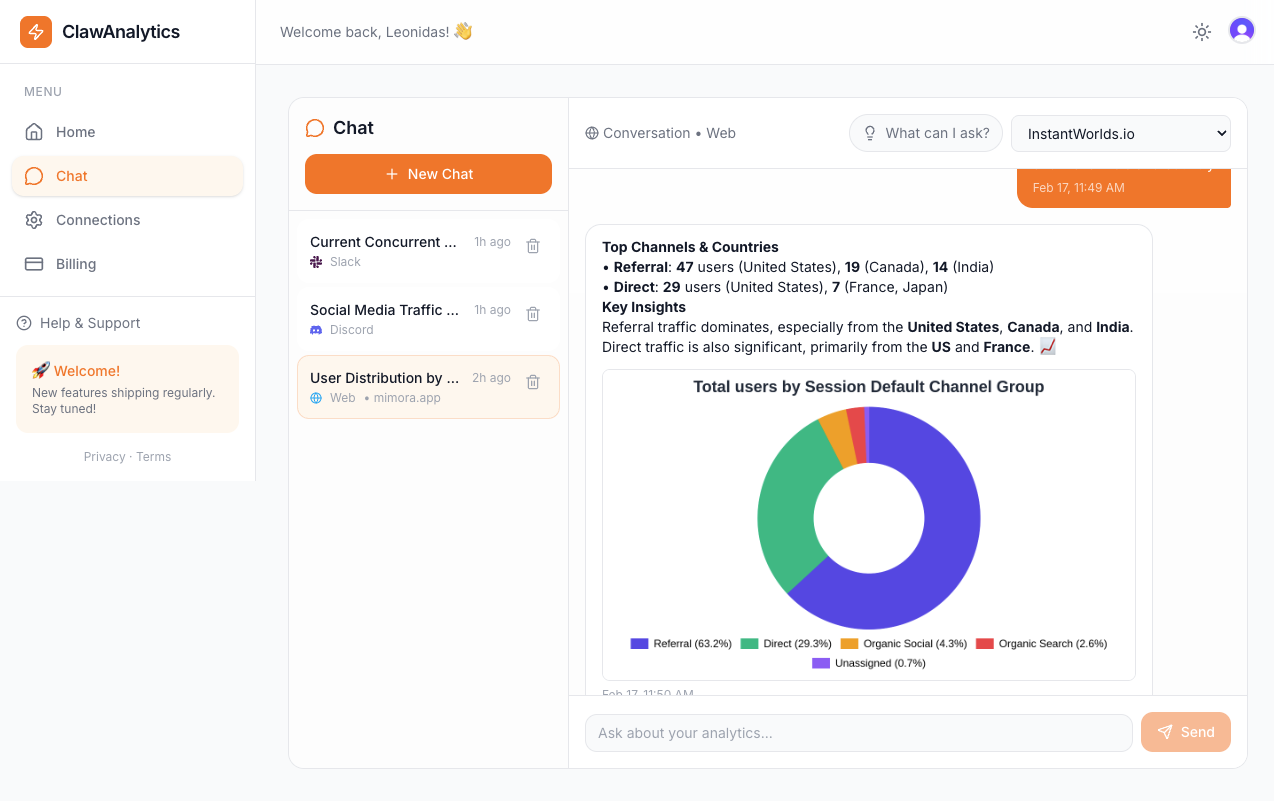
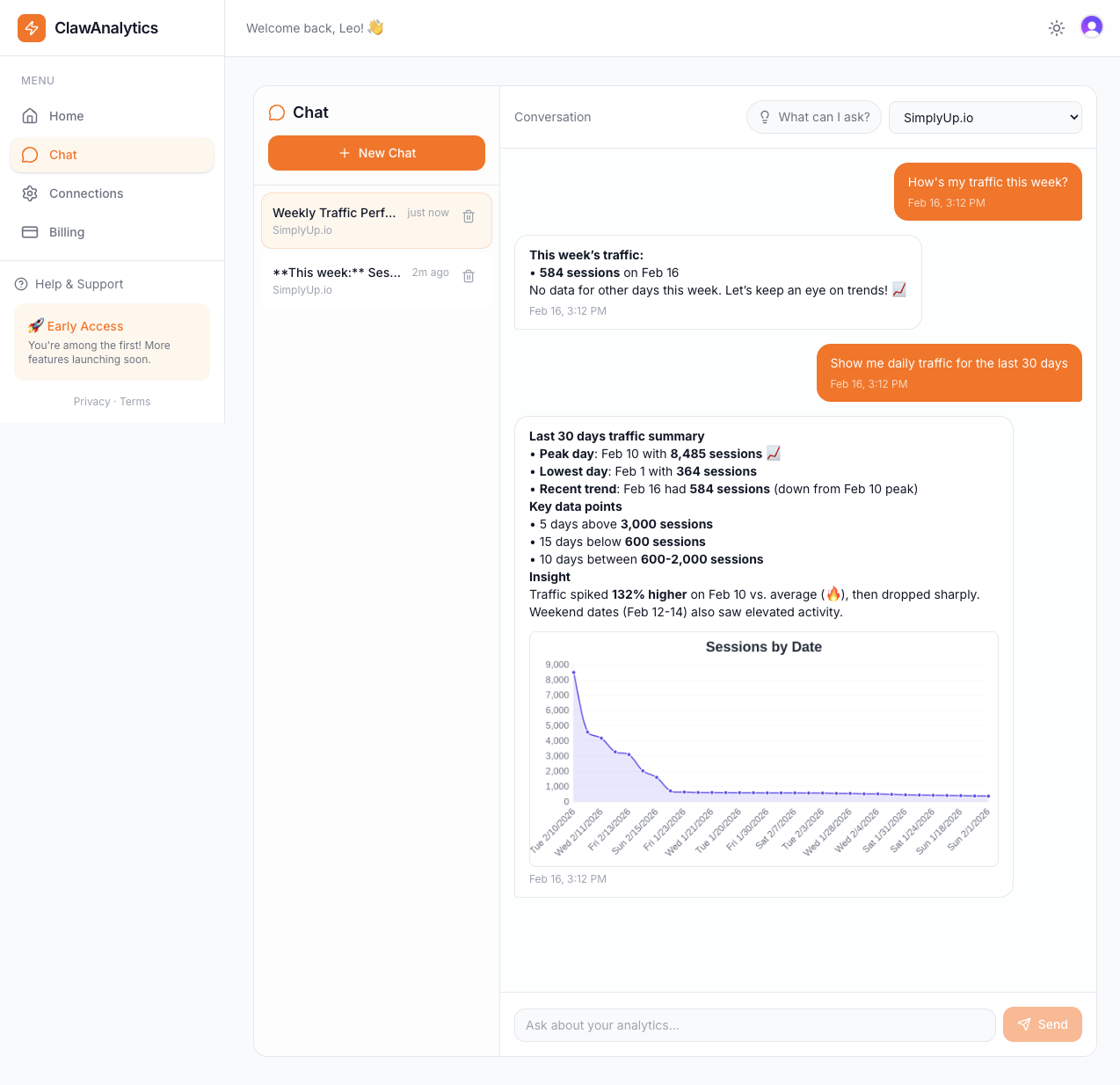
ClawAnalytics simplifies conversion tracking for opticians. You see exam-to-purchase rates and trends without manual analysis.
For example, you can ask: Which frame brand has the highest attachment rate? Or: Are patients with progressive lenses more likely to purchase than single-vision buyers?
ClawAnalytics connects to your point-of-sale system, showing the full patient journey from booking to checkout. You get insights like “Tuesday afternoon exams convert at 82%, but Saturday exams only convert at 58%” so you can adjust staffing.
Quick Wins
Improve your conversion rate with these tips:
Show frames immediately after exam. Let patients browse while waiting for their prescription. Browsing increases purchase likelihood.
Offer try-on sessions. Let patients try frames with their prescription lenses in a mirror. Seeing how they look drives conversions.
Create package deals. Include eye exam, frames, and lenses together. Bundle pricing simplifies decision-making.
Follow up within one week. Send a personalized message reminding patients about their prescription and offering a recheck visit.