How to Track Conversion Rate for Pet Stores
Every pet store owner with a website asks the same question: are my online visitors actually buying? Without conversion tracking, you are guessing. You might spend hundreds on Facebook ads for dog toys, only to discover those ads bring browsers, not buyers. Conversion tracking answers these questions definitively.
Why Conversion Rate Matters for Pet Stores
Conversion rate measures the percentage of website visitors who complete a purchase. For pet stores selling online, this number directly impacts your revenue. Here is why tracking it matters:
You stop wasting ad budget. When you know which channels convert, you stop pouring money into platforms that only generate views. Google Ads for premium cat food might convert at 4% while Instagram brings 0.5%. The difference in ROI is massive.
You understand customer behavior. Tracking reveals whether visitors browse dog supplies but buy cat food, or if they add items to cart but abandon before checkout. This insight shapes your product placement and promotions.
You benchmark performance. A 2% conversion rate is decent for pet supplies. If you jump to 3%, that is a 50% increase in revenue without spending another dollar on advertising. Knowing your baseline makes improvement measurable.
You identify seasonal trends. Pet owners buy more during holidays and back-to-school seasons. Conversion tracking shows exactly when these spikes happen so you can stock accordingly.
How to Check in GA4
Setting up conversion tracking in Google Analytics 4 requires a few specific steps for ecommerce:
Step 1: Enable ecommerce in your data stream. In GA4, go to Configure, click Data Streams, select your website, and turn on ecommerce.
Step 2: Add the ecommerce tag. If you use Google Tag Manager, install the GA4 ecommerce tag template. This automatically collects purchase, refund, and refund events.
Step 3: Verify data is flowing. Make a test purchase on your site. Check the Monetization reports in GA4 within 24 hours to confirm the transaction appears.
Step 4: Create conversion events. Mark specific events as conversions, such as purchase, first_purchase, or add_to_cart. This lets you track what matters most to your business.
Once configured, GA4 shows you detailed reports on product performance, checkout behavior, and revenue by traffic source.
The Easier Way
Many pet store owners find GA4 overwhelming, especially if they run both a physical store and an online shop. Dedicated analytics tools simplify this significantly.
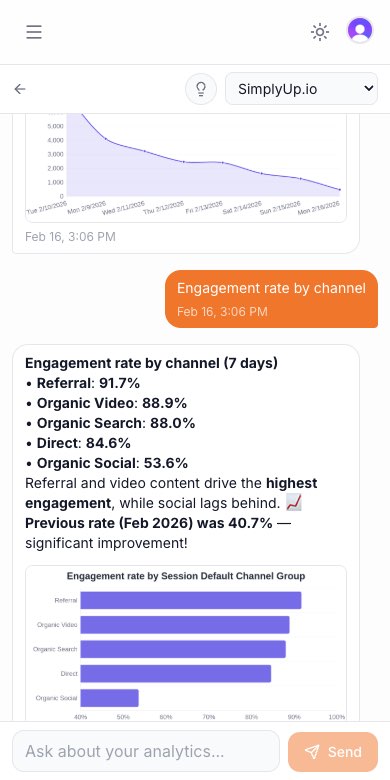
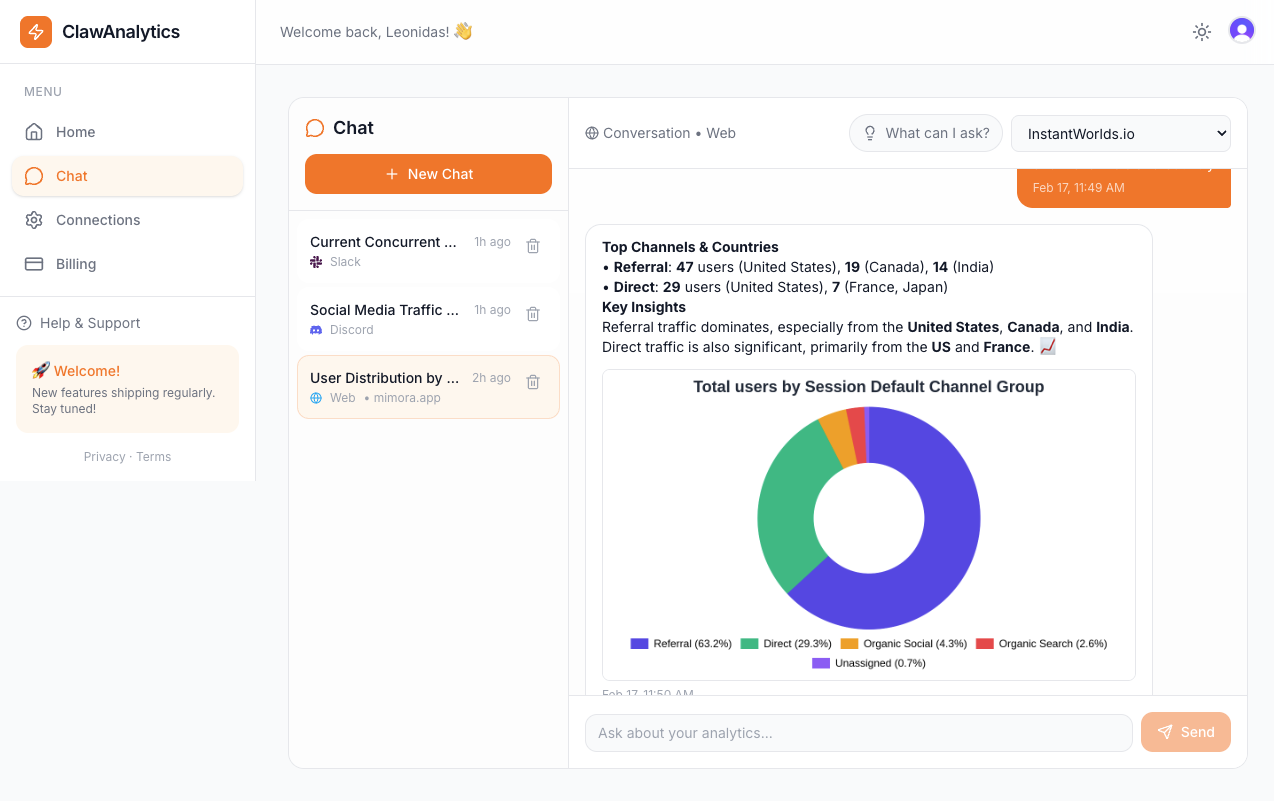
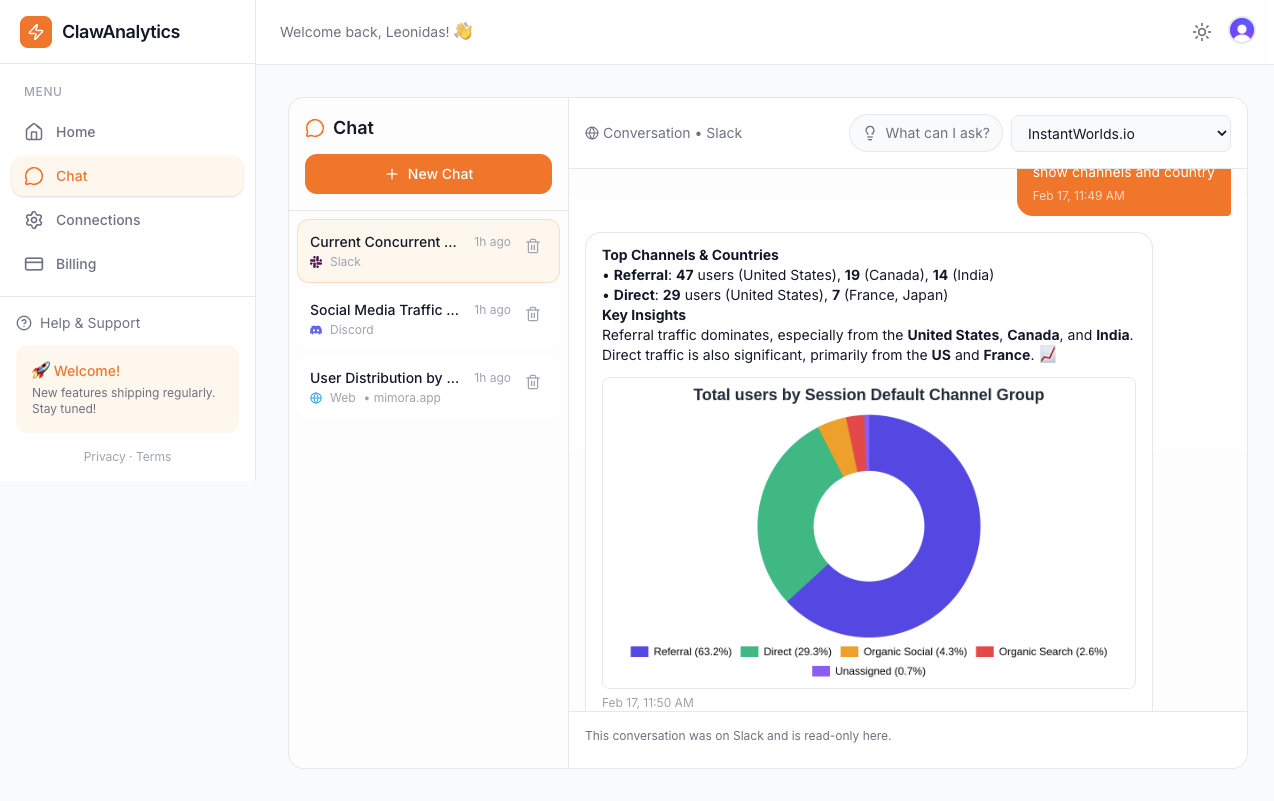
ClawAnalytics provides a dashboard built specifically for pet retail. You can see:
- Which pet categories convert best (dog food, cat toys, aquariums)
- How many website visitors become repeat customers
- Which promotions actually drive purchases versus just views
For instance, you might learn that your “New Puppy Starter Kit” landing page converts at 5% while your general pet supplies category converts at 1.8%. This tells you where to focus your marketing efforts.
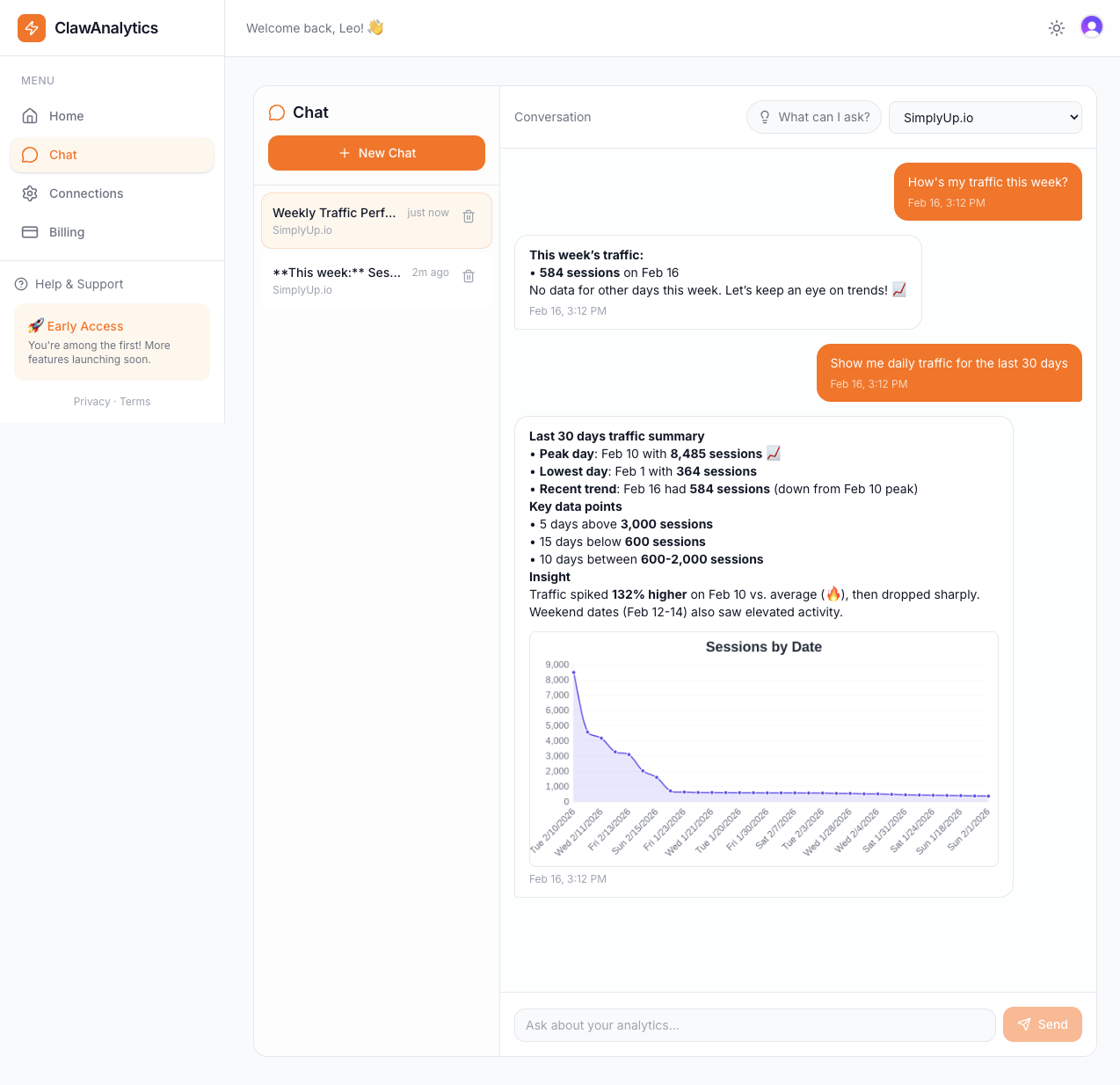
You can also ask natural questions like “Do holiday promotions increase conversions?” or “Which email subscribers convert most often?” and receive clear answers without digging through complex reports.
Quick Wins
Simplify your checkout. Remove account creation requirements for first-time buyers. Pet owners want to buy quickly and get back to their animals. Every friction point costs a sale.
Show related products. After someone adds dog food to their cart, suggest treats, toys, or supplements. Cross-selling increases average order value by 15-25%.
Use urgency indicators. Stock warnings like “Only 3 left” or “15 people are viewing this” work well for popular pet supplies. They nudge hesitant buyers toward checkout.
Optimize for mobile. Over 60% of pet store traffic comes from mobile devices. Ensure your checkout loads in under 3 seconds on smartphones.
Track your conversion rate every week. Small improvements compound into significant revenue growth for your pet store.