How to Track Cost Per Acquisition for Dentists
Imagine spending $5,000 on marketing this month and getting 20 new patients. That is a $250 cost per acquisition. But if you do not track it, you have no idea whether that is a good number or if you are bleeding money. You might be overspending on certain treatments while missing opportunities in others.
Why Cost Per Acquisition Matters for Dentists
Every dental practice operates on thin margins, and knowing your CPA helps you make smarter decisions about where to put your marketing dollars.
First, you can budget more accurately. If you know a new crown patient costs $200 to acquire but brings in $1,500 in revenue, you can confidently increase that spend. Second, you spot wasting fast. If a particular campaign costs $400 per patient when others get you patients for $150, that is a signal to shift focus. Third, treatment mix becomes clearer. You might find that cosmetic consultations cost more to acquire than routine cleanings, affecting your marketing strategy. Fourth, you can compare channels. Is your CPA better on Google Ads or Facebook? Tracking reveals the answer.
How to Check in GA4
Google Analytics 4 can track your dental patient acquisitions if you set it up properly.
Start by defining your key conversions. These might include appointment bookings, consultation requests, new patient form submissions, and treatment acceptances. Assign a value to each. A new patient could be worth $500 in lifetime value. Next, link your Google Ads and Facebook Ads accounts to GA4. This imports your ad spend data automatically. Then, create a custom report that shows cost per conversion. Look at the “Conversions” tab and add a secondary dimension for “Cost” if you have Google Ads linked.
The catch is that GA4 does not automatically import costs from all platforms. Facebook and TikTok costs often need manual uploads or third-party tools.
The Easier Way
Setting up CPA tracking in GA4 takes time, and most dentists would rather focus on teeth than data configuration.
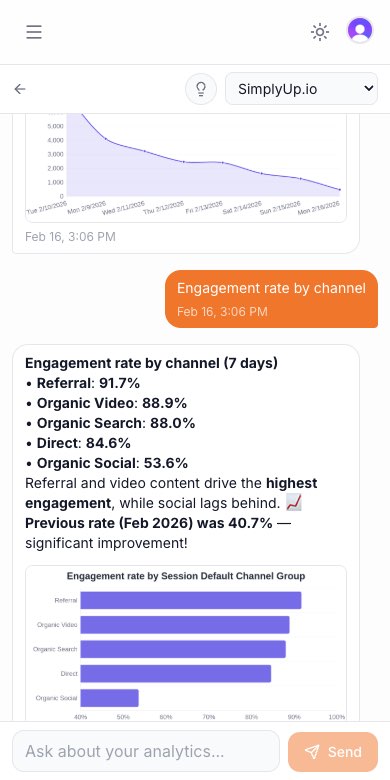
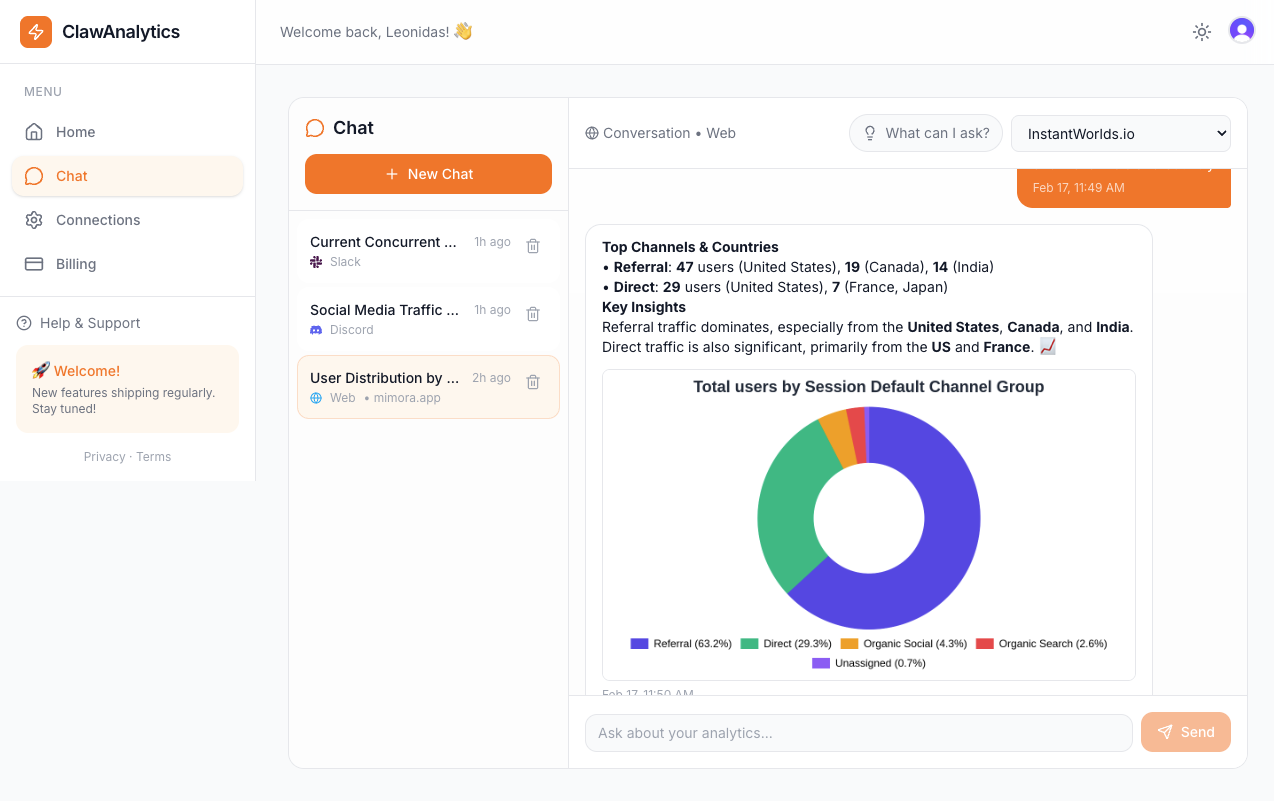
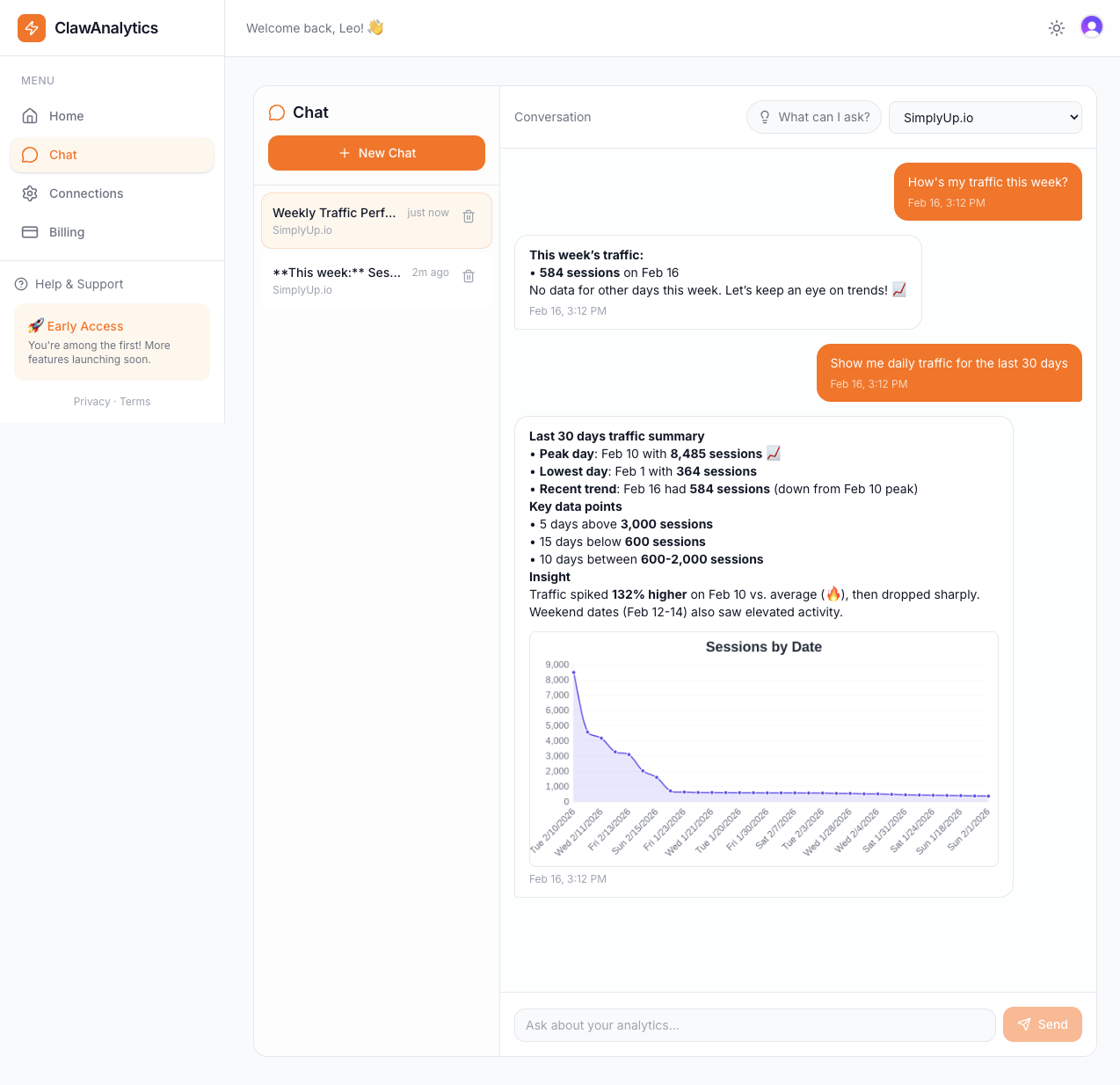
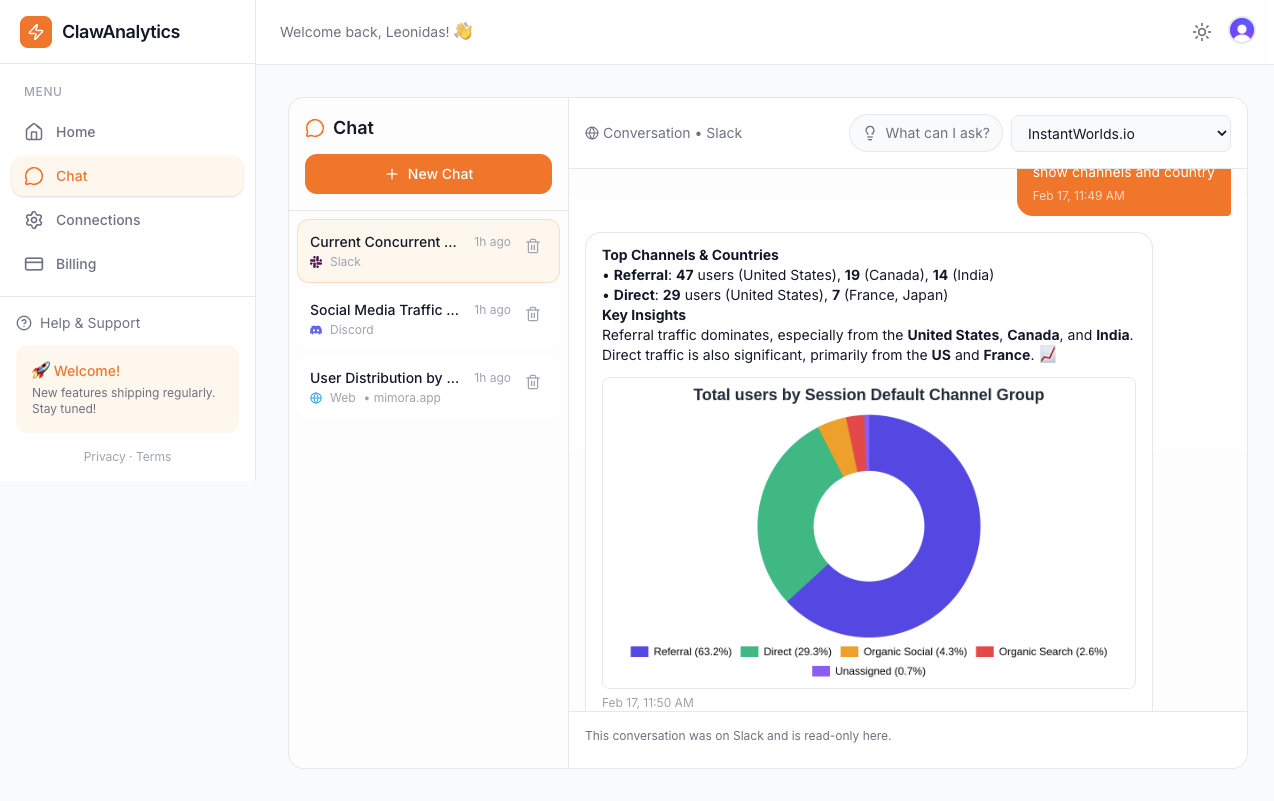
ClawAnalytics connects to your marketing accounts and automatically calculates cost per acquisition for each treatment category. You see at a glance whether your orthodontic referrals are costing more than your general dentistry patients. The platform shows you which campaigns are efficient and which are draining your budget.
With ClawAnalytics, you can answer questions like: “Did our back-to-school promotion get more new pediatric patients than our general marketing?” or “Which referrer brings patients at the lowest cost?” The data is ready when you need it, without the setup headaches.
Quick Wins
Here are three things you can do today to start tracking dental CPA better.
Tag every marketing channel. Use unique phone numbers or landing pages for each source so you can trace where new patients come from. This makes attribution much easier.
Calculate your baseline CPA. Take last month is total marketing spend and divide by new patient count. Even a rough number gives you something to improve against.
Review CPA weekly. Check which campaigns brought patients and at what cost. This habit helps you catch overspending before it hurts your practice.