A customer visits your store three times over two months. They sit on the sofa, measure their living room, return with their partner, and finally buy a $3,000 sectional. Meanwhile, you spent $150 on ads to bring them in. That’s a profitable acquisition. But you only know that if you track Cost Per Acquisition.
Furniture retail is different from most retail. Sales cycles are long. Customer visits multiple stores. Purchase decisions involve spouses, budgets, and room measurements. Every dollar spent on marketing needs to be justified by eventual revenue.
Why Cost Per Acquisition Matters for Furniture Stores
Furniture purchases are significant investments for customers. They’re not impulse buys. This creates both challenge and opportunity.
Tracking CPA helps you understand which marketing efforts actually bring customers through the door. Google Search might bring ready-to-buy customers. Instagram might bring browsers. CPA reveals the truth.
It also clarifies customer lifetime value. A customer who buys a sofa now might return for dining chairs, bedroom furniture, and outdoor pieces over the next decade. That relationship could be worth $10,000 or more. Acquiring them for $150 makes sense.
Budget allocation becomes clearer. If you know certain campaigns bring customers at $80 and others at $250, you know where to invest.
Seasonal planning improves too. Fall and winter bring holiday purchases and new home setups. Knowing your CPA during these peaks helps you bid intelligently.
How to Check in GA4
Setting up CPA tracking in GA4 requires a few steps but delivers ongoing value.
Start by defining conversions. What counts as a new customer? In-store purchases, quote requests, design consultations, and online orders all count. Mark these as conversions in GA4.
Link Google Ads. Navigate to Configure > Google Ads links and connect your account to import advertising costs automatically.
Create acquisition reports. In GA4 Explore, compare Cost per conversion across channels. Look for the lowest-cost sources that still drive meaningful volume.
Remember, GA4 only tracks Google Ads costs directly. Facebook, Pinterest, and other platforms require manual cost imports or a connected dashboard tool.
Check CPA weekly during promotions and monthly otherwise. Understanding seasonal patterns matters more than individual data points.
The Easier Way
Most furniture retailers don’t have time to build custom analytics reports. They need clear answers fast.
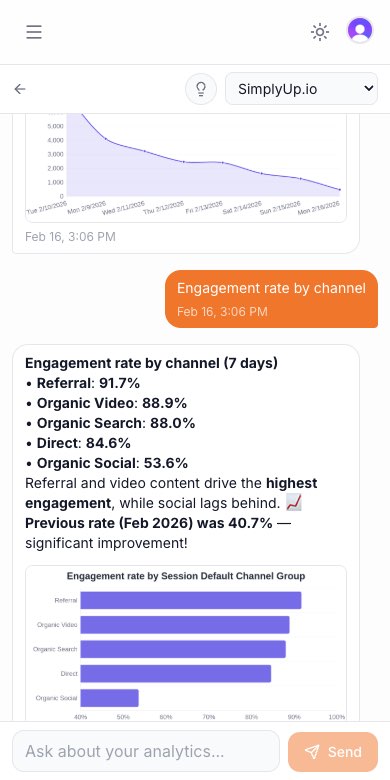
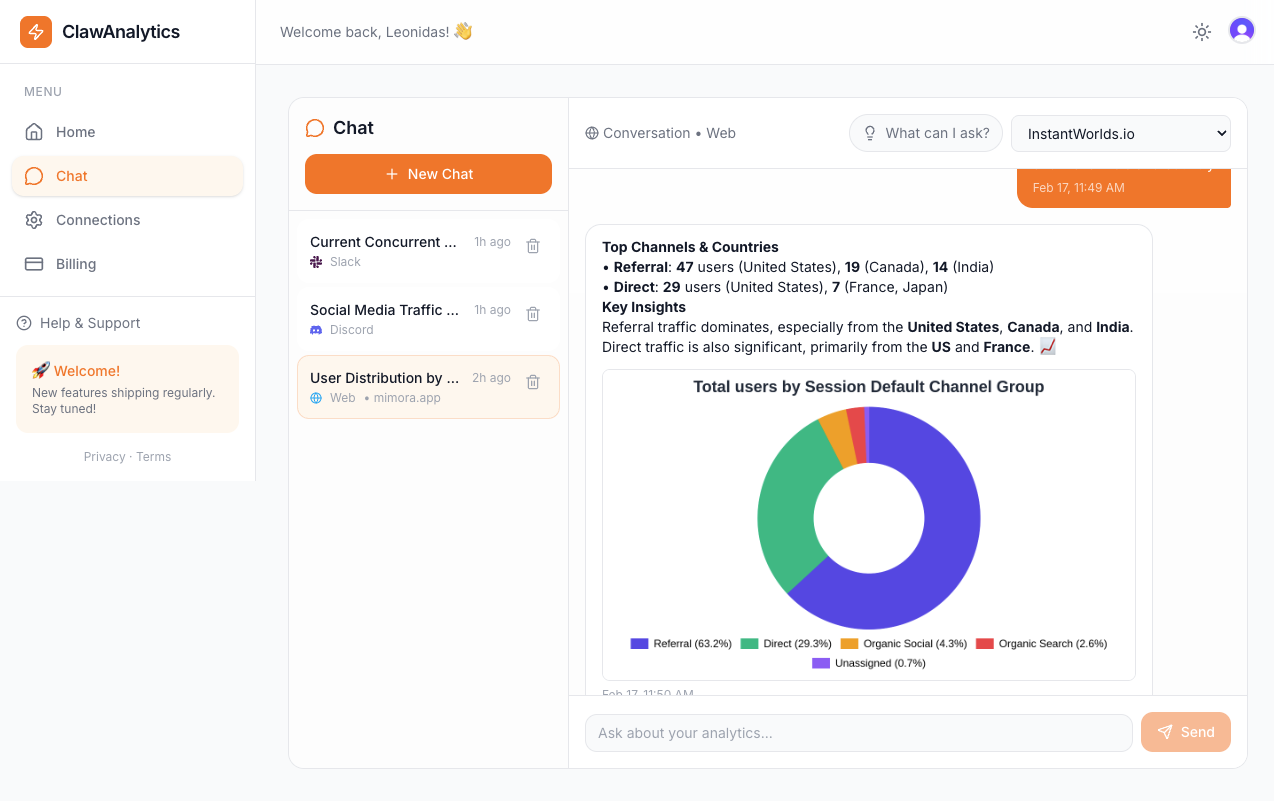
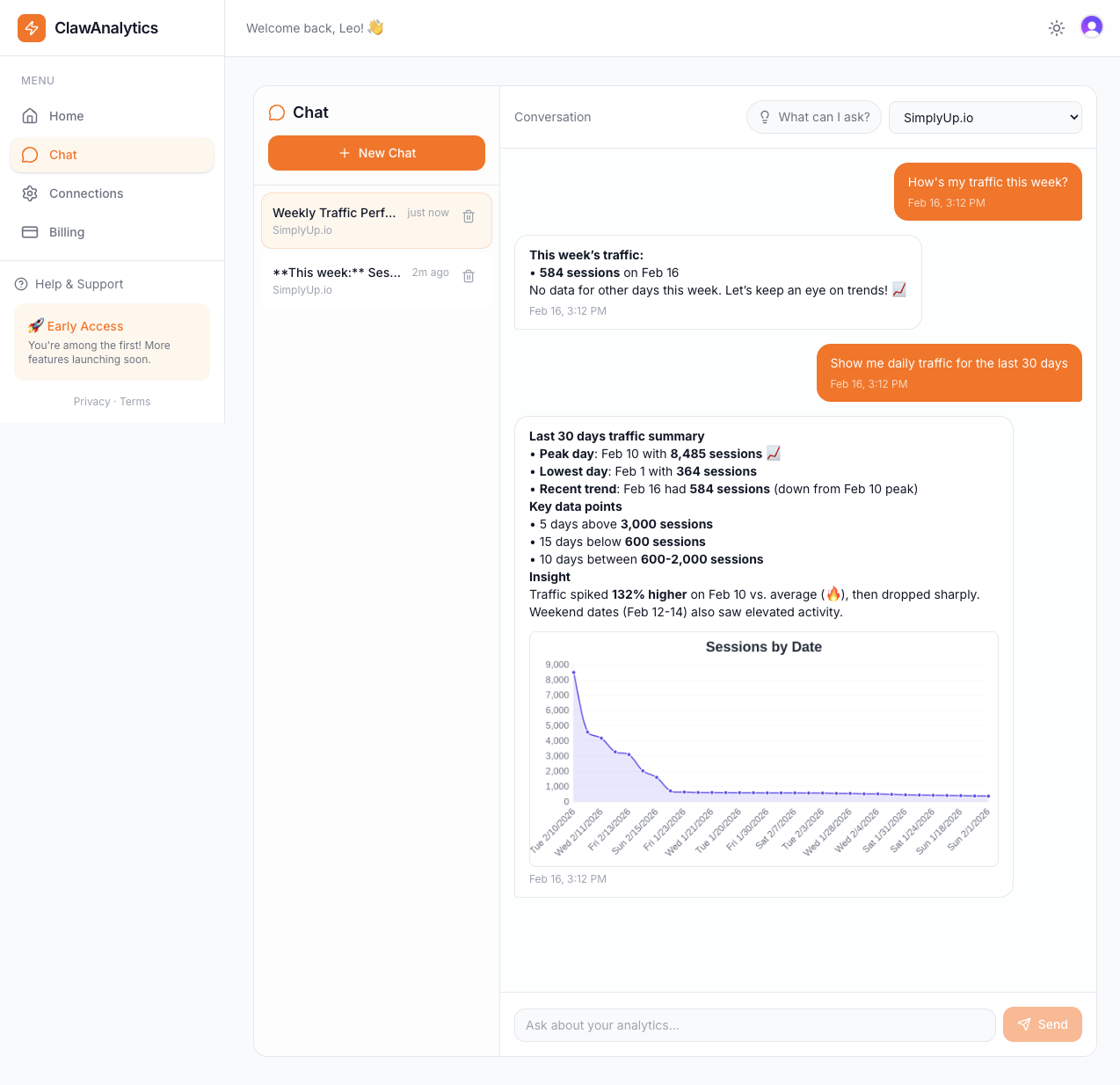
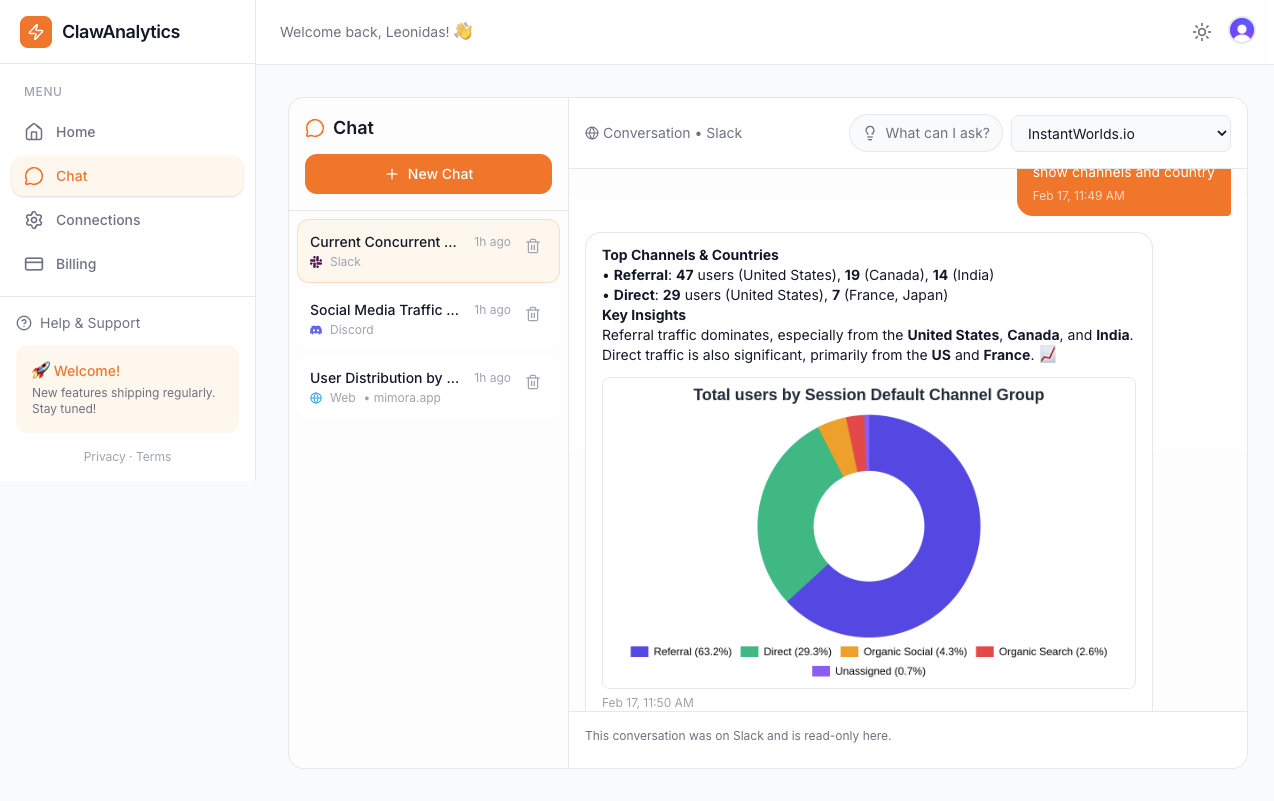
ClawAnalytics connects to Google Analytics, Facebook Ads, and other platforms automatically. You see CPA across all channels in one simple view.
Ask questions like: “What’s my CPA for living room campaigns?” or “Which platform brings customers with the highest average order value?” The dashboard shows you instantly.
You can also track metrics specific to furniture retail: repeat purchase rates, room-by-room purchase patterns, and design consultation bookings. ClawAnalytics understands furniture business dynamics.
Set alerts to notify you when CPA exceeds your target. Catch overspending immediately rather than discovering it at month-end.
Quick Wins
Start with these immediate actions. First, calculate your current CPA using last month’s marketing spend divided by new customers acquired.
Second, identify your cheapest and most expensive channels. Double down on the cheap ones.
Third, test one new approach this month. Try Pinterest for inspiration-driven shoppers, local home show sponsorships, or email nurture campaigns. Track results.
Fourth, set a CPA target based on customer lifetime value. If customers average $5,000 in revenue over five years, you can afford meaningful acquisition costs.
Fifth, review monthly and optimize. CPA isn’t static. Consistent tracking keeps your marketing profitable.
Tracking Cost Per Acquisition transforms how you grow your furniture business. Instead of hoping ads work, you know exactly what works and scale accordingly.