Selling eyeglasses isn’t like selling coffee. Customers might buy once every two years. They compare prices online, ask friends for recommendations, and weigh convenience against price. That’s why tracking Cost Per Acquisition matters so much for opticians.
When you know exactly what each new customer costs to acquire, you can stop guessing which ads work. You might discover that local newspaper ads bring customers at $30 while Instagram costs $90. Now you know where to put your budget.
Why Cost Per Acquisition Matters for Opticians
The optical industry has unique dynamics. Customers need eye exams, new prescriptions, and frames that match their style. They value trust and expertise. And they often stay with the same optician for years once they find someone they like.
Understanding your CPA helps in several key ways. First, it reveals your most efficient marketing channels. Google Search might bring in customers ready to buy, while display ads generate mostly window shoppers.
Second, it clarifies customer lifetime value. A customer who buys glasses, contacts, andsunglasses over five years might generate $1,500 in revenue. Spending $100 to acquire them makes sense. Spending $300 doesn’t.
Third, it helps you price correctly. If your CPA is $80 and product costs consume most of your margin, you know where to adjust.
Fourth, it identifies seasonal patterns. Back-to-school eye exams and insurance renewal periods create predictable demand spikes. Knowing your CPA during these times prevents overbidding.
How to Check in GA4
GA4 provides the foundation for tracking optician conversions, but it requires proper setup.
First, define your conversions. What actions represent a new customer? Appointment bookings, quote requests, and eyewear purchases all count. Mark these as conversions in GA4.
Second, link Google Ads. In Configure > Google Ads links, connect your account. This imports your Google ad spend automatically.
Third, create a comparison report. In GA4 Explore, compare CPA across acquisition channels. Look for the channels with lowest cost per conversion.
Remember, GA4 only tracks Google Ads costs directly. For Facebook, local directories, or other platforms, you’ll need to manually import cost data or use a dashboard tool that aggregates everything.
Check your CPA weekly during promotions and monthly during normal periods. Trends matter more than individual numbers.
The Easier Way
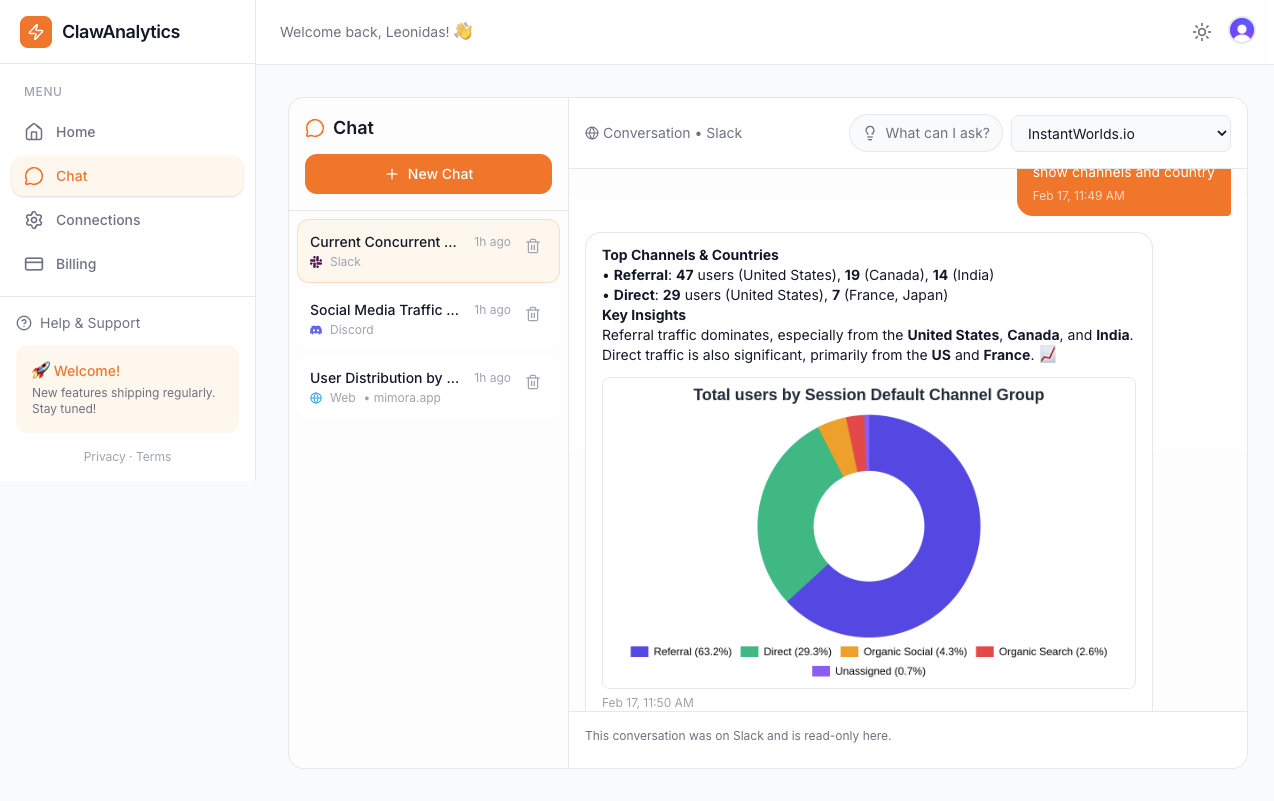
Building custom GA4 reports takes time most opticians don’t have. ClawAnalytics makes this effortless.
You connect Google Analytics, Facebook Ads, and any other platforms you use. The dashboard automatically calculates CPA across all channels combined.
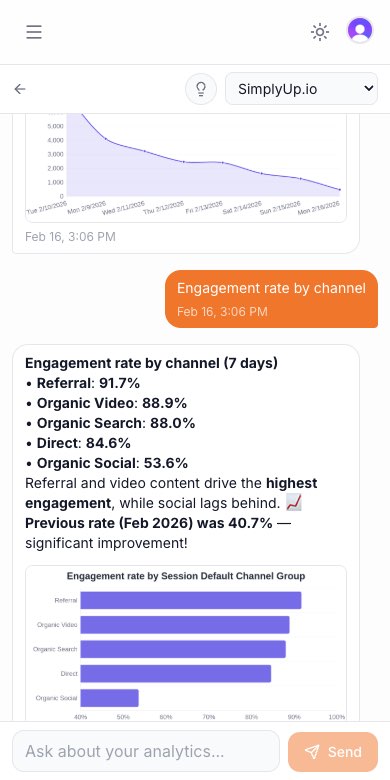
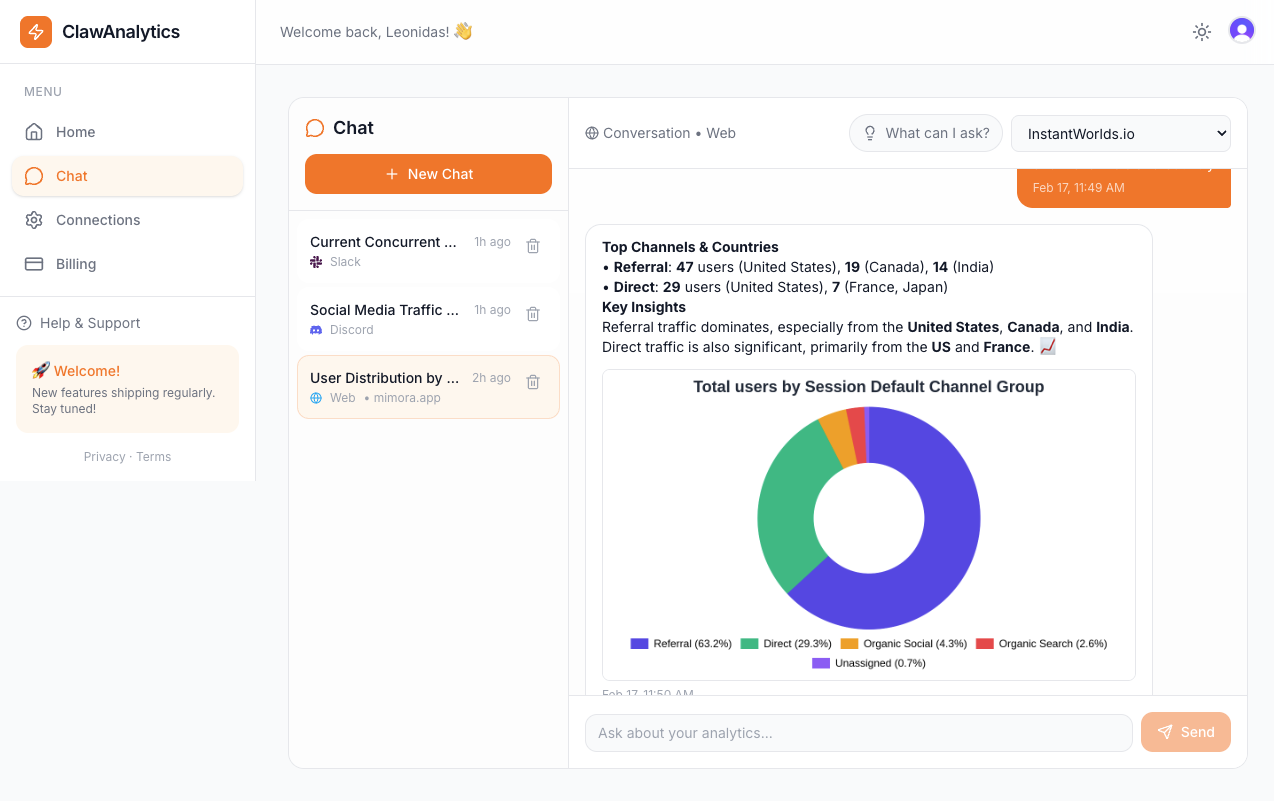
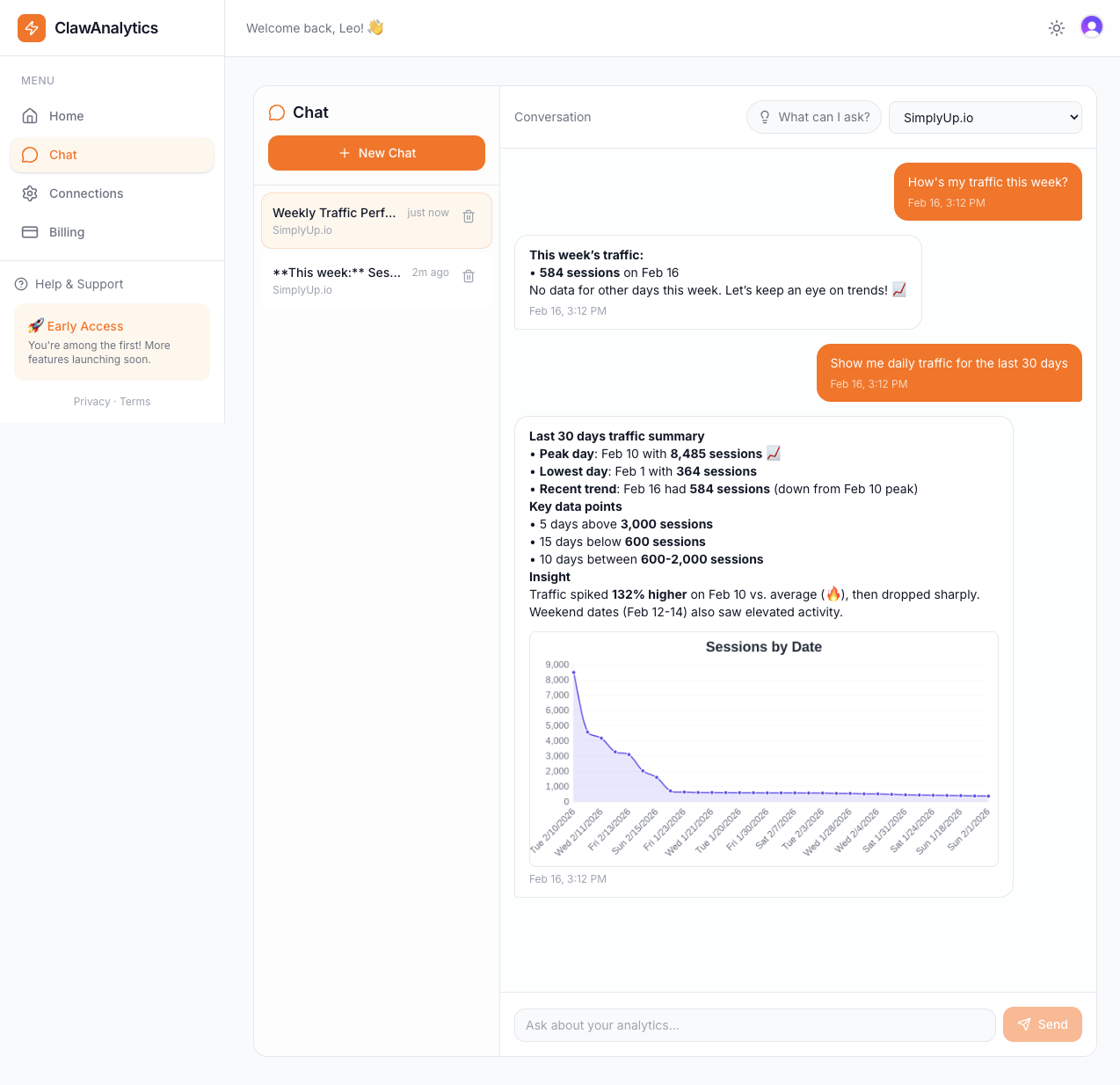
Ask simple questions like: “What’s my CPA for Facebook ads this quarter?” The answer appears instantly. Or “Which campaign brought my most profitable customers last month?”
You can also track metrics specific to opticians: exam bookings, frame purchases, and repeat customers. ClawAnalytics shows the full picture.
Set budget alerts to notify you when acquisition costs exceed your targets. Catch overspending early before it hurts your margins.
Quick Wins
Take these immediate steps. First, calculate your current CPA using last month’s total marketing spend divided by new customers acquired.
Second, identify your cheapest acquisition channel. That’s your growth lever.
Third, test one change this month. Try new ad copy, a different landing page, or a limited-time offer. Measure the CPA impact.
Fourth, set a target CPA based on customer lifetime value. If customers average $800 in revenue over three years, aim for CPA under $150.
Fifth, review monthly and adjust. CPA isn’t static. Consistent tracking keeps your marketing profitable.
Tracking Cost Per Acquisition transforms how you spend marketing dollars. Instead of hoping ads work, you know exactly what works and scale accordingly.