A business owner hires you to fix faulty wiring in their office. The job pays $1,200. Three months later, they need lighting upgrades for a renovation. Six months after that, they call for emergency generator installation. That one commercial client has generated over $15,000 in one year. If you are not tracking customer lifetime value, you are guessing who your best customers are.
Why Customer Lifetime Value Matters for Electricians
Every building needs electrical work. From routine maintenance to emergency repairs, from panel upgrades to complete rewiring, the need never stops. But not every customer becomes a long-term relationship.
CLV reveals which clients are worth prioritizing and which ones take more than they give.
First, it identifies your most valuable customer types. Some callers need one repair and never return. Others become clients who call you for every electrical need, from simple fixes to major projects. CLV shows you exactly who is who.
Second, it justifies customer acquisition spending. If a commercial client has an average lifetime value of $25,000 while residential averages $3,000, you know where to focus your marketing budget.
Third, it improves scheduling priority. High-value customers should get faster response times and preferred scheduling. CLV data tells you who deserves that treatment.
Fourth, it reveals service opportunities. When you see which customers upgrade systems after maintenance, you know which services to push to similar clients.
How to Check in GA4
Electrician CLV tracking requires converting every job into data. Create events for each service type with appropriate revenue values.
Track small_repairs as individual jobs with actual payments. Track maintenance_contracts at monthly or annual values. Track large_projects separately to capture bigger revenue streams. This segmentation reveals patterns.
Build audiences for different client types. Commercial property managers, homeowners, new construction developers. Compare lifetime metrics across these groups in GA4 lifetime reports.
Use retention reports to see how long different client types stay active. Commercial clients might average 36 months while residential clients average 18 months. This informs your retention strategies.
The Easier Way
Let us be honest. Most electricians became tradespeople because they enjoy solving electrical problems, not because they wanted to build analytics reports. You want to run profitable jobs and grow your business.
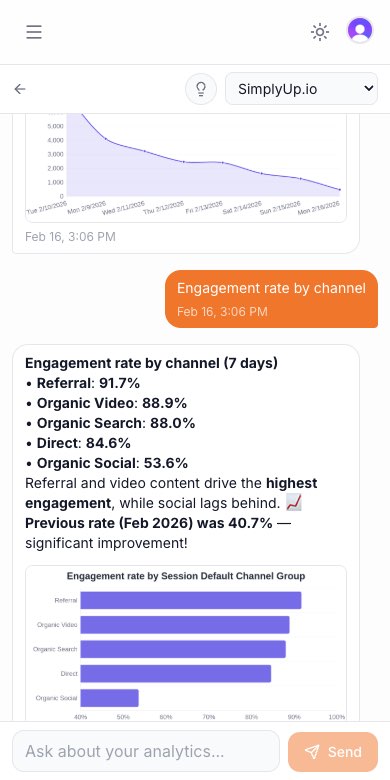
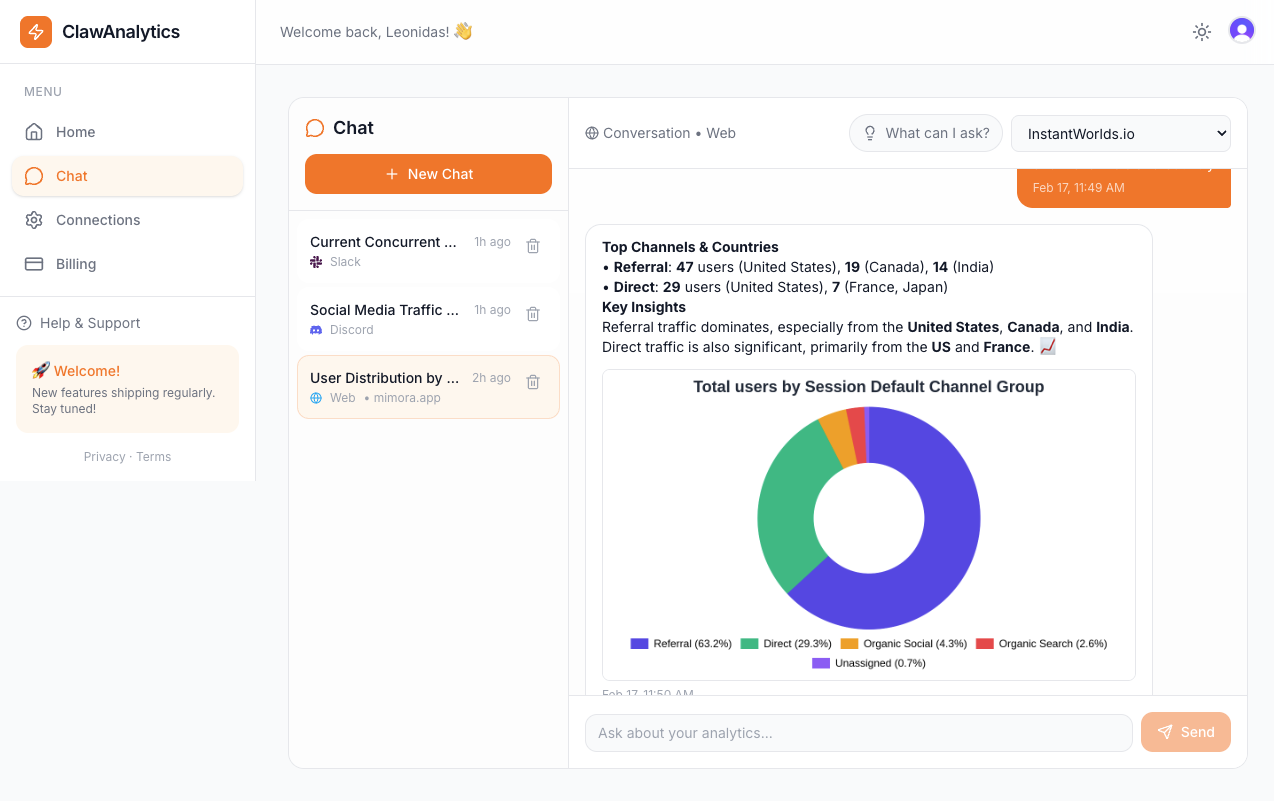
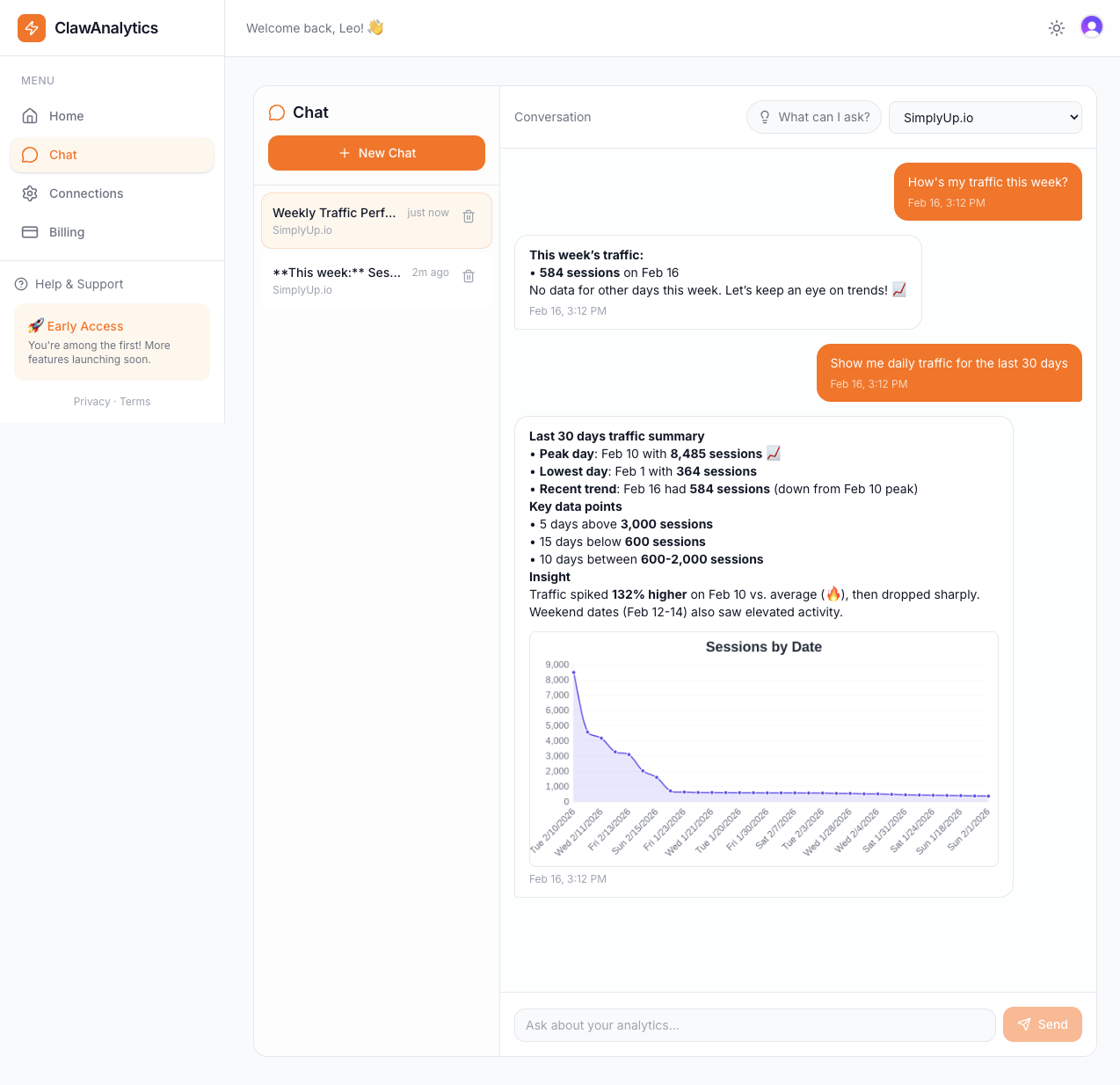
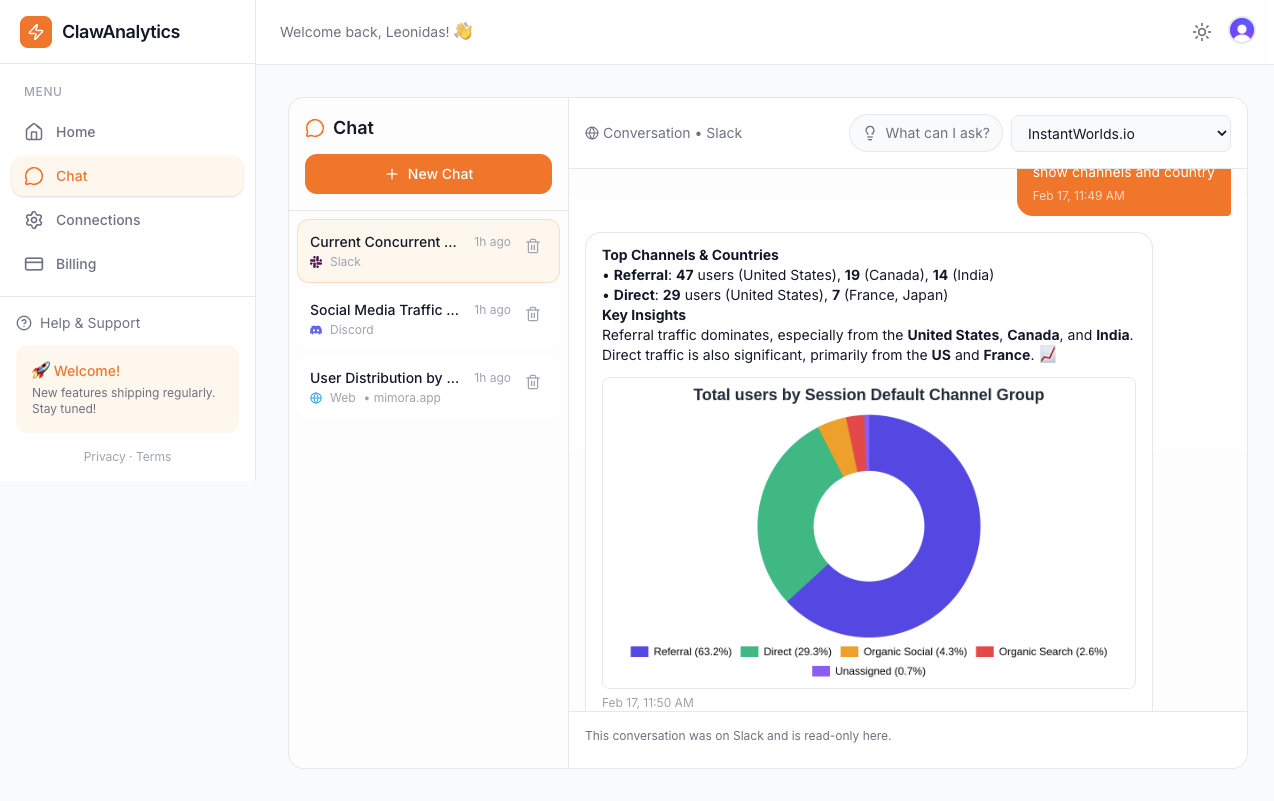
ClawAnalytics makes CLV tracking simple. Connect your service data and the platform calculates lifetime value automatically. You ask questions in plain language and get answers that matter.
You can ask which commercial clients have generated the most revenue over two years or what percentage of your business comes from repeat customers. You can discover which neighborhoods or property types produce your best clients or what services most often lead to long-term relationships.
The platform handles all the data work automatically. No custom event configuration, no dashboard building. Just insights that help you make better business decisions.
Quick Wins
Start maximizing customer lifetime value with three immediate actions. First, implement a post-service follow-up system. Contact commercial clients quarterly to check on their electrical needs. A simple check-in call often leads to bookings before problems arise.
Second, create a maintenance plan for residential clients. Offer annual electrical safety inspections for a fixed fee. This turns one-time callers into recurring accounts.
Third, ask for referrals from your best customers. Commercial property managers often know other property managers. A satisfied high-value client can lead to multiple new accounts.
Tracking CLV transforms your electrical business from a job-by-job operation into a relationship business with predictable, growing revenue from clients who trust you with all their electrical needs.