A client who hires you for a $500 website might come back six times over two years for updates, leading to $8,000 in total revenue. Another client pays $3,000 upfront but never returns. Who’s more valuable? CLV tells you the answer.
Why Customer Lifetime Value Matters for Freelancers
Understanding CLV helps you run a sustainable freelance business:
- Identify best clients. Some clients bring repeat work, others are one-off projects. CLV shows who deserves red-carpet service.
- Price projects strategically. If a client has high CLV, you might offer a discount for ongoing work.
- Focus marketing efforts. Where did your high-CLV clients come from? Double down on those sources.
- Avoid bad fits early. Low CLV clients often cause headaches. Spot warning signs faster.
How to Check in GA4
Freelancers can track CLV through their website or client portal:
- Set up GA4 on your portfolio or booking site
- Track inquiries and conversions as events
- Go to Reports > Life Cycle > Monetization > Lifetime Value
- Compare leads by source: referral, Google search, social
- Track repeat clients through a simple CRM or spreadsheet
Manually tracking total revenue per client works too. The math is simple: total earned divided by time.
The Easier Way
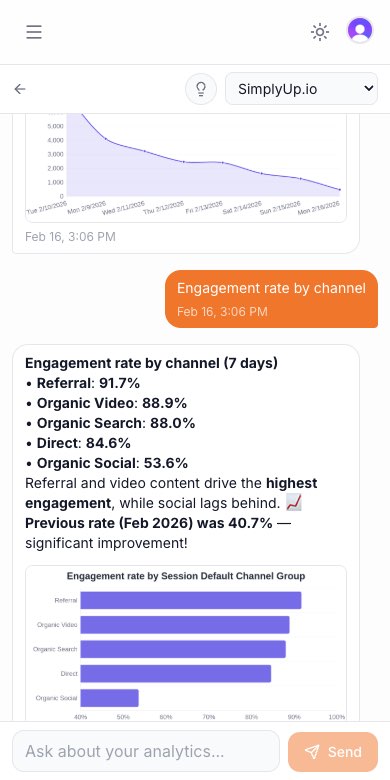
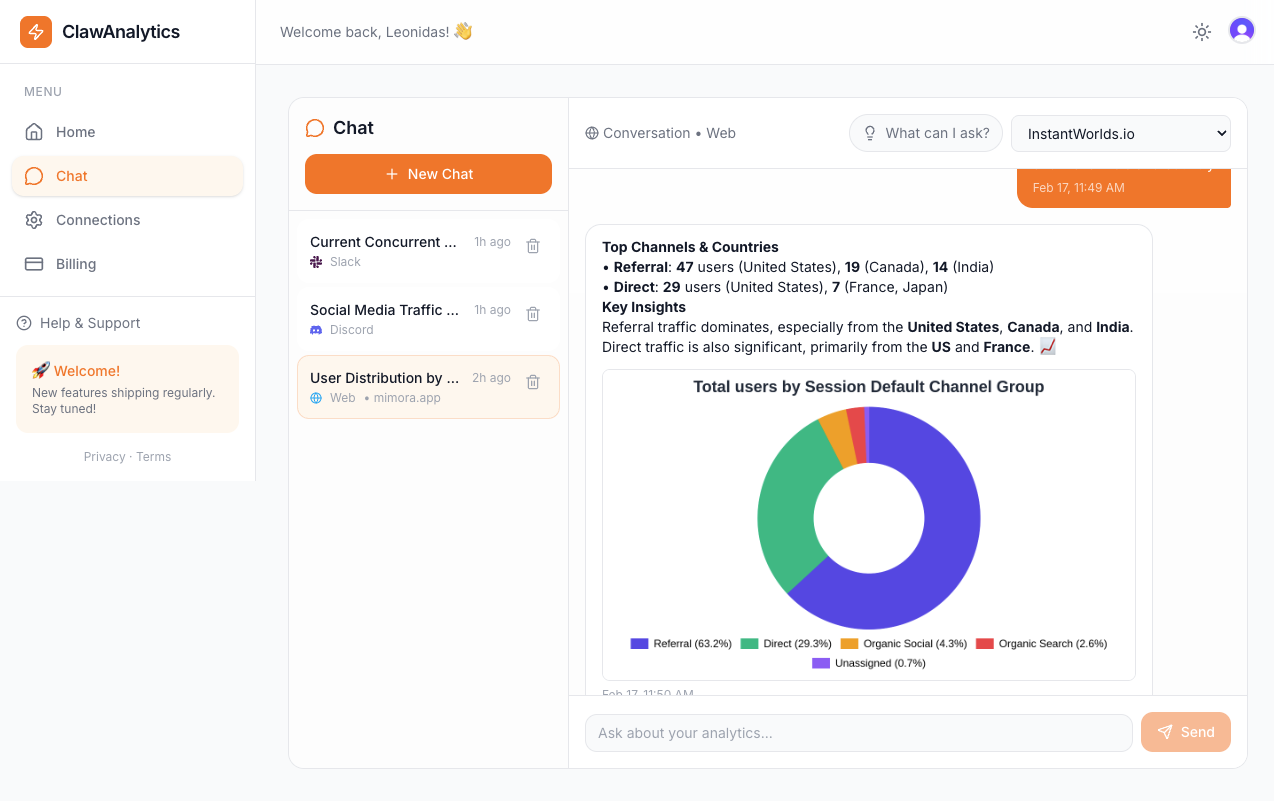
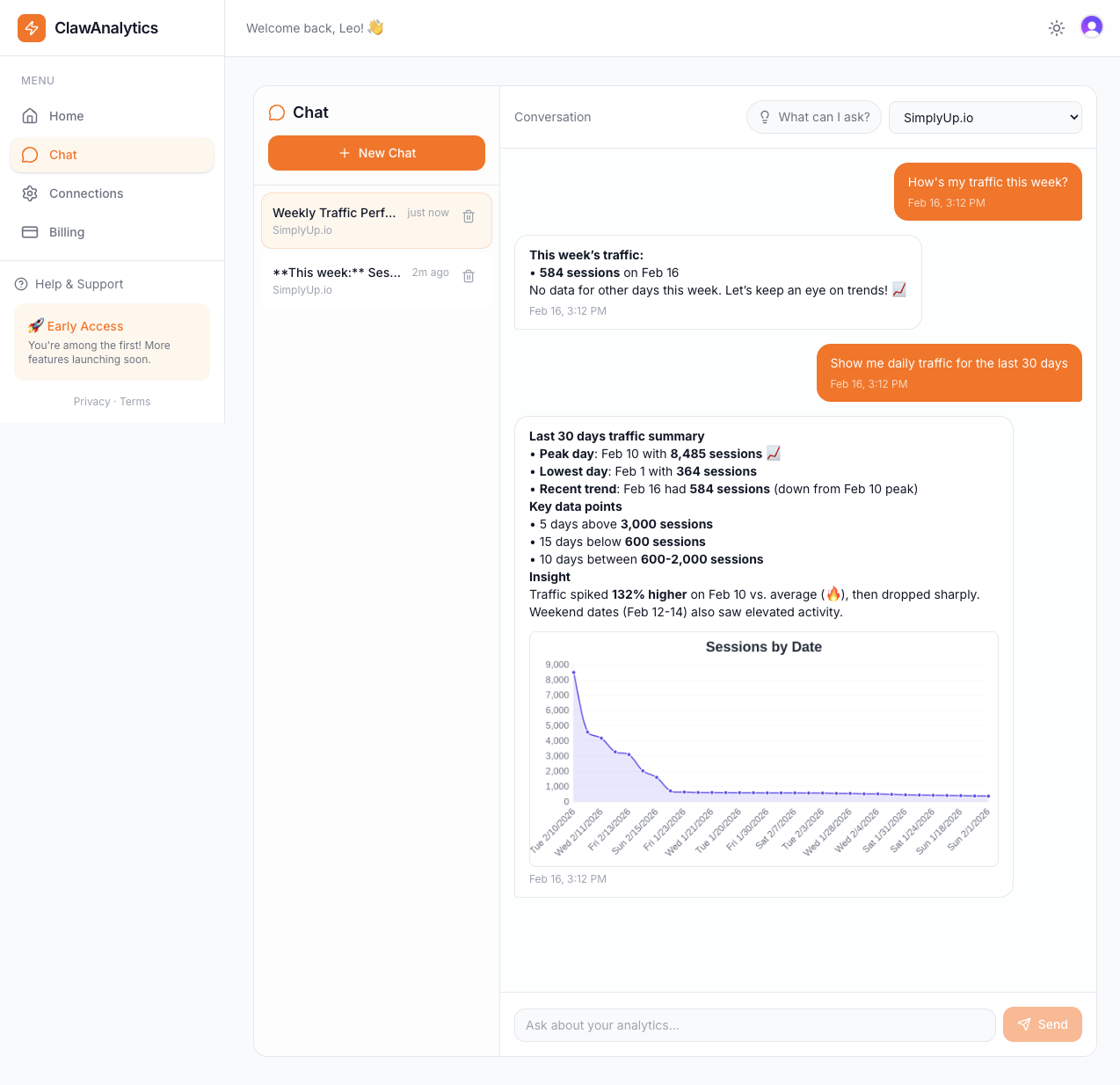
Most freelancers track everything in spreadsheets or invoicing tools. ClawAnalytics makes CLV easy:
- Which type of projects bring clients back for more?
- Are my best clients coming from referrals or cold outreach?
- How much should I invest in maintaining relationships with past clients?
These insights help you build a business rather than just chasing the next gig.
Quick Wins
- Track every client relationship. Even simple notes on who referred whom helps.
- Ask for repeat work. Most freelancers don’t ask, leaving money on the table.
- Create retainer packages. Lock in high-CLV clients with monthly agreements.
- Nurture past clients. A holiday check-in often leads to new projects.
- Use ClawAnalytics to see which clients are worth more investment in relationship building.