A homeowner calls for a leaky faucet repair. It takes an hour and pays $150. Three months later, they have a clogged drain. Six months after that, a water heater replacement for $2,500. That one customer has generated over $3,000 in two years, and they will need more plumbing work in the future. If you are not tracking customer lifetime value, you are working blind.
Why Customer Lifetime Value Matters for Plumbers
Every home needs plumbing. It is not a question of if problems will occur, but when. This makes plumbing services inherently recurring, but not every customer becomes a long-term account.
CLV helps you distinguish one-time callers from loyal customers who call you for every issue.
First, it reveals your most valuable customer segments. Some customers call for one repair and disappear. Others become clients who never think about calling anyone else. CLV shows you exactly who belongs in each group.
Second, it justifies customer acquisition costs. If you spend $200 to acquire a customer with a lifetime value of $8,000, that is a solid investment. Knowing this helps you budget for marketing with confidence.
Third, it improves service recommendations. When you know which customers stay longest, you can suggest maintenance plans or service agreements that match their value potential.
Fourth, it predicts seasonal demand. Historical CLV data shows when different customer segments typically need service, helping you staff appropriately.
How to Check in GA4
PLumbing CLV tracking requires converting service calls into measurable revenue events. Every job should count with its actual payment value.
Create custom events for different service types. Emergency_repair with average revenue value. Maintenance_service at the contract value. Installation_project for larger jobs. Tag each appropriately so you can compare.
Build audiences for different customer types. Maintenance plan members, one-time callers, referral customers, commercial clients. Compare their lifetime metrics in GA4 reports.
Use the explore feature to build custom funnels. See how many one-time callers convert to maintenance accounts. Track which service types most often lead to long-term relationships.
The Easier Way
Let us be honest. Most plumbers became tradespeople because they like solving physical problems, not because they enjoy data analysis. You want to fix pipes and build your business, not stare at analytics dashboards.
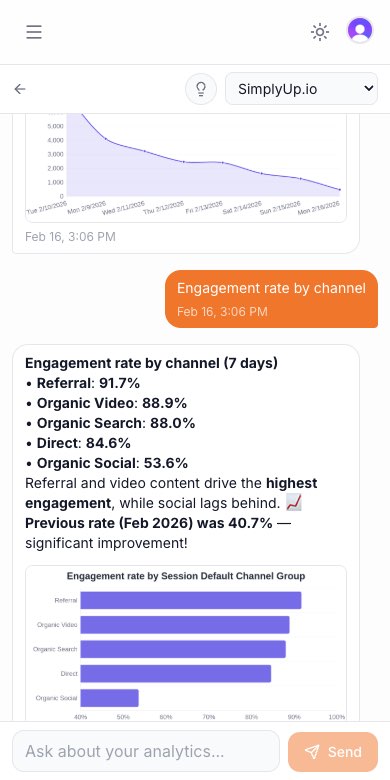
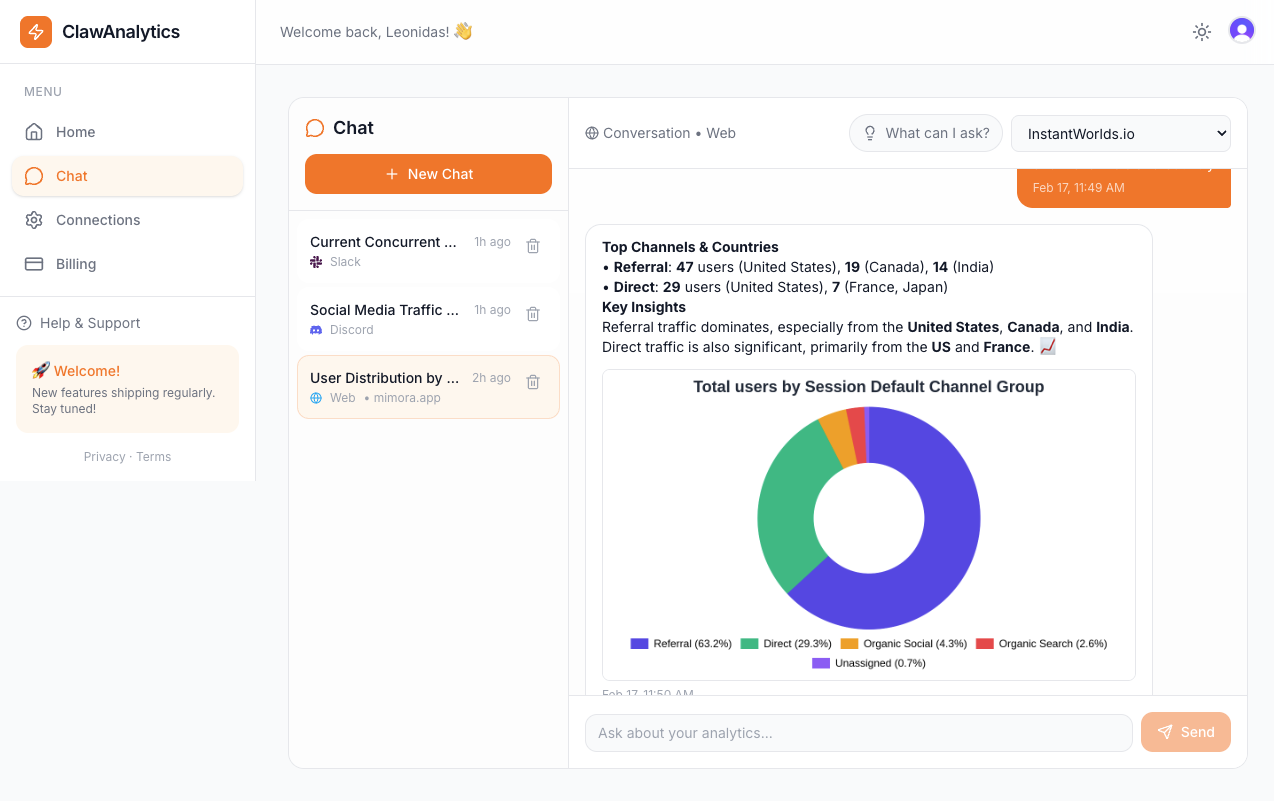
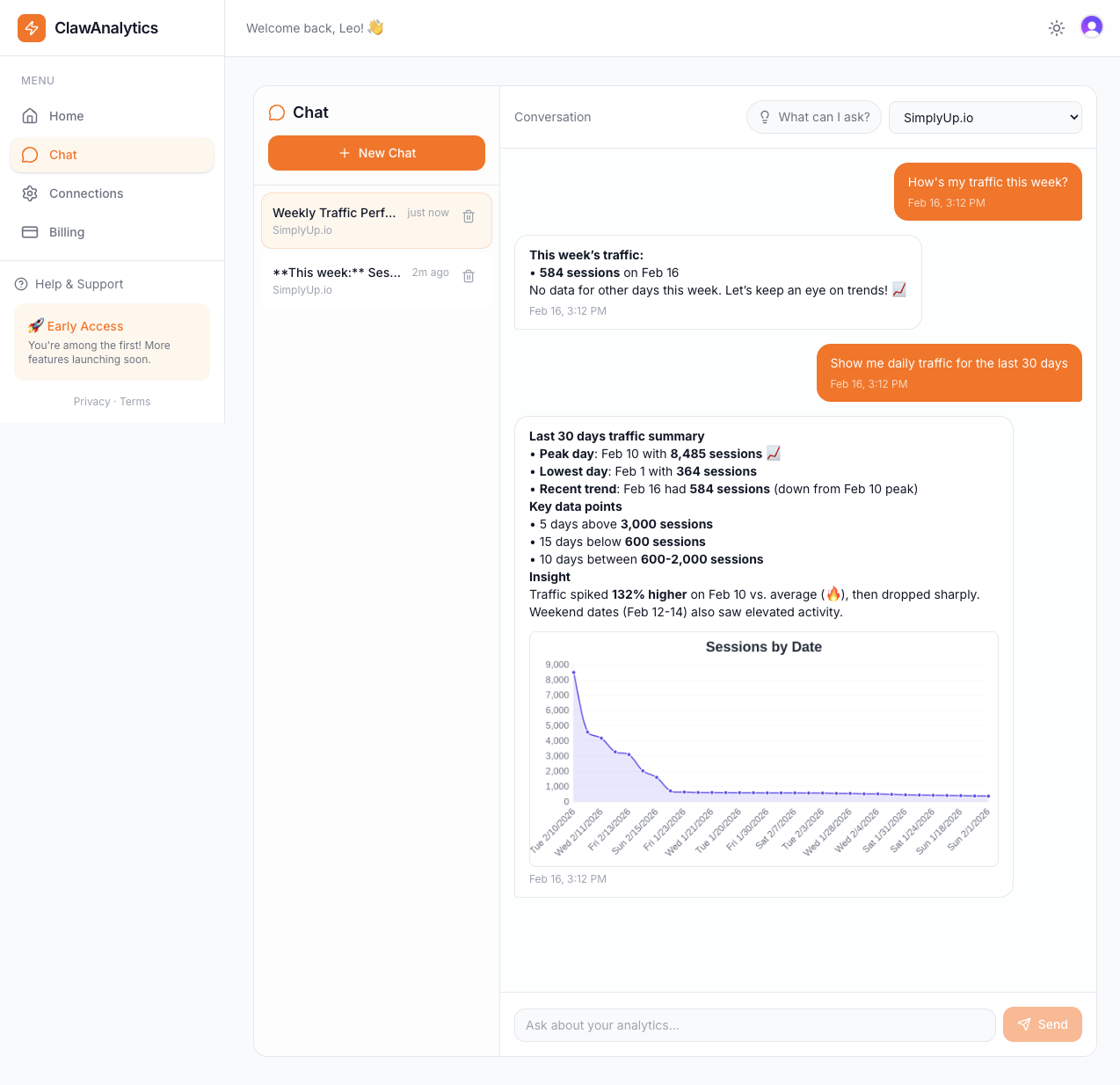
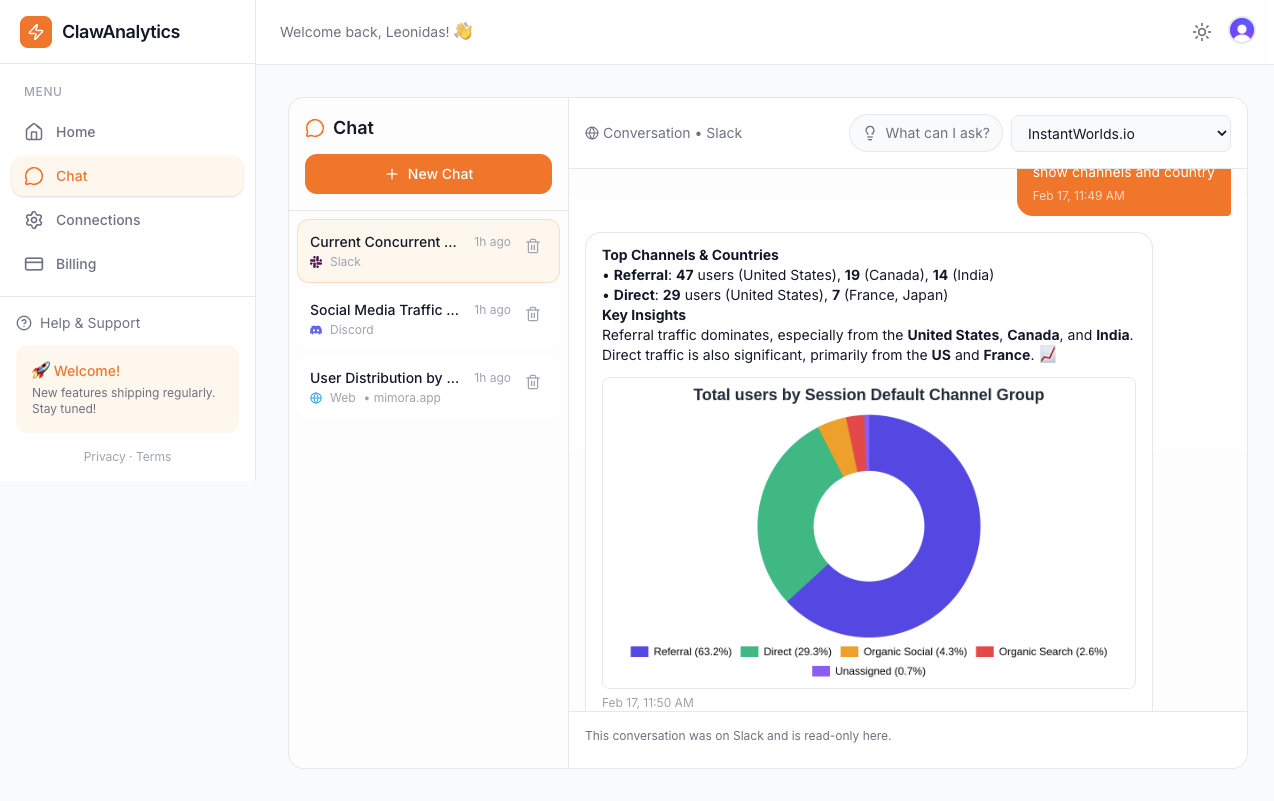
ClawAnalytics fits naturally into your workflow. Connect your service data and the platform calculates lifetime value automatically. Ask questions in plain language and receive meaningful answers.
You can ask which customers have spent the most over the past two years or what percentage of your business comes from repeat clients. You can discover which neighborhoods generate your best customers or what service types lead to long-term relationships.
The platform reveals insights you would never find by guessing. It shows which customers are most likely to need emergency services next or which maintenance plan members are worth prioritizing for annual check-ins.
Quick Wins
Start maximizing customer lifetime value with three immediate actions. First, create a customer follow-up system. Call customers 90 days after any service to check on their satisfaction and suggest maintenance. Most do not book because they forget, not because they are unhappy.
Second, implement a referral program. Satisfied customers are your best source of new high-value clients. Offer a discount on future service for every successful referral.
Third, push maintenance plans to high-value customers. Properties with older plumbing systems or a history of multiple repairs are prime candidates. A $300 annual maintenance plan can turn a $1,000 customer into a $3,000 customer over five years.
Tracking CLV transforms your plumbing business from a service-to-service operation into a relationship business that generates predictable, growing revenue.