You need expert help with your business strategy. You’ve tried handling it yourself, but now you realize you need outside perspective. You open your laptop, search for consultants in your industry, read case studies, and eventually reach out for a proposal. This desktop research journey is how many consulting clients begin their vendor selection process.
Desktop traffic to a consultant’s website represents serious business opportunities. These visitors are typically decision-makers researching expertise, not casual browsers. They have time to evaluate credentials, understand methodologies, and compare consultants before making contact.
Why Desktop Traffic Matters for Consultants
Tracking desktop traffic provides consultants with valuable business insights. First, desktop users often have larger budgets and longer project timelines. Someone researching strategy consulting on their laptop is likely preparing for a significant engagement.
Second, desktop traffic reveals which service areas generate the most interest. Is it operational consulting? Digital transformation? Change management? This helps consultants refine their service offerings and positioning.
Third, desktop visitors engage more deeply with content. They read white papers, download case studies, and watch webinars. This engagement builds familiarity before any sales conversation, leading to higher conversion rates.
Fourth, desktop traffic helps consultants understand their competitive positioning. By seeing which pages attract visitors and where they spend time, consultants can optimize their pitch and differentiation.
How to Check in GA4
Analyzing desktop traffic in GA4 requires proper configuration. First, set up conversion tracking for key actions like consultation requests, proposal downloads, and email signups.
Create custom reports with device category as a dimension. Compare desktop versus mobile behavior for metrics like time on site, pages per session, and conversion rates.
Build audiences for desktop visitors who consumed high-intent content. These might include visitors who read case studies or viewed service pages for specific offerings.
Track the full customer journey for desktop users. Understand which touchpoints lead to engagement and which drop off, then optimize accordingly.
The Easier Way
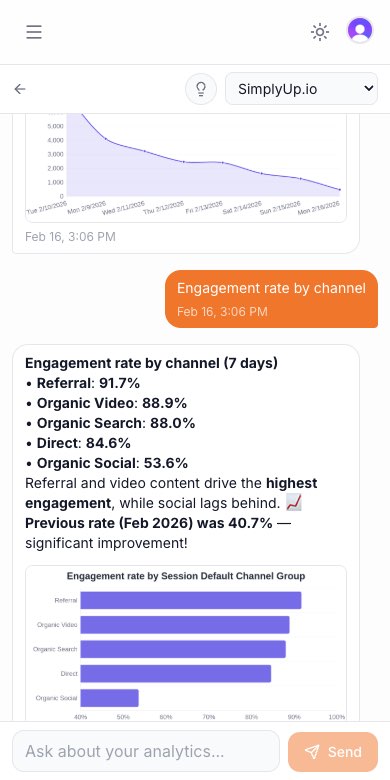
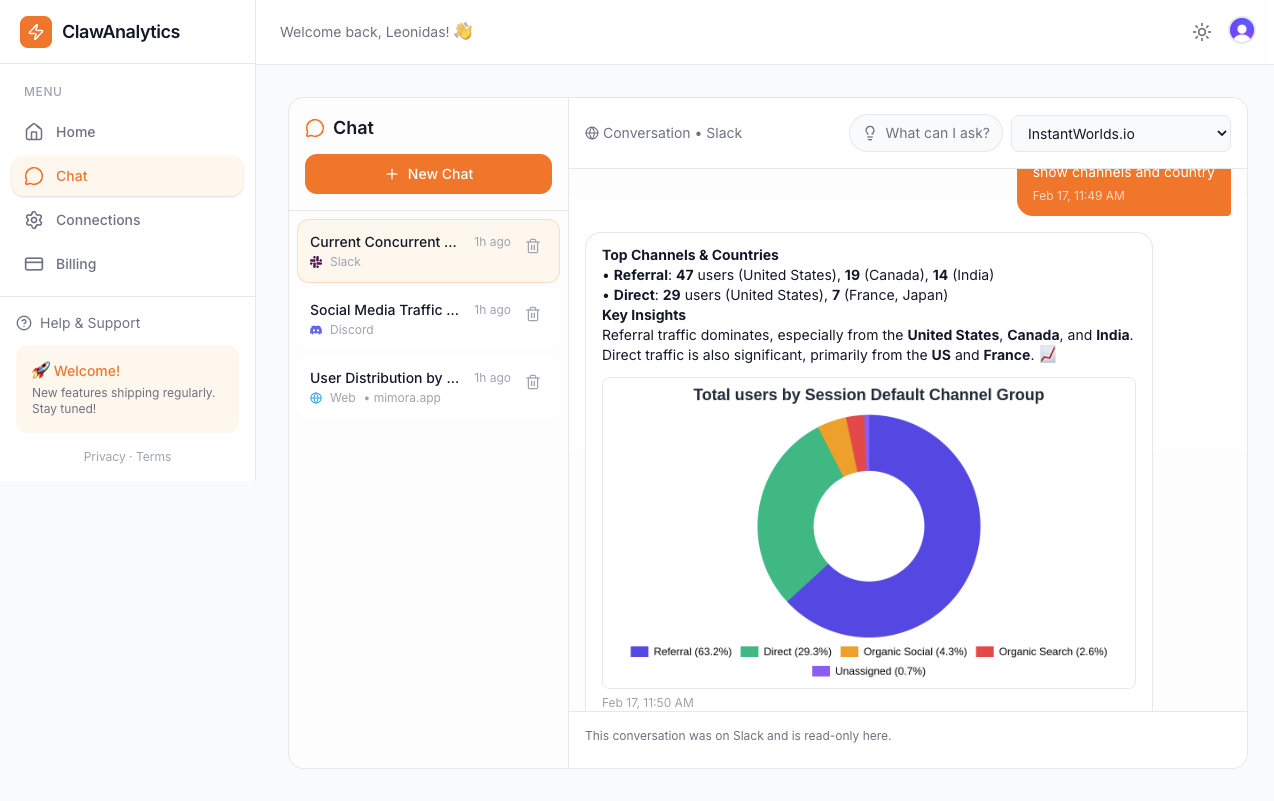
Many consultants find GA4 too technical for their needs. ClawAnalytics provides a simpler way to understand desktop visitors and their intent.
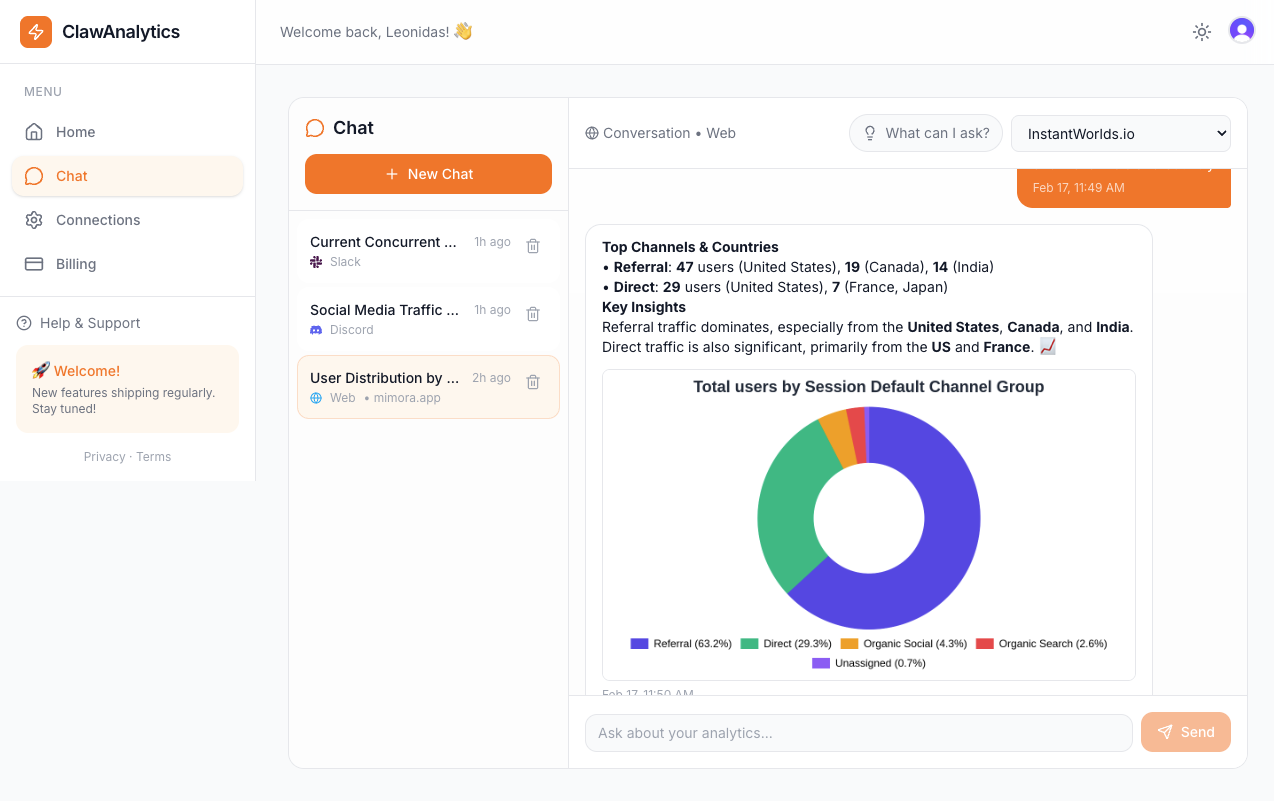
With ClawAnalytics, consultants can easily see: Which services attract the most desktop research? What content do desktop visitors engage with? Which channels bring the most qualified desktop leads?
For example, a management consultant might discover that desktop visitors from LinkedIn articles convert to clients at higher rates than those from cold outreach. This helps prioritize content marketing efforts.
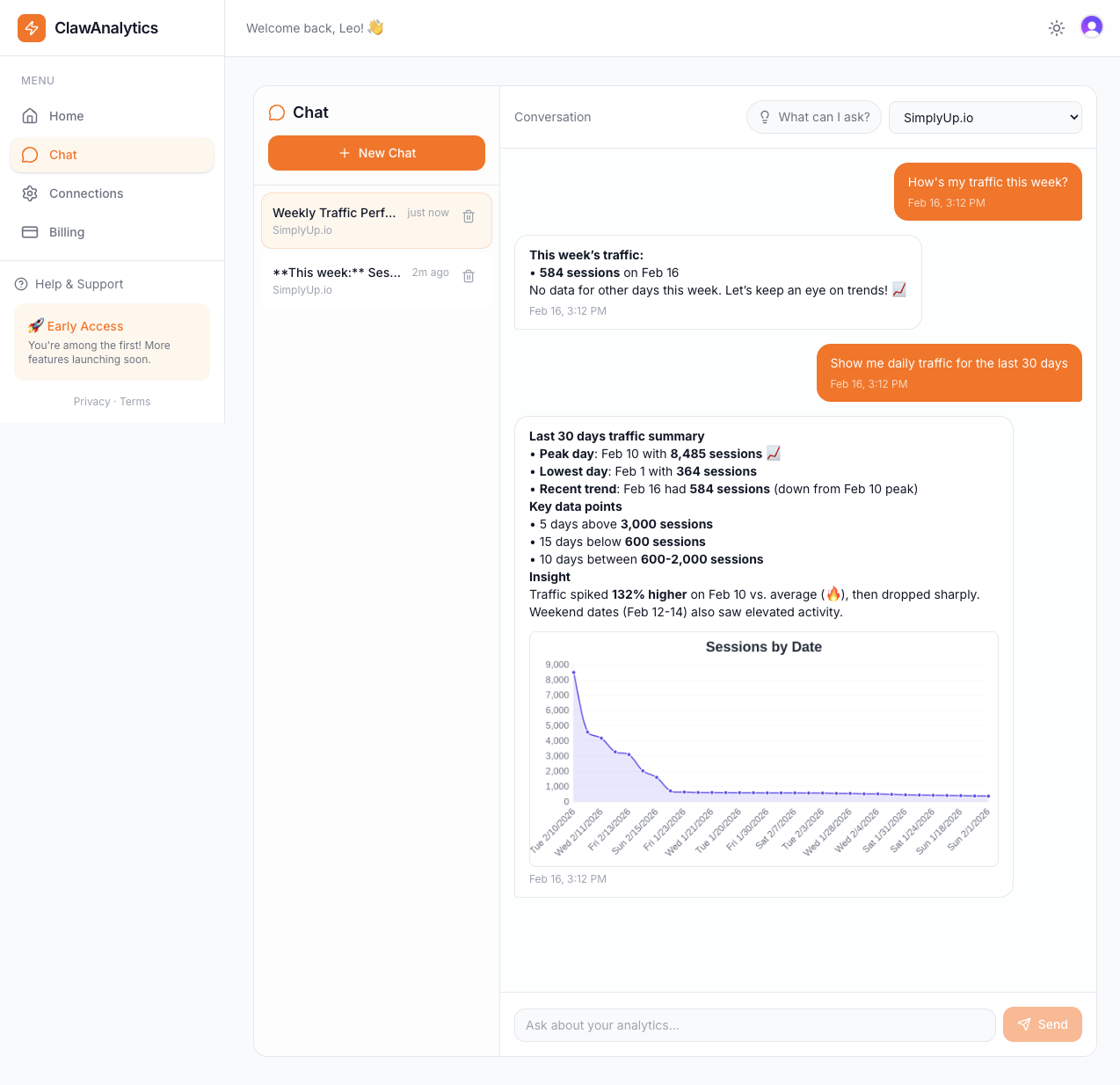
ClawAnalytics also tracks engagement patterns over time, helping consultants understand when prospects are most likely to reach out after researching on desktop.
Quick Wins
Consultants can improve desktop conversion with these actionable tips. First, create comprehensive service pages with clear value propositions. Desktop visitors want detailed information before contacting you.
Second, add a portfolio or case study section prominently. Decision-makers browse these to validate expertise and results achieved for similar clients.
Third, offer a desktop-optimized consultation booking system. Make it simple for serious desktop visitors to schedule initial calls without navigating complex forms.
Fourth, create industry-specific landing pages. A desktop visitor searching for healthcare consulting wants to see relevant experience, not generic service descriptions.