How to Track Desktop Traffic for Ecommerce
A shopper sits down at their desk after dinner, ready to research a purchase they have been thinking about for days. They open multiple tabs, compare prices across competitors, read reviews, and eventually buy from the site that felt most trustworthy. That desktop session likely generated a higher order value than the same person would have spent on a phone. Desktop traffic represents your highest-value ecommerce visitors, and understanding their behavior directly impacts revenue.
Why Desktop Traffic Matters for Ecommerce
Higher cart values happen on desktop. Shoppers on computers feel more comfortable spending more. They take time to browse thoroughly, add multiple items, and complete larger purchases without the friction of tiny screens.
Detailed research happens on desktop. When customers invest time in comparing products, reading specs, and watching videos, they usually do this on a computer. These informed shoppers convert at higher rates and return more often.
Desktop users expect rich experiences. Larger screens allow for detailed product galleries, comparison tools, and complex navigation. If your desktop site lacks these features, you underwhelm your most valuable audience.
Cross-device journeys start on desktop. Many customers research on mobile but purchase on desktop (or vice versa). Understanding desktop behavior helps you coordinate the full customer journey.
How to Check Desktop Traffic in GA4
Open GA4 and navigate to the Ecommerce overview. Apply a Device category filter for Desktop. You will see metrics like Total revenue, Average order value, and Purchase conversion rate specific to computer users.
Use the Shopping Behavior Report to analyze the desktop funnel. How many desktop users add products to cart? How many begin checkout? Where does desktop traffic drop off compared to mobile?
Create a custom dimension tracking “items viewed per session” and segment by Desktop. This reveals how many products desktop browsers explore before purchasing, helping you understand browsing depth.
The Easier Way
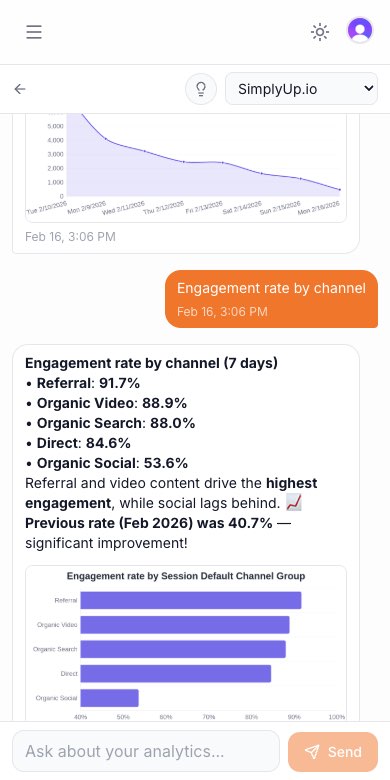
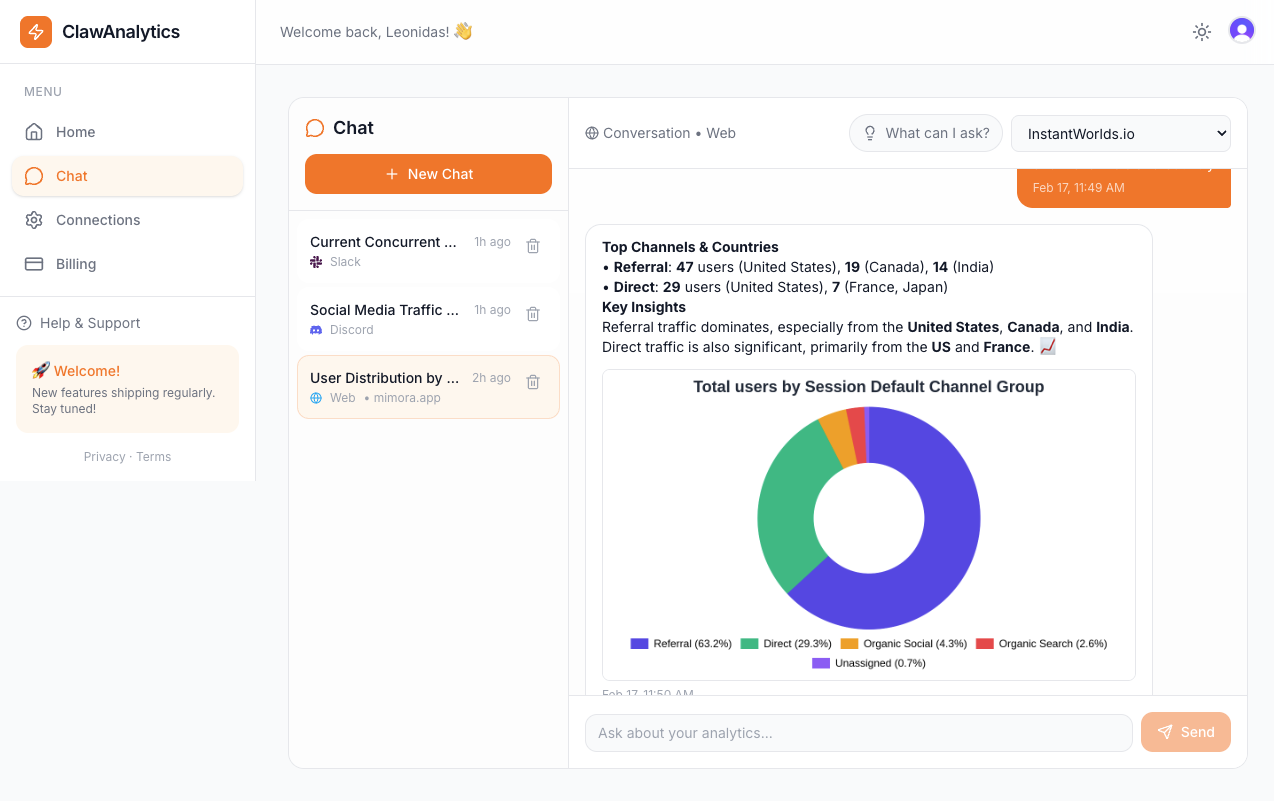
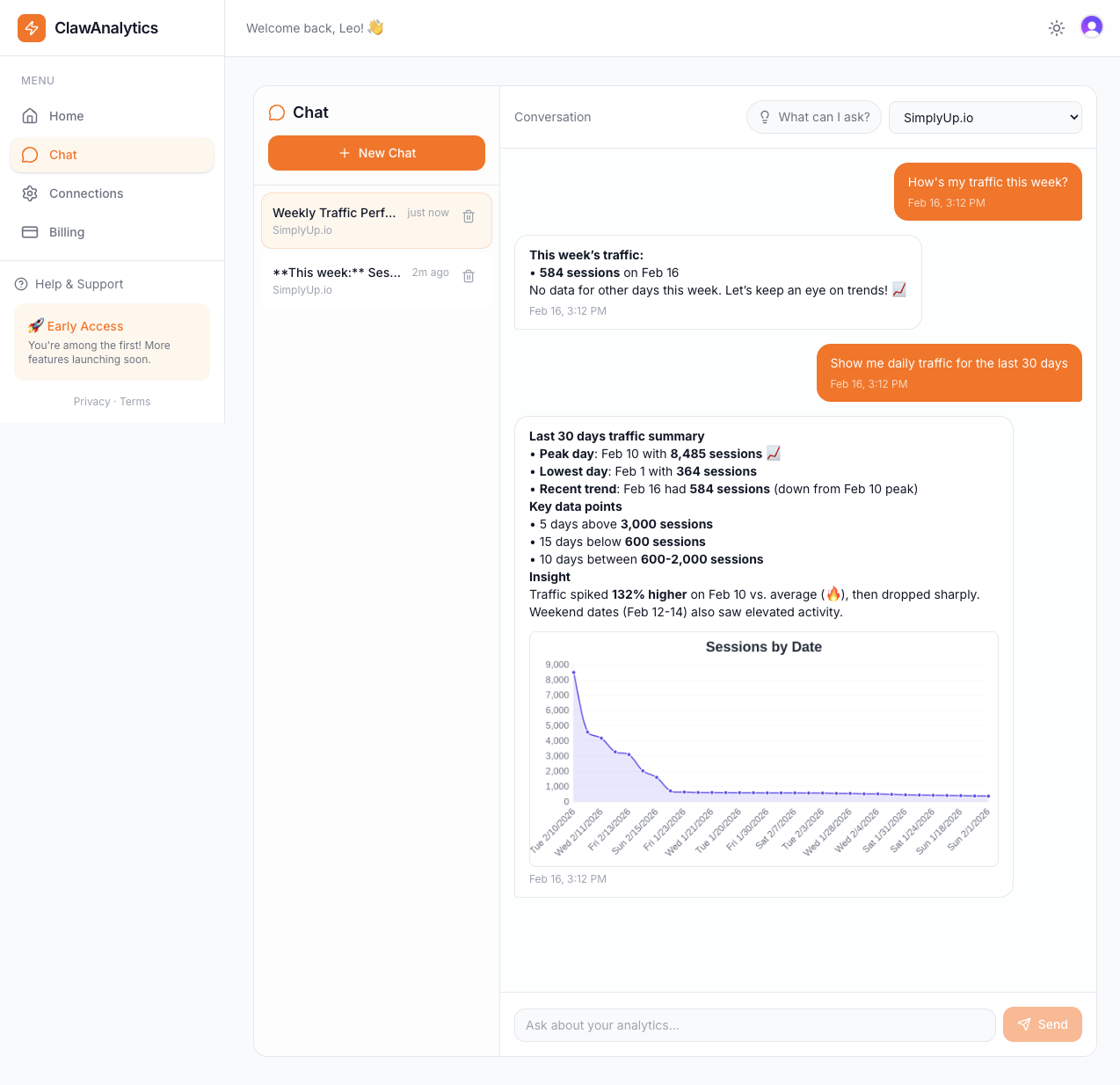
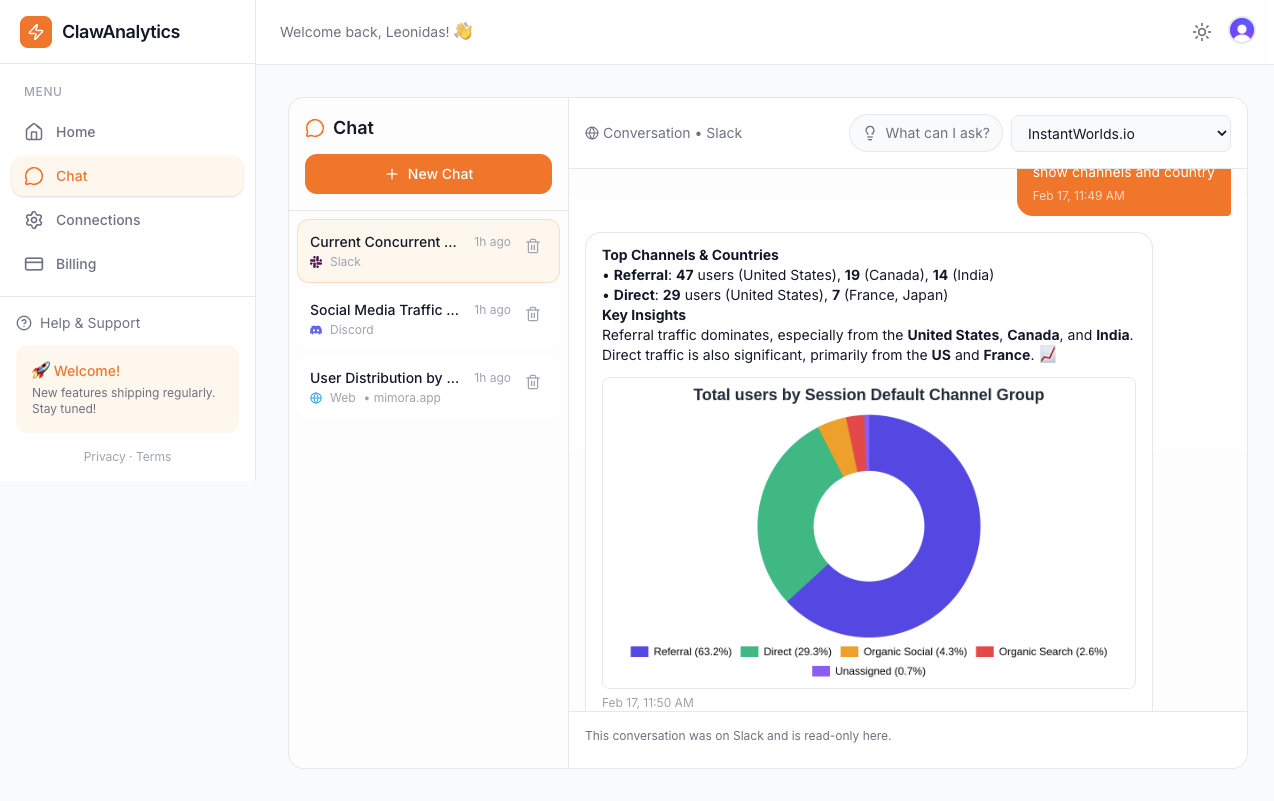
ClawAnalytics simplifies desktop ecommerce analysis by highlighting exactly which products capture desktop attention and where the desktop purchase journey stalls. Instead of building complex reports, you see immediate insights.
For example, you might discover that desktop users frequently compare your premium product against competitors but rarely convert. This signals a need for better desktop-specific messaging, such as detailed comparison charts or satisfaction guarantees.
You can also ask questions like “Which product categories have the highest desktop conversion rate?” or “What time of day drives the most desktop purchases?” and use those answers to schedule promotions and optimize inventory.
Quick Wins
Optimize product detail pages for desktop. Use high-resolution images, dimension charts, and detailed descriptions that take advantage of screen space. Desktop users expect comprehensive information.
Implement sticky add-to-cart on desktop. As users scroll through long product pages, keep the purchase button visible. This reduces friction for users ready to buy.
Show related products prominently. Desktop users explore more. Suggest complementary items to increase cart size without adding navigation effort.
Simplify desktop checkout. Remove unnecessary form fields. Enable autofill and offer digital wallets. Even on desktop, a complicated checkout loses sales.
Leverage desktop-specific retargeting. Desktop users who browse but do not buy make excellent retargeting candidates. Create tailored ads for this high-value segment.