How to Track Desktop Traffic for Restaurants
Picture this: it’s Saturday night and your restaurant is fully booked. But what if you could have known earlier and accepted more reservations? Desktop traffic tracking makes this possible.
Why Desktop Traffic Matters for Restaurants
Desktop traffic to your restaurant’s website tells a different story than mobile. Here’s what makes it valuable:
- Higher intent: Desktop users typically spend more time on your site, browsing menus and reading reviews before deciding to book.
- Bigger spenders: Studies show desktop visitors often have higher average order values when they order online for pickup or delivery.
- Event planning: Customers planning birthdays, anniversaries, or business dinners usually use desktop computers to research options thoroughly.
- Group bookings: Large party reservations almost always come from desktop traffic, as people coordinate with others before confirming.
When you track desktop traffic, you gain insights into who your serious customers are versus casual mobile browsers.
How to Check in GA4
Here’s how to see your desktop traffic data:
- Open Google Analytics 4 and navigate to Reports
- Click Acquisition, then Traffic Acquisition
- Look for the Device category column in your data table
- Click Add filter and select Device category > Desktop
- Set your date range to compare week-over-week or month-over-month
You’ll see exactly how many desktop visitors you get, what pages they view most, and how long they stay. Focus on your reservation and event booking pages—these are where desktop traffic converts.
The Easier Way
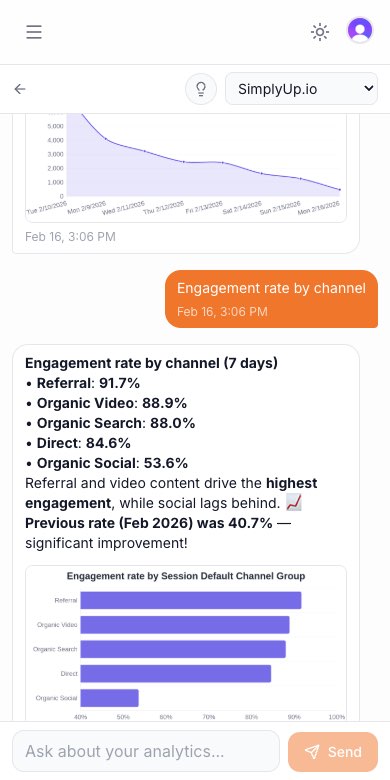
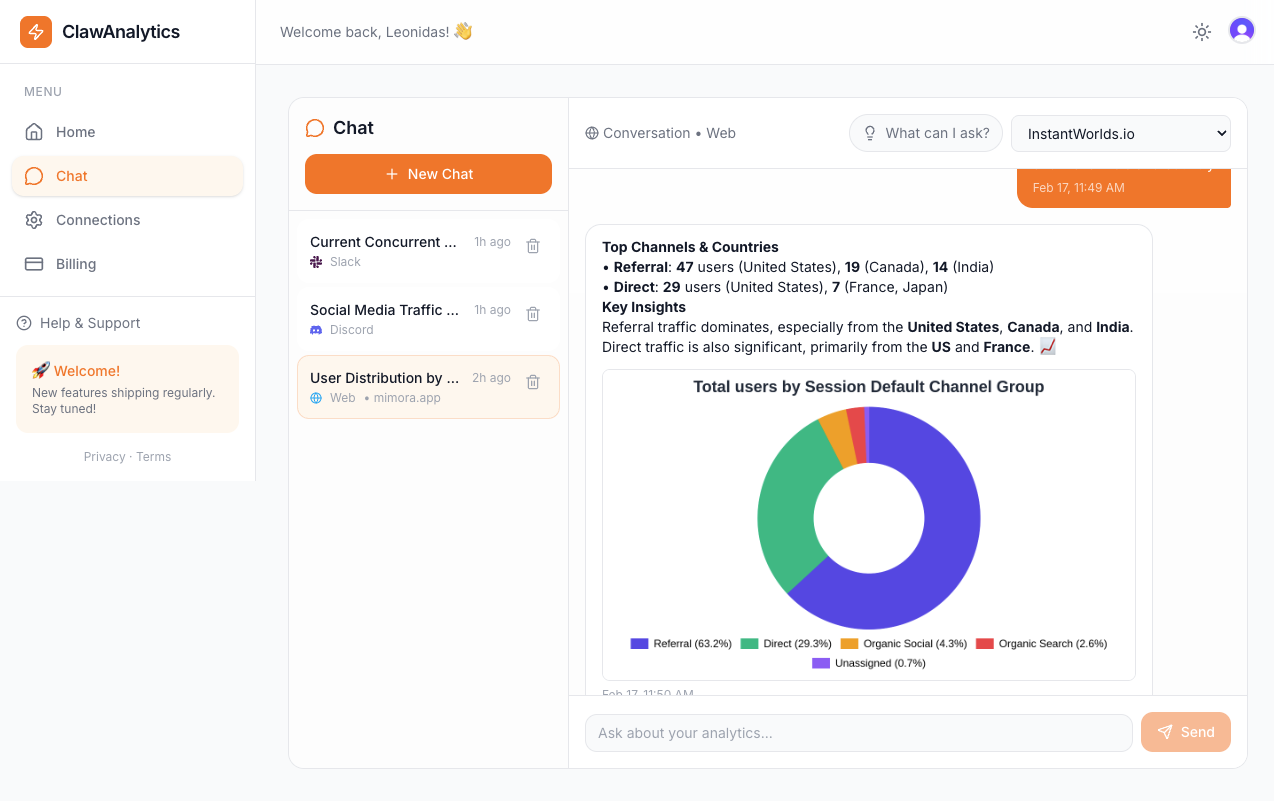
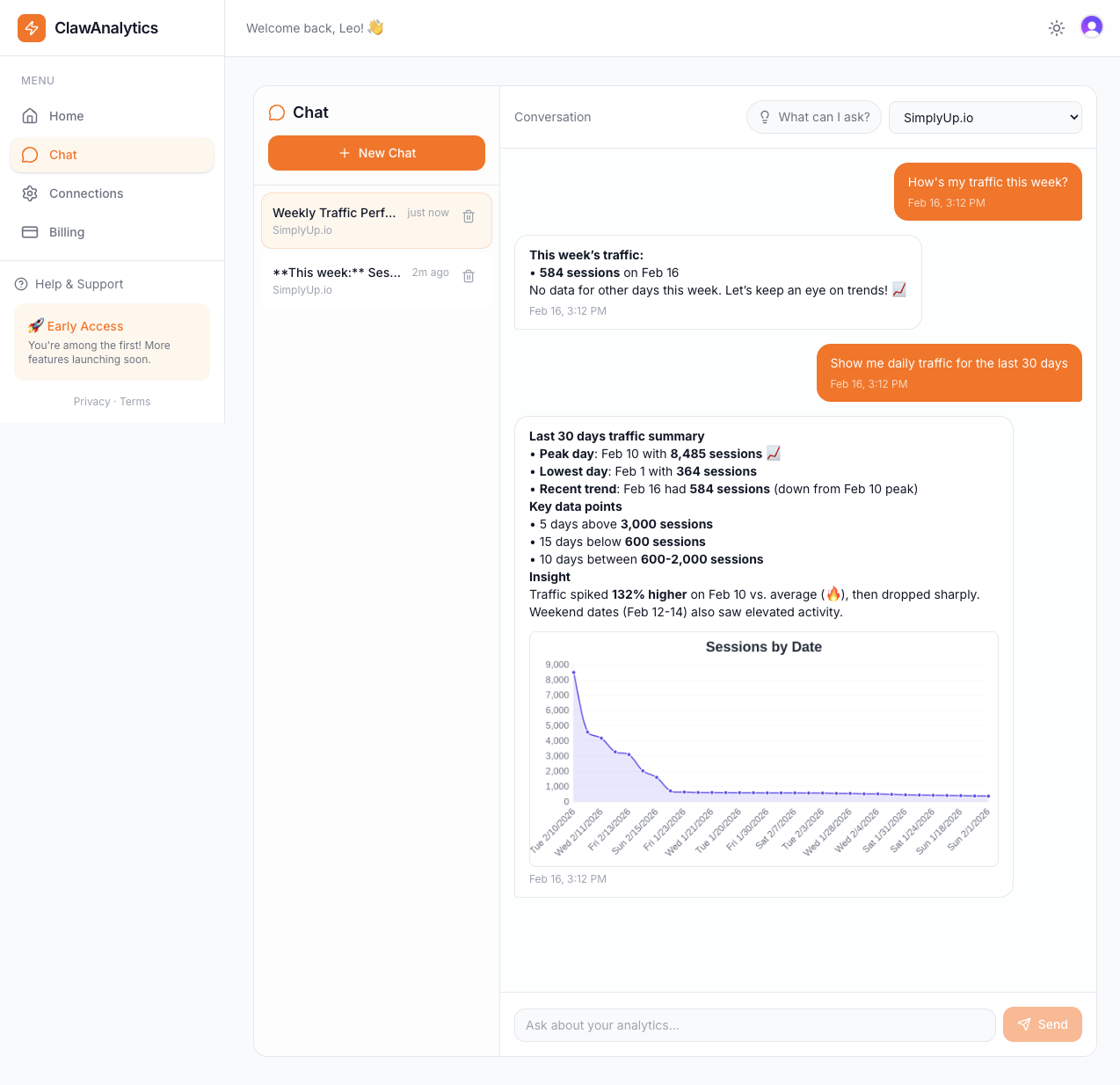
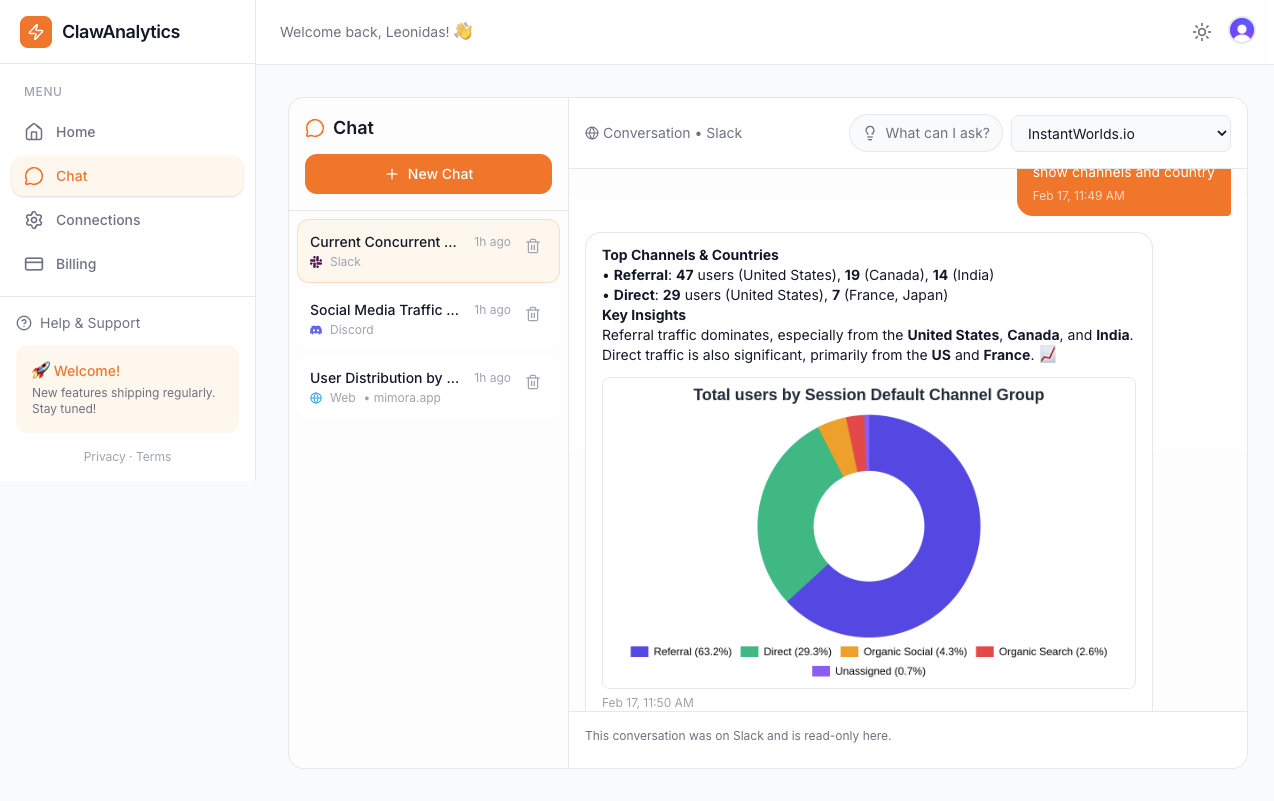
Most restaurant owners don’t have time to dig through GA4 every day. That’s where ClawAnalytics comes in.
Instead of manually checking reports, you can set up automated monitoring. For example, ClawAnalytics can tell you:
- “Desktop traffic to your reservation page is up 40% this Friday—consider adding more tables”
- “Users spending over 3 minutes on your catering page increased last week”
- “Your private event inquiry form gets 3x more desktop views than mobile”
This means you’re reacting to real data without constantly checking dashboards. You’re always one step ahead.
Quick Wins
Here’s what to do next:
- Add UTM parameters to your desktop marketing campaigns so you can track which channels bring the most desktop visitors
- A/B test your reservation page for desktop users specifically—make the booking button more prominent
- Monitor peak desktop hours (typically 10am-2pm for lunch planning, 5pm-8pm for dinner) and ensure your site loads fast during these times
- Set up alerts for significant traffic spikes so you never miss an opportunity
Start tracking desktop traffic today and turn website visitors into filled tables.