How to Track Device Breakdown for Dropshipping
Your dropshipping store hits 2,000 visitors today. You made 15 sales. But here is the thing: those 15 sales came from just 200 desktop visitors, while the 1,800 mobile visitors bought almost nothing. Without device breakdown, you would never know why your conversion rate looks so bad.
Why Device Breakdown Matters for Dropshipping
Dropshipping runs on thin margins, and every visitor counts. Device breakdown matters for several reasons.
First, it reveals true conversion rates. A store with 2% overall conversion might actually have 8% on desktop and 0.5% on mobile. Those are very different problems. Second, it guides advertising decisions. Facebook and TikTok ads reach mobile users differently, and knowing your device mix helps you bid smarter. Third, it improves the shopping experience. Mobile shoppers expect fast load times, simple navigation, and easy checkout. If your store is slow on mobile, they leave. Fourth, it helps with product testing. Some products sell better on mobile, while others need desktop browsers. Device data tells you which products to promote where.
How to Check in GA4
Google Analytics 4 tracks device data automatically, but you need the right reports.
Go to Reports, then Lifecycle, then Engagement, and select Users by Device. This shows your visitor split. Now add Revenue as a secondary metric to see actual sales by device. The key is comparing conversion rate and average order value across devices.
For deeper insight, go to Monetization, then Publisher, and look at Device category. This shows how devices interact with your ads, if you run display or search campaigns. You want to know if the device bringing cheap traffic also brings sales.
The Easier Way
Dropshippers need to move fast and test constantly. ClawAnalytics makes device breakdown actionable.
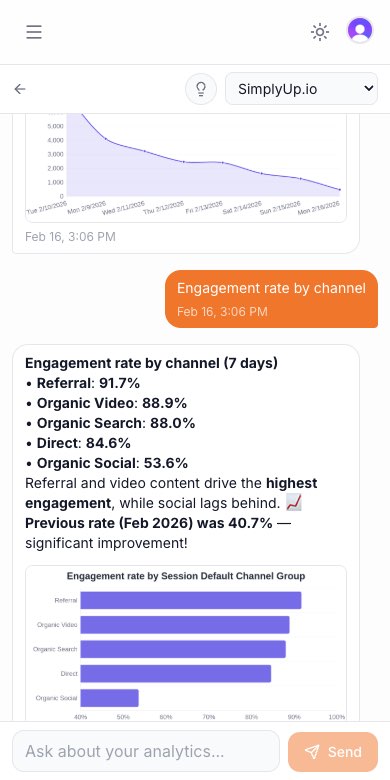
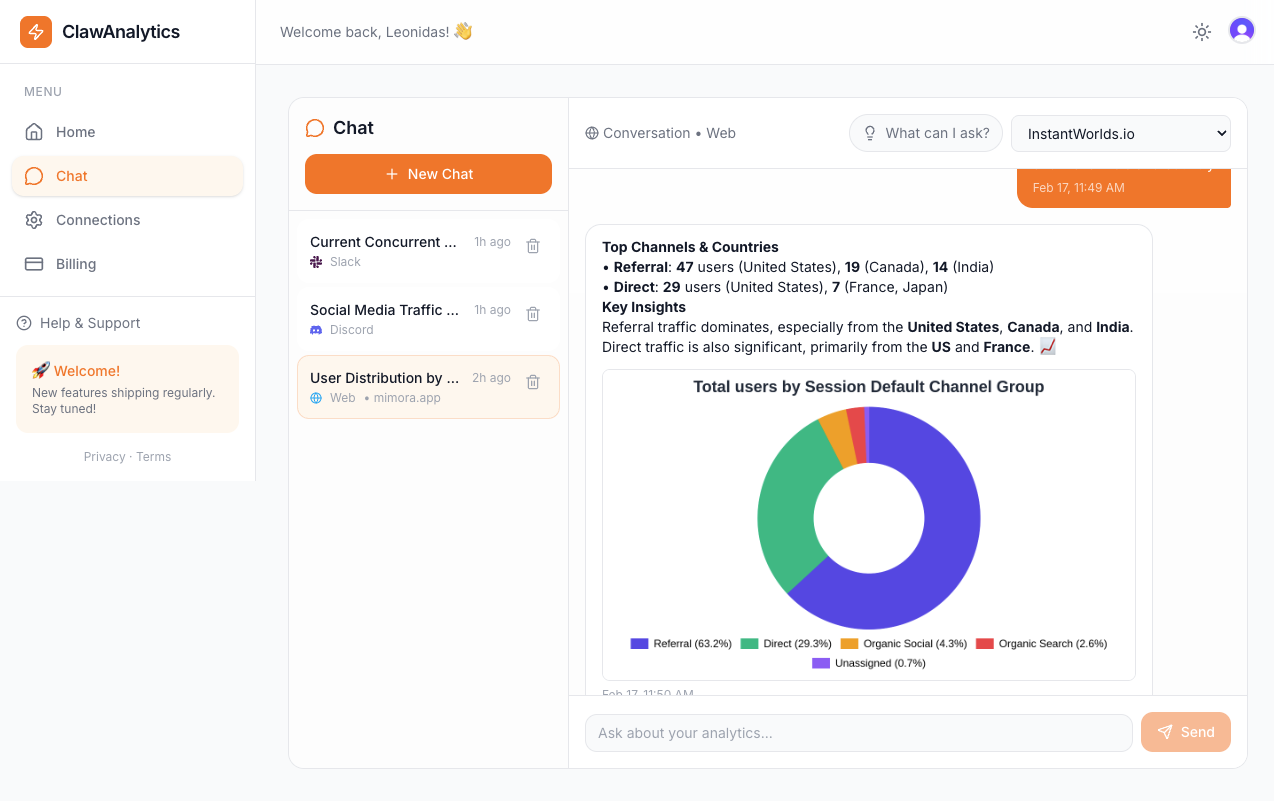
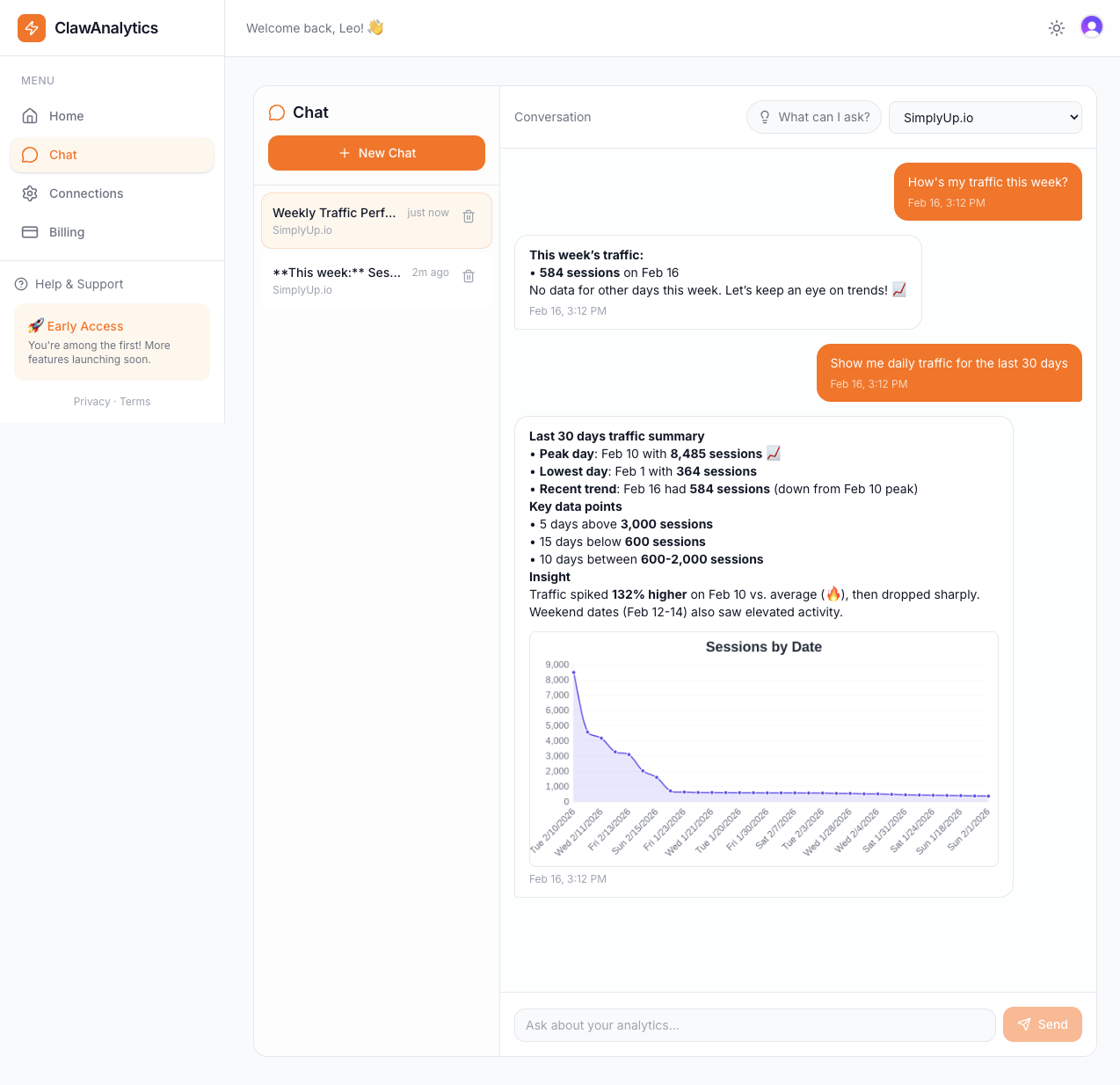
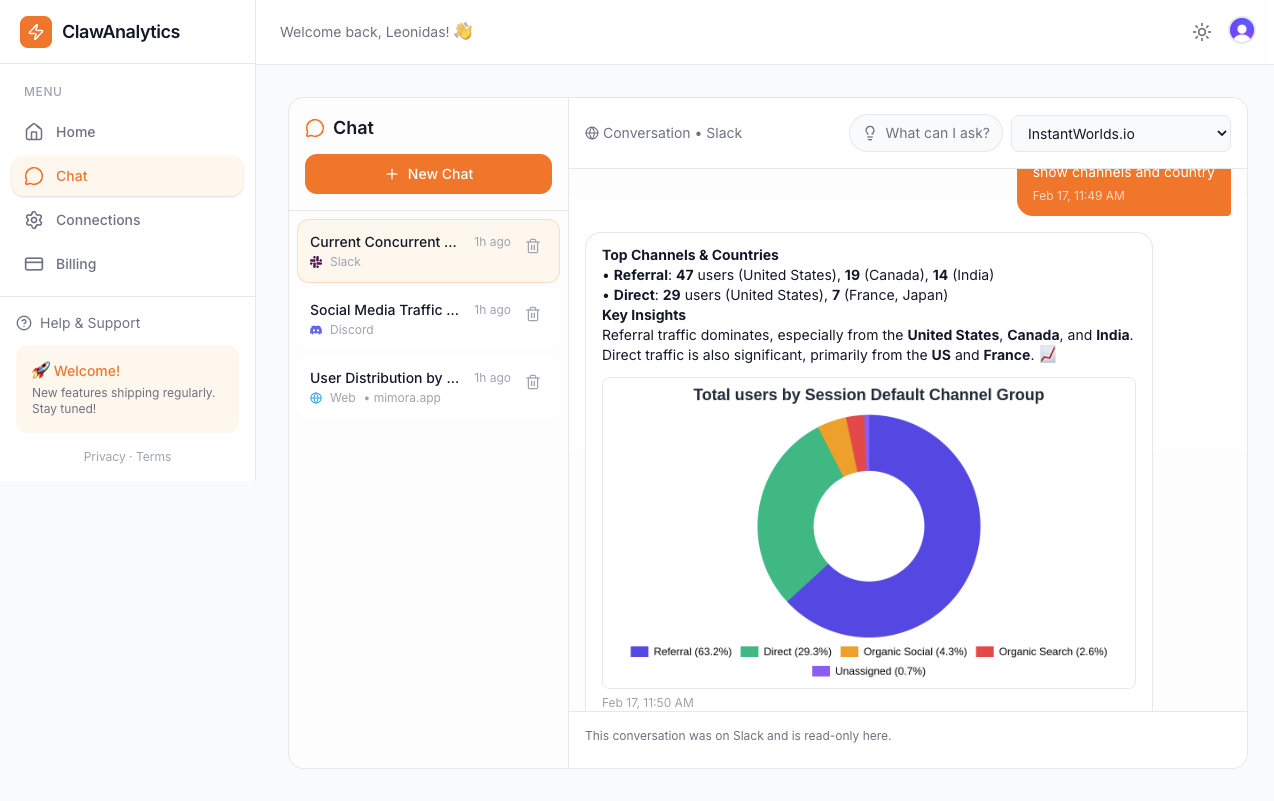
ClawAnalytics connects to your store analytics and shows you exactly which devices drive revenue. You can ask “What is my mobile conversion rate compared to desktop?” or “Are tablet users buying more than phone users?” and get instant answers.
The tool also tracks device-specific trends over time. If your mobile conversion suddenly drops, you know immediately and can investigate. This speed matters in dropshipping, where problems compound fast if you do not catch them.
Quick Wins
Here are three things you can do today to improve device performance.
Test your mobile checkout process. Place a test order on your phone and note every step. If it takes more than three taps to complete, simplify it.
Optimize for mobile speed. Use compressed images and a fast theme. Every second of delay costs you mobile conversions.
Create device-specific landing pages. If a product sells well on desktop, make sure your ads for that product target desktop users with the right messaging.