How to Track Direct Traffic for Healthcare
Your medical practice has a website with appointment scheduling, physician profiles, and health information. But when you review analytics, understanding direct traffic feels confusing. Many healthcare administrators don’t realize direct traffic reveals important information about patient loyalty and community reach.
Why Direct Traffic Matters for Healthcare
Direct traffic matters significantly for healthcare providers in several important ways.
It measures patient loyalty and retention. When existing patients visit your site directly for portal logins, appointment scheduling, or health information, they’re engaging with your practice. These returning visitors represent established patient relationships.
Direct traffic indicates community brand strength. High direct traffic means your practice name is recognizable in your community. People aren’t just finding you through Google searches or insurance directories. They specifically remember your website.
It helps evaluate referral effectiveness. When physicians, pharmacists, or current patients refer others, some will visit your site directly. Tracking this helps you understand which referral relationships drive the most engagement.
Direct traffic often represents high-intent patients. Someone who takes time to type your URL directly has likely decided they want to connect with your practice, not just browse for options.
How to Check in GA4
Setting up GA4 for your healthcare website is essential for understanding patient behavior.
Create a GA4 property at analytics.google.com. During setup, select healthcare as your industry. This configures appropriate tracking defaults for medical practices.
Add the tracking code to your website. Most healthcare website platforms allow you to insert tracking scripts through settings or developer tools. Ensure it appears on all patient-facing pages.
Once data accumulates, log into GA4 and navigate to Reports, then Traffic Acquisition. Find “Direct” in the channel breakdown. This shows visitors who arrived without any referral source.
Set up conversion tracking for appointment requests and portal registrations. This helps you understand which traffic sources, including direct, drive actual patient acquisitions. Healthcare practices often find direct visitors have higher scheduling rates.
Consider tracking specific service pages. Create custom events for different departments or treatments so you can understand which services attract the most direct attention.
The Easier Way
Many healthcare administrators and practice managers find GA4 complex to navigate.
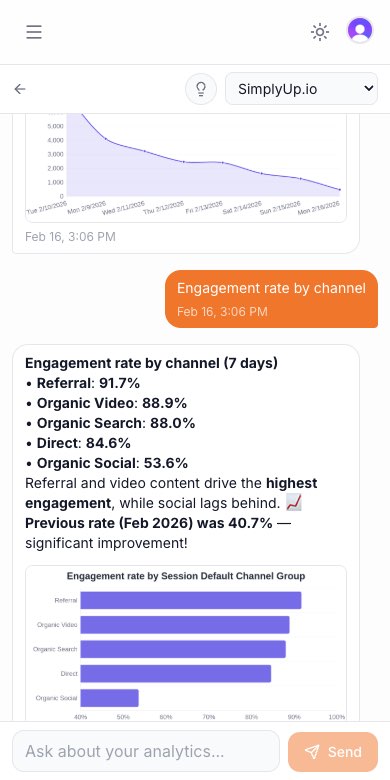
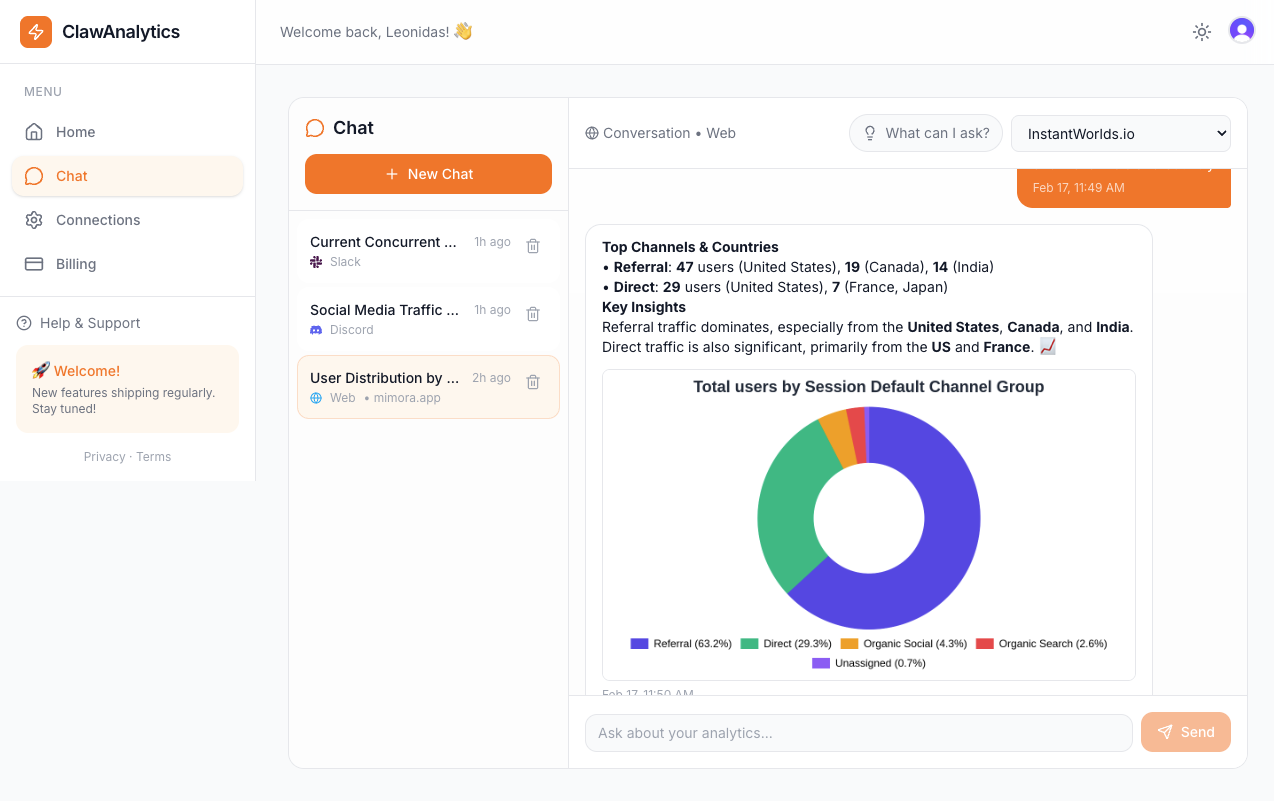
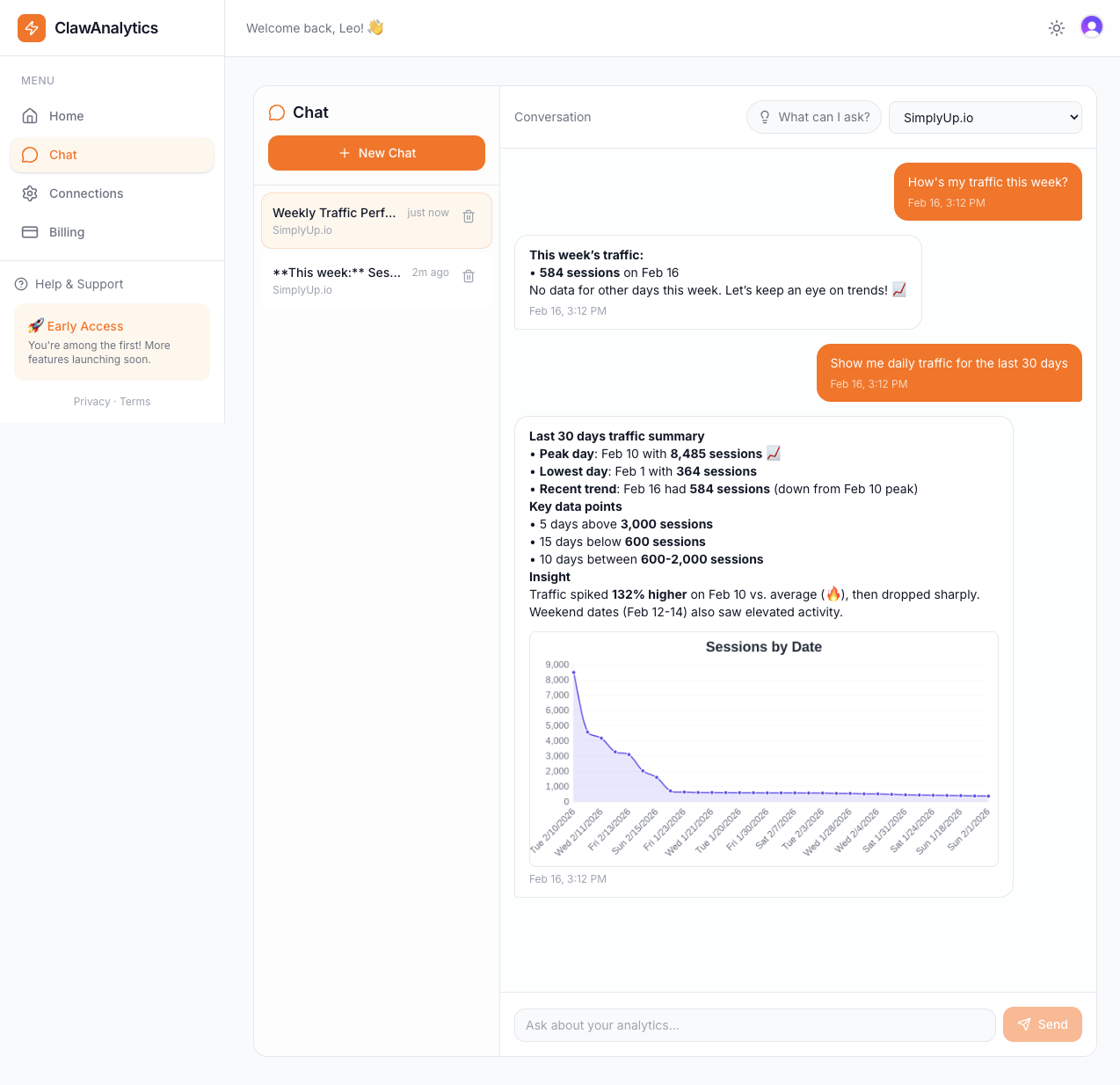
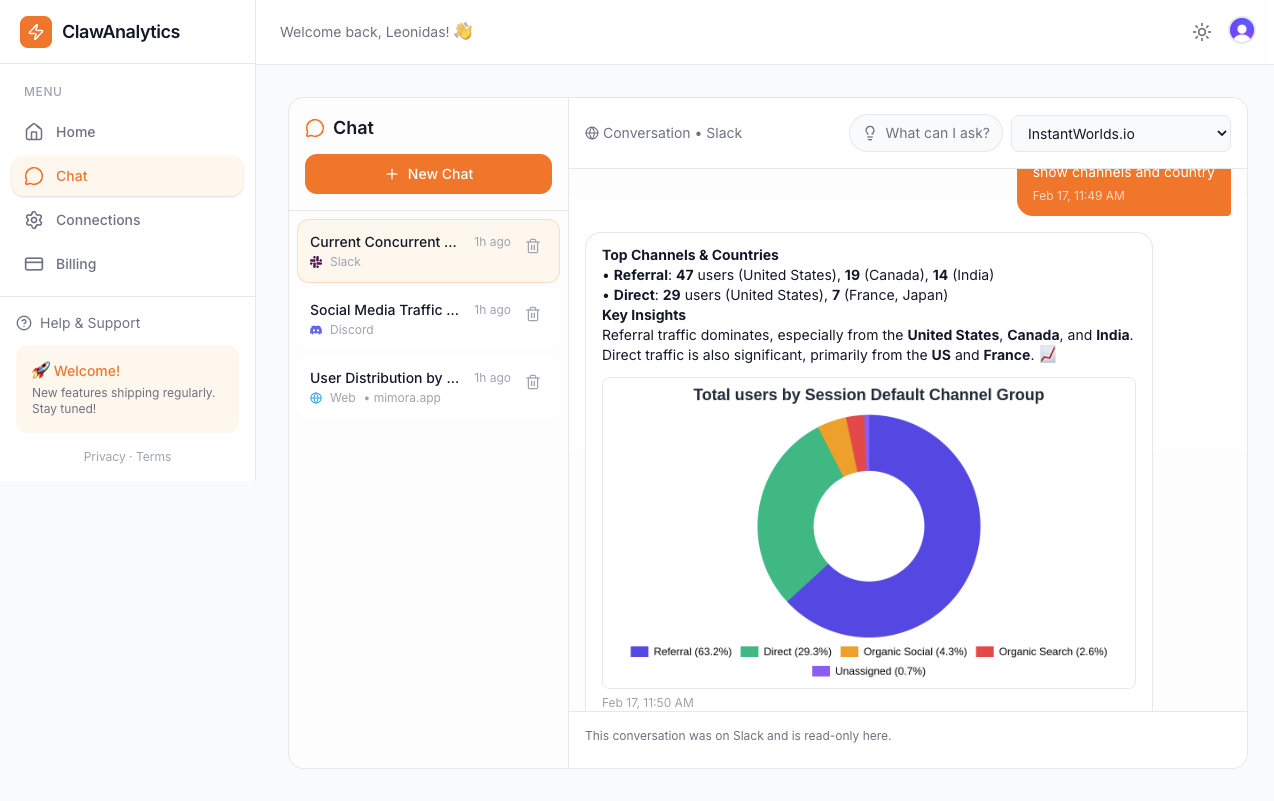
Common questions like “Are our current patients using the patient portal?” or “Did our community event drive direct traffic?” require custom setup in GA4. ClawAnalytics answers these instantly.
Another frequent question is “Which physicians bring in the most direct patient visits?” With ClawAnalytics, you see this at a glance. The platform also helps you understand whether your email newsletters drive return visits or if patients simply type your URL.
ClawAnalytics provides healthcare-specific dashboards that make analytics accessible. You get insights to improve patient acquisition without technical complexity.
Quick Wins
Here are practical steps healthcare providers can take to increase direct traffic.
Use a simple, memorable practice URL. Avoid long or complicated URLs. The easier your practice name is to remember, the more likely patients type it directly.
Include your URL on all patient materials. Appointment cards, prescription pads, billing statements, and discharge papers should feature your website. Every patient touchpoint builds direct traffic potential.
Encourage patients to bookmark your portal. When patients schedule appointments or access health records, remind them they can bookmark your site for easy future access.
Print your URL on physical signage. Waiting room posters, exam room materials, and building signage should feature your website prominently.
Add your URL to professional referrals. When referring patients to specialists or receiving referrals, your website URL should be part of the professional communication.