How to Track Email Traffic for Dropshipping
Your promotional email just hit 10,000 inboxes. You sold 47 products in three hours. But what about the other emails you sent last month? Which ones actually made money?
Email traffic tracking tells you exactly what’s working. No more guessing which campaign deserves your attention.
Why Email Traffic Matters for Dropshipping
Your profit margins are thin. Every wasted ad dollar or ineffective email cuts into your bottom line. Knowing which emails drive sales means you stop spending on what doesn’t convert.
Email is your highest-ROI channel. For dropshipping, email typically outperforms paid ads. But only if you measure. Without tracking, you can’t improve.
Product launches need data. When you introduce a new product, you email your list first. Tracking shows whether that launch email actually drove traffic and sales.
Retention drives growth. Automated email sequences (abandoned cart, post-purchase, win-back) need monitoring. Traffic tracking reveals which sequences keep customers coming back.
How to Check in GA4
- Open GA4 and go to Reports > Acquisition > Traffic acquisition
- Scroll to the Session source/medium table
- Search for “email” or look under the Medium column for “email” or “newsletter”
- Click into email traffic to see Pages and screens, Conversions, and User demographics
Create a conversion for purchases:
- Go to Configure > Events
- Find “purchase” or create a custom “begin_checkout” event
- Mark it as a conversion
- Now your email traffic report shows actual revenue
For dropshipping, link your GA4 to your ecommerce platform to see purchase revenue directly in your email reports.
The Easier Way
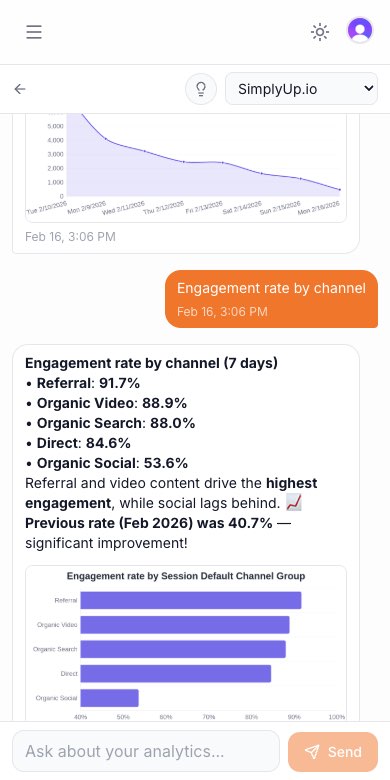
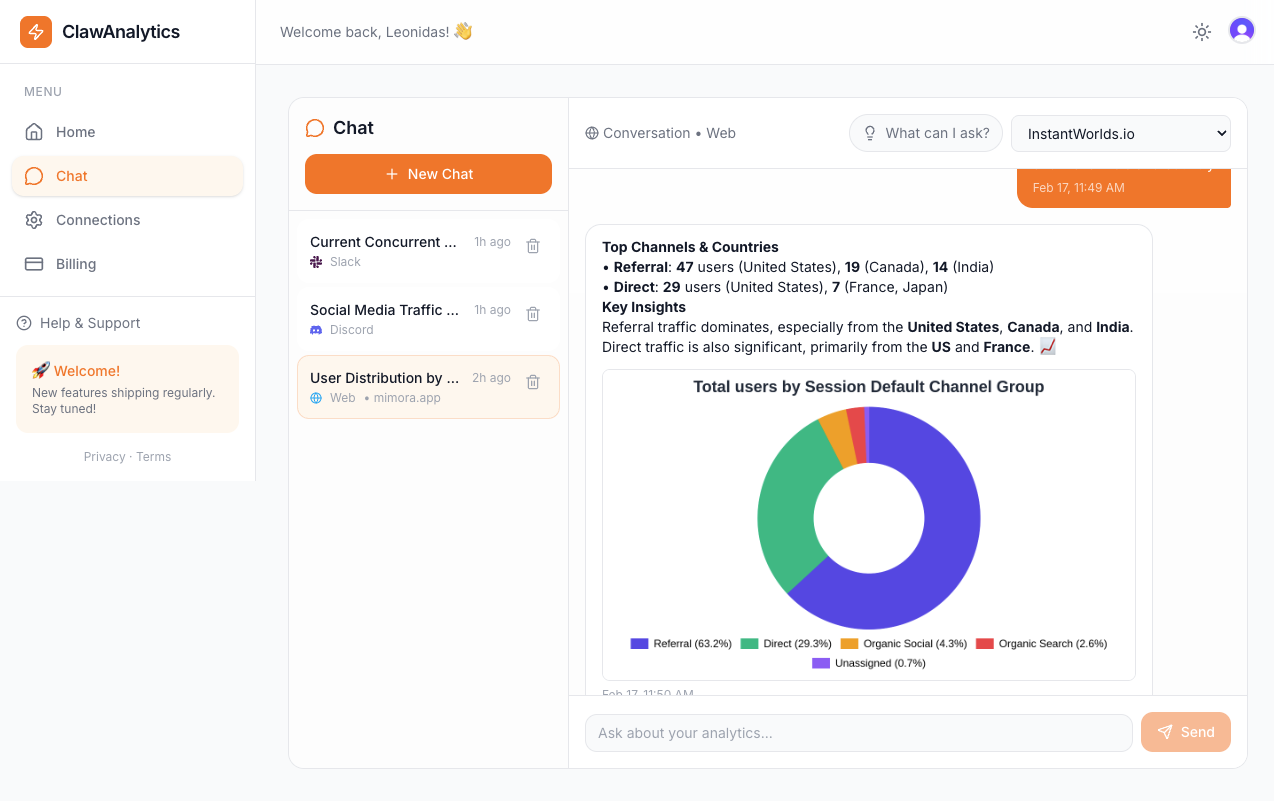
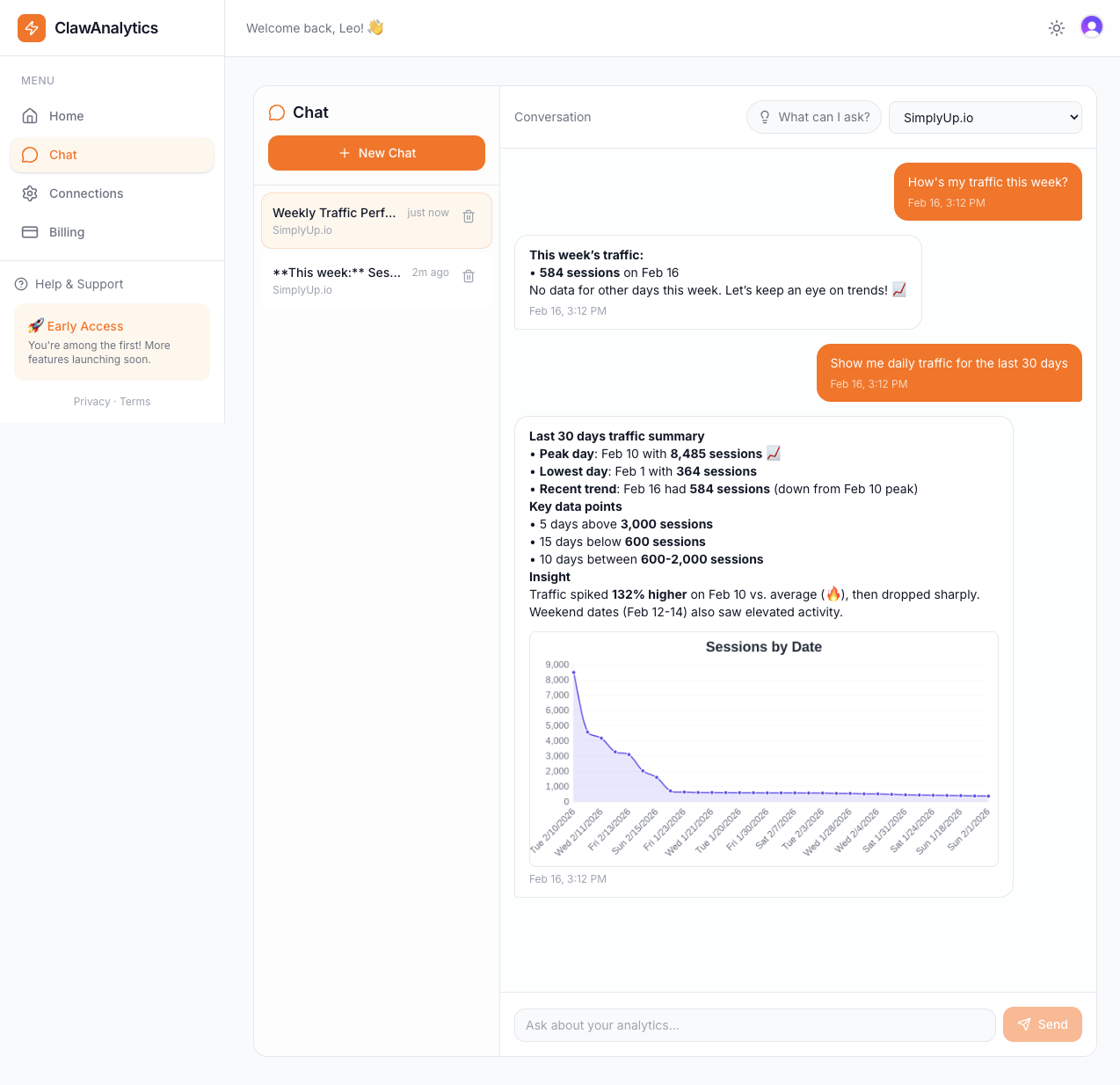
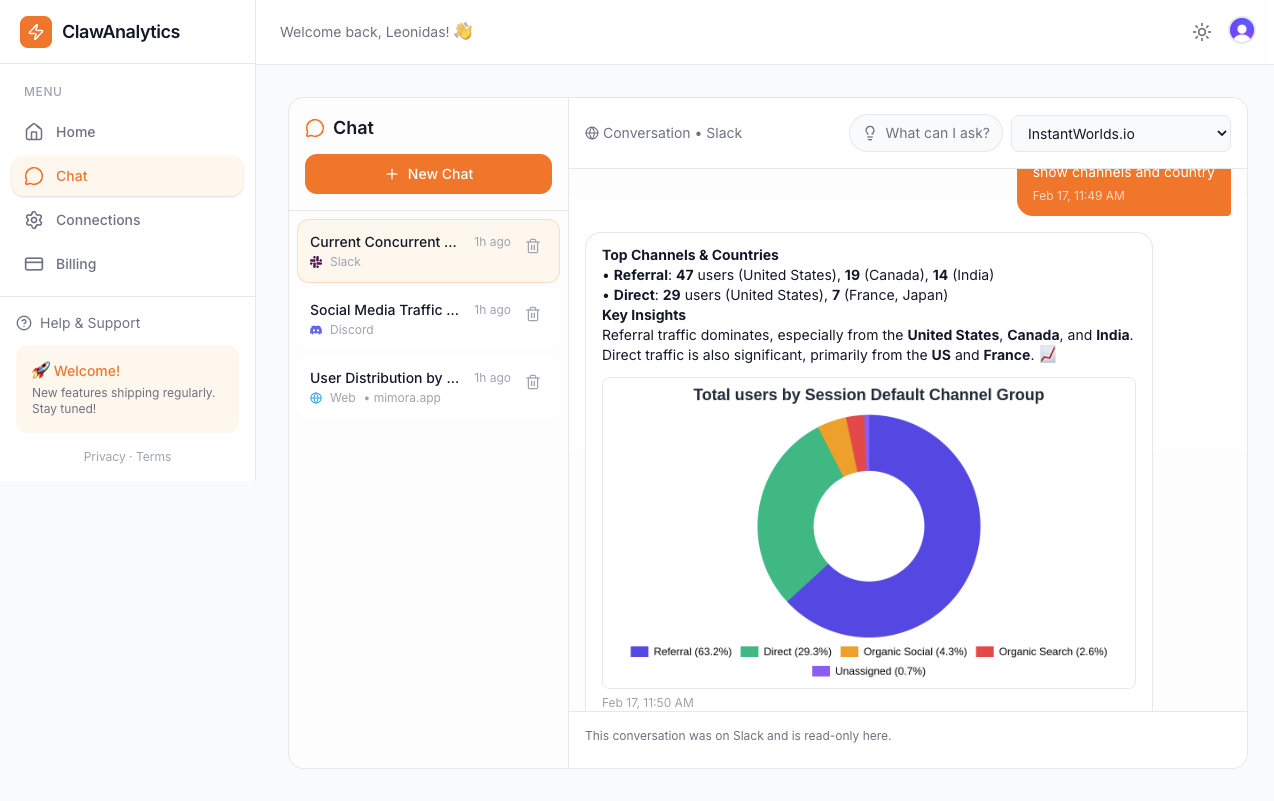
ClawAnalytics connects to your GA4 and answers questions instantly:
- Which email campaign brought the most buyers this week?
- What’s my revenue per email subscriber?
- Are my abandoned cart emails recovering more orders than last month?
You skip the dashboard building. ClawAnalytics surfaces the answers that matter for your dropshipping business. It turns raw GA4 data into clear, actionable insights.
Quick Wins
Tag every email link with unique UTMs. Create a naming system: utm_campaign=spring_sale_2024. This lets you compare individual campaigns in GA4.
Track at the product level. Add UTM parameters for specific products. Know which items from your email blasts actually sold.
Monitor revenue, not just clicks. Clicks mean nothing if they don’t convert. Set up ecommerce tracking to see actual sales from email traffic.
Test and measure. Send two subject lines to different segments. Use different utm_campaign names. Compare the results in GA4 next week.
Your next email campaign is already in your queue. Make it better with data.