Dropshipping stores face fierce competition and skeptical visitors. High engagement rates signal that product presentations build enough trust for visitors to consider a purchase.
Why Engagement Rate Matters for Dropshipping
Dropshipping depends on product presentation since customers cannot physically inspect items. When visitors zoom on images, watch product videos, and read details, they develop confidence in the purchase decision.
Product page engagement reveals which items attract interest. A store might see 65% engagement on trending gadgets but 25% on accessories. This data guides which products to feature prominently in marketing.
Checkout page engagement indicates trust levels. Visitors who abandon checkout often bounce before entering payment information. Low engagement here signals friction in the purchase process.
Review and social proof integration dramatically impacts engagement. Displaying customer photos, video reviews, and order tracking keeps visitors on page longer. This extra engagement correlates with higher conversion rates.
How to Track It
In GA4, focus on product-level engagement metrics. Track views per product, add-to-cart rates, and checkout initiation. Compare engagement across different product categories to identify winning items.
Set up engagement funnels from landing page to purchase. Identify where the biggest drop-off occurs. Common issues include unclear shipping times, limited payment options, or missing trust signals.
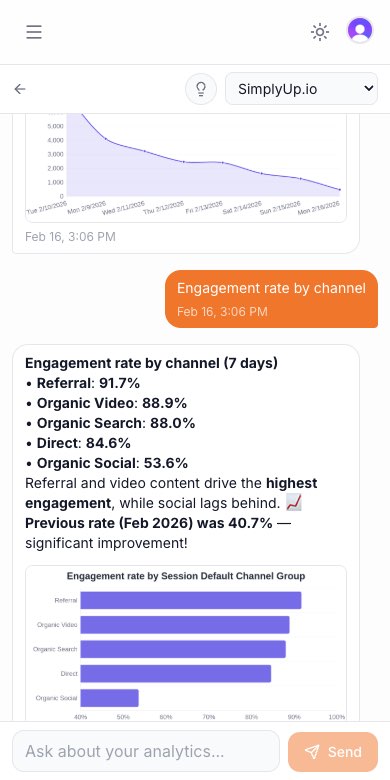
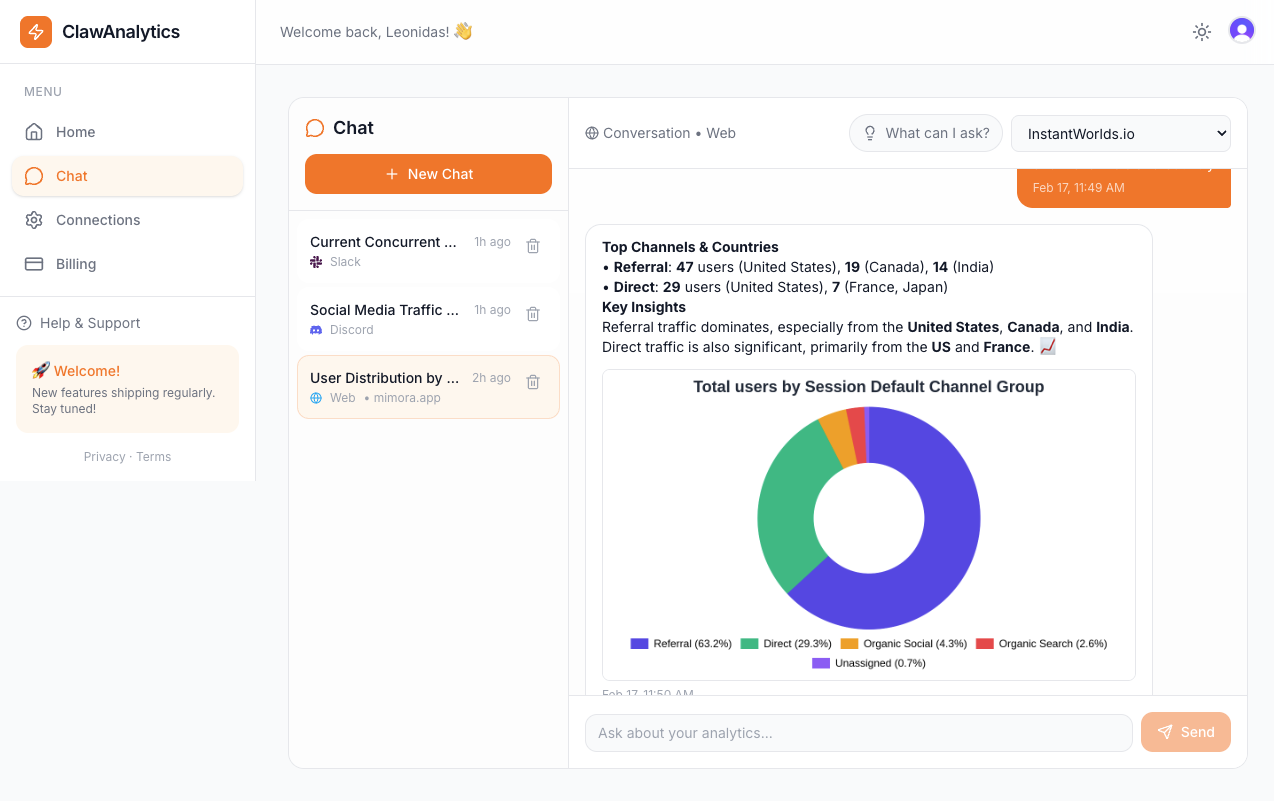
Segment engagement by traffic source. Facebook and Instagram traffic often shows different engagement patterns than TikTok or Google. Adjust product presentation based on platform preferences.
Monitor engagement with product variants. Track which colors, sizes, or bundle options generate the most interest. This data informs inventory decisions and upselling strategies.
How ClawAnalytics Makes This Easy
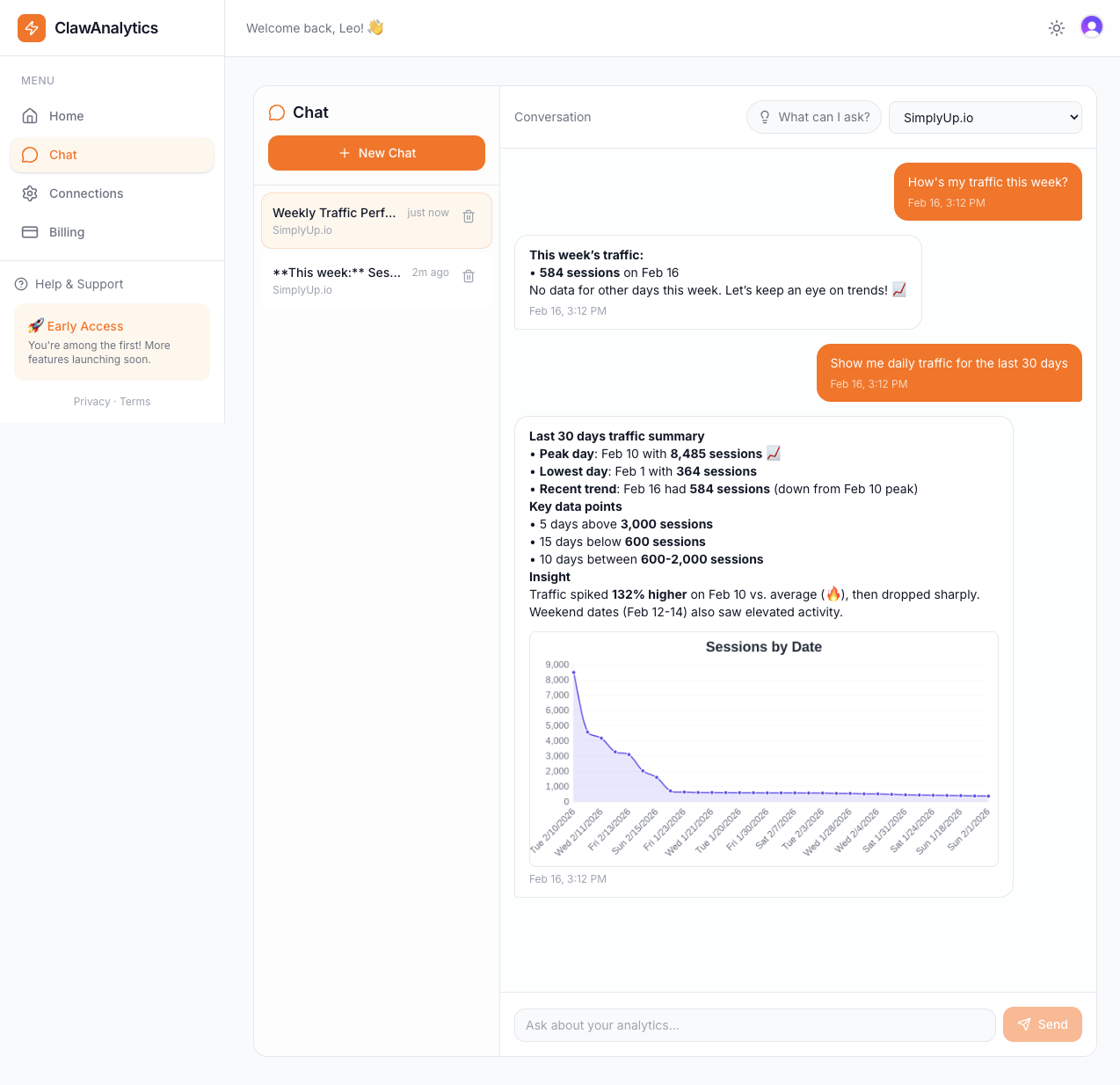
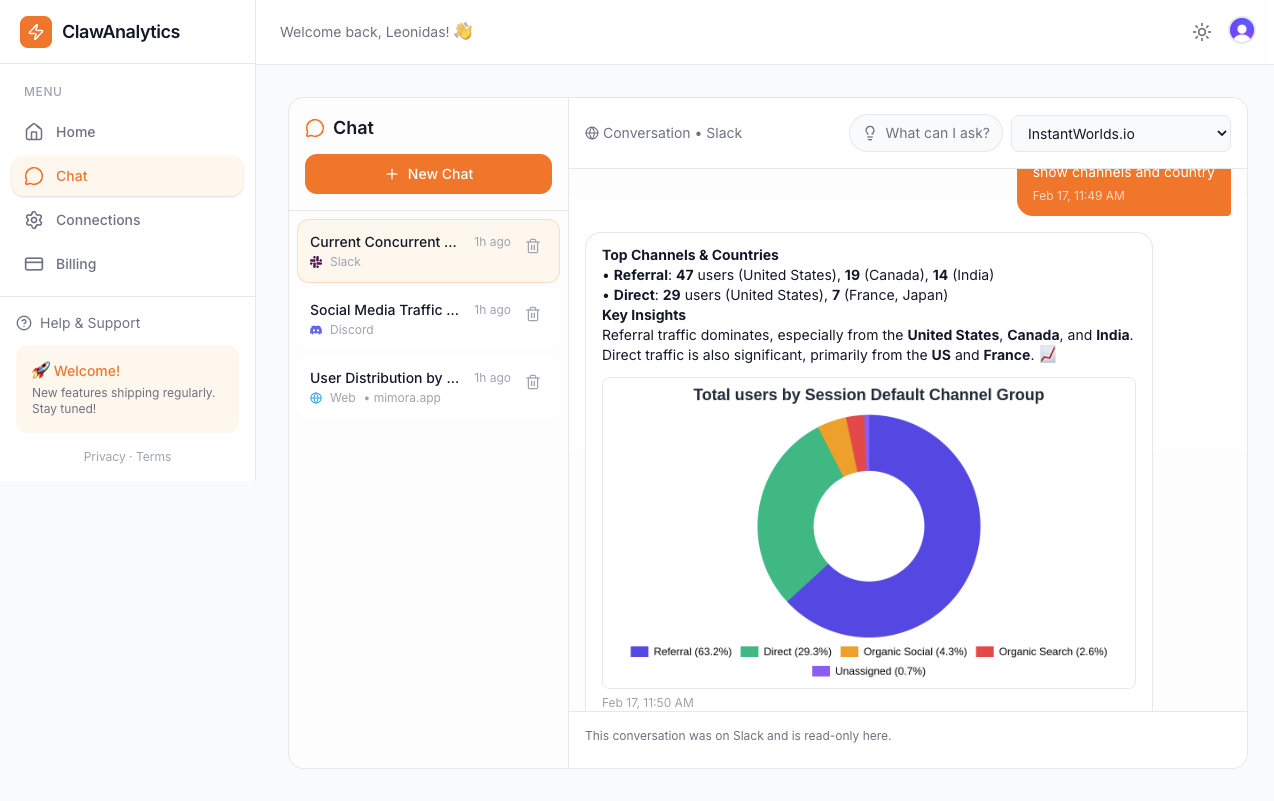
ClawAnalytics lets dropshippers ask questions about product performance. Ask “Which products have the highest engagement but lowest conversion?” and discover hidden opportunities for improvement.
The AI analyzes engagement patterns across your store. Instead of manually checking each product page, you receive recommendations for which items need better images, descriptions, or social proof. This streamlines optimization efforts.