How to Track Event Tracking for Agencies
Your client asks the question that matters: “Is this campaign actually working?” You can show them impressions and clicks, but they want to know about results. Event tracking transforms your reporting from vanity metrics to business outcomes.
Why Event Tracking Matters for Agencies
It proves ROI. When a client sees 500 form submissions from your campaign, they understand the value. Events translate ad spend into business results.
It enables optimization. Knowing which events happen reveals what’s working. You shift budget toward high-performing channels and away from waste.
It improves client retention. Clear event data makes your case for continued partnership. Clients who see results stay clients.
It differentiates your agency. Most agencies show surface metrics. Event tracking depth makes you look like the strategic partner you are.
How to Track Events in GA4
- Audit client websites for existing event implementation
- Align event tracking with client business goals (not just marketing metrics)
- Implement these common agency events:
- lead_form_submission
- demo_request
- purchase
- app_download
- video_completion
- Create conversion events in GA4 for priority actions
- Build automated reports showing event trends over time
For multi-client tracking, use separate GA4 properties or clear UTM conventions to keep data organized and comparable.
The Easier Way
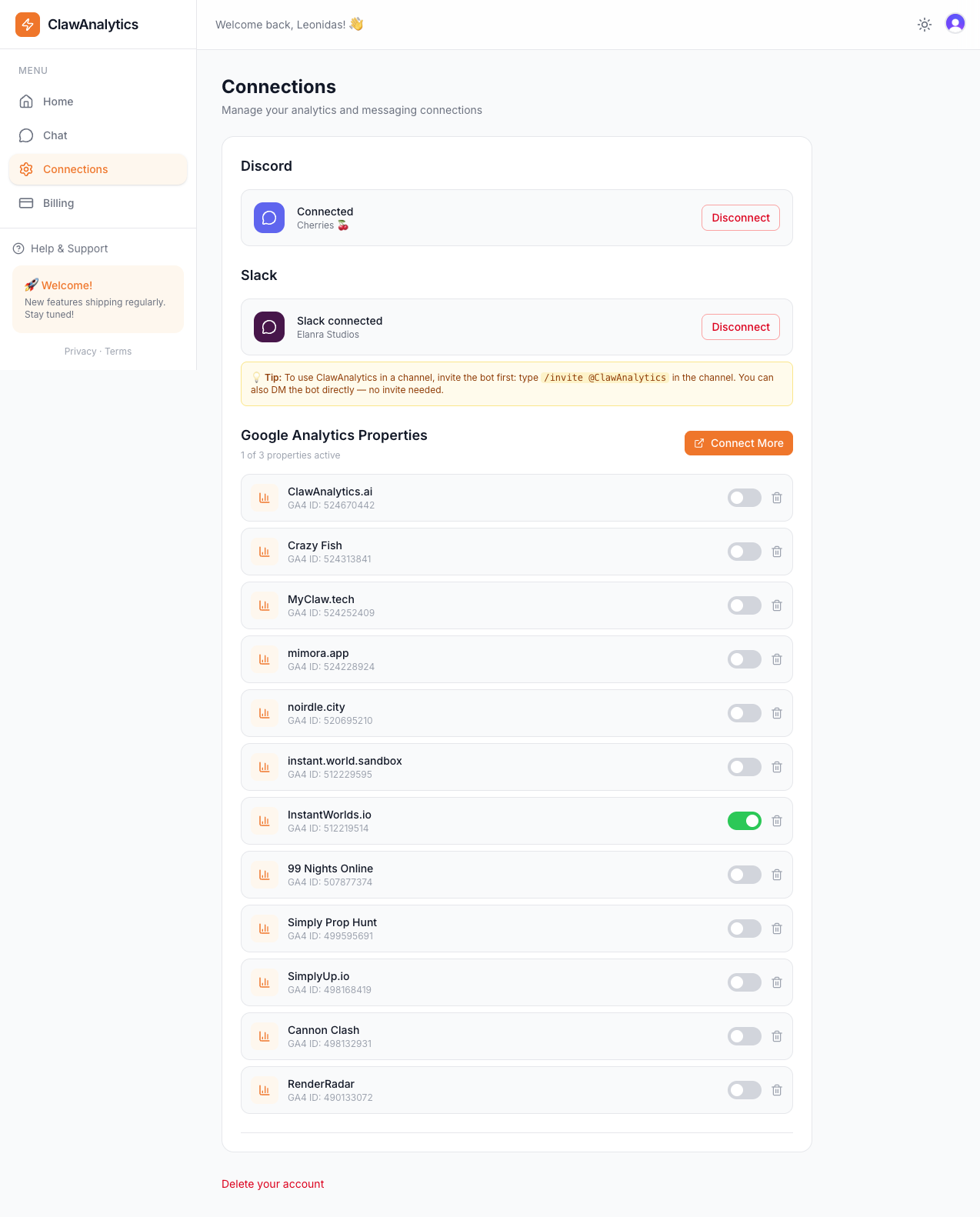
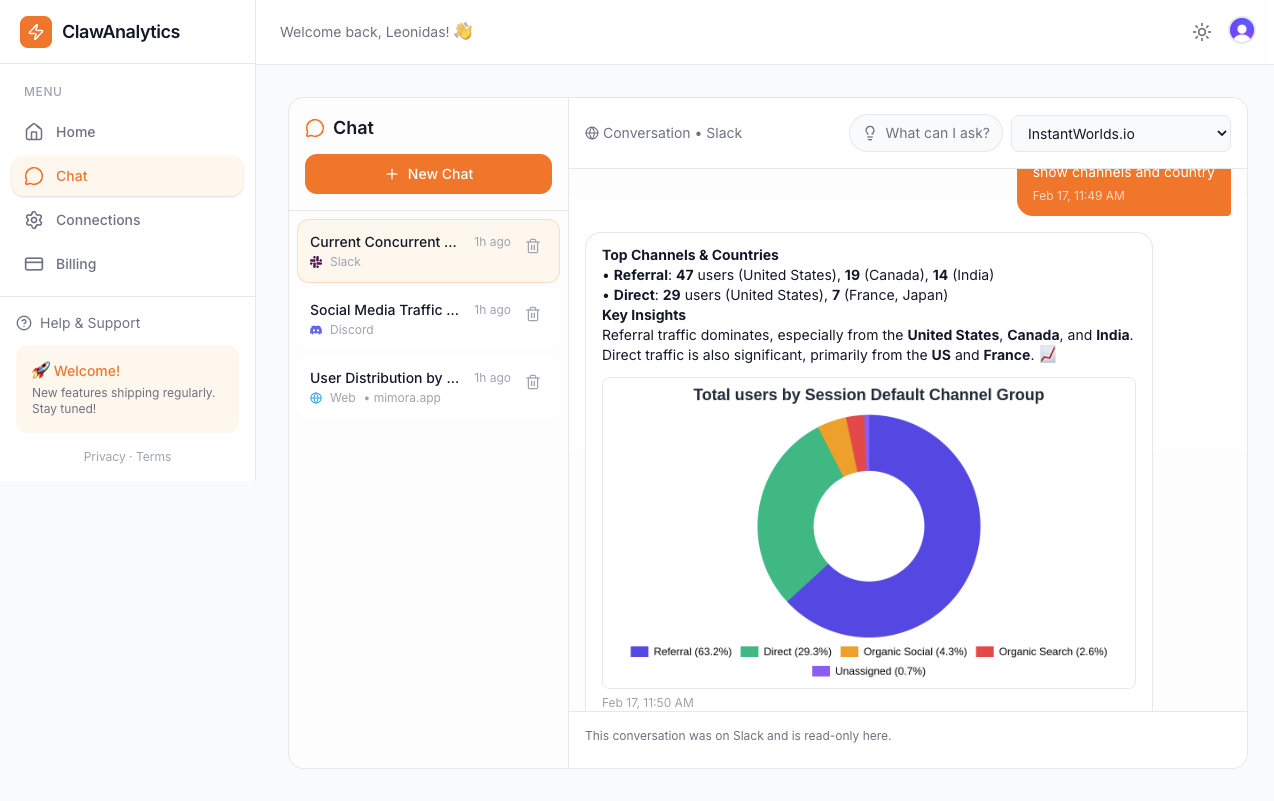
ClawAnalytics was built for agency workflows. It handles multiple client accounts without the complexity of managing separate GA4 properties.
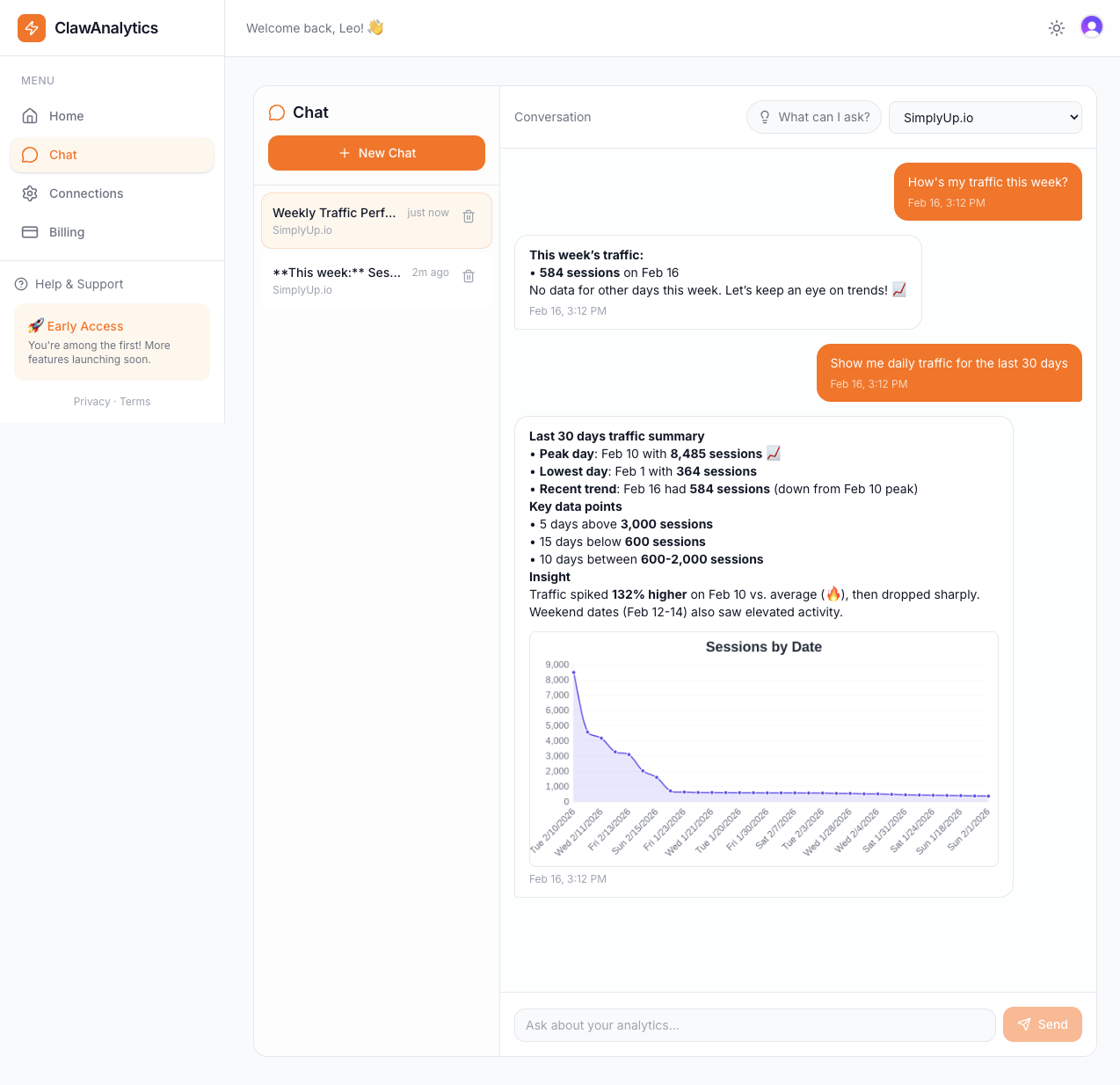
Imagine answering client questions instantly:
- Which campaign drove the most demo requests this month?
- How many newsletter signups came from social vs search?
- What’s the cost per acquisition compared to last quarter?
ClawAnalytics generates client-ready reports in minutes, not hours. You focus on strategy instead of spreadsheet wrangling.
Quick Wins
Track video ad completions. If clients run video campaigns, completion rates show true engagement.
Implement offline event tracking. Merge online events with offline sales data for full funnel visibility.
Set up attribution events. Understand which touchpoints contribute to conversions across the customer journey.
Create custom dashboards per client. Each client gets their own view with metrics that matter to their business.
Start by asking clients what matters to their business. Then track events that measure exactly that.