How to Track Event Tracking for Architects
An architect spent years updating their portfolio with every project, convinced their work spoke for itself. Event tracking revealed something surprising: commercial clients visited the portfolio but immediately left, while residential visitors explored multiple projects and often clicked to inquire. They reorganized the portfolio to lead with residential work and inquiry rates increased by 42%. Event tracking showed them what their intuition missed.
Why Event Tracking Matters for Architects
Architecture is a visual, high-consideration purchase. Here’s why tracking matters:
- Portfolio performance becomes clear when you see which projects get attention. Not all work attracts the same clients.
- Lead quality scoring becomes possible when you track what prospects explore. Someone who views multiple residential projects is more likely to convert than a casual browser.
- Client type signals emerge from tracking. Commercial and residential prospects behave differently on your site.
- Inquiry funnel clarity shows if your contact process works. High traffic but low inquiries means something scares people off.
How to Check in GA4
Setting up event tracking for an architecture firm requires visual-focused events:
- Track portfolio engagement: Record
project_view,gallery_lightbox_open,project_save, andshare_click. - Monitor time on page: GA4 tracks engaged time automatically. Low time on project pages might mean the images need improvement.
- Create inquiry events:
contact_start,brochure_download,consultation_request,phone_call_click. - Set up conversion tracking: Mark completed inquiries and consultation bookings as conversions.
- Build client type audiences: Segment visitors by which project types they view, then tailor marketing accordingly.
The Easier Way
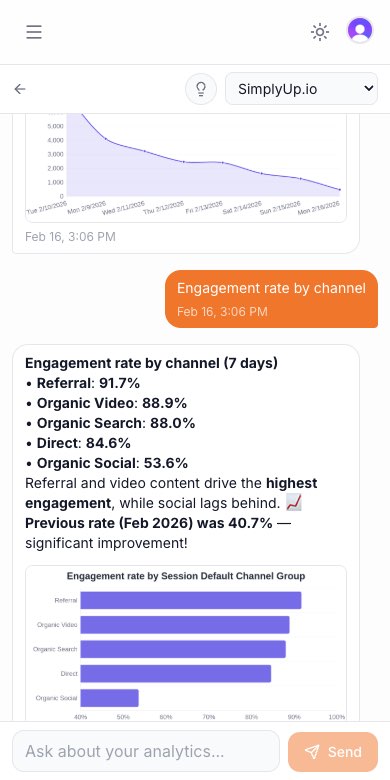
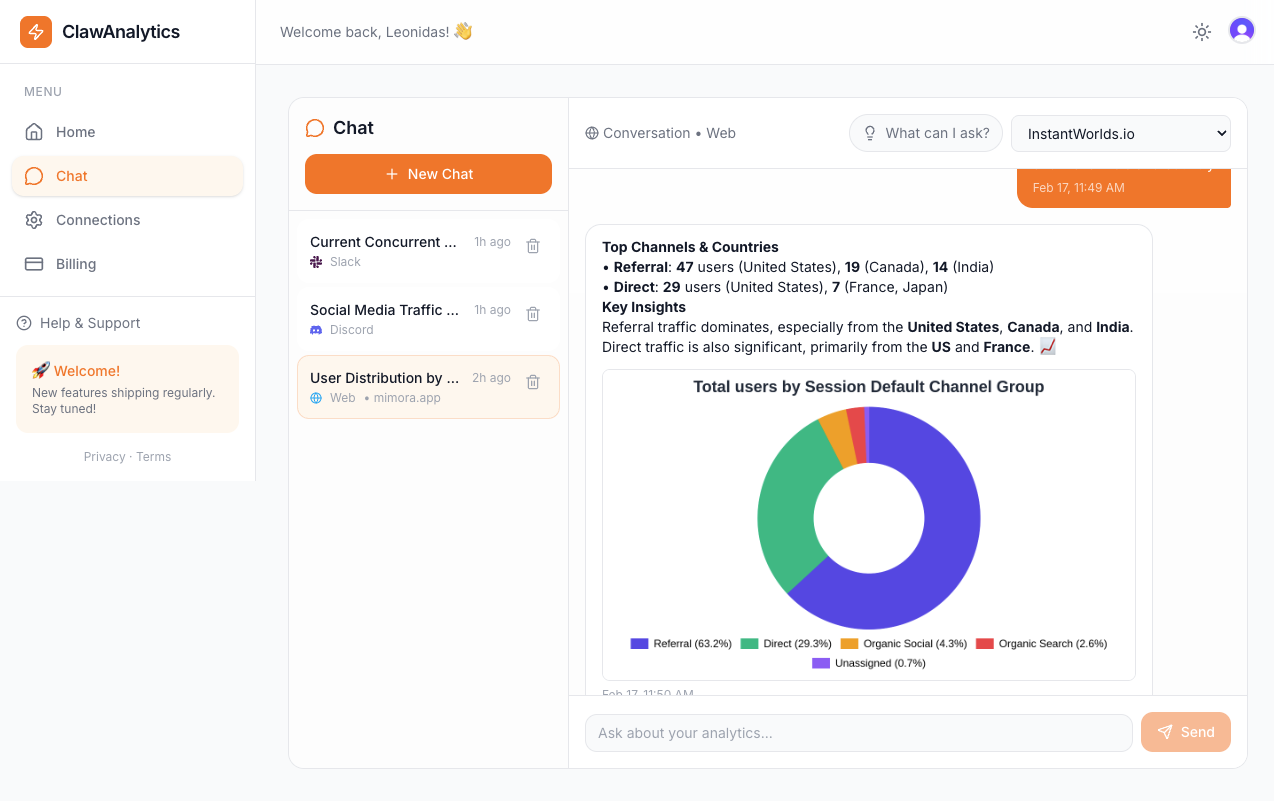
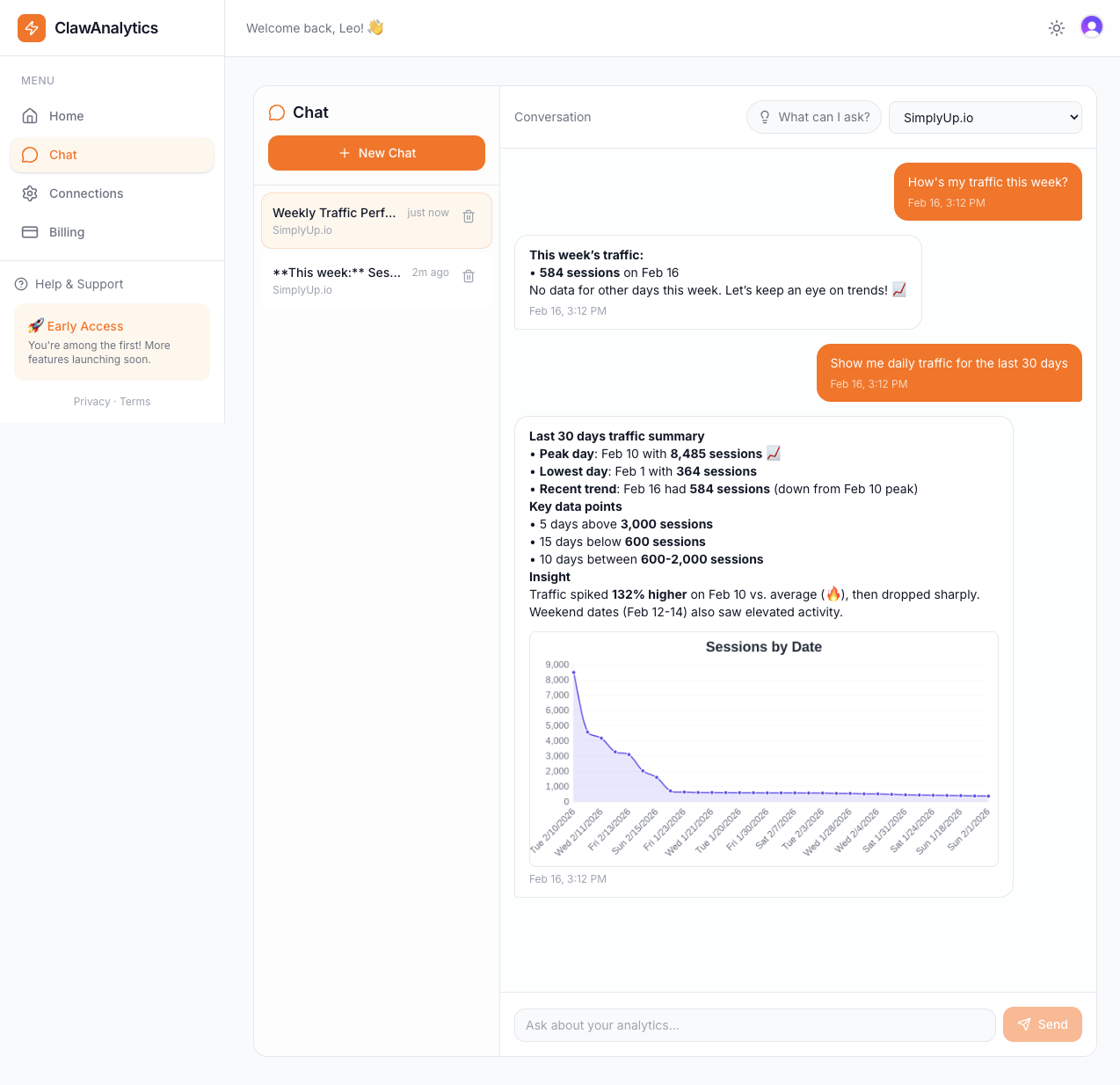
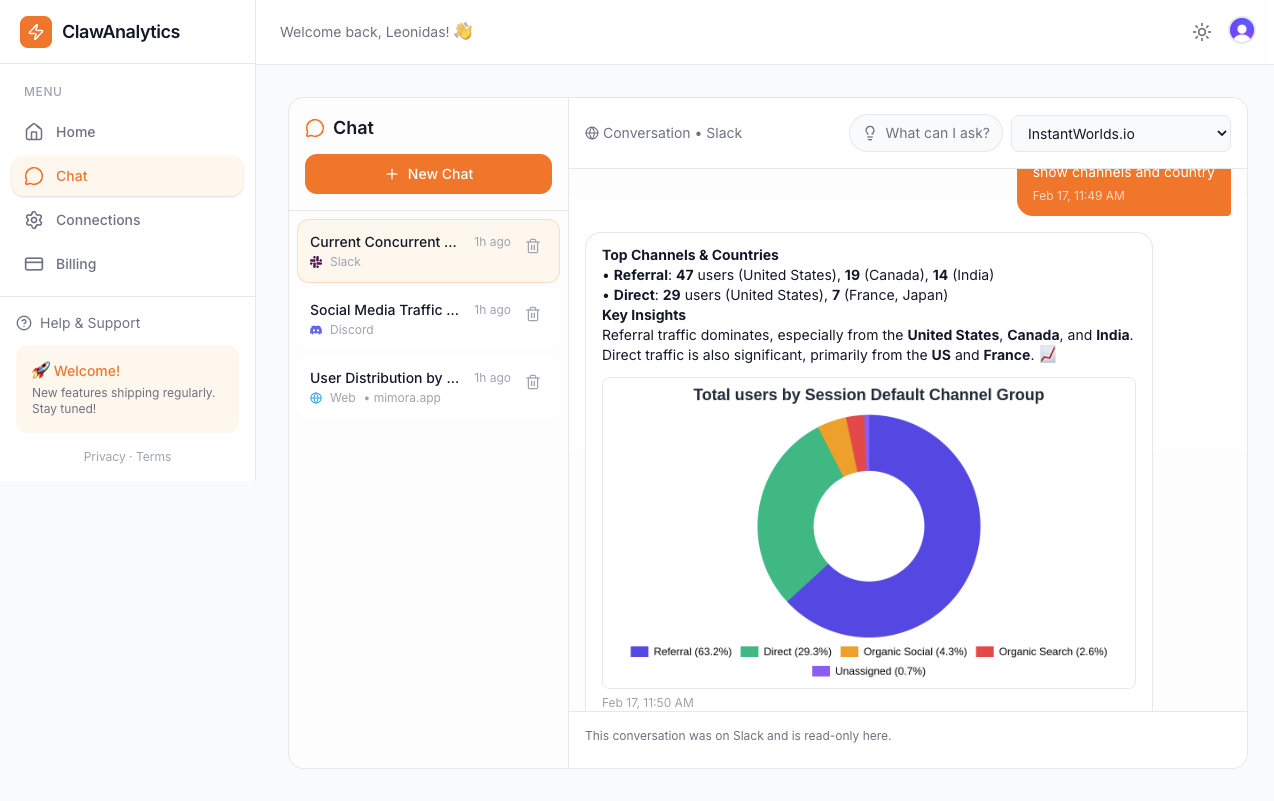
ClawAnalytics simplifies architecture firm analytics. You can ask “Which projects get the most views?” or “Do residential or commercial visitors convert more?”
The platform also helps you understand the buyer journey. If prospects often view several projects before inquiring, you know your portfolio does its job of building trust. ClawAnalytics surfaces these patterns without complex setup.
You can also track which images users engage with most. If kitchen renovation photos get more attention than bathrooms, that’s interior design insight you can use on future projects.
Quick Wins
Start with these three event tracking setups this week:
- Image gallery interaction: Track which photos users enlarge. This tells you which project aspects matter most to prospects.
- Project comparison behavior: If users view multiple similar projects, they’re comparing options. This is a high-intent signal worth following up on.
- Mobile portfolio engagement: Many clients research architects on phones. Track mobile versus desktop behavior to ensure your portfolio works on all devices.
These three changes help you understand what attracts clients and how to present your work for maximum impact.