How to Track Event Tracking for Auto Repair
You own an auto repair shop. Your website gets traffic, but you have no idea if it leads to appointments. Event tracking changes this completely. You see exactly what visitors do: which services they view, whether they request quotes, and if they book appointments.
Repair shops often rely on repeat business and referrals. But new customers find you online. Event tracking shows which marketing actually brings new clients through the door.
Why Event Tracking Matters for Auto Repair
You know which services drive appointments. If brake repairs generate more bookings than oil changes, emphasize brakes in your advertising.
You optimize your ad spend. Track which channels bring customers who actually book. Stop pouring money into platforms that just generate clicks.
You improve your website. If visitors view your locations page but never request service, maybe your booking process is too complicated.
You attribute phone calls correctly. Many customers still call. Event tracking ties calls to the pages that generated them.
How to Check in GA4
Set up these events for your auto repair shop:
appointment_request(completed booking forms)quote_request(service estimate submissions)phone_click(tap-to-call on mobile)direction_request(click to get directions)
Create a custom report showing conversions by service type. This reveals your most profitable marketing channels for each service category.
The Easier Way
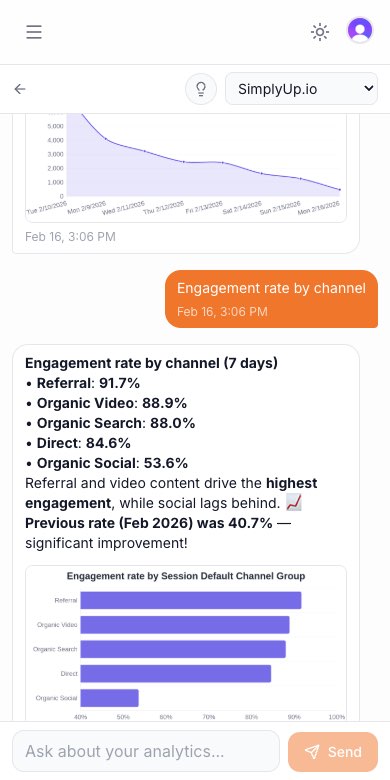
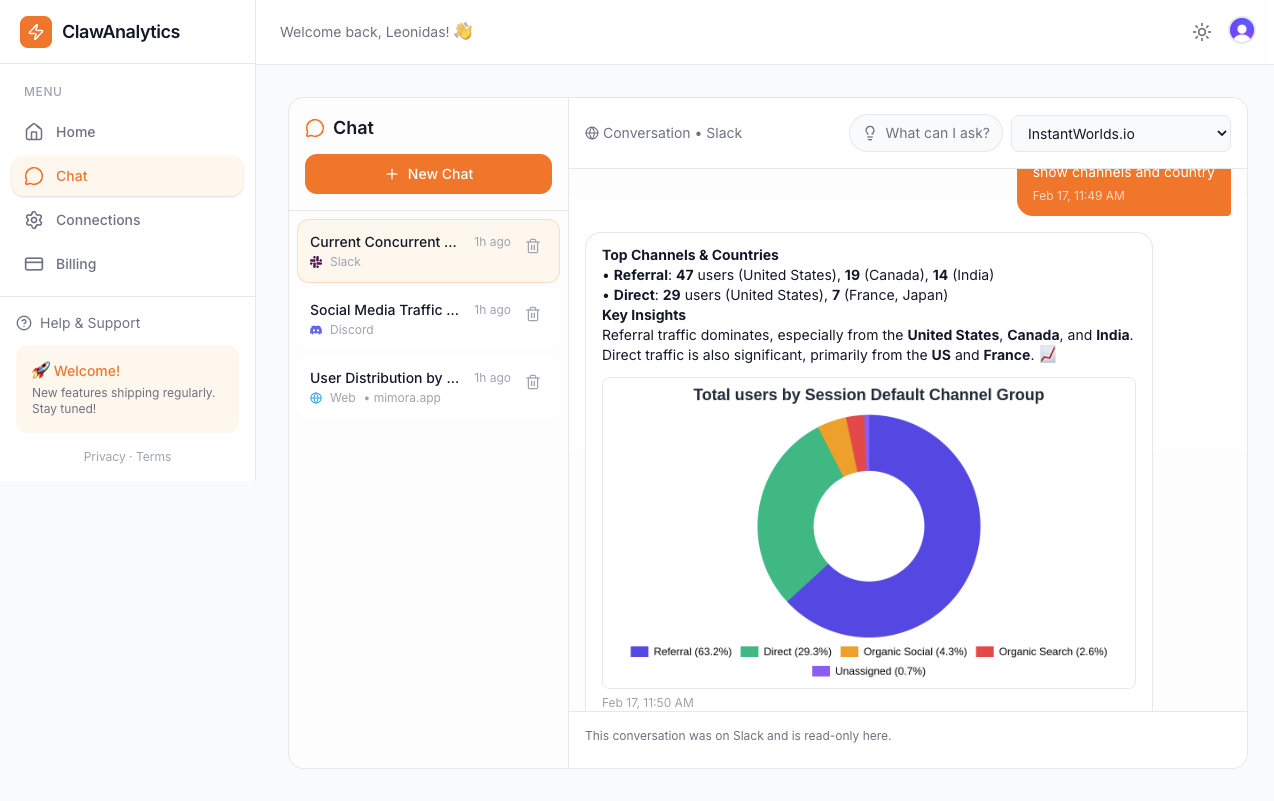
ClawAnalytics provides pre-built tracking for auto repair shops. You do not need to configure anything manually.
Typical questions auto shops ask:
- “Which repair service generates the most online appointments?”
- “Are customers who download coupons more likely to book?”
- “What neighborhoods do our customers come from?”
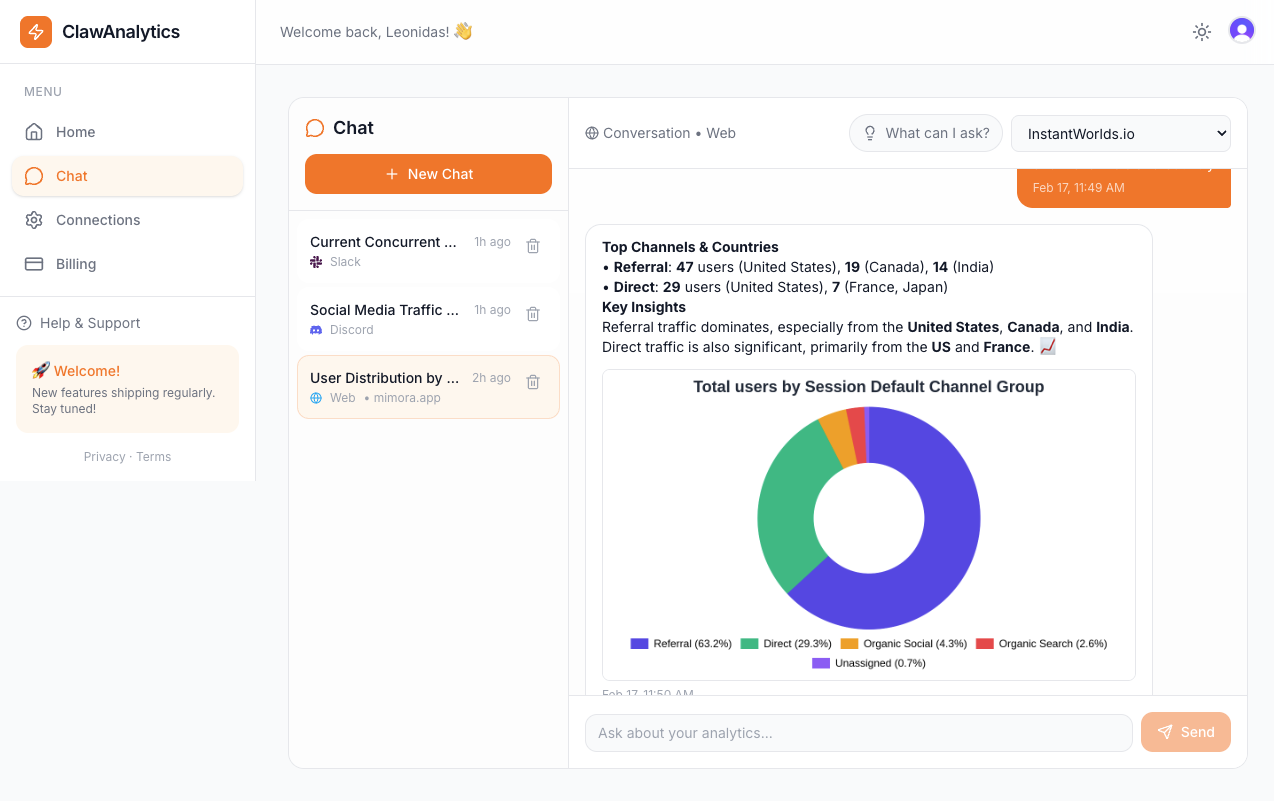
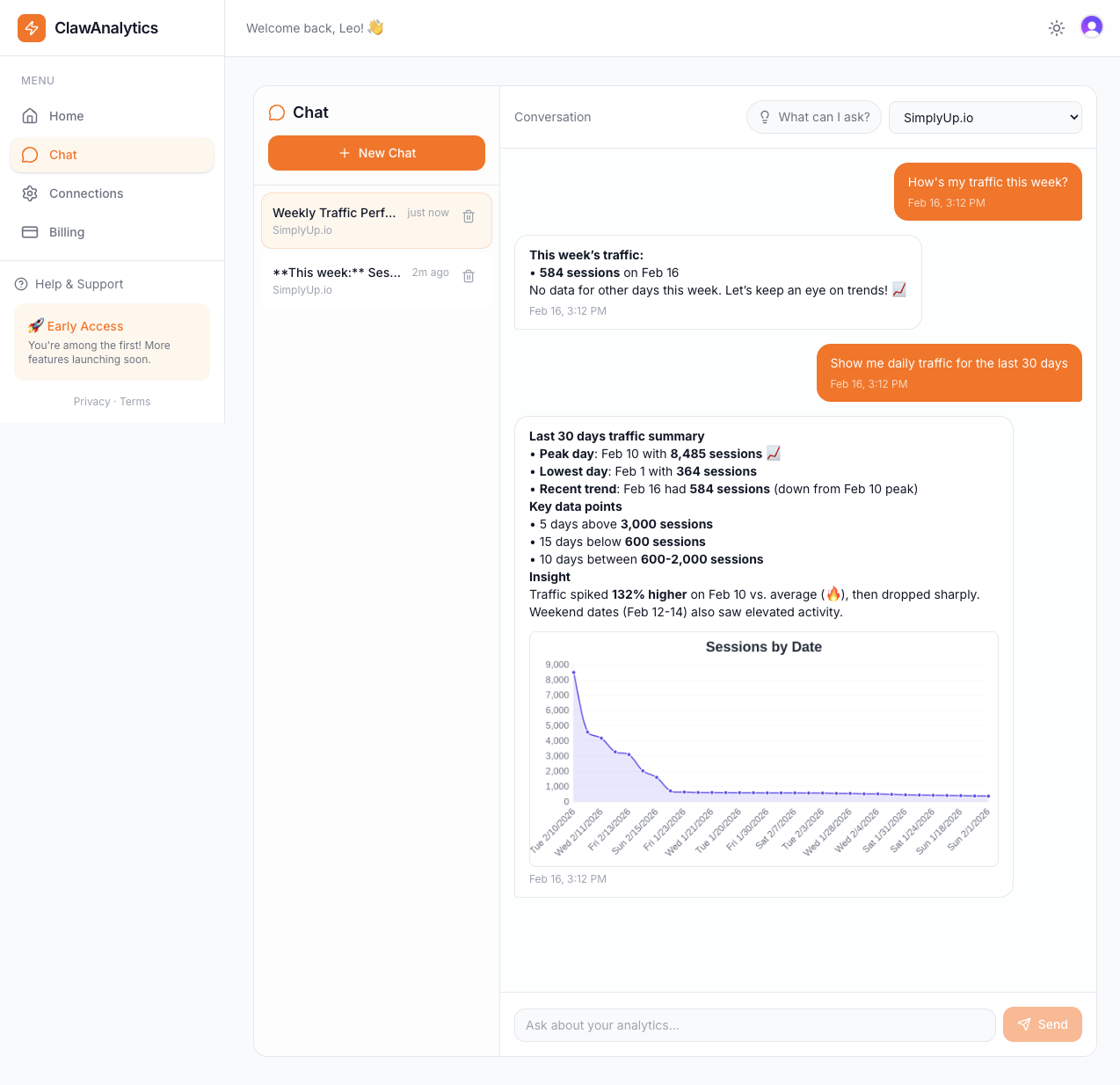
ClawAnalytics answers these instantly and presents the data in simple dashboards your entire team can understand.
Quick Wins
- Track appointment requests as conversions. Tie directly to revenue.
- Add tracking to your phone number. Mobile users often prefer calling.
- Monitor quote request volume. High quote requests with low bookings might mean your prices are high.
- Set up UTM parameters on all ads. This is the only way to know which ads work.
- Review your top service pages. Ensure the most popular services are easy to book.