How to Track Event Tracking for Catering
Your catering website gets 100 visitors this month. Some want wedding catering, others need corporate lunch platters, and some are looking for holiday party services. Without event tracking, you cannot tell who wants what.
Catering involves long sales cycles and high-value contracts. Knowing exactly what potential clients need helps you respond faster and tailor your proposals.
Why Event Tracking Matters for Catering
You identify your best opportunities. Track which event types generate the most inquiries. Weddings might bring volume but corporate events might bring profit.
You improve response times. When someone requests a quote for 200 guests, event tracking alerts you immediately so you can follow up while the lead is hot.
You optimize for seasonality. Catering peaks around holidays and wedding season. Track inquiry patterns to plan your marketing calendar.
You measure your portfolio. If visitors view your wedding menu page but request corporate quotes, your marketing messaging might need adjustment.
How to Check in GA4
Set up these key events for your catering business:
quote_request(completed inquiry forms)tasting_booking(scheduled tasting appointments)menu_view(specific menu page visits)download_brochure(brochure or menu PDF downloads)
Create custom dimensions for event type (wedding, corporate, private) and guest count range if your forms capture this information.
The Easier Way
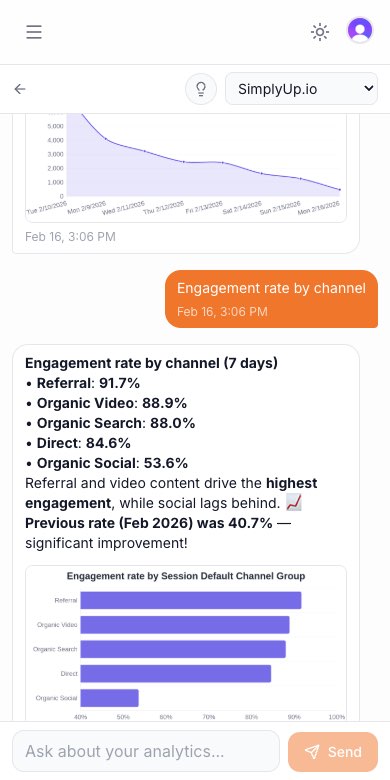
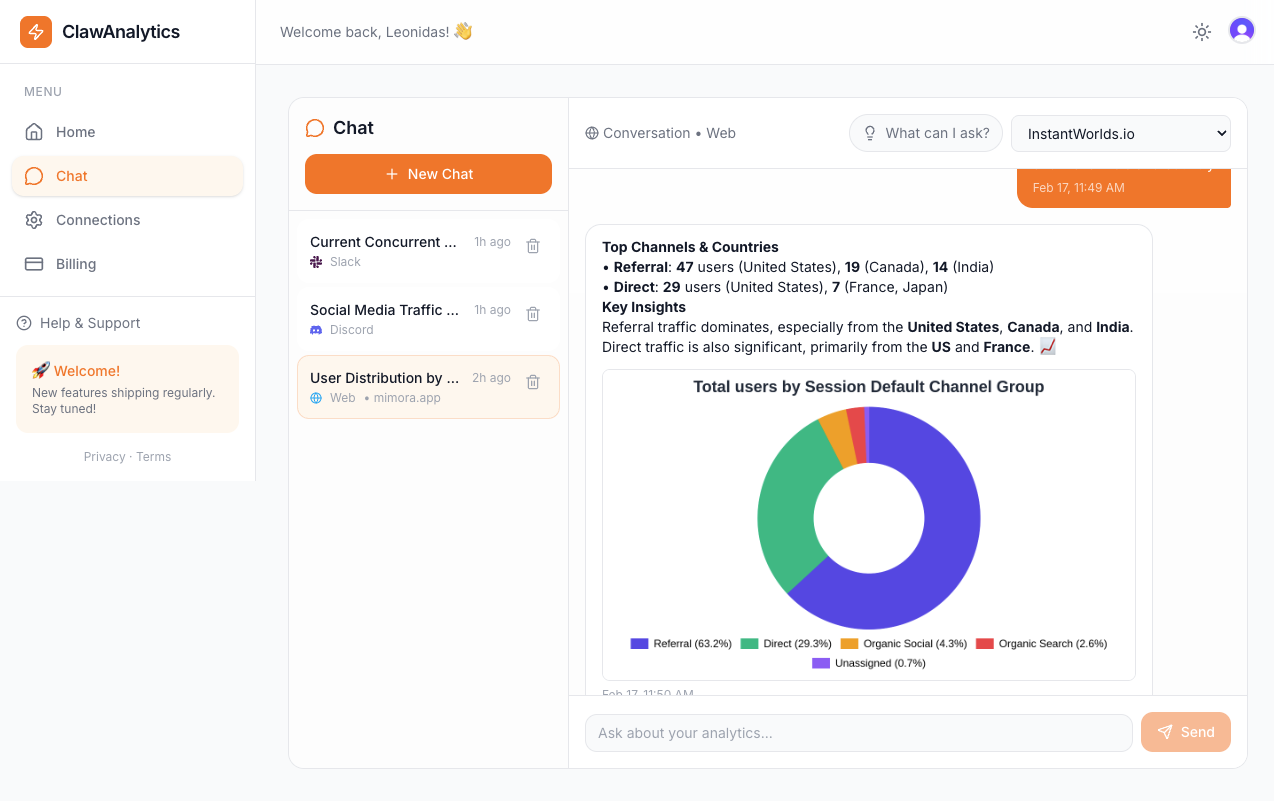
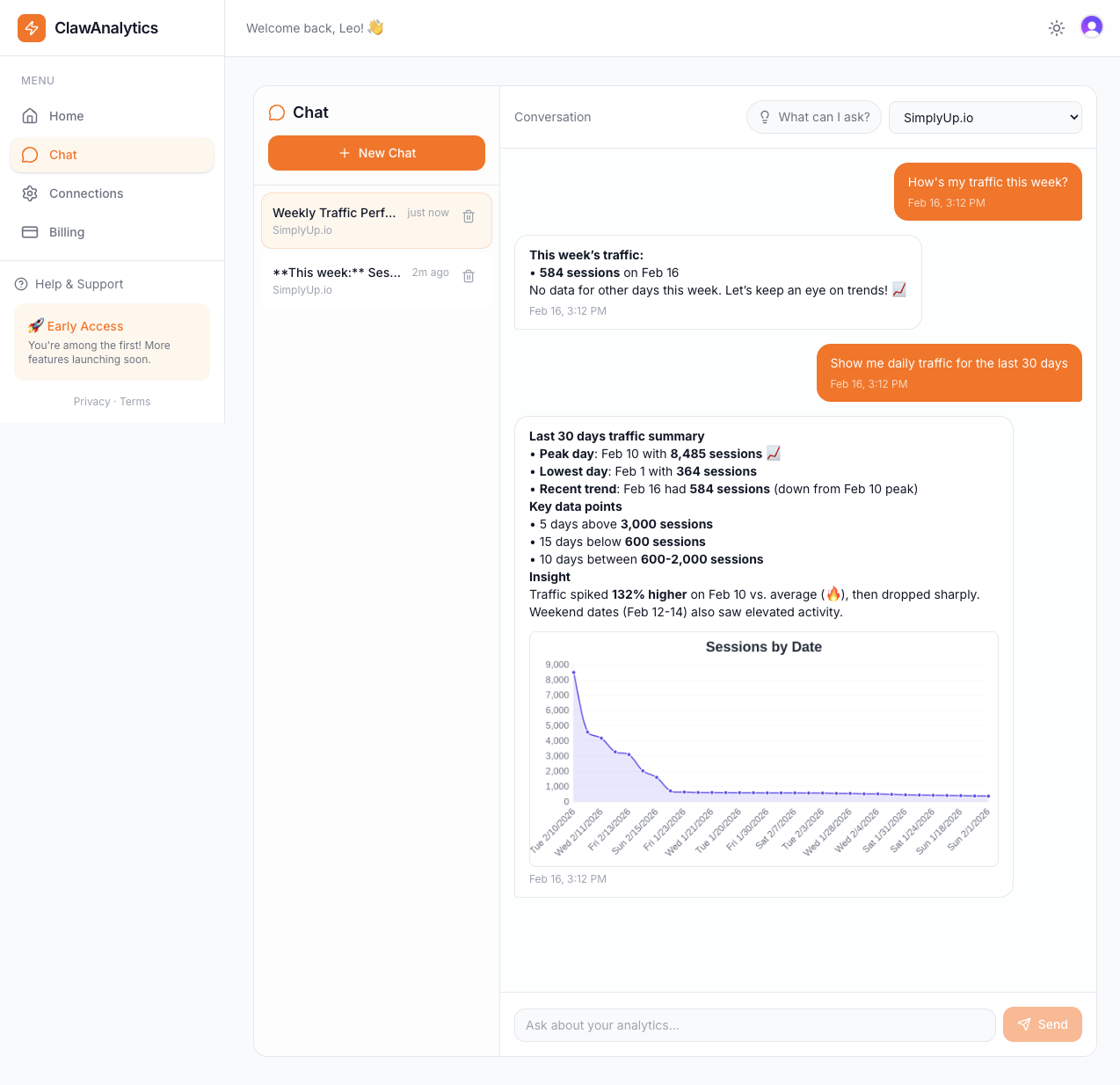
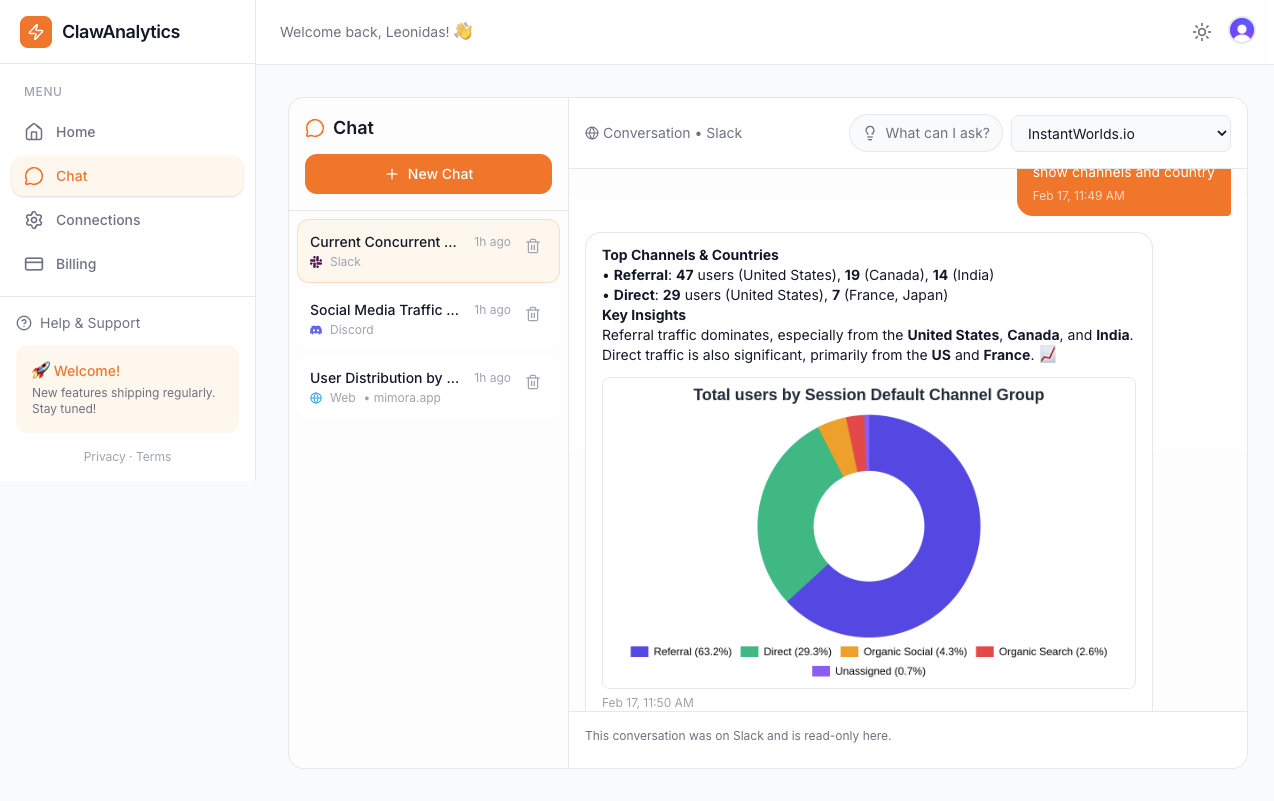
ClawAnalytics installs instantly and automatically tracks catering-specific inquiries. You get a dashboard built for event caterers.
Questions catering companies ask:
- “Which event type generates the most revenue?”
- “What menu pages do high-value clients view?”
- “Are corporate inquiries increasing this quarter?”
ClawAnalytics connects inquiry data to your marketing channels, showing exactly which efforts bring the clients you want.
Quick Wins
- Track every quote request. This is essential for measuring marketing ROI.
- Add UTM tracking to all social media posts. Know which content generates inquiries.
- Monitor inquiry-to-booking conversion. High inquiries with low bookings might mean your prices are too high.
- Track tasting bookings. These leads are highly qualified.
- Review inquiry sources monthly. Double down on channels that bring the best clients.