How to Track Event Tracking for Travel
A traveler searches for flights to Barcelona 12 times over 3 months, adds 4 hotels to their wishlist, but never books. Without event tracking, you can’t tell if they’re price-sensitive, just browsing, or ready to convert. Events decode the planning journey.
Why Event Tracking Matters for Travel
It optimizes seasonal campaigns. When you know exactly when travelers start researching versus booking, you time promotions perfectly.
It reveals price sensitivity. The same traveler might book instantly for one destination but wait months for another. Events identify where price is the blocker.
It personalizes recommendations. Search history, wishlist items, and past bookings all inform personalized offers that convert.
It reduces cart abandonment. Tracking checkout drop-offs helps you identify and fix booking friction, whether it’s unexpected fees or complicated forms.
How to Track Events in GA4
- Tag all traveler interactions on your booking platform
- Track these core travel events:
- search_execute
- filter_apply
- result_click
- wishlist_add
- price_alert_set
- checkout_start
- booking_complete
- Add user properties like travel_style and preferred_destination_type
- Build remarketing audiences from searchers who didn’t book
- Set up conversion tracking for each booking type
Use event parameters to track destination, travel dates, party size, and booking value.
The Easier Way
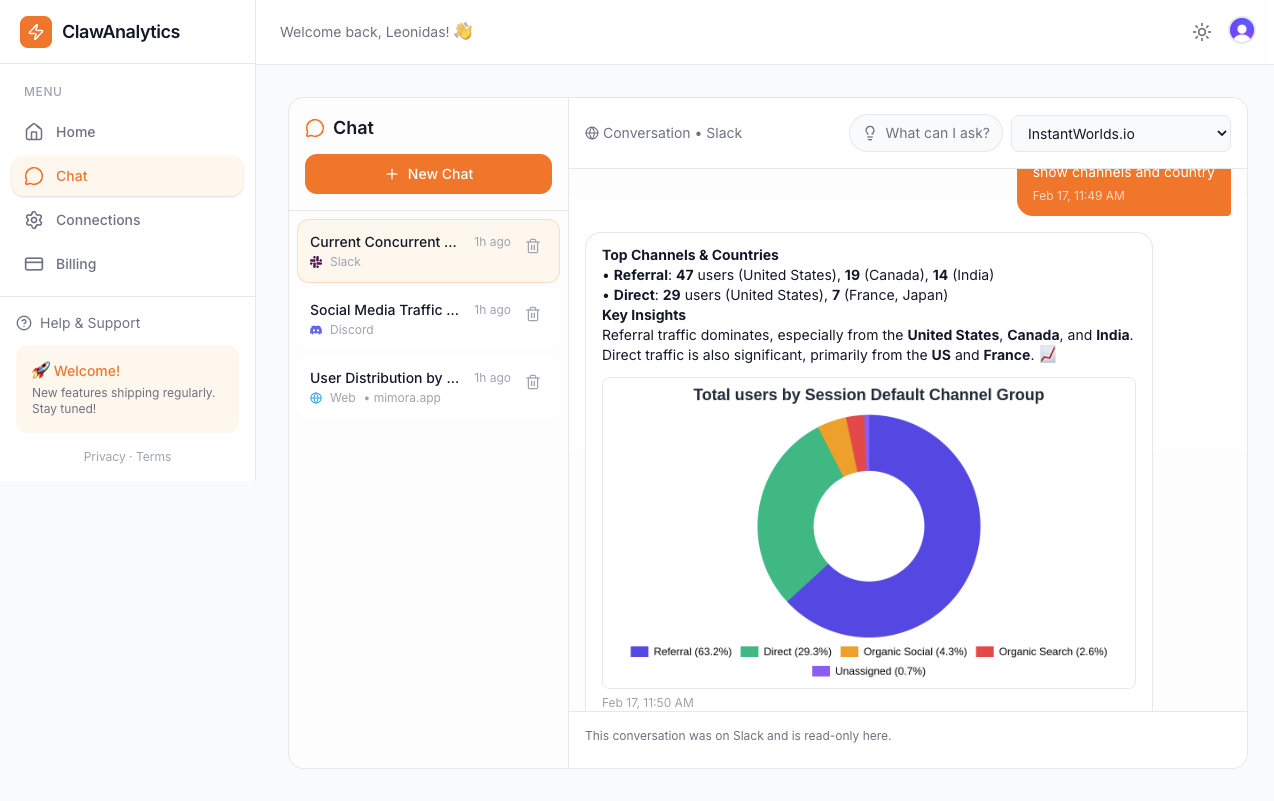
ClawAnalytics helps travel marketers answer booking questions that would otherwise require analyst reports.
Questions you can answer instantly:
- What’s the average search-to-book conversion rate by destination?
- Which search filters are most commonly used but rarely result in bookings?
- Are travelers who set price alerts more likely to complete bookings?
Travel companies using ClawAnalytics optimize every stage of the customer journey.
Quick Wins
Track search abandonment. If travelers search repeatedly but never click results, improve your search relevance or result display.
Monitor wishlist conversion. Items that stay on wishlists for months might need price drop notifications.
Measure checkout friction. Where do travelers drop out? Form complexity, unexpected costs, or payment issues all show up in event flows.
Identify peak planning windows. Understanding when different destinations are researched helps with inventory and pricing decisions.