Picture this. You log into your analytics dashboard and notice everything looks different. Numbers are lower. Reports you relied on are gone. This is not a bug. This is GA4.
Why GA4 Matters for Your Business
The shift from Universal Analytics to GA4 was not just a redesign. Google rebuilt the entire tracking system from the ground up. Here is what changed and why it matters for your business.
Event-based tracking replaces session-based models. In Universal Analytics, tracking focused on sessions. A visitor could view five pages in one session. In GA4, every action is an event. Page view, scroll, click, purchase. All events. This means you can track custom actions that Universal Analytics could not capture.
Cross-device tracking works better. GA4 connects user journeys across mobile, tablet, and desktop using machine learning. If someone researches on their phone and converts on laptop, you see the full journey. Universal Analytics struggled with this.
Predictive metrics appeared. GA4 includes metrics like purchase probability and churn probability. These use machine learning to forecast user behavior. You see which users are likely to buy before they do.
Data limits changed. Universal Analytics had a 50000 hit limit per session. GA4 has no hit limits but uses event parameters differently. This affects how you structure your tracking.
How to Use GA4
Setting up GA4 requires a new property alongside your existing Universal Analytics until the transition. Create completes your GA4 property in Google Analytics. Install the gtag.js tracking code on your site. Configure events you want to track.
The interface takes getting used to. Reports live in Explore rather than standard reports. Configure your events in the Configure section. Build dashboards that match your business goals.
The Easier Way
Many businesses find GA4 overwhelming. The interface is powerful but complex. You need to understand events, parameters, and user properties to get value from it.
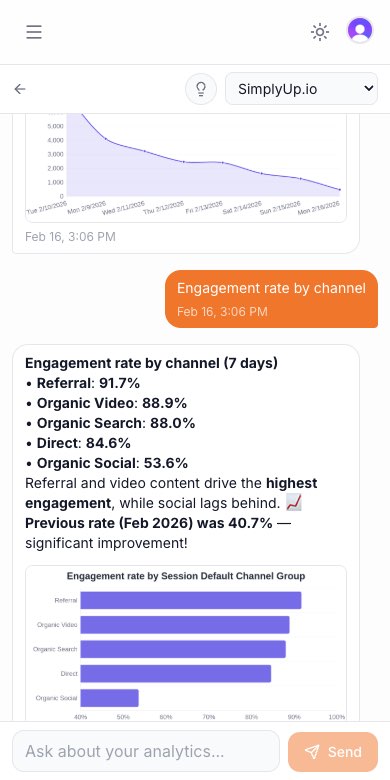
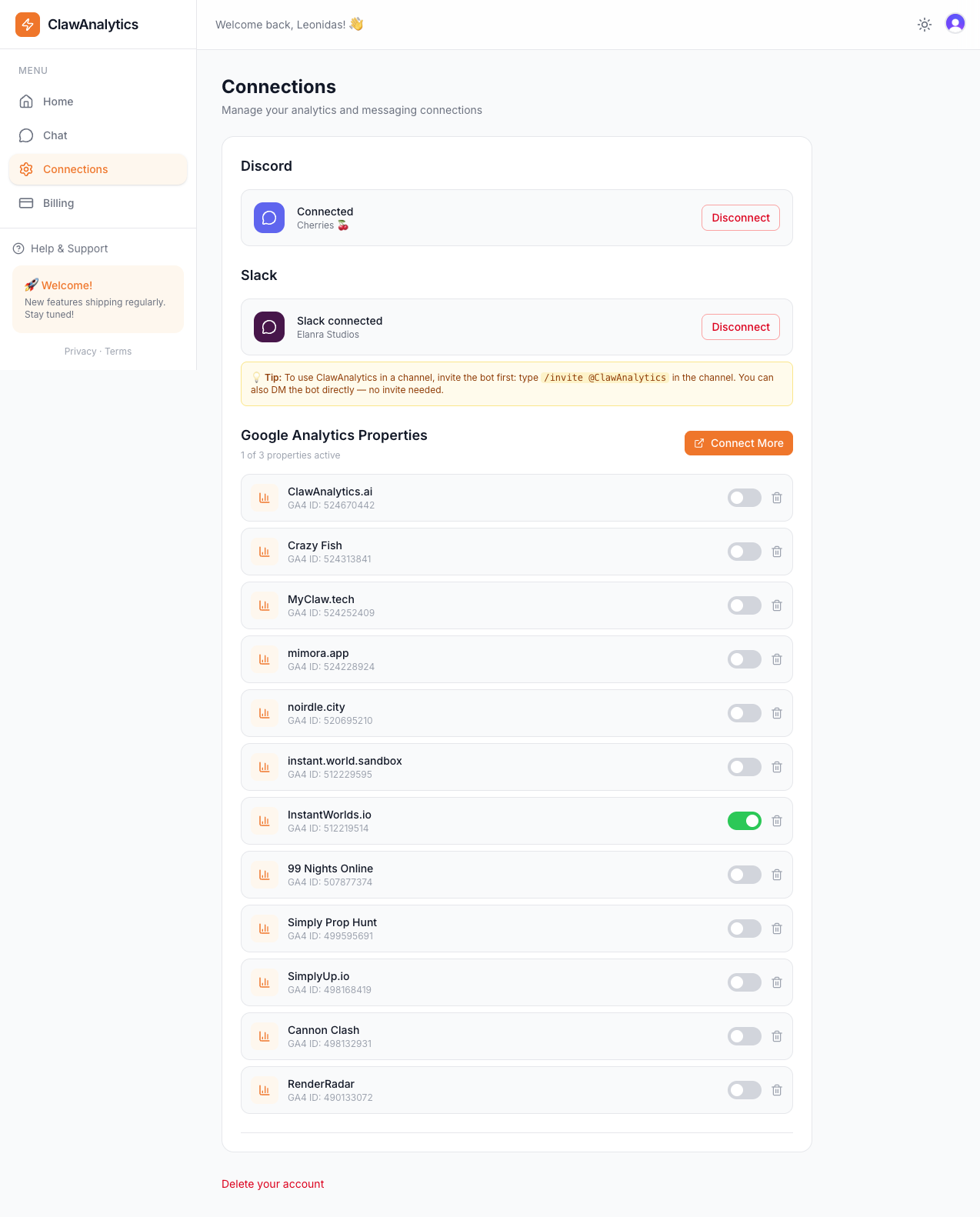
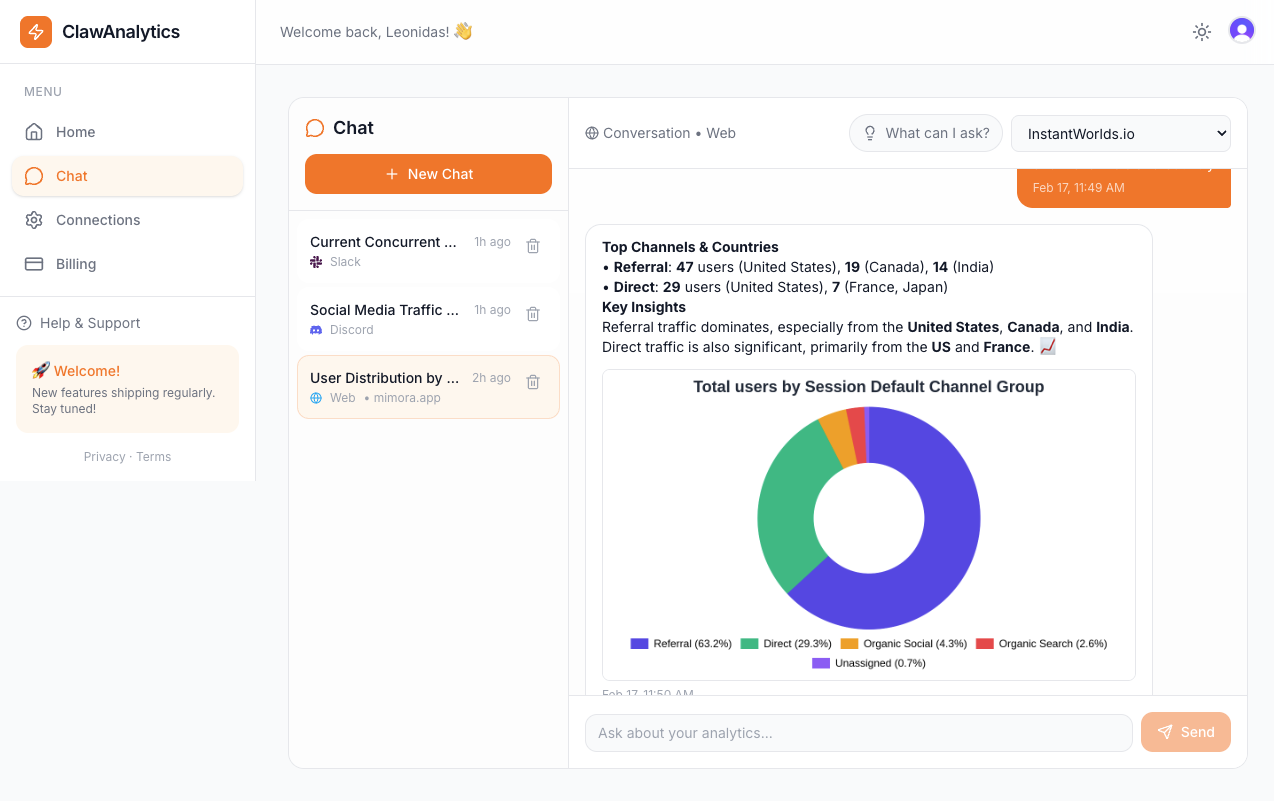
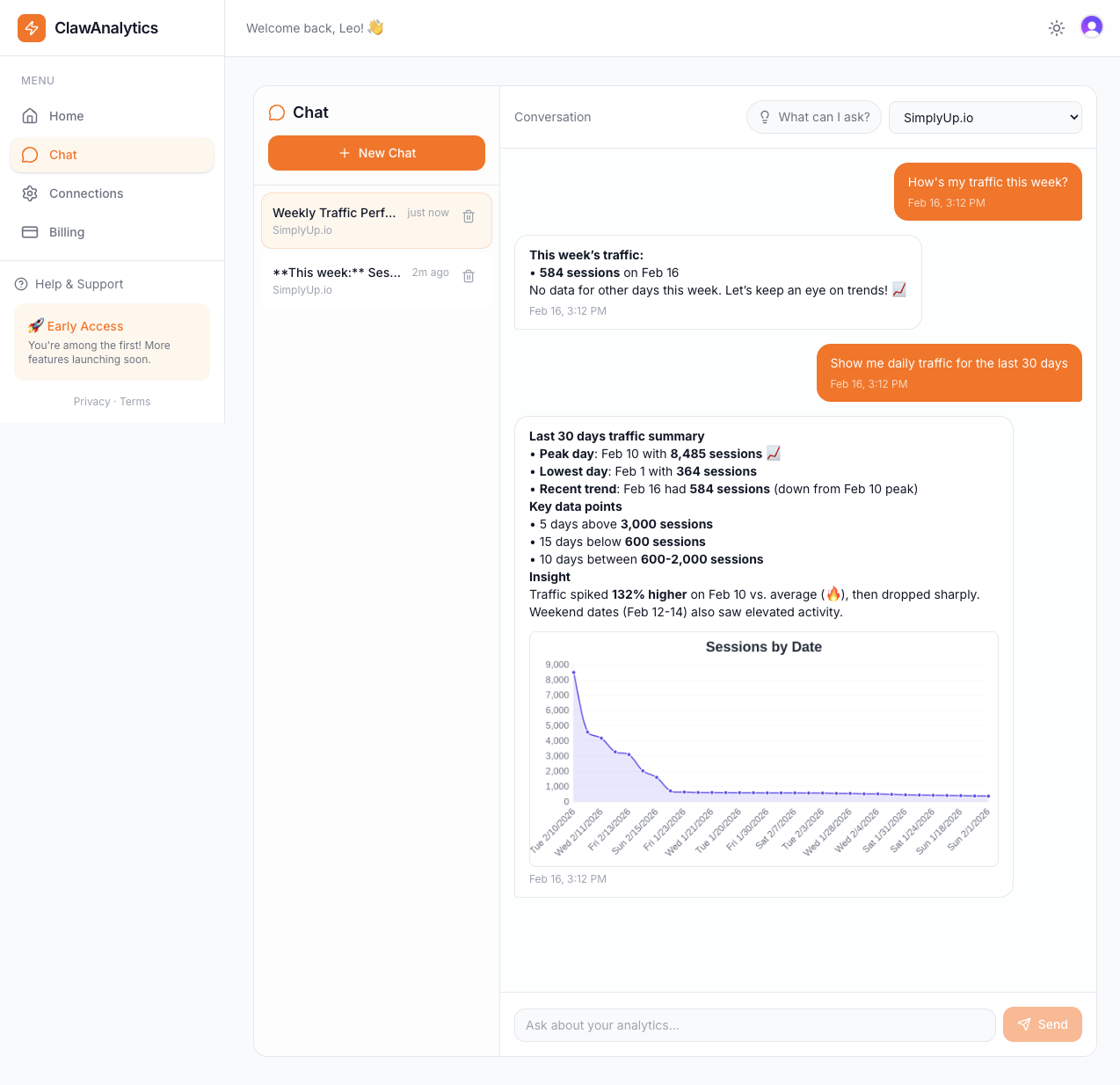
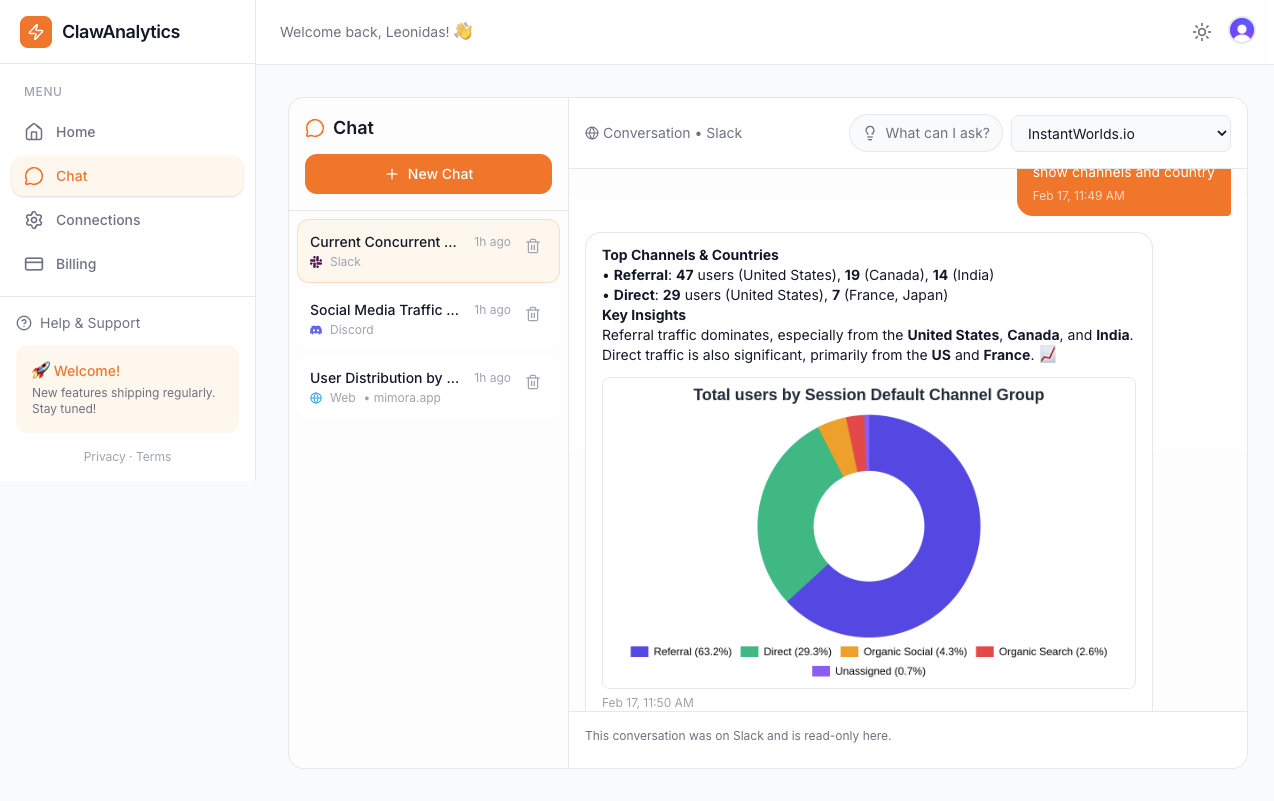
This is where ClawAnalytics helps. ClawAnalytics connects to your GA4 data and builds dashboards automatically. You see the metrics that matter for your business without configuring everything manually.
Example questions ClawAnalytics answers:
- Which marketing channels bring users who actually buy
- How many visitors scroll past your hero section
- What content keeps people on your site longer
You get insights in minutes instead of spending hours building reports.
Quick Wins
-
Enable enhanced measurement. GA4 tracks scrolls, outbound clicks, site search, and video engagement automatically. Turn this on in your data stream settings.
-
Set up conversions. Mark key events as conversions. These could be purchases, sign-ups, or downloads. Conversions appear in your reports and ads.
-
Create audiences. Build segments of users who took specific actions. Use these for remarketing campaigns or to understand user behavior.
-
Link to Google Ads. Connect your GA4 property to Google Ads. This enables conversion tracking for your campaigns and improves automated bidding.
-
Check your data. Run reports daily during your first weeks with GA4. Verify data flows correctly. Fix tracking issues before they compound.
The transition to GA4 requires effort. But the new platform offers capabilities that Universal Analytics never had. Start exploring. Build your reports. Let ClawAnalytics handle the heavy lifting so you focus on growing your business.