You opened your gym hoping to become the neighborhood fitness hub. Months later, your membership numbers look okay, but something feels off. You notice members from certain neighborhoods never renew while others stay for years.
Geographic traffic tracking reveals the hidden pattern behind these differences.
Why Geographic Traffic Matters for Gyms
-
Realistic catchment analysis. Research shows most people choose gyms within a 10-minute drive of their home or work. Geographic data proves whether your location actually serves that radius or pulls from unexpected areas.
-
Renewal prediction. Members who travel far for a single session often churn faster. They made a special trip that becomes harder to repeat. Knowing this helps you spot at-risk members before they cancel.
-
Competitor intelligence. If you see sessions dropping in a specific zip code, check whether a new gym opened nearby. Geographic tracking catches competitive threats early.
-
Event planning. Community events, open houses, and referral campaigns work best when you invite people from neighborhoods that already show interest.
How to Check in GA4
Open GA4 and select Geography under User attributes. You will see a breakdown by city and country.
Focus on cities within a 15-minute drive of your location. The sessions from those areas represent your realistic market.
Sort by new versus returning users to see which neighborhoods bring trial visitors and which keep members engaged over time.
The Easier Way
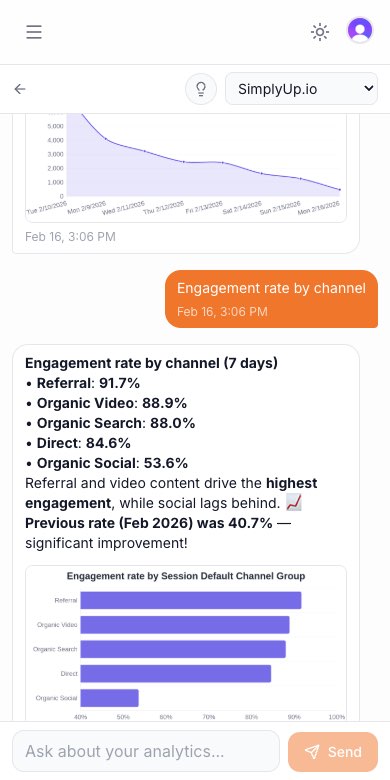
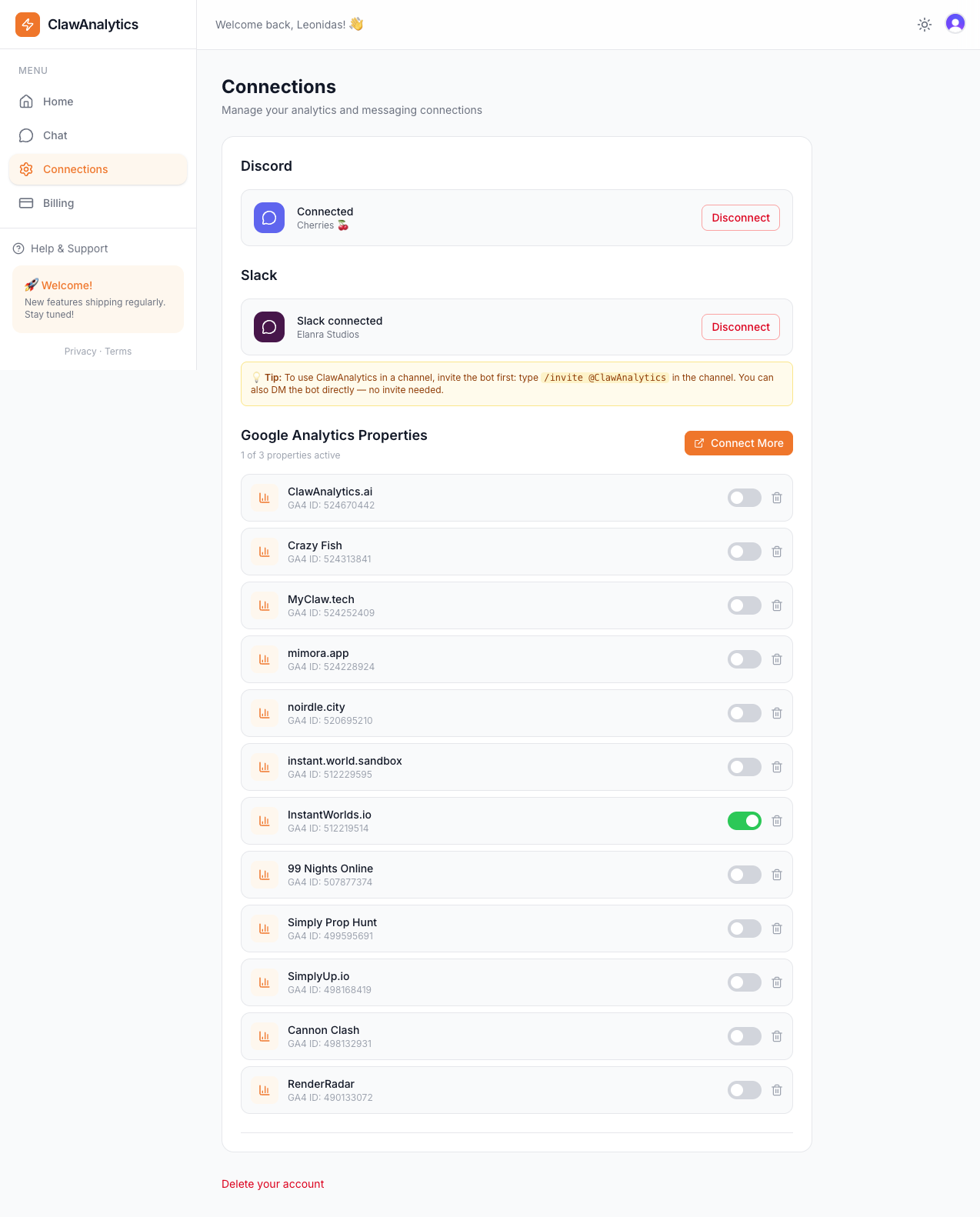
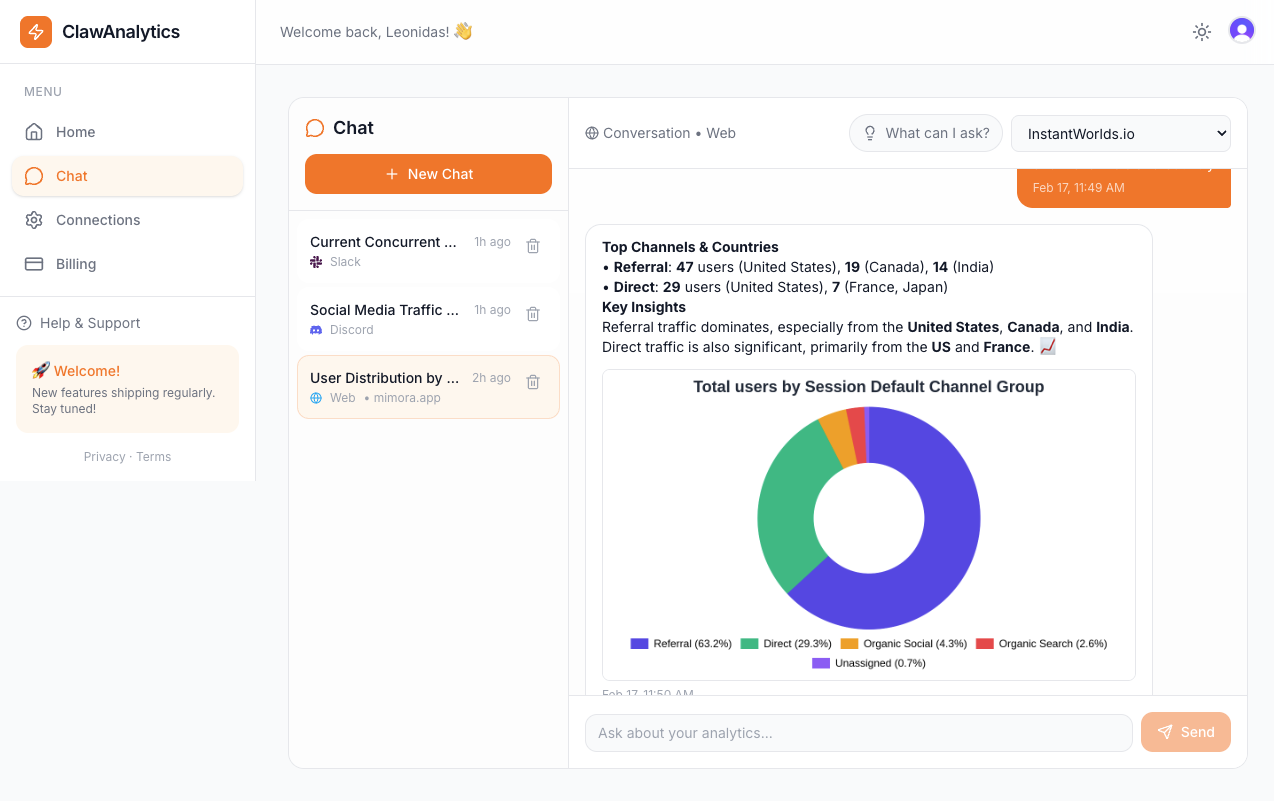
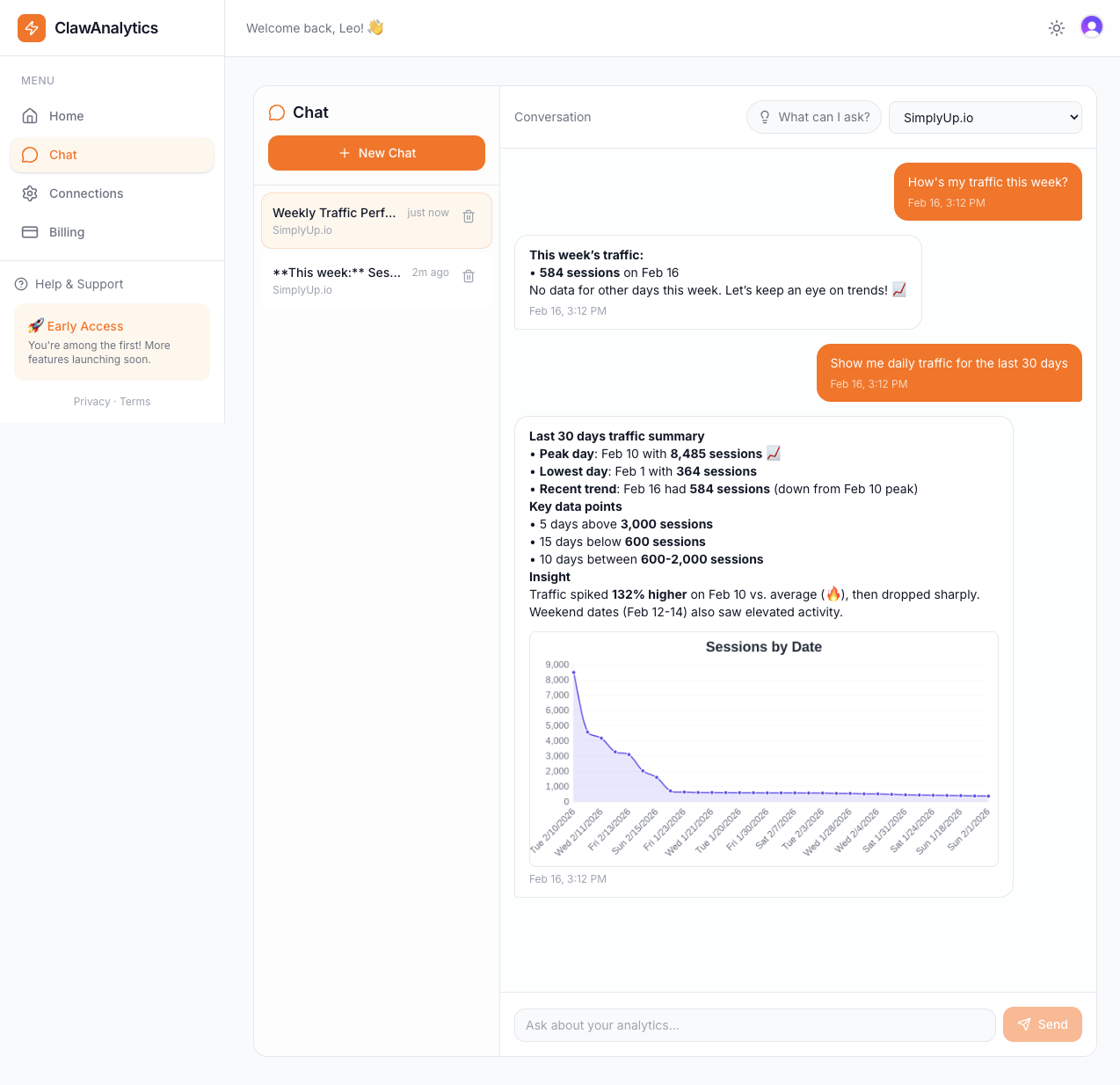
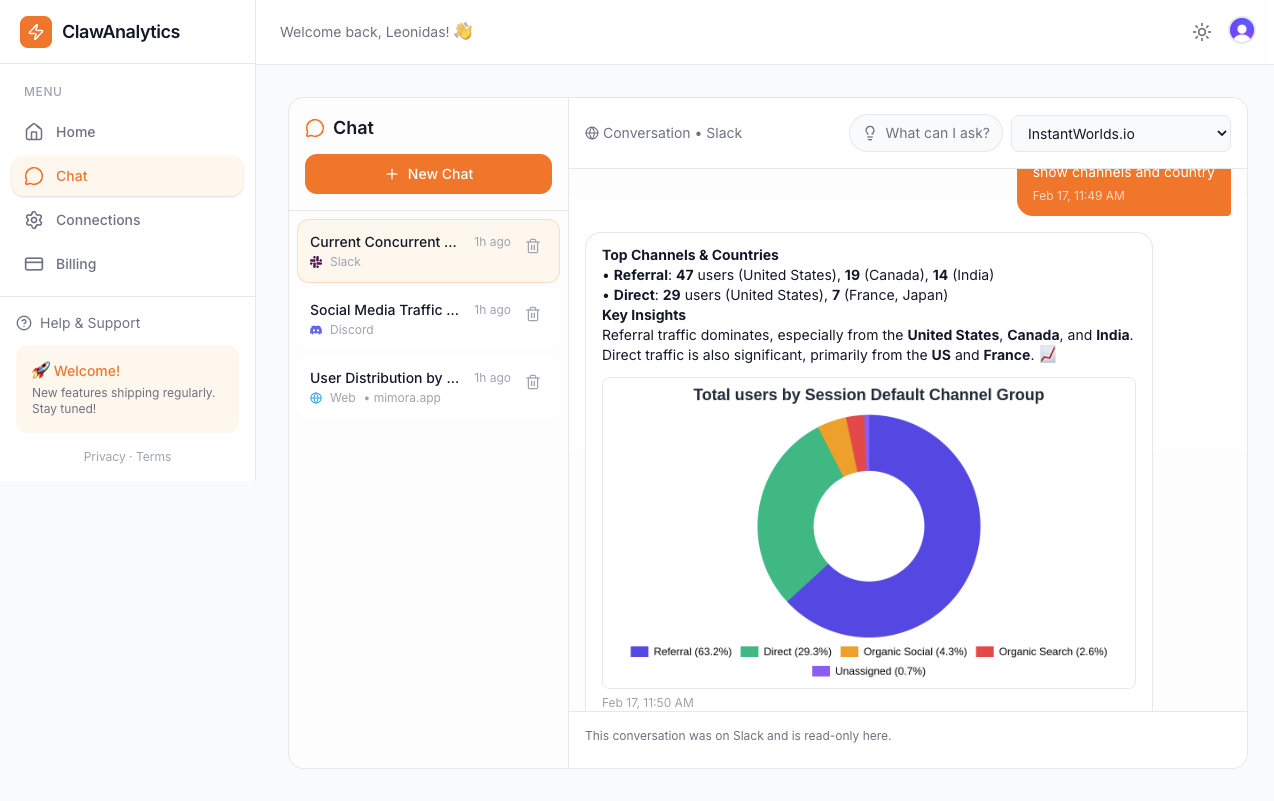
GA4 geography reports are useful but require regular checking to spot trends. ClawAnalytics automates this insight.
You see at a glance which neighborhoods drive the most memberships and which areas show growth potential. No digging through dashboards required.
For example, you might wonder: Should we open a second location closer to the suburb where most of our renewing members live? ClawAnalytics answers that with real visitor data.
You could also ask: Are we attracting more morning commuters or evening neighborhood crowds? The answer shapes your class schedule and staffing.
Quick Wins
-
Map your top 3 zip codes. Focus referral bonuses and neighborhood-specific promotions on these areas where you already have traction.
-
Watch for distance creep. If average session distance is growing, members may be traveling from further away. Consider whether your location remains convenient for your core base.
-
Time ads by neighborhood. If data shows one area drives mostly evening visitors, schedule targeted social ads for that neighborhood during afternoon hours.
-
Track new competitor openings. A spike in traffic from a specific direction followed by a drop often signals a new competitor opened nearby.