You just launched your Shopify store selling niche pet products. You drive traffic from Facebook ads, but noticed something troubling: most visitors land on a product page and leave without browsing further. Your bounce rate hits 80%. That means you’re paying for clicks that never have a chance to convert.
Why Bounce Rate Matters for Dropshipping
In dropshipping, every visitor costs you money. Whether you pay for ads or organic traffic, a high bounce rate means wasted budget and lost sales opportunities.
Key reasons to track it:
- Ad profitability. Platforms like Facebook and TikTok charge per click. High bounce rates kill your ROAS.
- Product page optimization. If product pages bounce, your images or descriptions might need work.
- Trust signals. Dropshipping faces skepticism. Visitors who bounce may not have found enough proof to trust you.
- Cross-selling opportunity. The longer visitors stay, the more likely they’ll add multiple items to cart.
How to Check in GA4
GA4 tracks bounces differently than Universal Analytics. Here’s the process:
- Log into GA4 and navigate to Reports.
- Go to Engagement > Pages and screens.
- Find the Bounce rate column to see per-page performance.
- Create a segment for paid traffic to isolate ad performance.
- Use Events to track “Add to cart” and “Begin checkout” alongside bounce rate.
You can also set up a exploration report to see bounce rate by traffic source.
The Easier Way
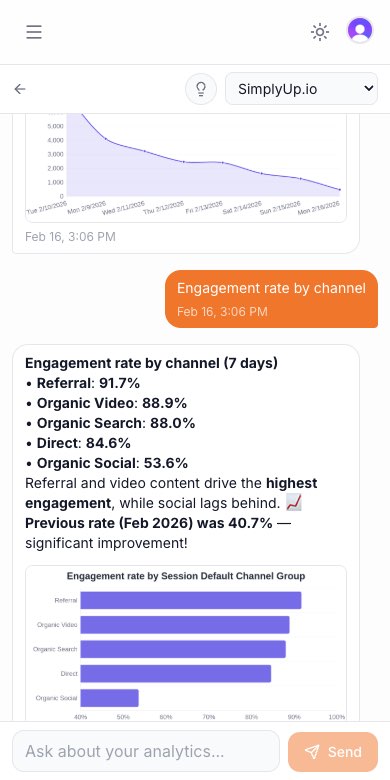
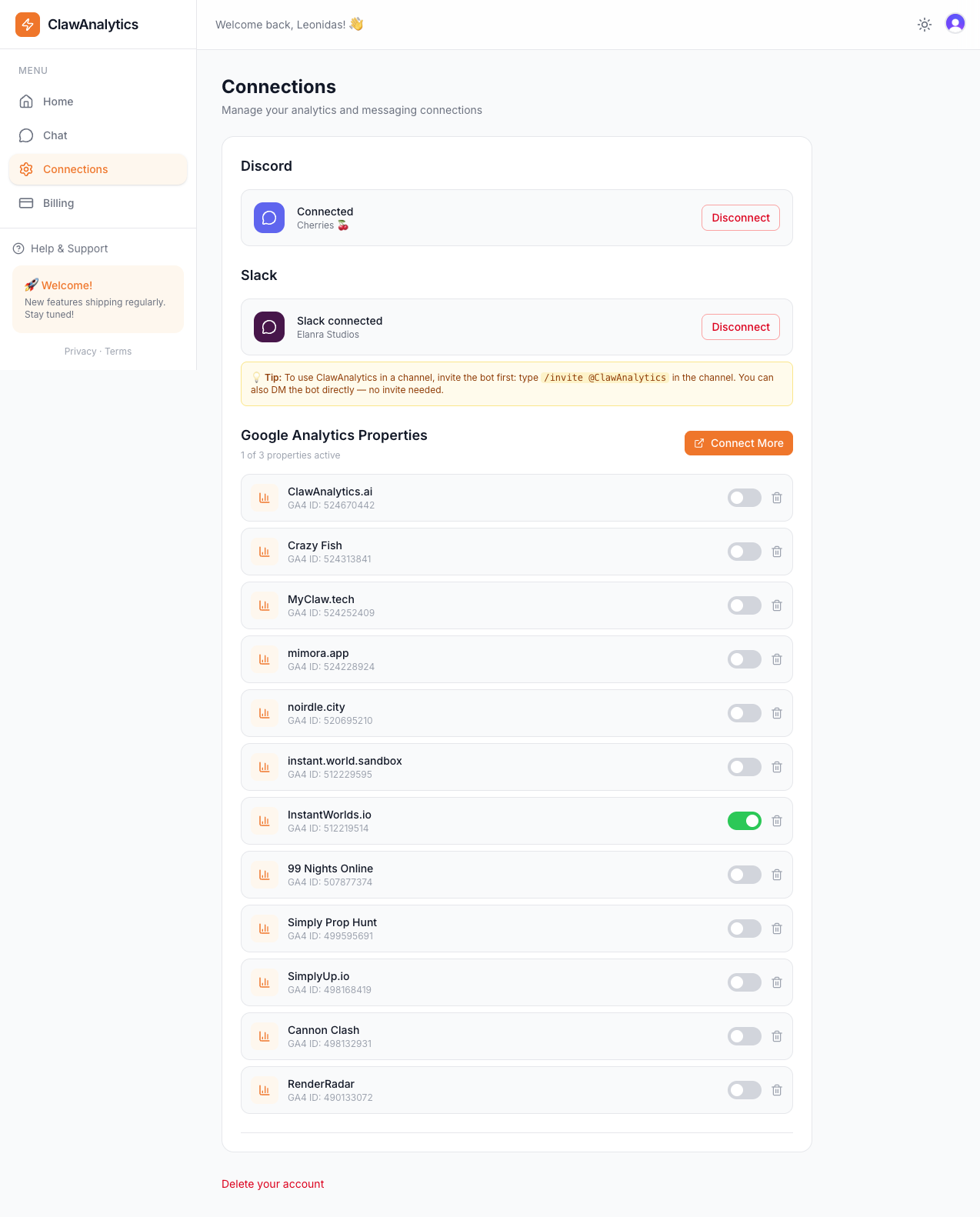
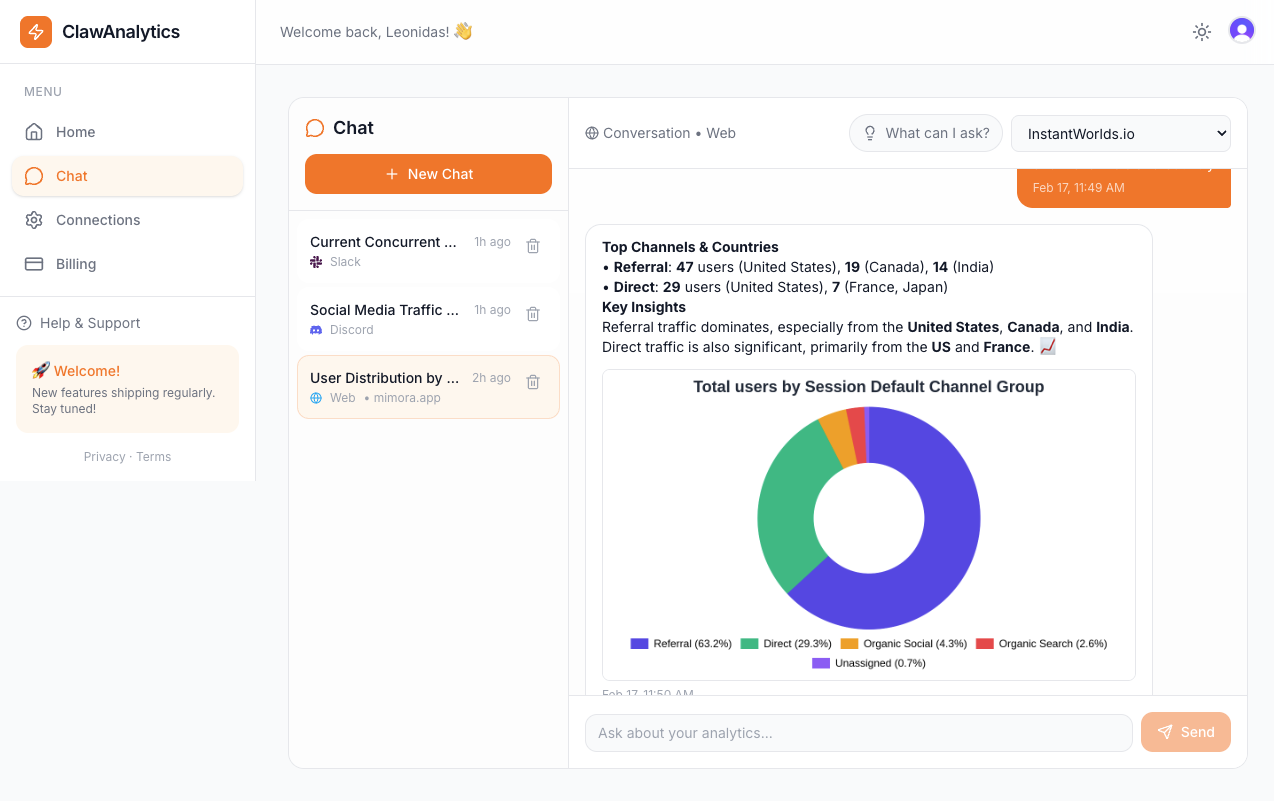
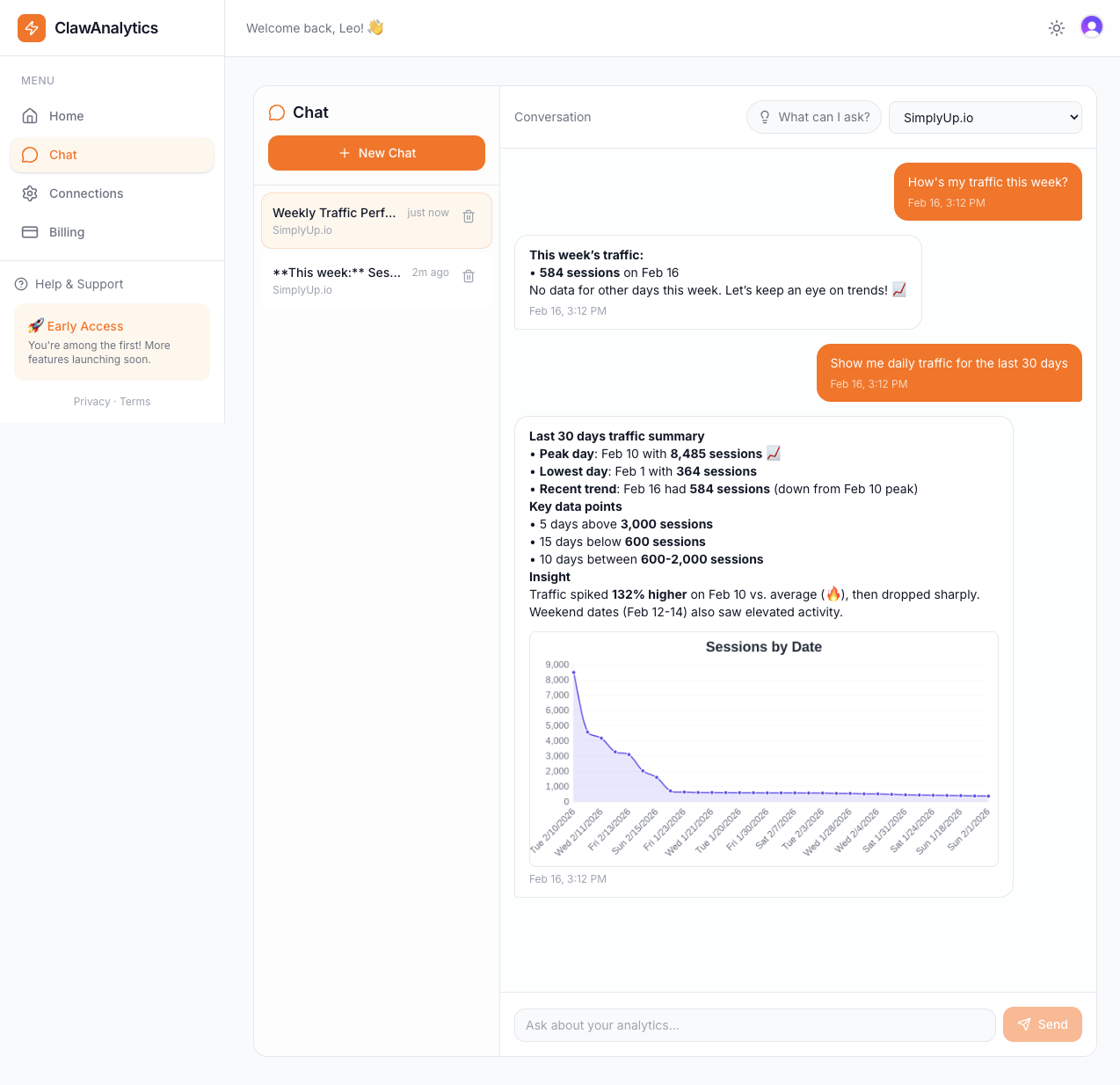
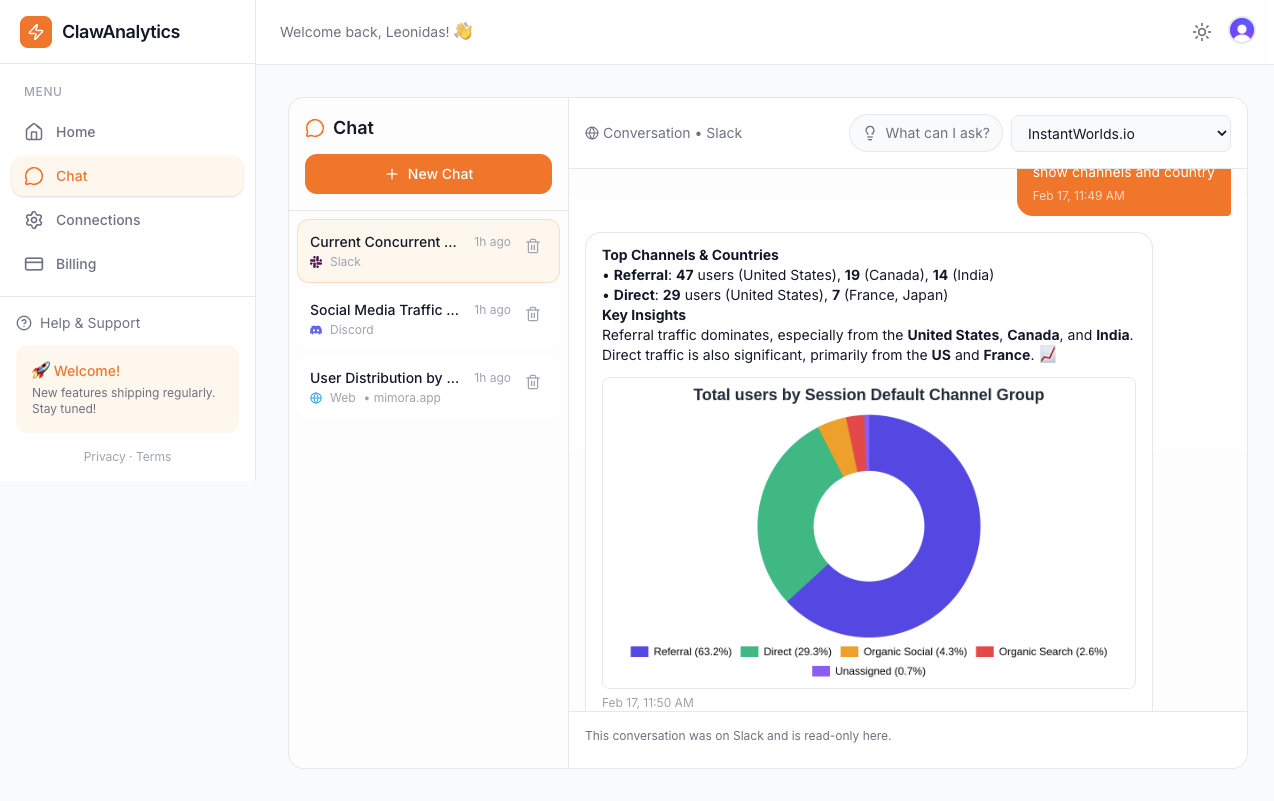
ClawAnalytics gives you instant clarity on what’s working. You might ask: Which ad creative brings buyers who stay? Or, Are mobile visitors bouncing more than desktop? Or, What percentage of visitors see a second product page?
ClawAnalytics surfaces these answers automatically, so you can focus on tweaking your store instead of configuring reports.
Quick Wins
- Speed up your site. Use lazy loading, optimize images, and choose fast themes.
- Show social proof. Add reviews, user-generated photos, and trust badges.
- Improve product images. Use multiple angles, lifestyle shots, and zoom capability.
- Add related products. Show complementary items after each product.
- Reduce friction. Offer guest checkout, multiple payment options, and clear shipping info.