What Is a Good Bounce Rate for Education?
A prospective student searches for degree programs. They visit your website, but can’t find tuition costs or application deadlines. They leave within seconds. That’s a bounce, and it might be a lost student.
Why Bounce Rate Matters for Education
Education websites serve visitors making life-changing decisions. They research programs, compare costs, and evaluate career outcomes. Your bounce rate shows whether your site helps or hinders this process.
Why this matters:
- Tuition and financial aid information is critical. Visitors bounce when it’s hard to find.
- Program details matter. Students want course lists, career outcomes, and duration.
- Application deadlines create urgency. Missing them frustrates visitors.
- Mobile searches for degrees are growing. Your site must work on phones.
Every bounce represents a prospective student who chose a competitor. Tracking bounce rates helps you understand what needs fixing.
How to Check Bounce Rate in GA4
GA4 provides detailed insights for education websites:
- Log into GA4 and go to Reports
- Select Engagement > Pages and screens
- Filter by program or degree pages specifically
- Compare bounce rates across different programs
Look for patterns. Do graduate programs bounce differently than undergraduate? Do online programs perform differently than on-campus? This data guides your content strategy.
The Easier Way
Most education marketers don’t have time for complex analytics. They manage enrollment campaigns, content, and student recruitment.
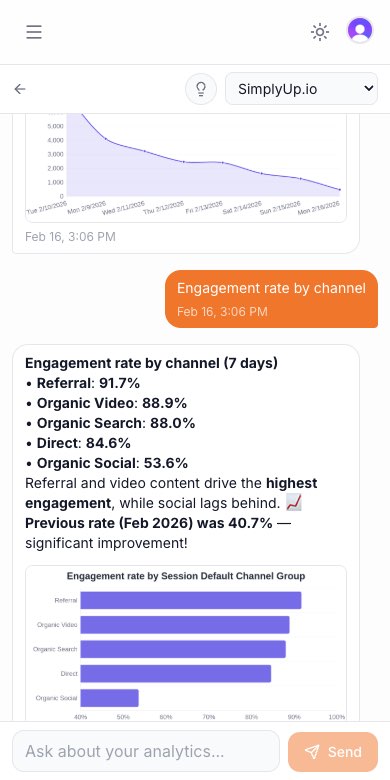
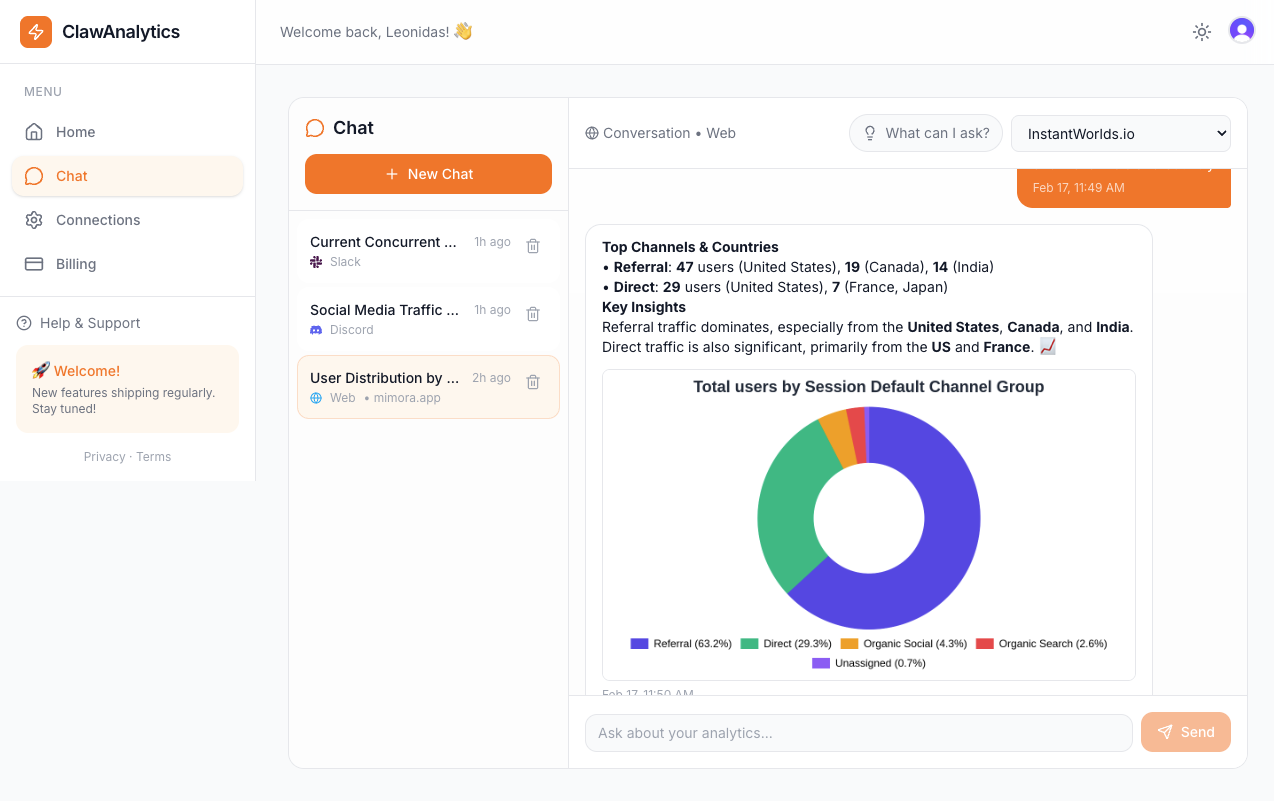
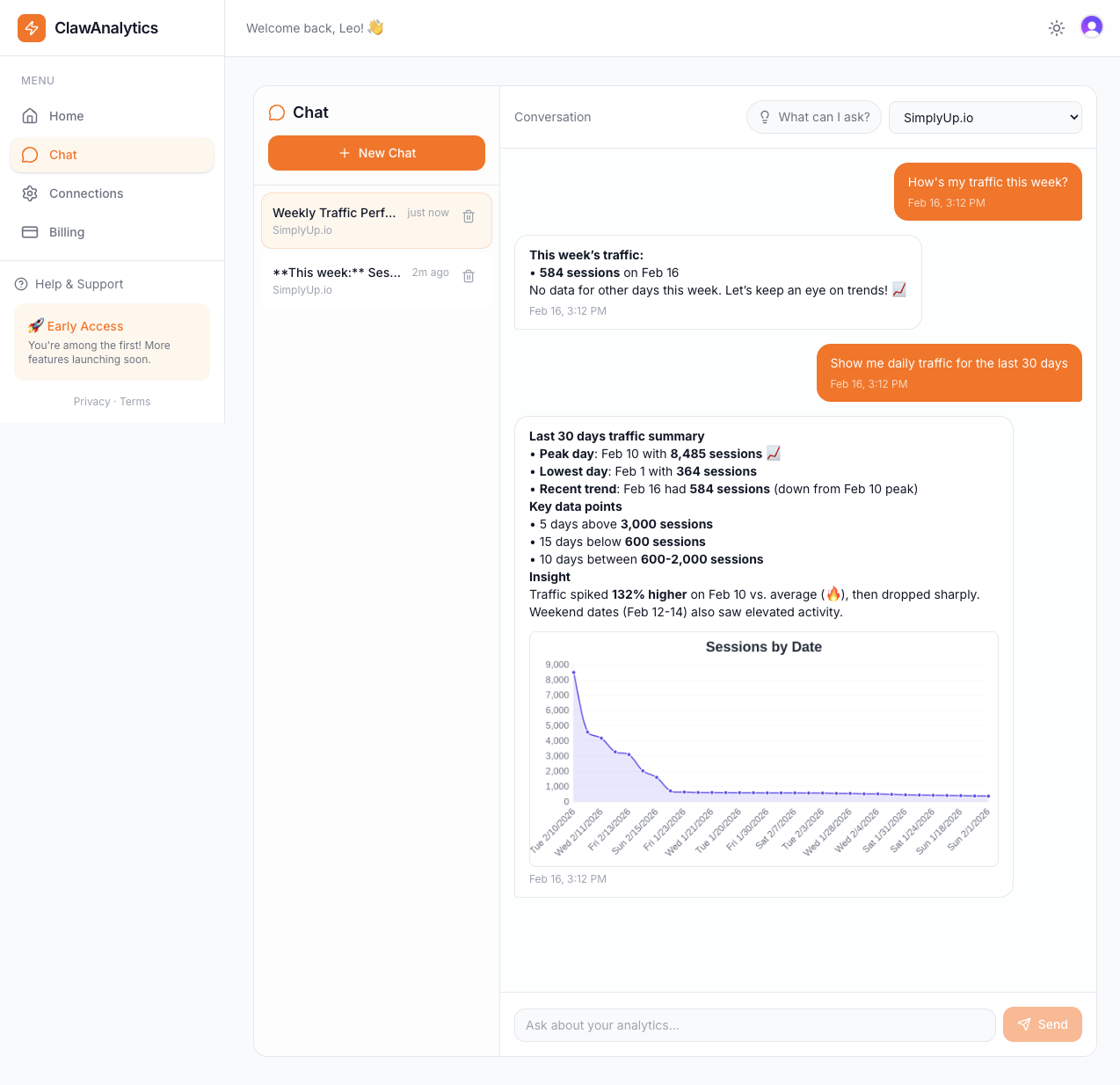
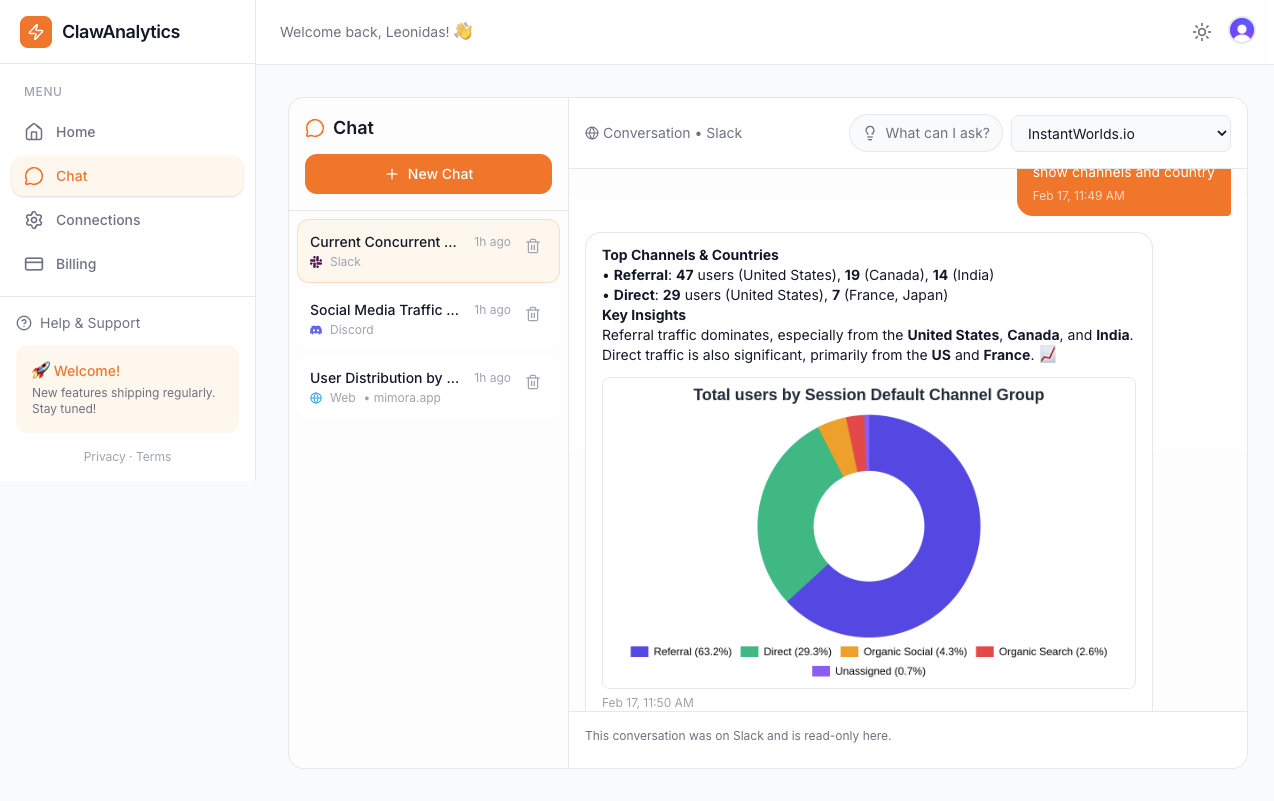
ClawAnalytics makes insights simple:
- “Your MBA program page bounces at 55%. Add career outcome data and alumni testimonials.”
- “Visitors from ‘online degree’ searches bounce 30% less. Create more content around online learning.”
- “Your tuition page has high bounce but long time-on-page. The content may be confusing, not uninteresting.”
These insights help you improve conversion. More engagement means more applications.
Quick Wins for Lower Bounce Rates
Lead with tuition and financial aid. Put costs front and center on every program page.
Include career outcomes. Students want to know what jobs they’ll get.
Add student testimonials. Real stories from real students build trust.
Make application deadlines clear. Use banners and prominent dates.
Show campus life photos. Even online students want to feel connected.
Simplify navigation. Programs, admissions, and tuition should be one click from anywhere.
Offer downloadable guides. Capture emails from visitors not ready to apply.
Track bounce rates by traffic source. Students coming from search engines may need different content than those from social media.